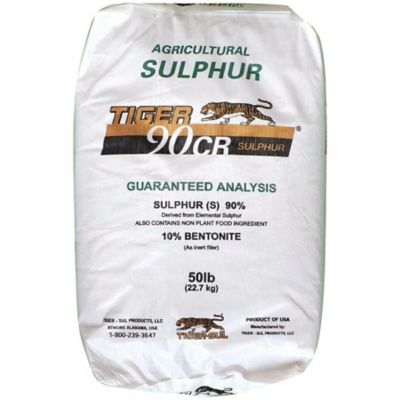
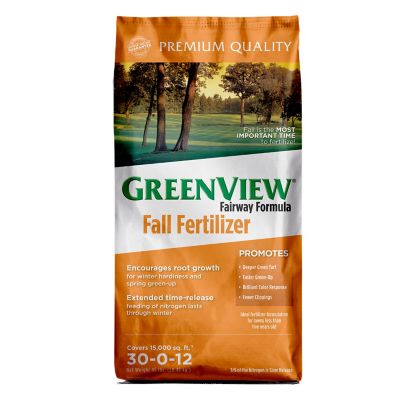
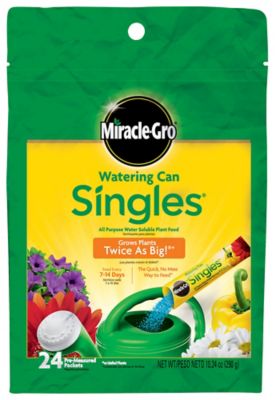
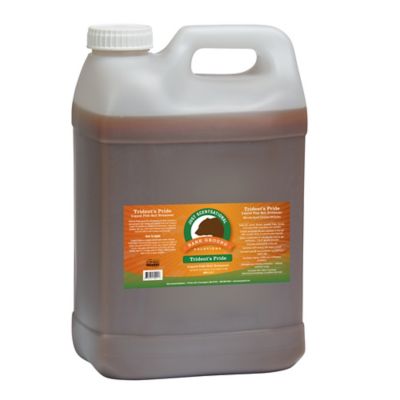
Garden fertilizer for vegetable plant growth supplies nutrients that help support roots, leafy growth, flowering, and crop development. The best fit depends on the soil’s existing nutrient levels, the vegetables being grown, and their stage of growth. A complete fertilizer contains nitrogen (N), phosphorus (P), and potassium (K), while a balanced fertilizer has equal labeled percentages of those three nutrients. Those terms describe the formula, not a guarantee that every garden needs the same mix. Nitrogen supports green, leafy growth; phosphorus contributes to root development and energy transfer; and potassium supports water regulation and several processes involved in plant health. A soil test provides a useful starting point because a bed that needs nitrogen may already contain plenty of phosphorus or potassium. Fertilizer labels show the nutrient analysis as three numbers in N-P-K order, making it easier to compare formulas against soil test recommendations. For a patch of lettuce beside the back steps, leafy growth is the crop itself. For tomatoes, peppers, and squash, the goal also includes flowers and developing fruit, so a formula that pushes excessive foliage may not suit the bed. Carrots and beets have their own feeding needs, and extra nitrogen can favor tops over the roots headed for the kitchen. Beans and peas can obtain some nitrogen through their relationship with nitrogen-fixing bacteria, though that does not mean every planting needs no added nutrients. Vegetable garden fertilizer belongs alongside adequate light, suitable soil pH, steady moisture, and room for roots to spread. It cannot make up for a shaded planting spot or tightly packed ground. Whether the garden is a few raised beds near the house or several long rows behind the barn, matching nutrients to actual crop needs makes more sense than choosing the highest numbers on the bag. The fertilizer’s labeled crops and directions also matter, especially when the harvest is headed straight to the supper table.
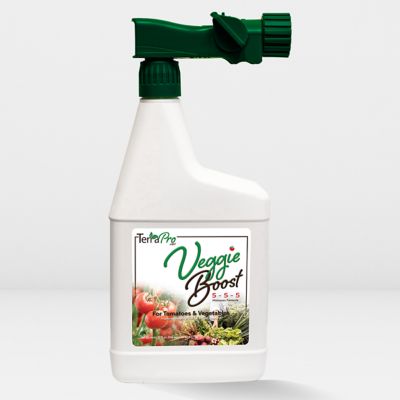
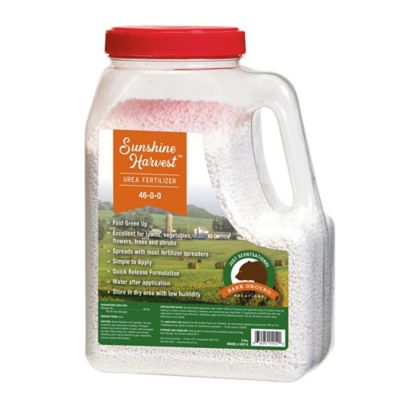
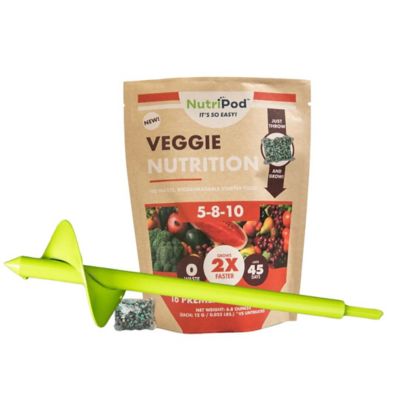
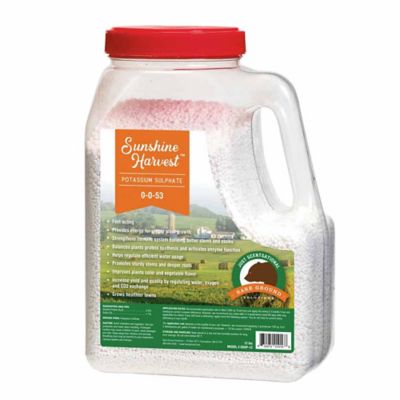
Vegetable fertilizers come in granular, liquid, and water-soluble forms, with differences in handling, application, and nutrient release. Granules can be practical for larger beds and rows where a measured amount can be distributed across the soil or placed alongside established plants as the label allows. Some granular formulas release nutrients gradually, while others dissolve more readily; a dry texture alone does not tell the whole story. Liquid concentrates and water-soluble powders mix with water at a labeled rate, which can suit a handful of patio containers or a gardener who prefers feeding while watering. Their concentration matters, since a small measuring error can make a substantial difference in a watering can. Ready-to-apply liquids simplify measuring but still call for attention to the amount each planting receives. Fertilizer ingredients may include mineral salts, processed plant materials, or animal-derived materials, and those sources affect nutrient concentration and how nutrients become accessible to roots. Many organic nutrient sources depend on soil organisms to release nutrients, while some mineral sources dissolve readily. Neither description, by itself, tells whether a formula fits a particular vegetable bed. Gardeners seeking inputs for certified organic production need the appropriate labeling or listing rather than relying on an ingredient name alone. Compost can contribute nutrients and organic matter, but its nutrient content varies, so it is not automatically a substitute for a measured fertilizer application. Application equipment is another practical consideration: a small scoop and watering can may suit porch pots, while a larger planting may call for a spreader compatible with the material. Clear directions, manageable package size, and a formula suited to the intended application help keep the job straightforward. Placement matters, too. Concentrated fertilizer against tender stems or roots can cause injury, and applying more than the label recommends can leave excess nutrients in the soil instead of putting more vegetables in the basket.
Raised beds, in-ground rows, and containers each bring different considerations to vegetable feeding. A raised bed filled with soil and compost may hold a different nutrient supply than a row planted directly into native ground. Containers have limited rooting space, and repeated watering can carry some nutrients out through drainage holes. Potting mixes may also contain an initial fertilizer charge, making the mix label worth checking before adding more plant food. For a tomato growing in a large tub by the porch, the fertilizer’s labeled container rate is more relevant than a rate written for an acre or a broad garden bed. For potted edibles grown inside,
Fertilizer For Indoor Plants Growth provides a related place to compare plant nutrition options, with attention to whether each formula is labeled for edible crops. Beyond the main three nutrients, some fertilizers contain calcium, magnesium, sulfur, or trace elements such as iron and zinc. Those additions can be helpful when a deficiency exists, but more is not always better. Yellow leaves, slow growth, and poor fruit development can have several causes, including root trouble, unsuitable pH, or inconsistent watering, so extra fertilizer is not always the answer. Calcium-related fruit problems, for example, can involve moisture and calcium movement within the plant rather than simply a shortage in the soil. Practical package details matter after application as well. A tightly closed original container helps protect dry fertilizer from moisture and keeps directions close at hand. Storage should follow the label, with fertilizer kept apart from animal feed and out of reach of children and pets. Measuring tools reserved for garden tasks help keep plant food away from kitchen utensils. From a first vegetable patch to an established family garden, a suitable fertilizer supports a feeding routine built around the crop, the growing space, and what the soil actually needs.