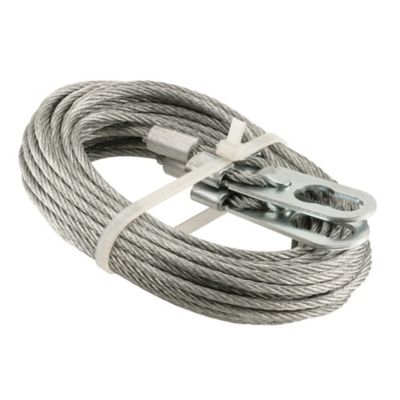
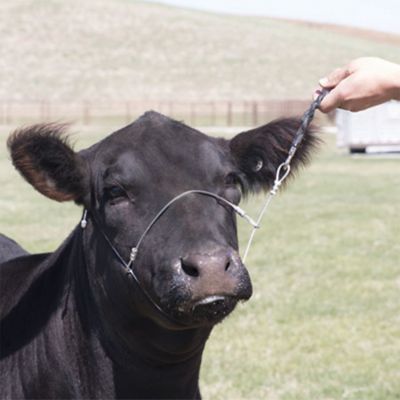
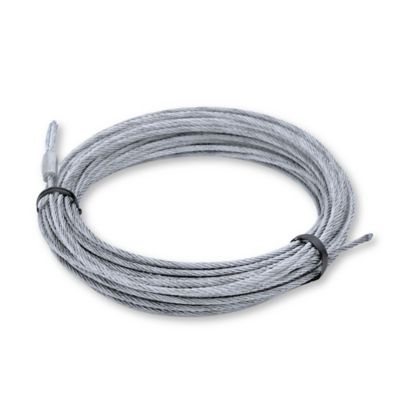
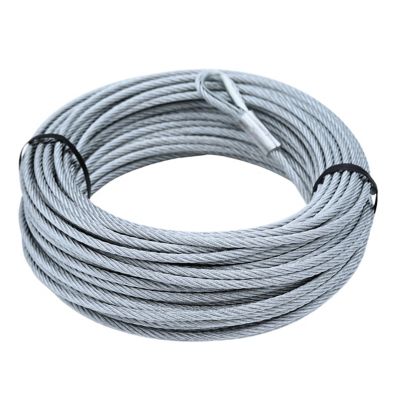
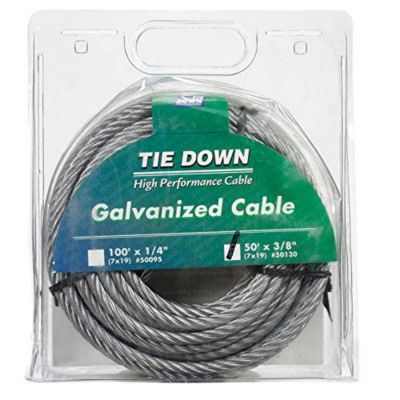
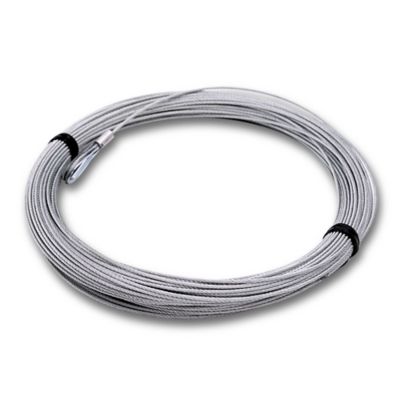
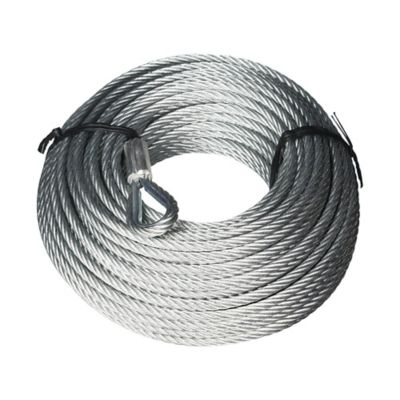
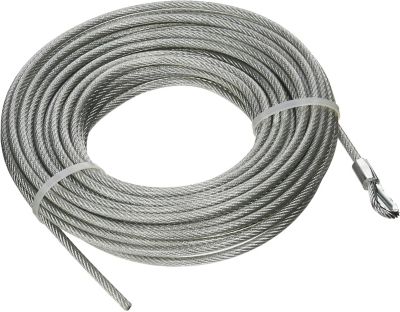
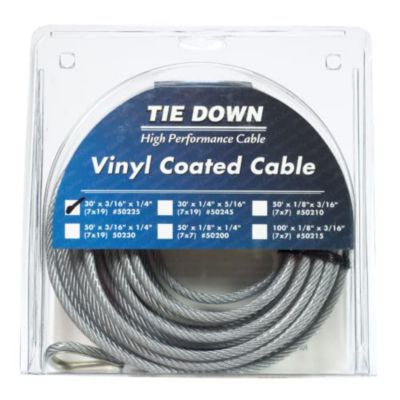
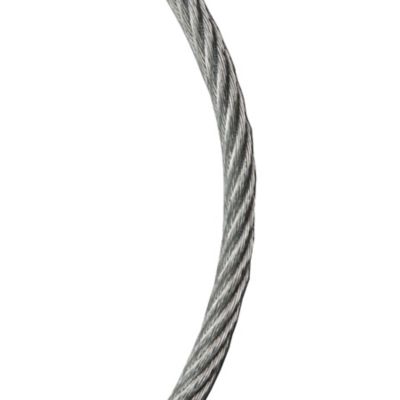
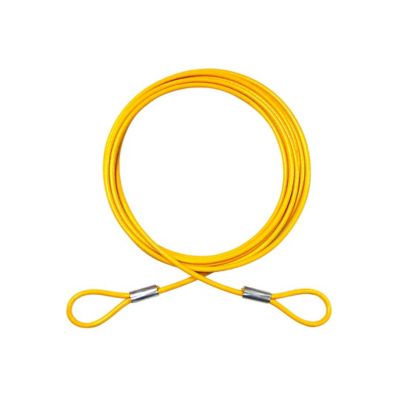
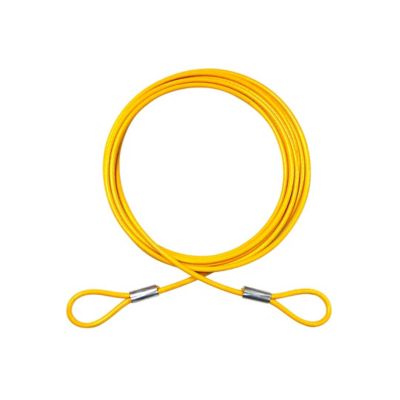
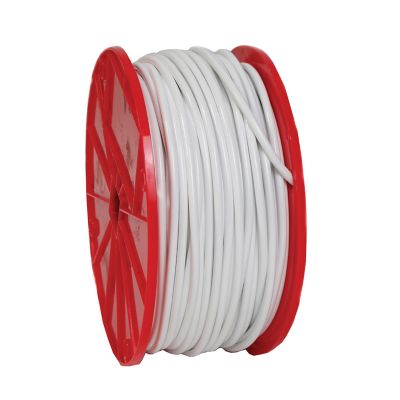
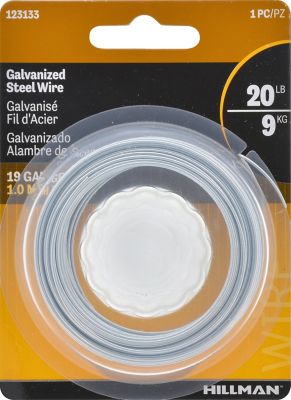
Galvanized cable is carbon steel wire rope with a protective zinc coating that helps resist rust and corrosion. It brings together the pulling strength of steel and a surface treatment suited to many general-purpose jobs around farms, shops and properties. The zinc acts as a barrier and helps protect the steel beneath it by corroding first, though that protection does not make the cable rustproof. Contact with chemicals, repeated rubbing and damage to the coating can shorten its service life. Galvanized steel and stainless steel cable are different materials: one relies on a zinc coating, while the other gets its corrosion resistance from the composition of the steel itself. The right choice depends on the surroundings, the required strength and the way the cable will move or stay in place. Construction matters just as much as material. A 7x7 cable has seven strands with seven wires in each strand, while a 7x19 cable has seven strands with nineteen wires in each strand. At comparable diameters, 7x7 generally feels firmer and suits applications that call for less bending. A 7x19 construction generally offers greater flexibility, making it a consideration for applications involving movement or travel around appropriately sized sheaves. Neither construction is automatically stronger in every comparison; diameter, steel grade and the manufacturer's specifications all play a part. Cable diameter also affects handling, fitting compatibility and the space needed for a bend. A slender line may look right along a trellis but still fall short of the tension a particular installation requires. Small-diameter wire rope sometimes carries the name “aircraft cable,” but that name alone does not establish aviation approval. General-purpose galvanized cable is not a substitute for cable certified for an aircraft application. For everyday property work, the most useful starting points are the intended task, the manufacturer's stated limits and the hardware that will connect the line at each end. Those details tell more than appearance alone, especially when two cables look nearly alike on the roll.
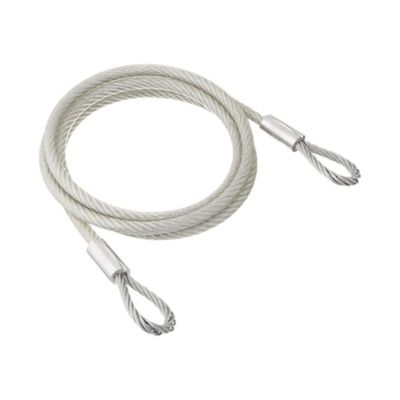
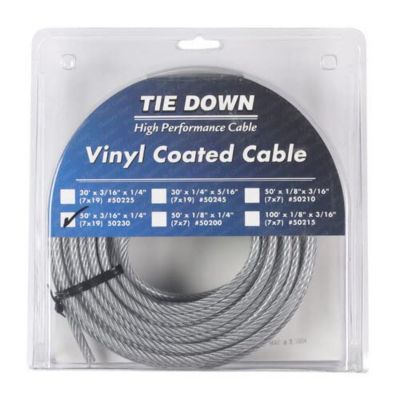
Around a working property, galvanized wire rope can serve as a tension member for a trellis, a support line for hanging lights or part of a properly designed gate-bracing arrangement. It also appears in guying systems for poles and similar structures when the cable, anchors and overall design meet the requirements of the installation. A vineyard row, a sagging gate and a workshop support line may all call for steel cable, but they do not put the same demands on it. A straight, mostly stationary run has different needs from a line that repeatedly bends over a pulley. Any winch, pulling or material-handling application requires cable specifically approved for that equipment and task, rather than a general-purpose line selected by diameter alone. Fit includes the entire assembly, not just the span between attachment points. Thimbles help support an eye and protect it from concentrated wear at the connection. Compatible wire rope clips or properly installed swaged fittings form terminations, while turnbuckles provide adjustment where the design calls for tensioning. Each component needs the correct size and suitability for the cable construction, load and connection method. A fitting that slides over a cable is not necessarily the right match for it. Coated cable adds another measurement to consider because the outside diameter of its jacket may differ from the diameter of the steel rope underneath. A plastic jacket can provide a smoother contact surface, but it does not increase the rope's rated strength or remove the need for inspection. Some fittings require contact with the steel rope rather than the jacket, making the manufacturer's instructions especially important. Length matters, too: finished eyes, anchor connections and adjustment hardware can require more cable than the straight distance across a space. Leaving room for the specified termination and tensioning arrangement helps keep a project from coming up short at the last connection. On a gate, that means considering clearance through its full swing; along a trellis, it means accounting for the end posts and their ability to carry the tension.
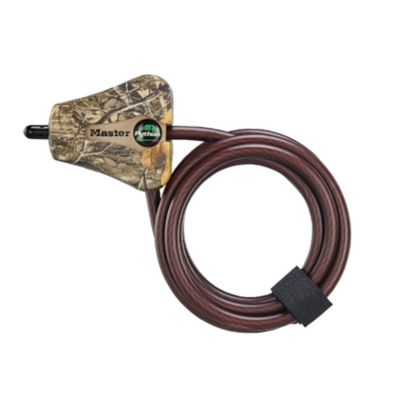
Strength ratings deserve a close look whenever galvanized cable will carry tension or support a load. Breaking strength describes a failure threshold under specified test conditions; it is not the working load limit. A suitable working load depends on the application, the required design factor, the terminations and the ratings of the other components. The lowest-rated part can limit the whole assembly, whether that part is the cable, a connector or an anchor. Sudden jerks, sharp bends and side loading can place demands on the system that a simple weight estimate misses. Lifting, towing and personnel-support tasks call for equipment specifically rated and approved for those purposes, and general-purpose cable should never be assumed suitable for overhead lifting or fall protection. Routine care is simpler to manage when the cable remains accessible for inspection. Broken wires, kinks, crushed sections, heavy corrosion and damaged end connections are reasons to stop and assess the assembly against the manufacturer's replacement criteria. A kink is more than an untidy spot; it can permanently damage the rope's structure. Smooth, compatible contact surfaces and properly sized sheaves help limit concentrated wear, while storage away from chemical exposure and trapped moisture helps protect cable before installation. Handling also matters, since loose wire ends and broken strands can cut hands; suitable gloves and eye protection belong with cable work. Any cleaning or lubrication should follow the manufacturer's recommendations, particularly where a jacket or a particular fitting affects what treatments are appropriate. When the task is locking a gate, securing tools or fastening portable equipment against theft,
Security Cables bring locking connections and security requirements into the selection process. A support line and a locking cable may share a steel core, but their jobs are different. Across those applications, a sensible match comes down to construction, dimensions, compatible connections and a rating that fits the work—not simply choosing the thickest-looking line.