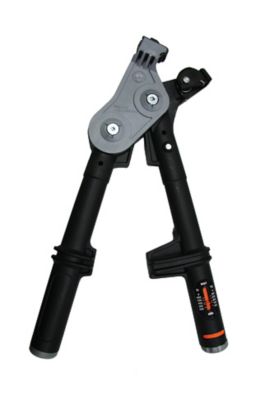
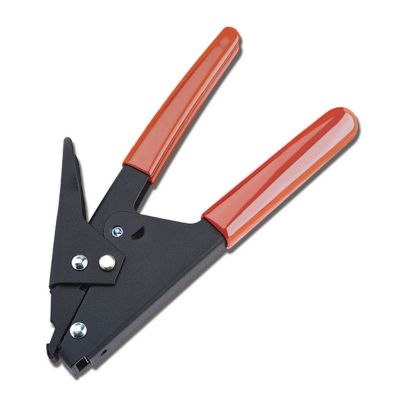
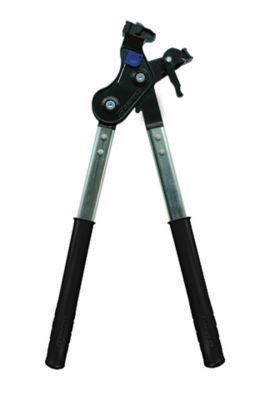
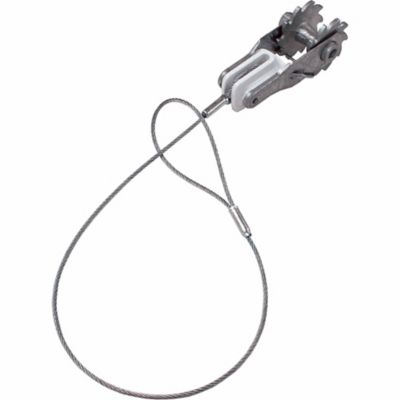
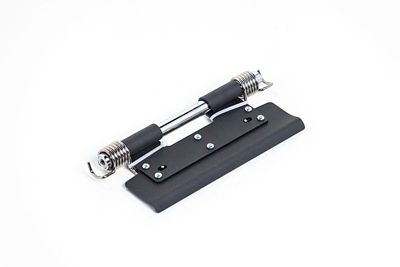
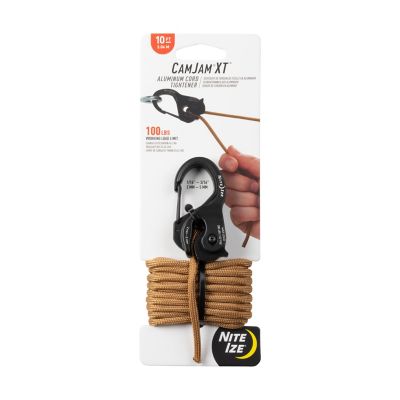
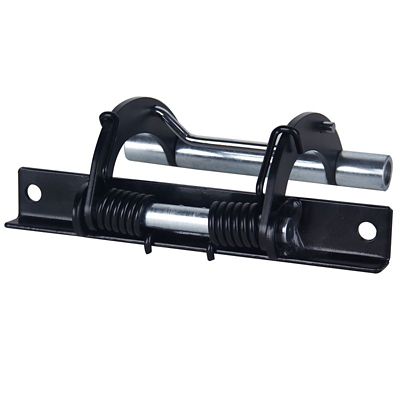
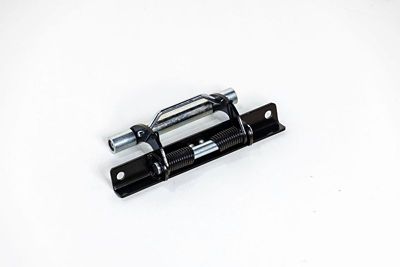
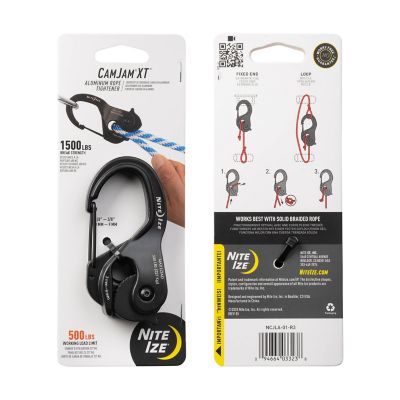
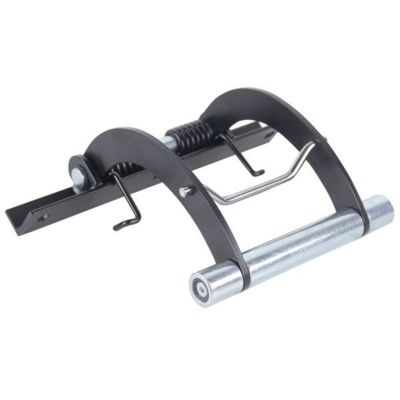
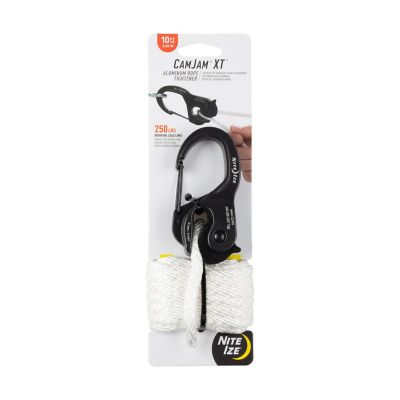
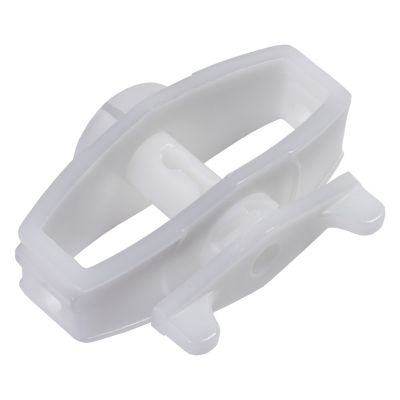
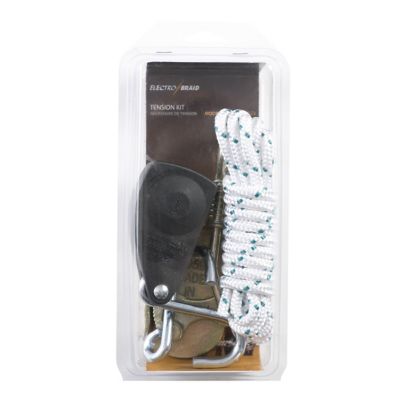
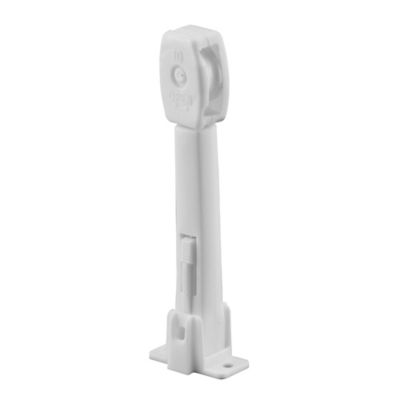
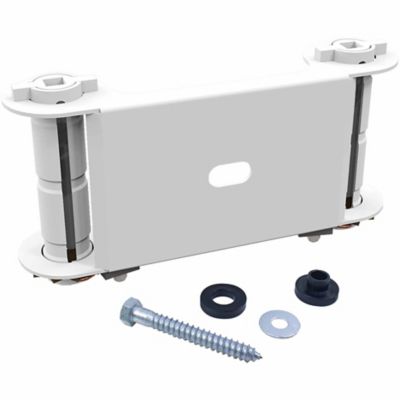
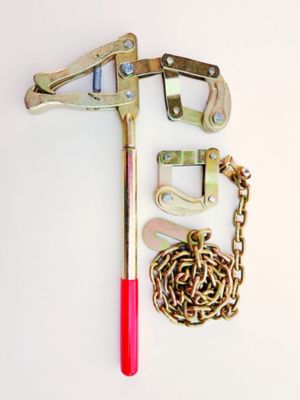
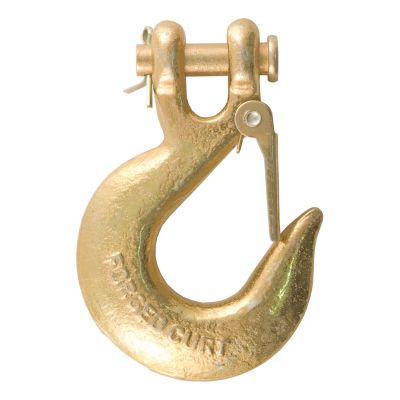
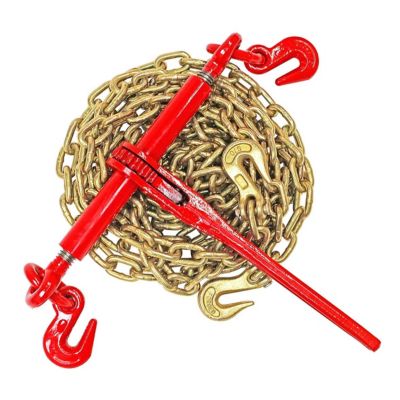
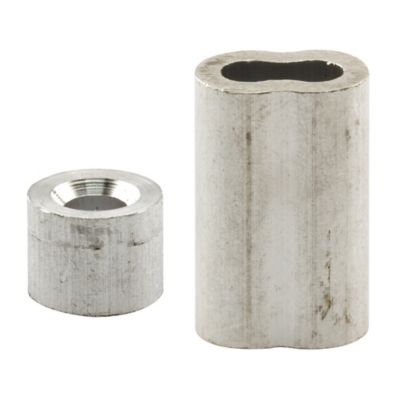
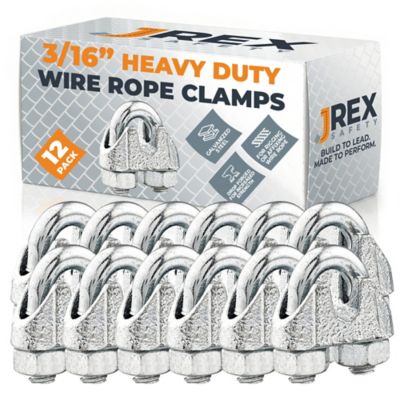
A cable tensioner is a mechanical fitting that tightens and adjusts wire rope, steel cable, or compatible fencing wire to reduce unwanted slack and help keep a line secure. It provides a way to fine-tune tension between anchor points without cutting the cable shorter each time an adjustment is needed. Around a farm, home, or workshop, that can mean keeping a trellis support straight, taking slack out of a fence brace, or maintaining a neat cable run along a properly designed railing. The right fit depends on the job: a tensioner for a plant-support system does not necessarily have the load rating, connections, or locking features needed for a structural application. Turnbuckle-style cable tensioners typically have a central body and opposing threaded ends, allowing the assembly to shorten or lengthen as the body turns. Other designs rely on ratcheting mechanisms or cable-gripping components, with compatibility determined by their stated specifications. Those differences matter when there is limited room beside a post or when a long run needs more take-up than a small fitting can provide. Cable diameter, thread size, overall length, and adjustment range describe different parts of the fit, so matching just one measurement is not enough. An eye end creates a closed connection with suitable connecting hardware, while a jaw end can attach to a compatible anchor with a pin. Hook ends offer a different connection style, but their suitability depends on the application and whether the connection can remain secured under its expected loads. Some assemblies connect through separate cable terminations; others incorporate a termination designed for a particular cable size and construction. For anyone tending a property, building support lines, or maintaining fencing, these details separate a fitting that simply reaches the anchor from one that belongs in the complete assembly. A little adjustment room also leaves space for later take-up as cable components seat under tension.
Material choice affects how cable tensioners hold up, how smoothly their threads work, and how well they suit the surrounding hardware. Stainless steel offers corrosion resistance that can be helpful around moisture, while zinc-plated and galvanized steel rely on protective coatings to shield the underlying metal. Neither material description alone establishes a fitting’s load capacity, and stainless steel is not immune to corrosion in every setting. Matching the tensioner, cable, connectors, and anchors by application helps avoid incompatible combinations, including certain metal pairings that can encourage corrosion when moisture is present. Surface finish matters, too: damaged coatings, rough threads, or sharp edges can create trouble where parts turn or contact the cable. For a long fence line beside an equipment yard, the cable and its tensioning hardware are only part of the setup; posts, braces, and anchor connections must also handle the pull. More tension is not always better. Pulling a line overly tight can strain posts, distort fittings, or place unnecessary stress on cable terminations without making the system more secure. A published working load limit is different from breaking strength, and the complete assembly is limited by its lowest-rated component, connection, or support. Cable size alone cannot establish a safe load because wire-rope construction, material, and termination method also affect performance. Railing applications call for particular care with approved components, post spacing, cable spacing, and local building requirements. General-purpose tensioning hardware is not a substitute for fittings specifically rated for lifting, overhead suspension, fall protection, or other safety-critical work. Likewise, fencing applications depend on the fence design and the animals involved; a tensioner that fits a cable does not make that cable suitable for livestock containment. These considerations help property owners, fence installers, and contractors match hardware to the demands of the work rather than judging strength by appearance or weight alone.
Practical fit also includes how the tensioner will sit once the job is finished. A compact body may fit neatly near a corner post, but it still needs clearance for adjustment and enough thread engagement throughout its permitted range. A longer assembly may offer more take-up, yet require additional space between the cable termination and anchor. On a trellis near the garden, access for occasional adjustment can be straightforward; along a railing or beside a busy farm walkway, exposed ends and projecting hardware deserve closer attention. Suitable locking provisions help resist unintended movement, and the manufacturer’s instructions establish how those features should be secured. Care is generally about keeping the assembly clean, inspecting contact points, and addressing wear before it becomes a bigger repair. Dirt packed into threads can make adjustment difficult, while corrosion, bent components, loose pins, damaged locking parts, or broken cable strands warrant prompt attention. Any lubricant needs to suit the fitting’s material, location, and manufacturer’s recommendations, especially where it could contact plants, animals, or nearby surfaces. Inspection should cover the anchors and cable terminations as well as the tensioner body, since a snug-looking line can still have a loose connection at one end. Cable tensioning and theft deterrence also serve different purposes.
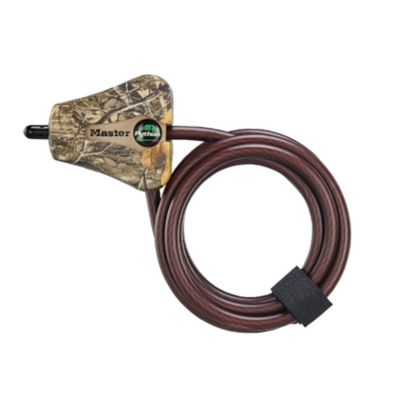
Security Cables are intended for securing belongings with compatible locking hardware, while tensioners manage pull and adjustment within a cable assembly; one category does not automatically replace the other. For landowners maintaining a fence brace, growers supporting rows of plants, or contractors finishing a specified cable system, a well-matched tensioner makes ongoing adjustment more manageable. The most useful choice is the one with the right connections, suitable materials, documented ratings, and enough travel for the intended run—not simply the largest fitting that will fit between the posts. Those details help keep a cable system serviceable and easier to maintain down the road.