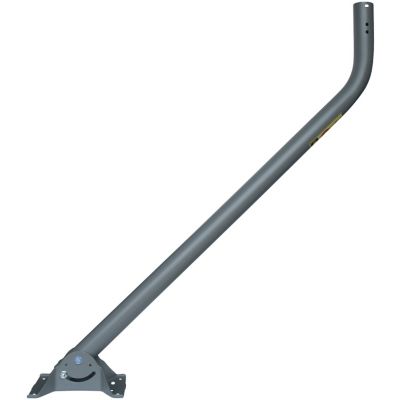
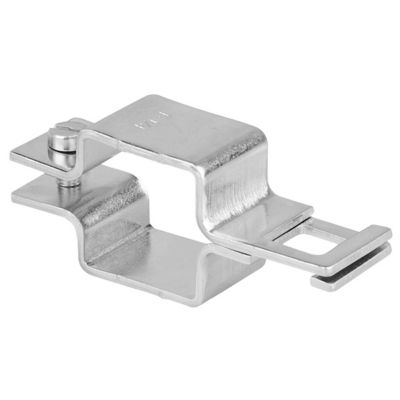
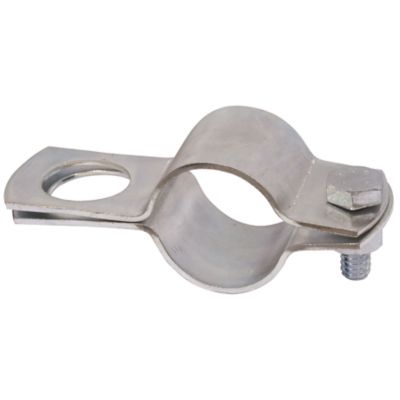
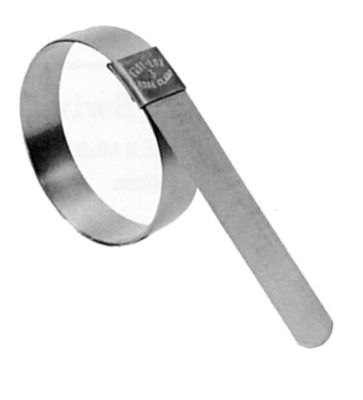
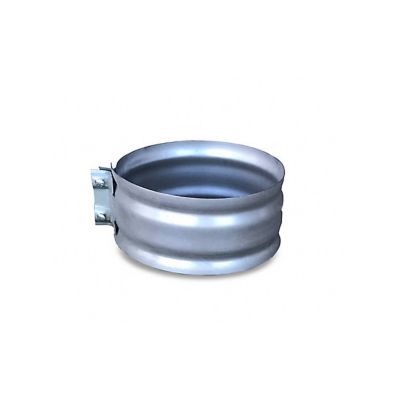
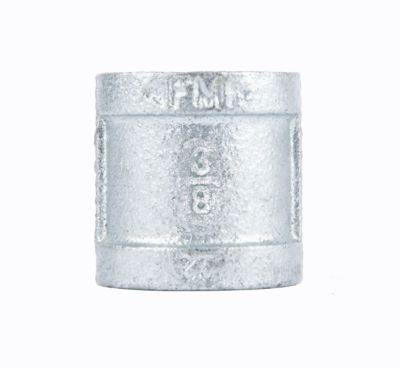
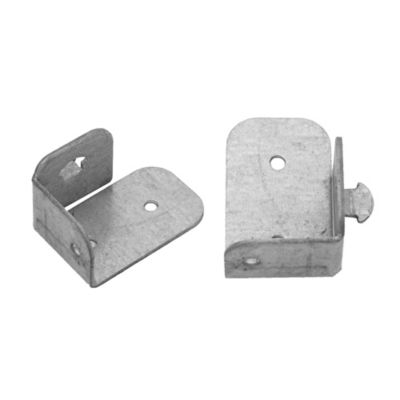
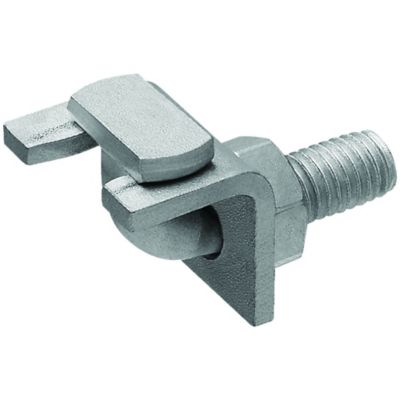
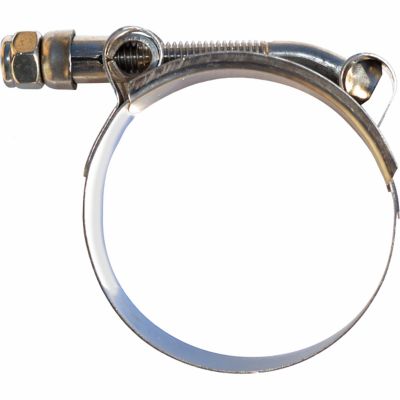
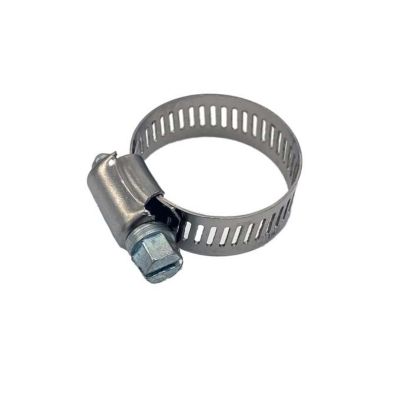
Galvanized steel pipe clamps are steel fasteners with a zinc coating that fit around pipe to support, suspend, secure, or connect it, depending on the clamp’s design. Some hold a line close to a wall or framing member, while others carry pipe beneath an overhead support. Repair clamps serve a different purpose: their bodies and sealing gaskets cover certain localized leaks when the pipe material, dimensions, and operating conditions match the clamp’s specifications. Those differences matter in a barn, shop, utility room, or equipment shed, where several pieces of hardware can look similar but handle very different jobs. Galvanizing helps protect the steel beneath it from corrosion, but it does not make a clamp immune to rust or suitable for every environment. The coating method, coating thickness, exposure to moisture, and contact with other materials all affect service life. Fit matters just as much as the finish. Pipe clamps generally match a specified outside diameter or nominal pipe size, and those measurements are not interchangeable. Standard nominal 1-inch steel pipe, for example, measures 1.315 inches across its outside diameter. Common steel pipe schedules describe wall thickness; within the same nominal size, a thicker wall generally does not mean a larger outside diameter. Tubing can follow a different sizing convention, so a label that simply says “1 inch” needs a closer look before it becomes part of a project. A properly sized clamp seats around the pipe as intended without forcing the hardware closed or leaving excessive movement. Liners, insulation, and protective sleeves can change the required clearance. The mounting surface also belongs in the picture: a clamp attached to a solid framing member has a different support arrangement than one fastened only to a thin wall panel. Matching the clamp, mounting hardware, and supporting structure helps keep the whole assembly suited to the load rather than leaving one weak point along the run.
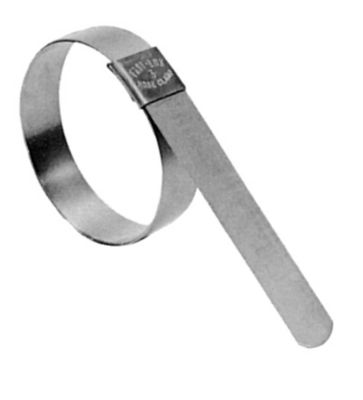
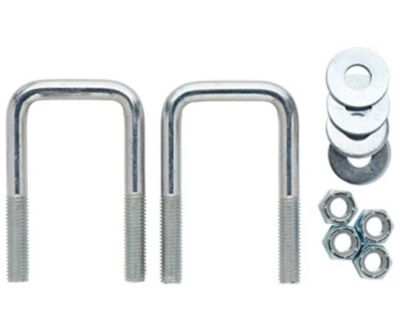
Around a farm or acreage, pipe-support hardware has a place anywhere a line needs to stay organized and supported without resting on whatever happens to be underneath it. Along a shop wall, properly selected clamps can keep a utility line clear of a workbench and away from stored equipment. Beneath a ceiling, hanger-style clamps work with compatible rods, brackets, or structural attachments to carry a piping run. Split-ring designs surround the pipe and commonly connect to a hanger assembly, while strap-style supports fasten around a pipe against a surface. U-bolt arrangements secure round pipe to compatible brackets or plates, with the mounting details determining how the assembly handles force. These styles are not interchangeable simply because each wraps around something round. A long run of filled pipe weighs more than an empty length, and valves, fittings, and changes in direction can add concentrated loads. Support spacing, allowable movement, and attachment strength therefore depend on the piping system and applicable requirements, not just the diameter printed on a clamp. Lines subject to vibration need hardware suited to that service, and lined clamps may help limit direct metal contact where their specifications allow it. Repair clamps require another set of considerations. Their sealing performance depends on the gasket material, pipe surface, defect size, pressure rating, and the fluid carried inside. A clamp intended for a small pinhole is not automatically appropriate for a split pipe, a damaged joint, or a section with extensive corrosion. A water-service rating also does not establish suitability for gas, fuel, steam, or compressed air. For a livestock watering line or another water connection, potable-water requirements may apply to components that contact the water. Repair work on a pressurized system calls for isolation and pressure relief before work begins, along with an assessment of whether the pipe needs replacement. A repair clamp may provide a temporary or longer-term repair only where its manufacturer permits that application; it cannot restore strength to badly deteriorated pipe.
Pipe clamps also turn up in rail assemblies, pipe-framed storage, and other projects where round members need a firm connection, but structural connections call for hardware specifically designed and rated for that purpose. An ordinary pipe hanger is not a substitute for a structural fitting, and a fitting that holds a storage rack together is not automatically suitable for a guardrail or an overhead load. Farmers, maintenance crews, plumbers, and property owners all benefit from keeping those distinctions clear before hardware goes onto a gate-side assembly, shop fixture, or service line. Clearance around nuts and bolts matters in tight corners, especially where a wrench must fit between a pipe and a wall. Bolt length, thread engagement, and the manufacturer’s tightening requirements affect how the clamp seats; more force is not necessarily better. Excessive tightening can distort components, damage a liner, or place unwanted stress on the pipe. Once installed, galvanized hardware benefits from straightforward inspection and care. Dirt and buildup can hide loose fasteners, damaged coatings, or corrosion around contact points, so accessible assemblies are easier to check and maintain. Cleaning methods should suit the coating and any gasket or liner, rather than relying on harsh chemicals or aggressive scraping. Scratches that expose bare steel, persistent moisture trapped beneath a liner, and incompatible metals in contact can shorten service life. Where piping passes through areas with animal waste, washdown chemicals, or other corrosive substances, the finish and sealing materials need to match that exposure. Any coating repair should follow the hardware manufacturer’s recommendations. Wire rope calls for a separate kind of connection hardware;
Steel Cable Clamps are intended for cable applications rather than pipe support. Keeping those categories separate makes it easier to match each fastening job to its actual demands. For galvanized steel pipe clamps, the useful details are the pipe dimensions, mounting arrangement, load or pressure requirements, material compatibility, and access for future inspection—the things that matter long after the tools go back in the truck.