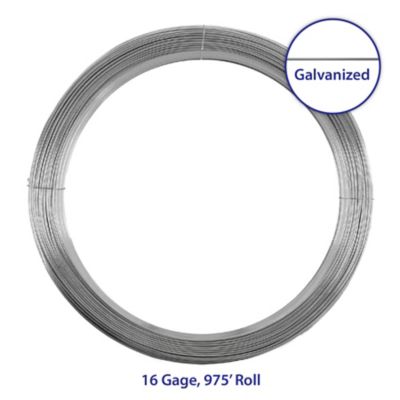
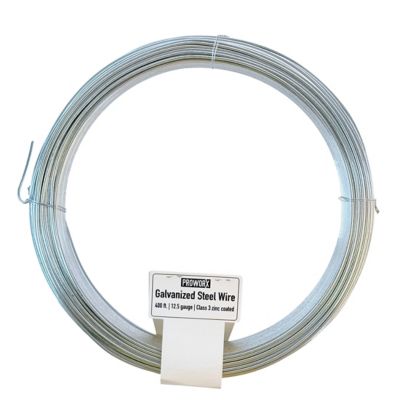
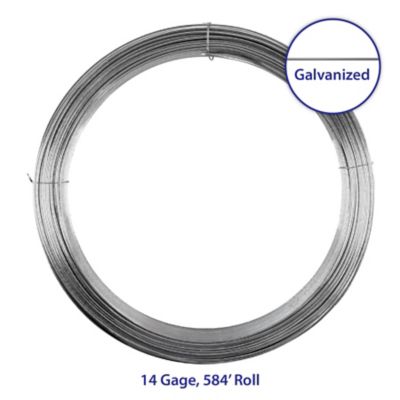
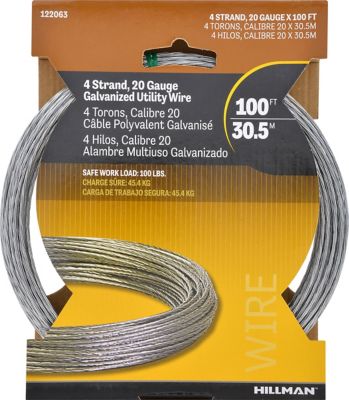
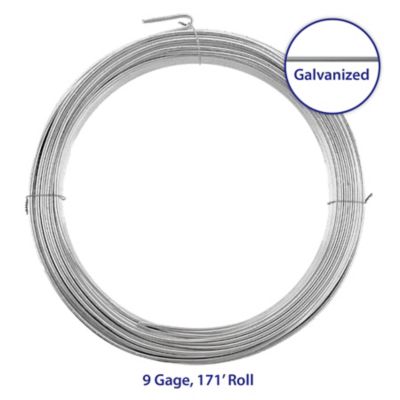
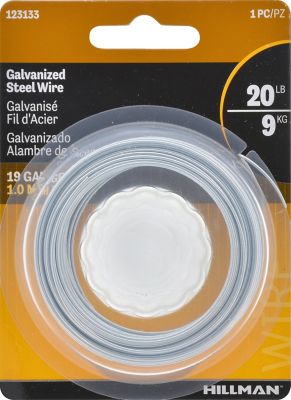
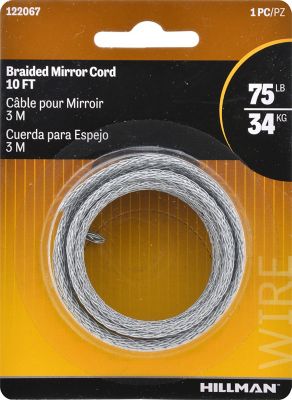
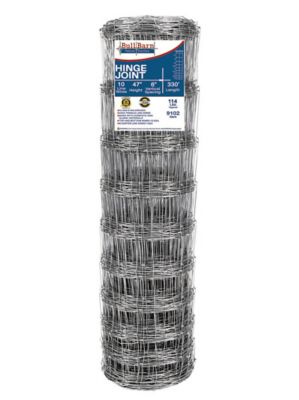
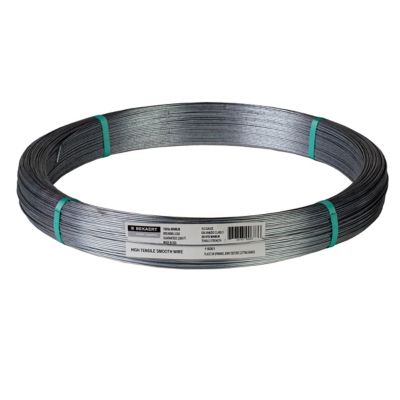
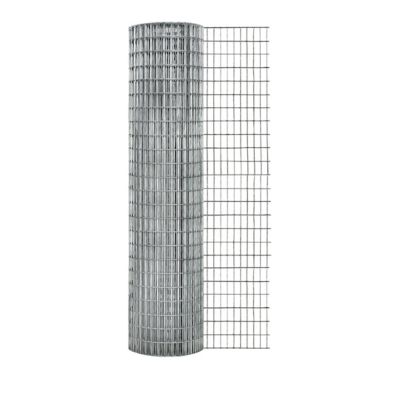
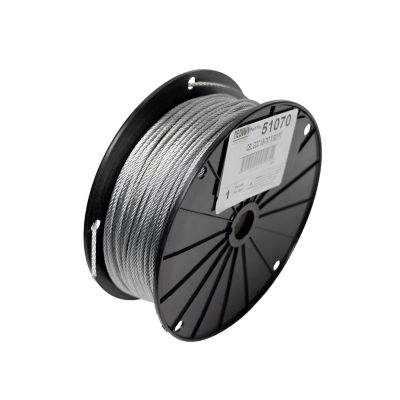
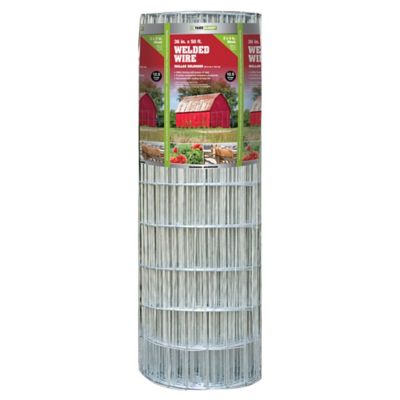
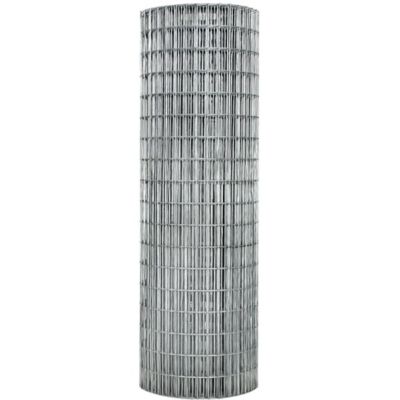
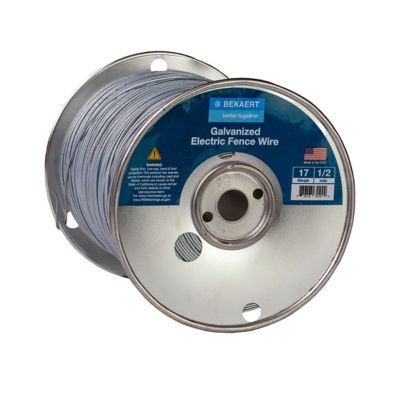
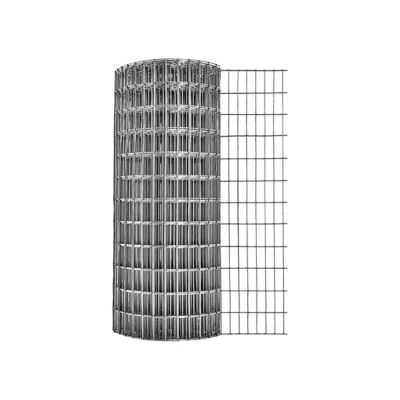
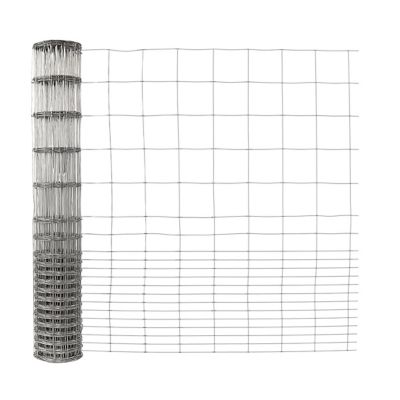
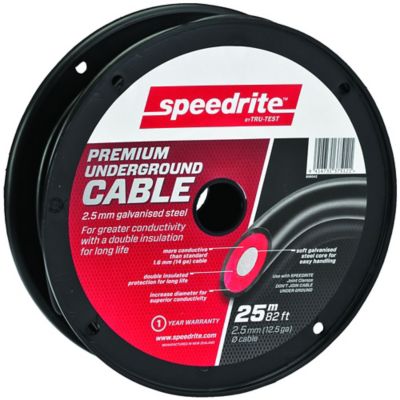
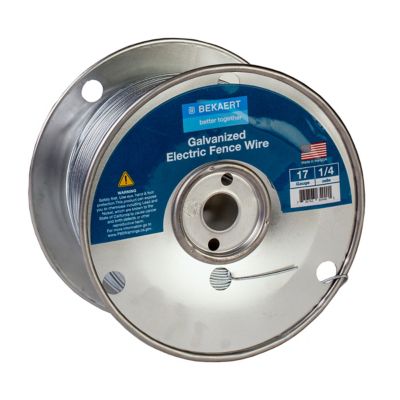
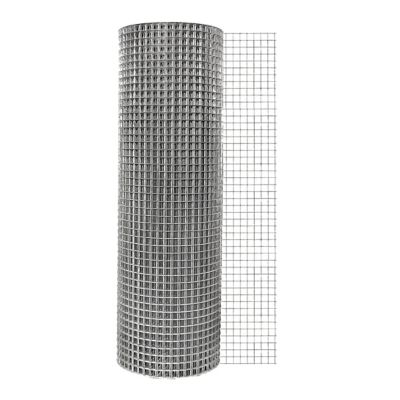
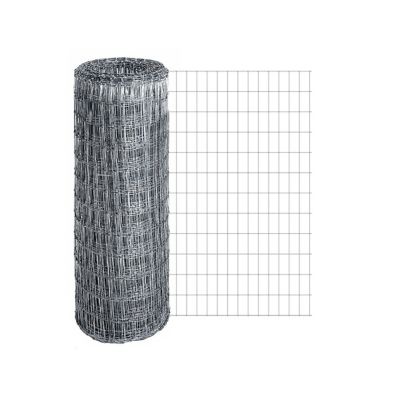
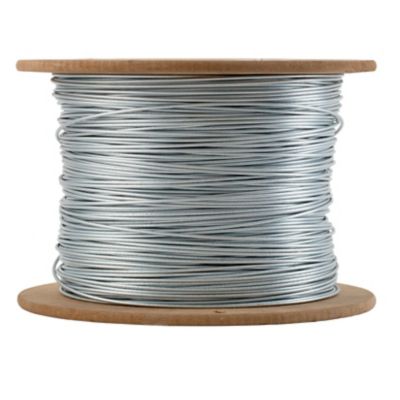
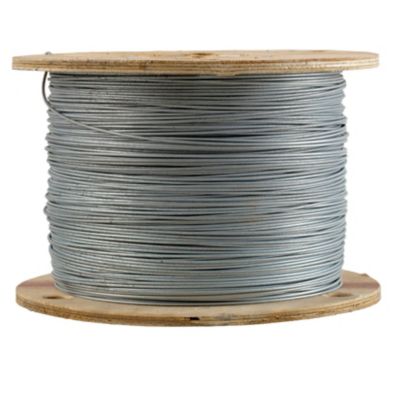
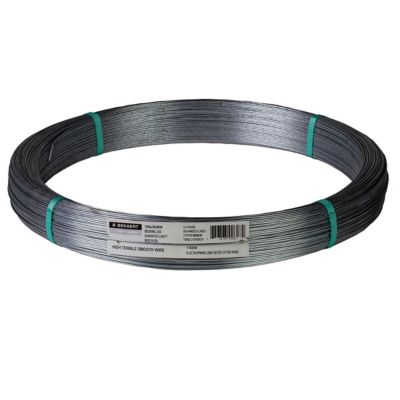
Galvanized wire is steel wire coated with a protective layer of zinc to help resist rust and corrosion. That combination gives it the strength of a steel core with a surface better suited to moisture exposure than bare steel. Around a farm, garden or workshop, galvanized wires serve a wide range of purposes, from securing fencing and tying supports to fastening wire mesh and making light repairs. The zinc coating does more than separate the steel from its surroundings: it can also provide sacrificial protection, meaning the zinc corrodes before the underlying steel. That protection has limits, though, especially where the coating is deeply scratched, worn away or exposed to harsh chemicals. Galvanizing methods matter, too. Hot-dip galvanizing coats wire by passing it through molten zinc, while electrogalvanizing applies zinc through an electrical process. Hot-dip coatings are often heavier, but the stated coating weight and intended application offer a better basis for comparison than appearance alone. A bright finish does not automatically mean stronger wire, and a dull gray surface does not necessarily mean the coating has failed. The steel beneath the zinc also varies in strength and flexibility, which affects how readily the wire bends, holds tension or keeps its shape. Soft, bendable wire suits tying and wrapping tasks, while stiffer wire may better suit applications that call for a straighter span or firmer support. For a gardener fastening mesh to a frame, easy handling may matter most. For a landowner maintaining a fence line, tensile strength, coating protection and compatibility with the existing fence carry more weight. Galvanized wire is not a single-purpose material, and choosing it by the job rather than by looks helps keep a small repair from becoming a repeat chore. The best fit balances the wire’s diameter, construction, surface protection and working characteristics with the demands of the setting.
Wire gauge is one of the first details worth comparing, but it tells only part of the story. Within the same gauge system, a lower number generally means a thicker wire. Because gauge conventions can differ, the listed diameter in inches offers a clearer comparison across materials and applications. Thicker wire generally takes more effort to bend and cut, while thinner wire is easier to wrap around a support or thread through small openings. Neither characteristic makes one size right for every task. A wire that is easy to twist by hand may not have the strength a tensioned fence requires, and a heavy wire can be awkward for delicate fastening work. Tensile strength, breaking strength and working load are separate considerations; a breaking-strength figure should never be treated as a safe working-load rating. Coil length matters as well, particularly when a job involves long runs, repeated ties or enough extra material for corners and terminations. For a fence repair or a new enclosure, comparing
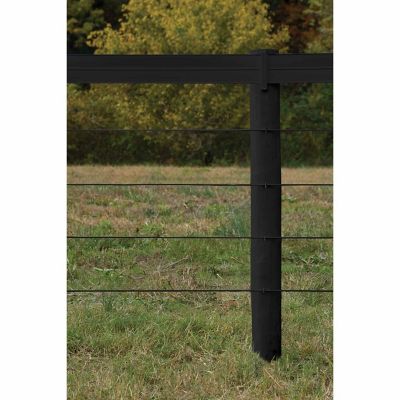
Fence Wires means looking beyond diameter to the animals involved, the fence layout and the supporting hardware. Wire suitable for a property boundary is not automatically suitable for containing every kind of livestock. Animal size, behavior and the chance of contact all affect the appropriate fence design. Posts, braces, tensioners and fasteners must work together with the wire rather than leave it carrying demands the system cannot support. High-tensile wire, for example, calls for compatible hardware and properly braced assemblies. Wire intended for an electric fence also needs to match the fence system’s specifications; a zinc coating alone does not establish suitability. In the garden, the same attention to fit applies on a smaller scale. Mesh openings, support spacing and attachment points influence whether a wire connection holds neatly without crushing a stem, damaging a frame or leaving a loose end where someone might brush against it.
Good handling and routine care help galvanized wires keep doing their job. Zinc resists corrosion, but galvanized steel is not rustproof, and constant dampness, salt exposure or contact with certain fertilizers and other chemicals can shorten its service life. Soil contact can also affect performance, so a wire intended for aboveground fastening should not automatically be treated as suitable for burial. Compatibility with nearby metals deserves attention, especially where dissimilar metals stay wet together and may encourage galvanic corrosion. Manufacturer recommendations are the best reference for matching wire, fasteners and supports. For everyday storage, a dry spot off the ground helps keep a coil away from standing water and chemical spills. Keeping the coil contained also prevents tangles and loose loops that can snag boots or equipment. During handling, gloves and eye protection matter because cut ends can be sharp and tightly wound wire can spring back when released. Cutters sized for the wire reduce unnecessary struggling, while pliers suited to gripping and bending help keep attachments controlled. At the finished connection, exposed tails should be positioned so they do not catch clothing, scratch hands or create a contact point for animals. Periodic checks can reveal loose ties, rubbing at attachment points, damaged coatings or rust before a small issue spreads along a connection. Cleaning away debris and addressing the source of repeated abrasion often matters as much as replacing a damaged section. Galvanized wire also has limits beyond corrosion resistance: general-purpose fastening wire should not substitute for rated lifting gear, load-bearing cable or an approved structural connection. Nor should ordinary galvanized wire be assumed safe for direct food contact or animal chewing without application-specific guidance. For property owners, gardeners and people keeping a working place in order, the appeal is practical: a material that can secure, support and connect in many settings, provided its strength, coating and intended use match the work at hand.