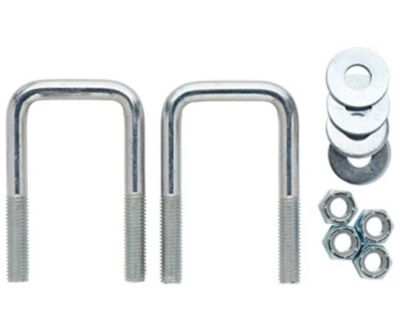
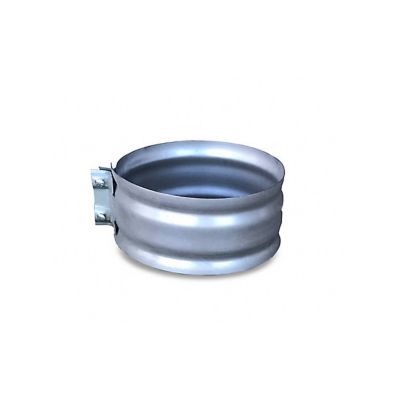
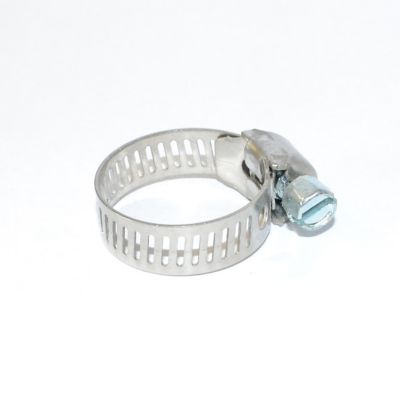
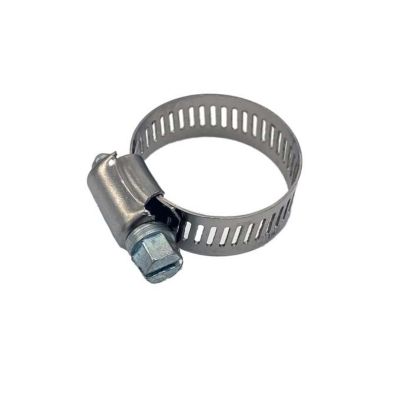
Steel cable clamps, also called wire rope clips, are handy pieces of hardware for making a secure eye or loop at the end of steel cable. A typical clamp includes a U-shaped bolt, a saddle, and two nuts. The cable is passed through or around the desired anchor point, then brought back alongside itself to form the eye. The clamp is placed over the doubled cable and tightened so the saddle presses against the load-bearing section. This setup is useful around the farm, ranch, workshop, jobsite, and home property for tasks such as creating safety lines, securing fence gates, anchoring posts, hanging banners, supporting laundry lines, and fastening gym or shop equipment. When you are comparing steel cable clamps, start with the cable diameter and choose a clamp made to fit it properly. A clamp that is too small may not seat correctly, while one that is too large may not apply even pressure across the cable. Also check the clamp’s material and finish, especially when it will be exposed to rain, mud, livestock areas, road spray, or changing temperatures. Zinc-plated and other corrosion-resistant finishes can be useful for general outdoor work, while demanding applications may call for hardware specified for heavier loads or harsher surroundings. Look for clearly stated size, load, and installation information, and match every part of the connection—including the cable, eye, anchor point, and clamps—to the job. Farmers, fence builders, welders, maintenance crews, landscapers, campers, and hands-on homeowners often keep several sizes in a hardware drawer because cable projects rarely seem to come up when the store is close by. They can also make a practical gift for someone setting up a new shop, restoring a trailer, building a small livestock area, or spending weekends improving a country property. For projects that use threaded U-shaped hardware for mounting or anchoring, you may also want to browse
U Bolt Clamps to compare available options for the task at hand.
A proper connection depends just as much on installation as on the clamp itself. For a cable eye, place the U-bolt over the short, unused end of the cable—the dead end—and put the saddle against the long, load-bearing side. The old shop reminder is simple: never saddle a dead horse. In other words, the saddle belongs on the live end, where the load travels, while the U-bolt belongs on the dead end. Form the eye to the size needed for the shackle, hook, post, or other anchor, leaving enough room for the hardware to move without sharply bending the cable. For load-bearing work, use the number of clamps, spacing, and torque called for by the manufacturer; many standard wire-rope terminations require at least three clamps, with the first clamp set about one saddle length from the dead end and the remaining clamps spaced evenly along the termination. Tighten the two nuts gradually and alternate between them so the saddle comes down level instead of cocking to one side. A torque wrench is a smart choice when the connection supports people, equipment, animals, overhead items, or anything that could cause injury or property damage. Avoid overtightening, which can crush or kink the cable, damage individual wires, and shorten the life of the connection. Before putting the setup under load, inspect the cable for broken wires, flattening, rust, bird-caging, sharp bends, or other damage, and make sure the clamp hardware is seated squarely and the nuts are fully engaged. Recheck the connection after the first load and inspect it from time to time, particularly after vibration, heavy weather, repeated movement, or seasonal changes in outdoor conditions. Steel cable clamps are not a substitute for rated lifting equipment or professional engineering, and they should not be used for overhead lifting, fall protection, or other critical applications unless the complete system has been selected and installed to the applicable requirements. Used with the right cable and anchor hardware, carefully sized clamps can help turn a loose length of wire rope into a tidy, dependable connection for everyday work around the homestead, shop, trailer, garden, or jobsite.