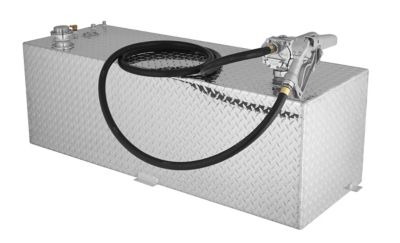
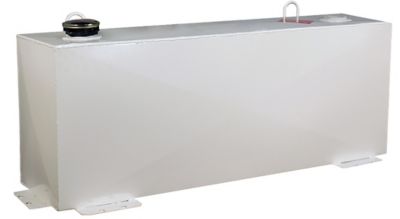
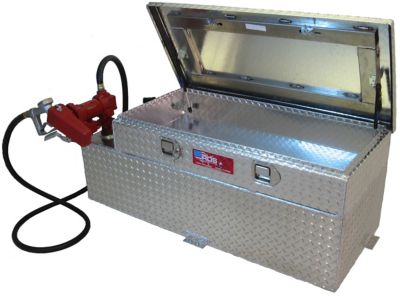
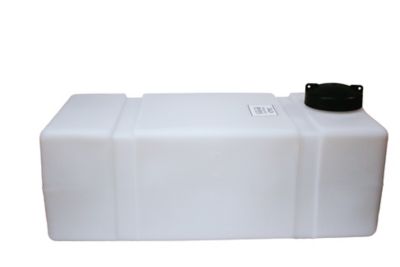
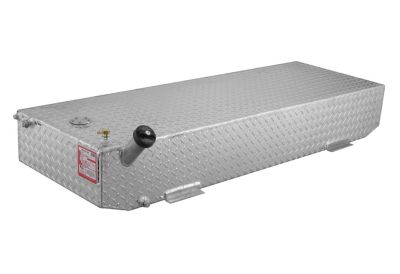
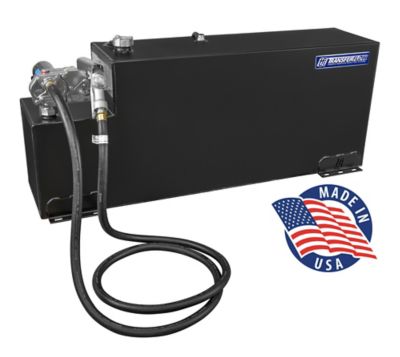
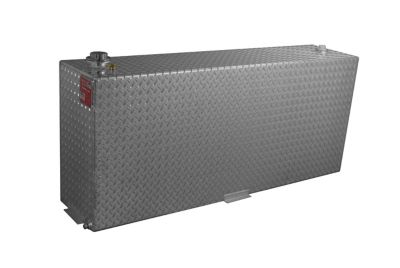
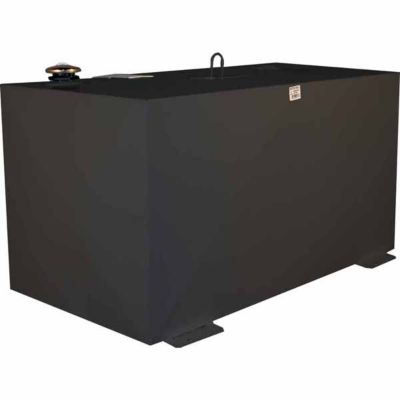
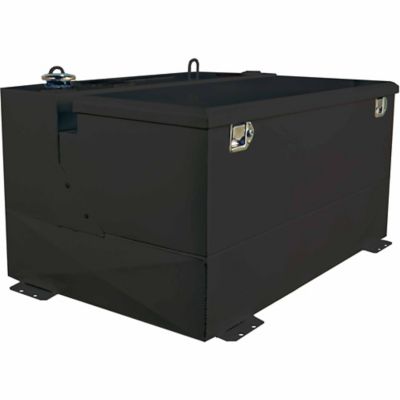
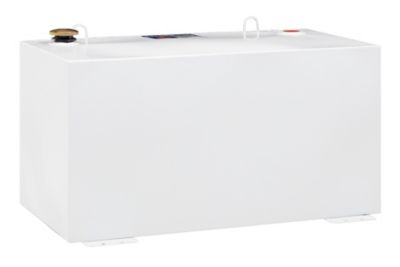
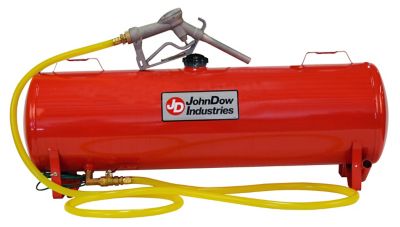
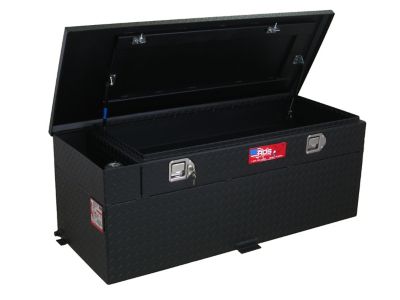
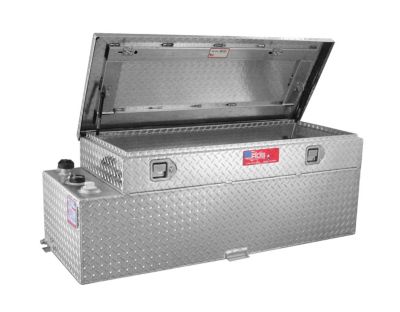
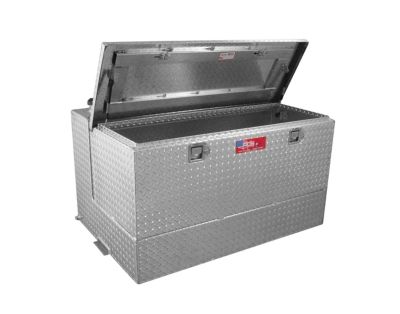
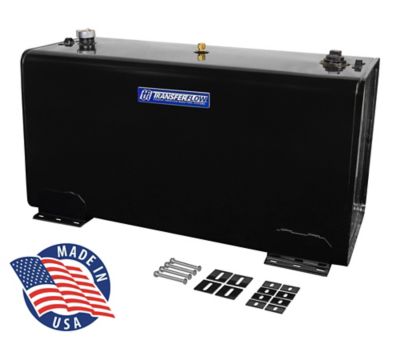
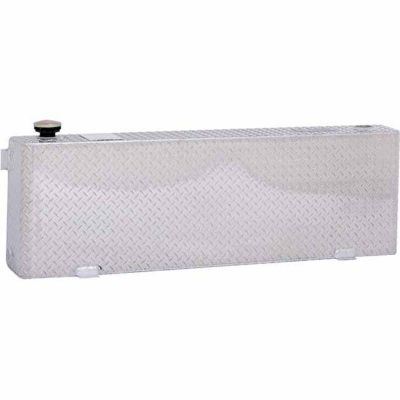
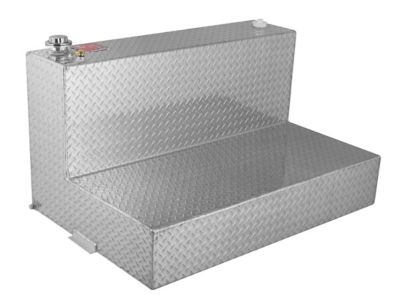
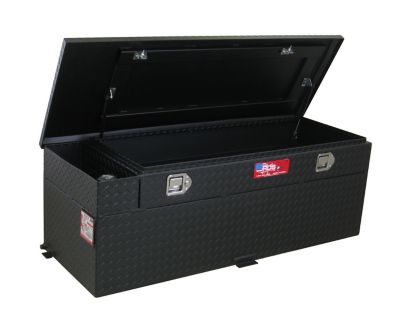
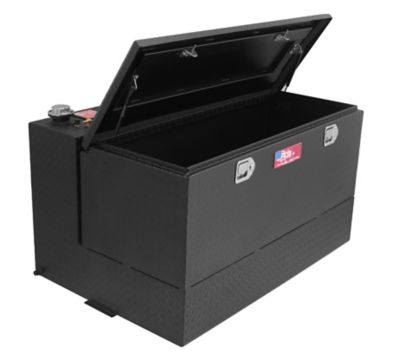
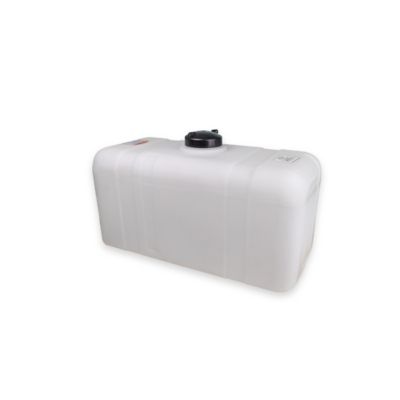
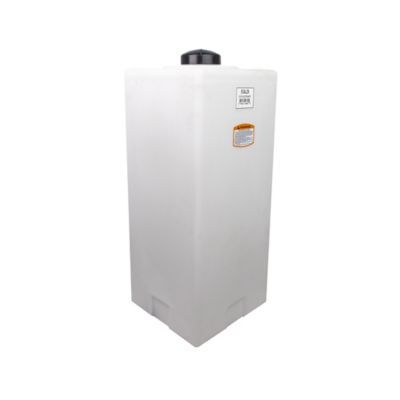
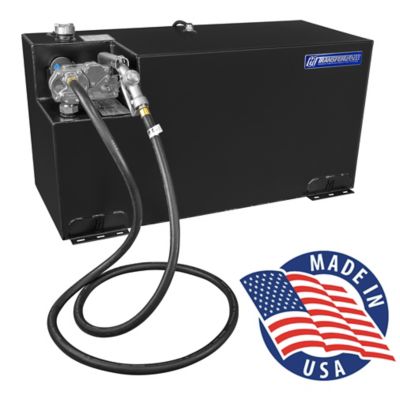
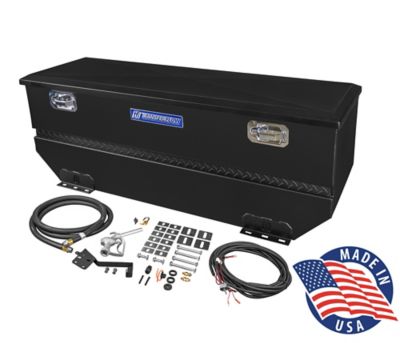
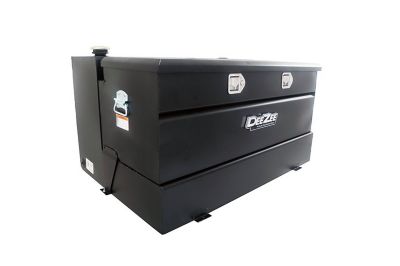
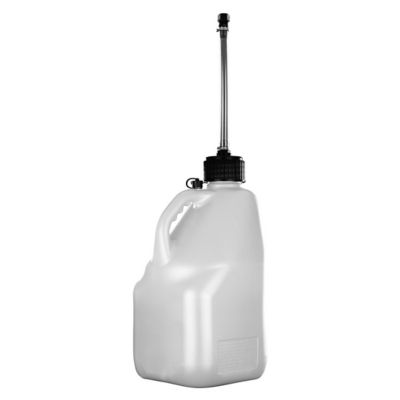
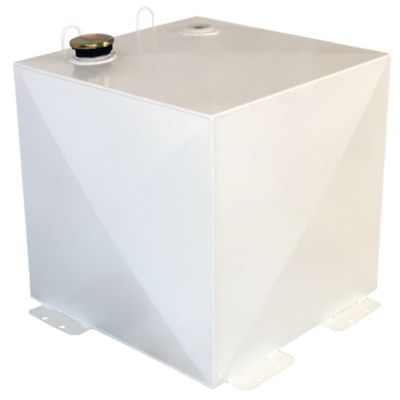
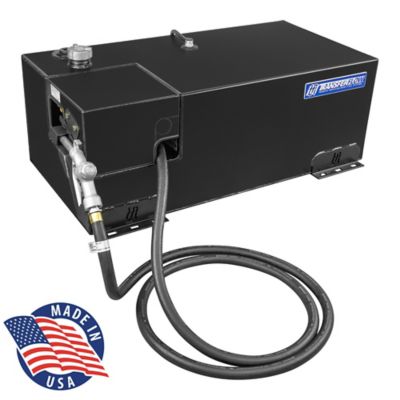
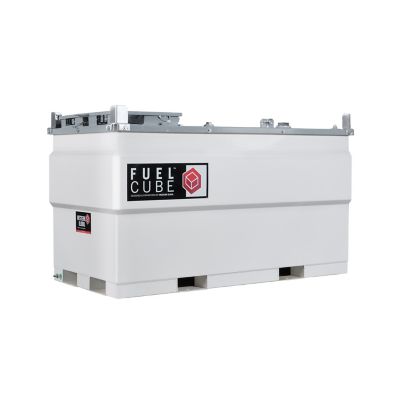
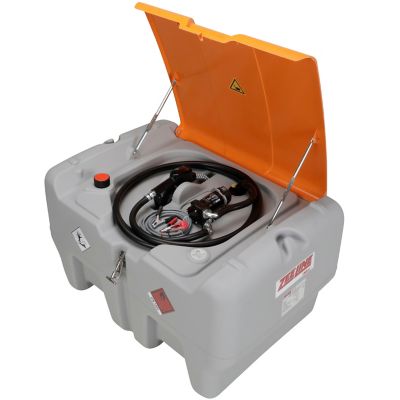
Fuel tanks for trucks give farmers, ranchers, contractors, landscapers and outdoor workers a practical way to carry more fuel and spend less time making trips into town. The right setup can help keep a diesel pickup ready for a long day at the hayfield, a work truck moving between job sites or a service vehicle running equipment in places where the nearest fuel pump is a long way down the road. Truck fuel tanks are available in several common configurations, including factory-style replacement tanks, in-bed auxiliary tanks and transfer tanks designed for refueling equipment. A replacement fuel tank takes the place of the original tank and can provide greater capacity while keeping the truck bed open for feed, tools, fencing supplies or a full load of firewood. An auxiliary tank generally works alongside the factory tank to extend driving range, while a transfer tank is carried in the bed for moving fuel to approved equipment such as tractors, generators, compact loaders and utility vehicles. Combination tanks with a storage compartment can add a lockable place for hoses, gloves, hand tools and other jobsite essentials without giving up the convenience of having extra fuel close at hand. For shoppers who need a direct-fit option, explore
Replacement Fuel Tanks and compare the available fitments for the truck being used.
Before choosing among fuel tanks for trucks, start with the year, make, model, engine type and cab or bed configuration of the vehicle. A tank that fits one pickup may not clear the frame, exhaust, suspension or spare-tire area on another, even when the trucks look nearly identical from the outside. Capacity matters, too. A smaller tank may be a sensible choice for occasional work and leave room for other cargo, while a larger tank can make a real difference for rural routes, remote properties and equipment hauling. Keep the loaded weight in mind: fuel is heavy, and the tank, mounting hardware and anything else in the bed all count toward the truck’s payload rating. Check the owner’s manual and vehicle specifications before adding a full tank, especially on lighter-duty pickups. In-bed tanks also take up valuable cargo space, so measure the bed length, width between the wheel wells and available height before ordering. Material is another important consideration. Cross-linked polyethylene tanks are lightweight and resist rust, making them a useful choice where exposure to moisture, road salt and changing temperatures is a concern. Aluminum and aluminized steel tanks offer a rigid, sturdy construction and are often chosen for work trucks that see regular use. Weld quality, mounting points, baffles that help control fuel movement, a secure cap and a properly designed vent all contribute to dependable performance. Look for tanks built and labeled for their intended fuel and use, and pay close attention to applicable Department of Transportation requirements for auxiliary and transfer tanks, including rules related to venting, construction, mounting and drop testing. A tank should be installed according to its instructions, secured so it cannot shift under braking or on rough gravel roads, and connected only with compatible lines, fittings and equipment.
These truck fuel tanks are useful for more than long highway trips. A cattle producer may use extra capacity while checking distant pastures, a crop grower may keep a truck ready during planting or harvest, and a fencing crew may refuel tools and equipment without sending someone away from the property. They can also be handy during the cooler months, when shorter daylight and muddy or icy roads make repeated fuel runs less appealing. On a remote build, a well-planned transfer setup can help keep a generator, skid steer or light tower working through the day, while a lockable toolbox section keeps small supplies from rolling around in the bed. For someone who spends weekends maintaining acreage, hauling firewood or caring for hunting and recreational equipment, a truck tank can be a practical gift that gets put to work instead of sitting on a shelf. It is also a thoughtful choice for a new truck owner, a family member taking on farm responsibilities or a neighbor who is always lending a hand with chores and repairs. Safe use deserves the same attention as capacity and convenience. Use only the fuel specified for the tank, keep caps and vents in good condition, inspect hoses and fittings for wear, and watch for leaks, dents or loose hardware. Fuel should be kept away from open flames, sparks and hot exhaust components, and refueling should be done outdoors in a well-ventilated area with the engine and equipment shut off. Never overload the truck, carry fuel in an unapproved container or assume that a tank is suitable for transferring fuel simply because it fits in the bed. With the right capacity, construction and fit, fuel tanks for trucks can make everyday work smoother, reduce unnecessary trips and help keep rural equipment ready when the job is waiting.