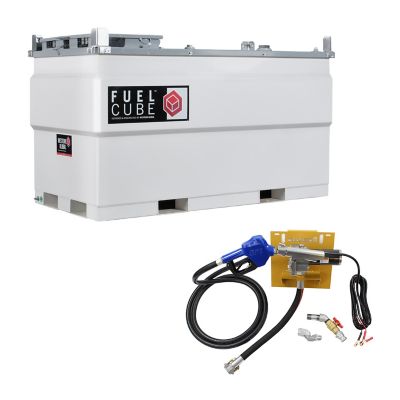
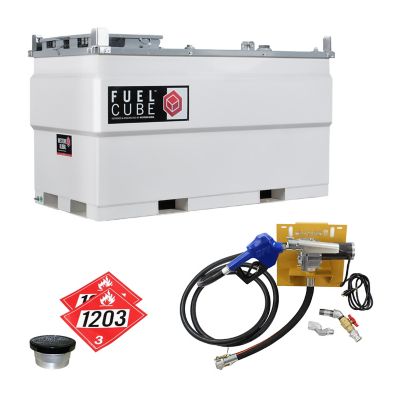
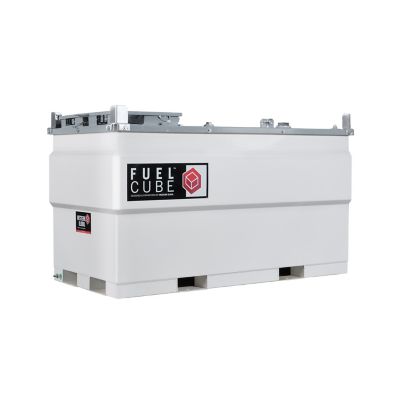
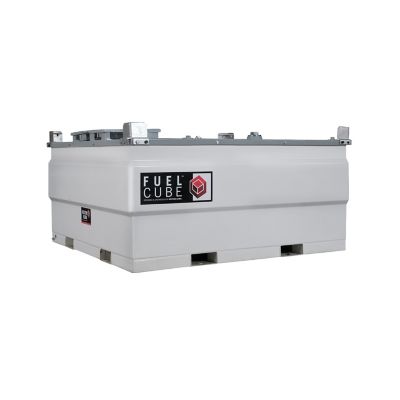
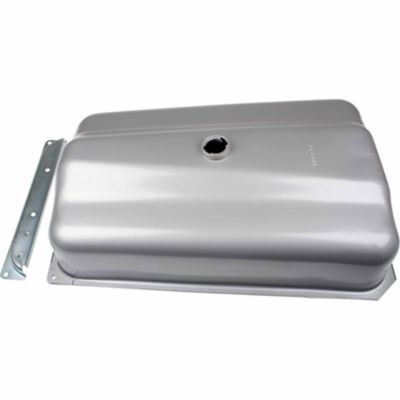
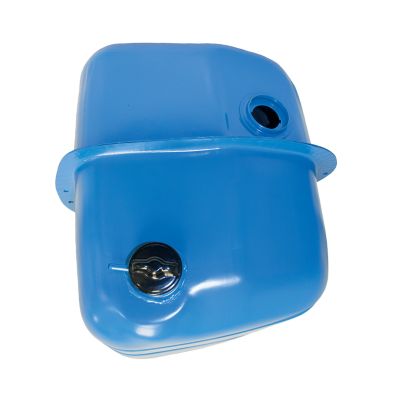
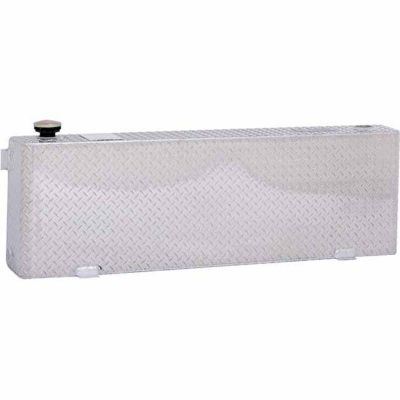
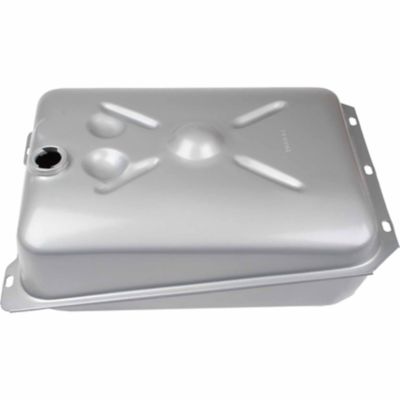
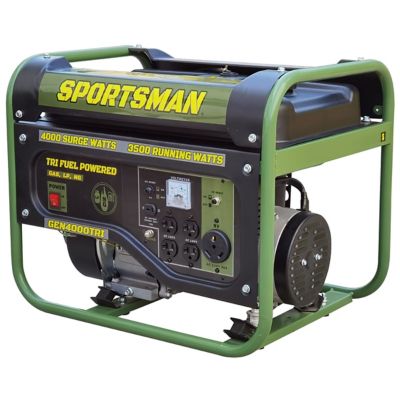
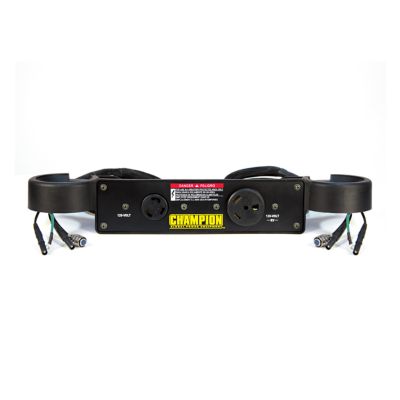
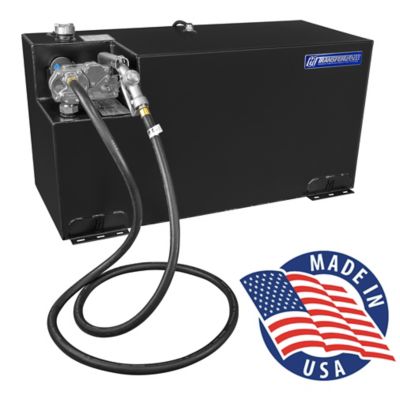
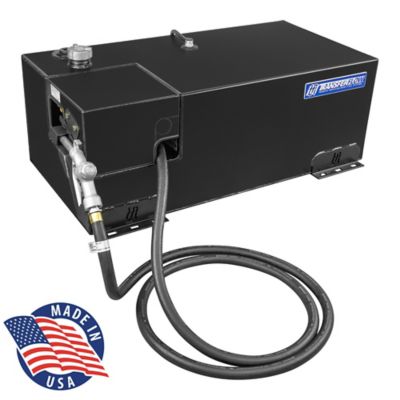
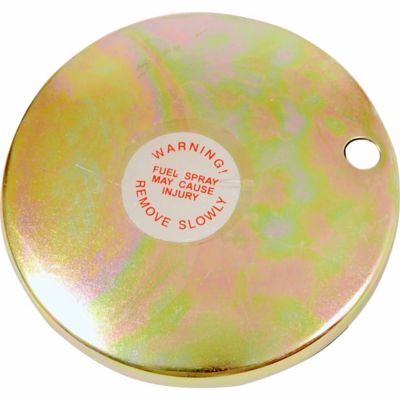
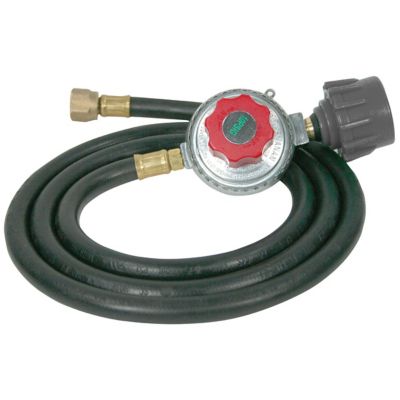
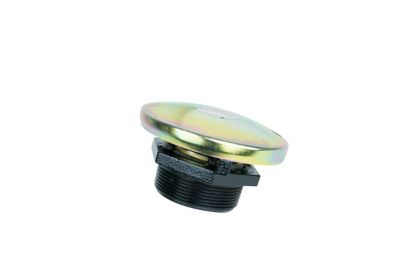
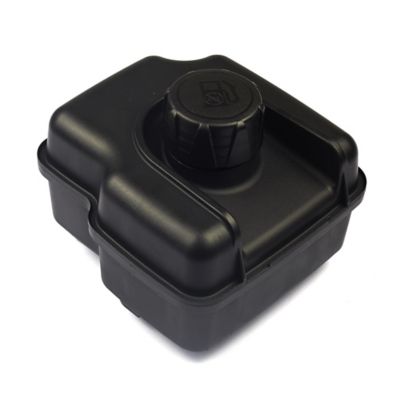
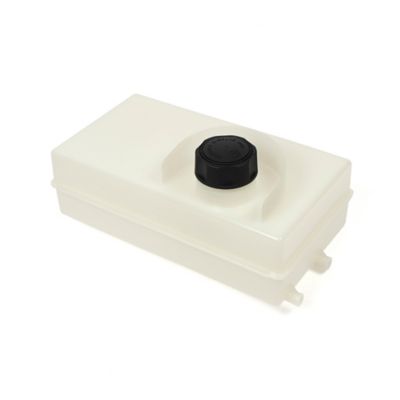
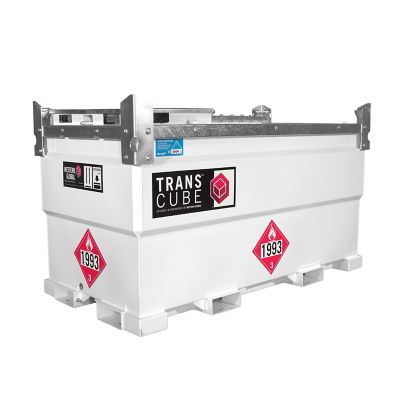
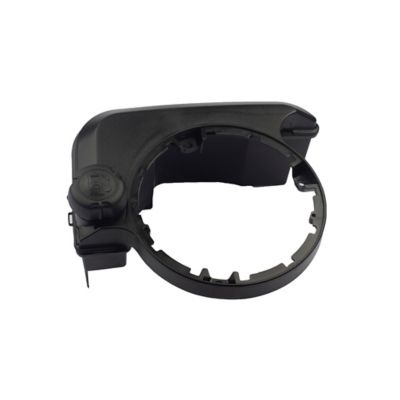
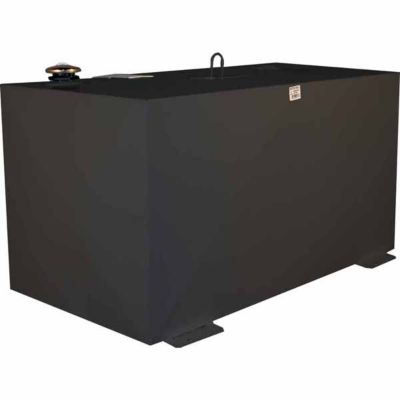
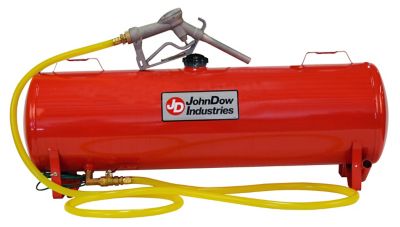
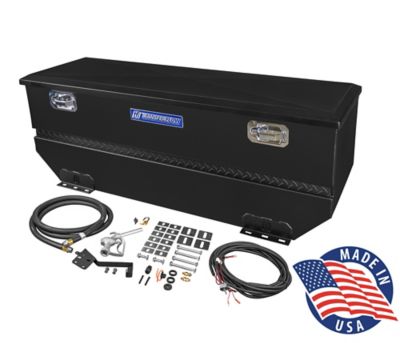
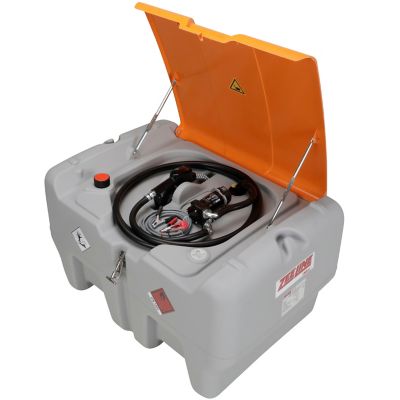
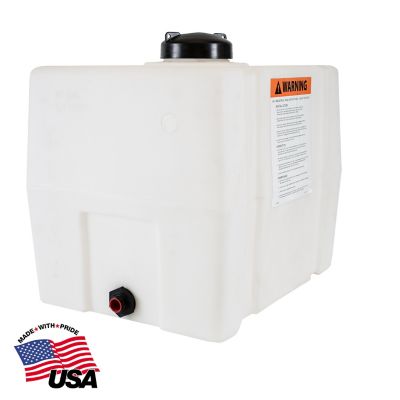
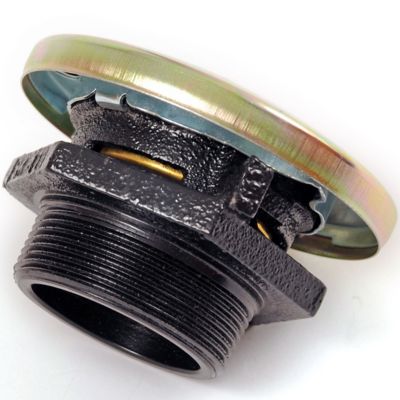
Fuel tanks for generators help keep backup power ready when an outage stretches longer than the fuel in a standard built-in tank. They can be useful for rural homes, farms, workshops, hunting cabins, food plots, job sites, and small businesses that depend on steady electricity for lights, refrigerators, well pumps, heaters, tools, or livestock equipment. The right tank depends first on the generator it will serve and the way you plan to use it. Before choosing a replacement or auxiliary tank, find the generator’s make, model, fuel type, wattage rating, connection requirements, and approved fuel capacity. A compact portable generator may use a small metal or plastic reservoir in the familiar 5- to 8-gallon range, while a larger standby or commercial unit may call for a much bigger above-ground, sub-base, or day tank arrangement. Capacity affects runtime, but it does not automatically make one tank a good fit for every setup. A larger tank can reduce the number of refueling trips during a long outage, yet it also adds weight, takes up more room, and may require a stronger base, longer fuel lines, additional fittings, or local approval. Look for a tank designed for the fuel your generator uses, whether gasoline, diesel, propane, or another approved fuel, and never assume that a tank made for one fuel can be safely used with another. Generator fuel systems vary, so checking the owner’s manual and matching the inlet, outlet, vent, shutoff, cap, gauge, and mounting points is an important part of the purchase. A direct replacement should closely match the original tank’s dimensions and fittings. An extended-run auxiliary setup should be compatible with the generator and any approved transfer or fuel-delivery components. When the wind is cutting across the pasture and the lights blink out after an ice storm, having a properly matched fuel supply can make a difficult night much easier, but the setup needs to be planned before the weather turns rough.
Runtime is one of the main reasons shoppers compare fuel tanks for generators. A generator’s fuel use changes with the electrical load, engine size, fuel type, temperature, and overall condition, so advertised runtime is best treated as an estimate rather than a promise. A lightly loaded unit may run much longer than one powering a well pump, freezer, space heater, and tools at the same time. Check the tank’s usable capacity and the generator’s fuel-consumption information, then consider how often you are willing and able to refuel. For a weekend project, a smaller replacement reservoir may be all that is needed. For a farm or property where a generator may run through several nights, a larger approved tank or extended-run arrangement can help limit trips outside in the dark and cold. Pay attention to construction as well as size. Steel tanks can offer a sturdy choice for demanding work, while other materials may be selected for weight, corrosion resistance, or a particular installation. A fuel gauge makes it easier to keep an eye on the supply, and a secure cap, reliable shutoff, protected fittings, and a properly designed vent can help support safer operation. Mounting hardware and fuel lines should be sized for the application and kept away from hot engine parts, moving components, sharp edges, standing water, and areas where vehicles or livestock could cause damage. Keep the tank level and stable on a suitable surface, allow room for inspection and refueling, and follow all clearance instructions from the generator and tank manufacturers. Fuel should be stored only in approved containers and in a cool, dry, well-ventilated location away from flames, sparks, electrical equipment, children, and animals. Never refuel a hot or running generator, and never use a generator or fuel tank inside a home, garage, barn, shed, basement, or other enclosed space where carbon monoxide or fuel vapors can build up. Local fire codes, permitting rules, setback requirements, and insurance guidelines may apply, especially for larger stationary tanks or permanent installations.
Choosing a tank is also about fitting the equipment into the rhythm of your property. Homeowners may use one during power failures to protect groceries, keep a sump pump working, or maintain basic heat and lighting. Farmers and ranchers may need dependable fuel on hand for gates, cameras, milking equipment, irrigation controls, freezers, or well systems when utility service is interrupted. Contractors and landowners may use portable generators and auxiliary tanks at remote job sites where a fuel run can take valuable time. A well-planned setup can also be a thoughtful gift for someone who manages acreage, maintains a cabin, prepares for severe weather, or spends long days working away from town; it is the sort of practical equipment that earns its keep when the road is muddy and the nearest fuel stop is a long drive. For higher-output equipment and demanding backup applications, shoppers can also explore
Heavy Duty Generators while comparing the tank capacity and fuel-delivery needs of the complete system. As cooler weather settles in and storms bring wind, heavy rain, or ice, inspect the tank, cap, vent, lines, clamps, and mounting points before they are needed. Check for rust, dents, seepage, brittle hoses, loose connections, and stale fuel, and run the generator according to the manufacturer’s maintenance schedule. Keep a written note of the fuel type, tank capacity, expected runtime, and shutoff procedure near the equipment so anyone helping during an outage can understand the setup. The best fuel tank is not simply the largest option available; it is the correctly matched, safely installed, easy-to-monitor choice that gives your generator a dependable supply without creating extra hassle around the house, farm, or job site.