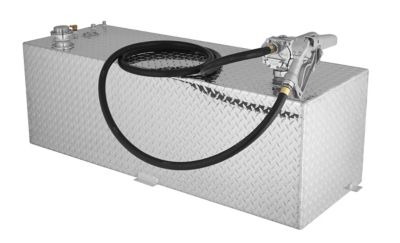
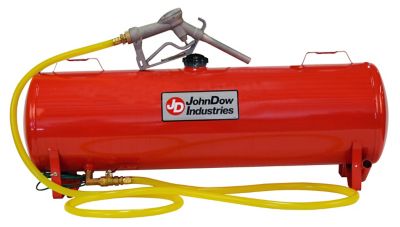
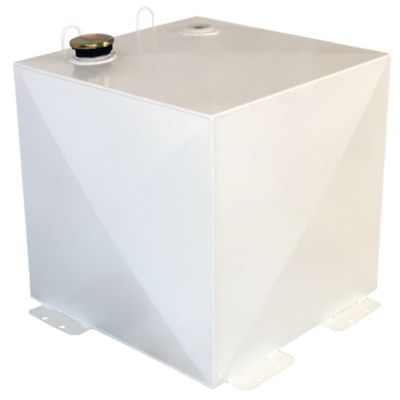
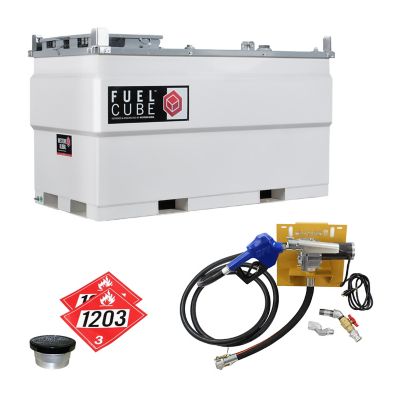
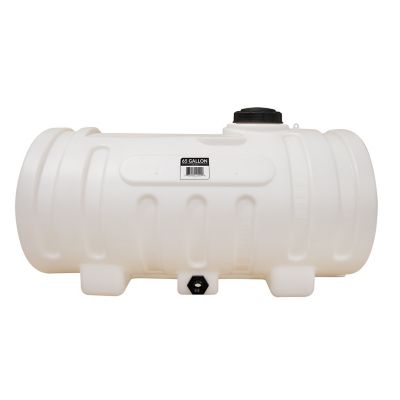
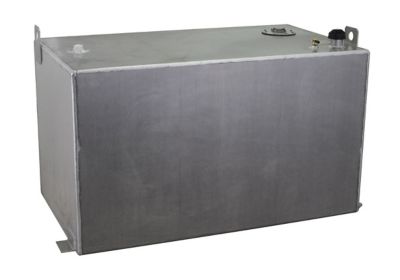
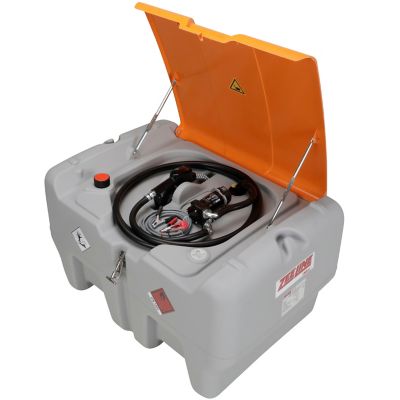
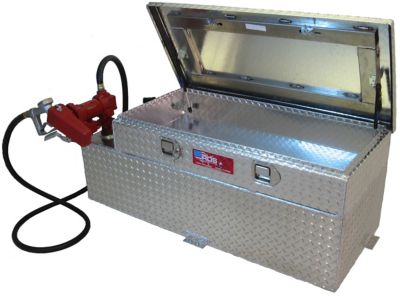
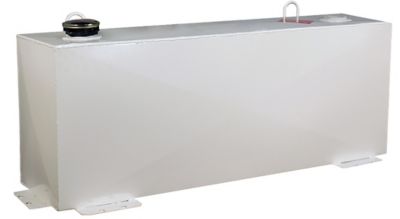
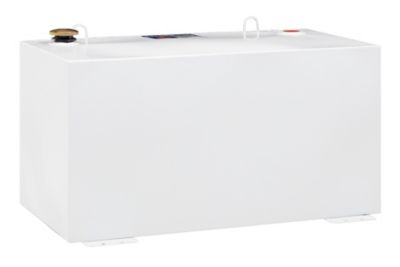
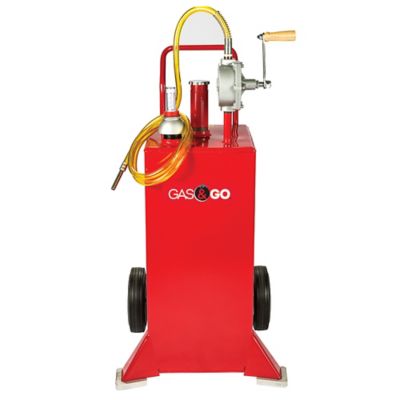
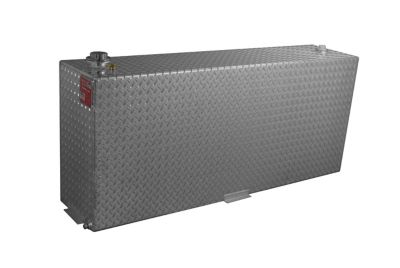
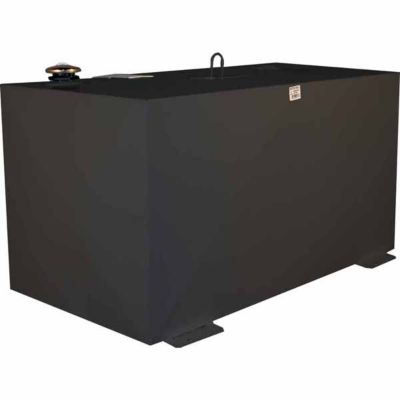
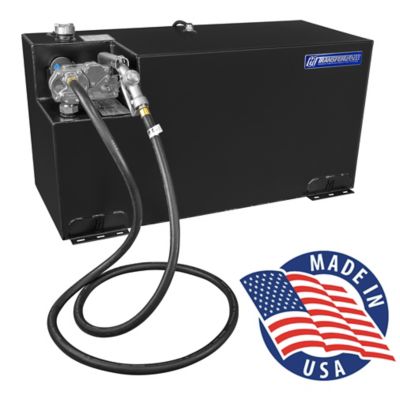
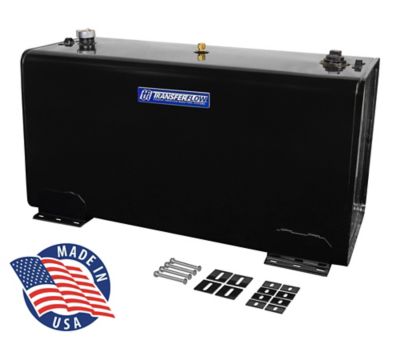
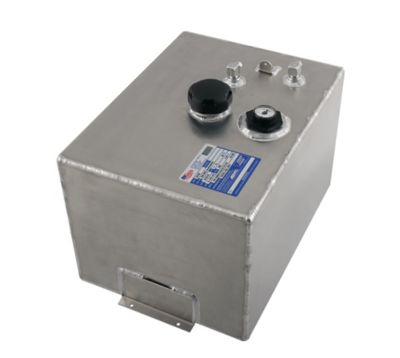
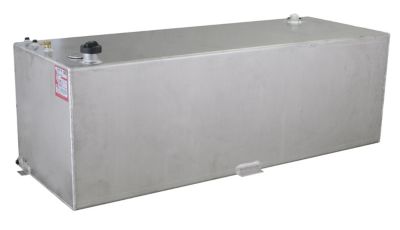
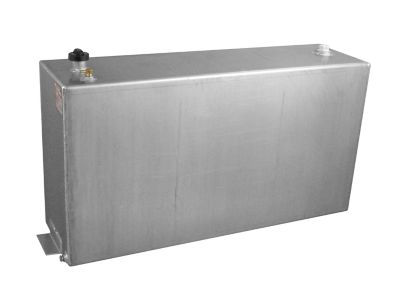
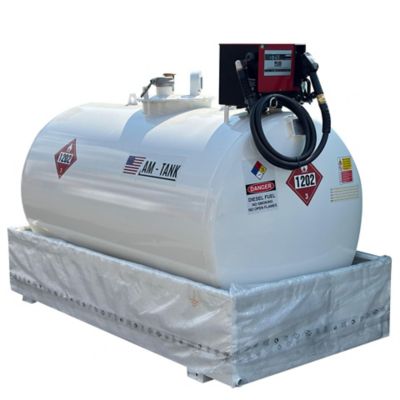
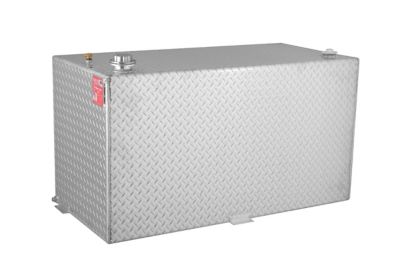
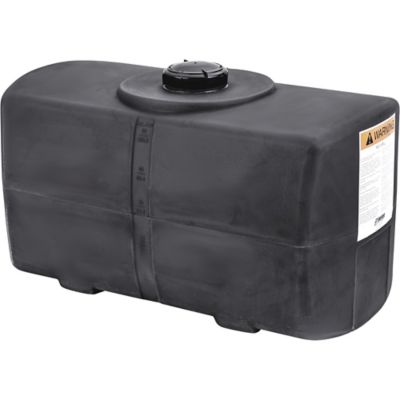
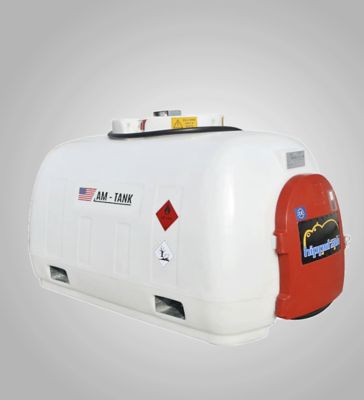
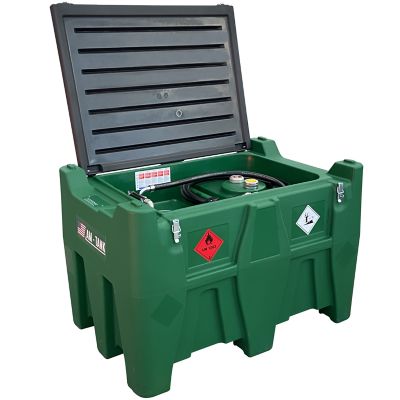
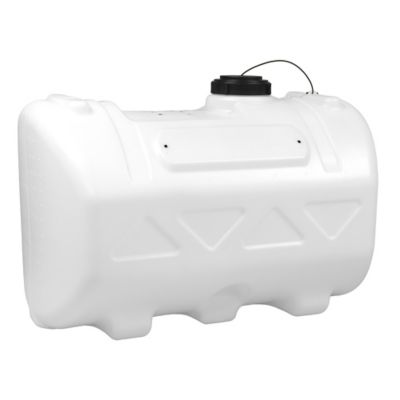
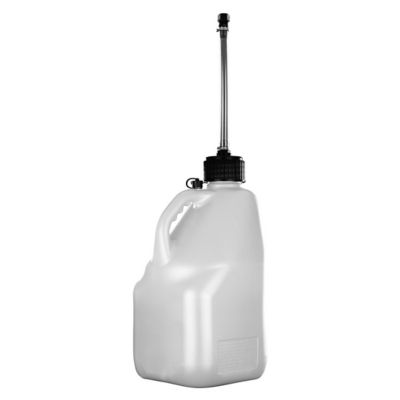
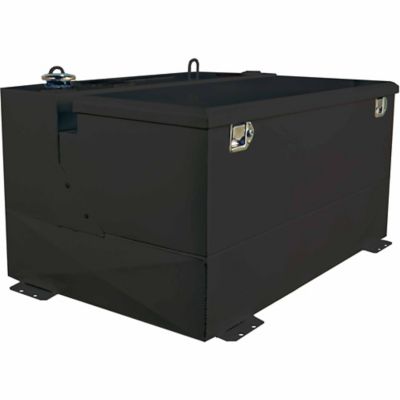
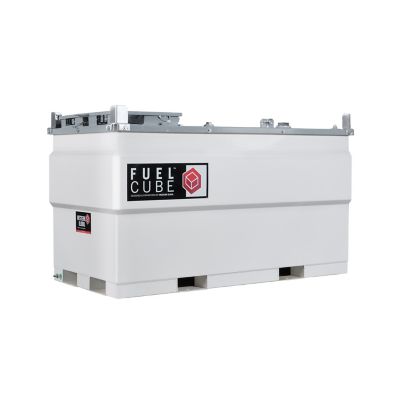
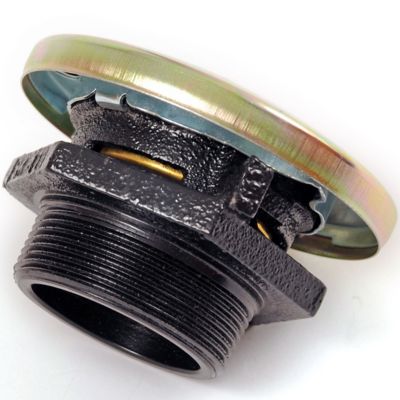
Farm fuel tanks provide on-site storage and dispensing for the fuel that keeps tractors, loaders, generators and other farm equipment working. Having a designated fueling spot near the equipment shed can cut down on trips off the property and make a busy workday easier to manage. For a livestock operation, that might mean filling the loader before moving feed; for a hay grower, it can mean keeping equipment close to the field instead of driving back to a service station. The main categories include stationary storage tanks, skid-mounted tanks, elevated gravity-feed tanks and mobile transfer tanks. Stationary tanks serve a fixed fueling area, while skid-mounted designs provide a supporting base for installations permitted by the manufacturer. Elevated tanks rely on a properly engineered stand and gravity to move fuel through an approved dispensing setup. Mobile transfer tanks are intended for compatible vehicles and approved transport applications, bringing fuel closer to equipment working along a fence line or across a spread-out property. Capacity varies widely, from smaller transfer tanks measured in tens of gallons to stationary systems holding hundreds or thousands of gallons. The right capacity reflects how much fuel the operation consumes, how often deliveries happen and how quickly stored fuel moves through the tank. Steel is common in farm storage tanks because it provides a strong shell, while aluminum appears in some transfer-tank designs where tank weight matters. Welded seams, protective finishes, mounting points and the construction around openings all contribute to service life. Tank shape matters, too: a rectangular transfer tank takes up truck-bed space differently than a horizontal cylindrical storage tank. Diesel and gasoline require tanks and dispensing equipment specifically approved for the intended fuel; a tank marked for diesel should never be assumed suitable for gasoline. Other agricultural fuels also require explicit compatibility. Clear fuel identification helps keep the tractor’s diesel separate from gasoline intended for compatible small engines, especially when several people share the fueling area.
A farm fuel tank needs to fit the property as well as the workload. Its footprint includes more than the tank itself: delivery access, hose reach, equipment turning room and space for inspection all affect how the fueling area functions. A tractor should be able to pull alongside without blocking a gate, crowding a building entrance or stretching a hose across a busy lane. Stationary installations need a stable supporting surface suited to the full tank’s weight, with placement and separation distances that meet applicable requirements. Elevated setups also depend on the correct stand, anchoring and manufacturer-approved installation; an improvised platform is no substitute for a rated support system. Single-wall tanks have one fuel-holding shell and may require separate secondary containment, while double-wall tanks incorporate an additional outer barrier designed to contain leakage from the inner tank. Neither construction automatically satisfies every rule. Local fire codes, environmental requirements, fuel type, tank capacity and site conditions determine the containment and installation provisions that apply. Pumps and dispensing components are another important part of the setup. Electric systems need a compatible power source, whether that is vehicle power or an approved fixed electrical connection. Gravity-fed systems depend on a suitable tank arrangement and dispensing controls. Pump flow should suit the equipment being filled rather than simply favoring the fastest rate; a small filler opening calls for more control than a large equipment tank. Hose length, nozzle compatibility and fuel-rated seals help connect the storage tank to the machine without awkward positioning. Filters can help manage particles, and water-separating equipment may be appropriate for compatible diesel systems. Approved vents allow the tank to function as designed during filling and dispensing, so vent selection belongs with the tank’s specifications rather than being treated as an afterthought. For truck-mounted transfer tanks, the loaded weight counts toward vehicle limits, along with passengers, tools and other cargo. Mounting, securement and transport permissions need to match both the tank and the vehicle, particularly when fuel travels on public roads.
Routine care helps a farm fueling setup stay ready for daily chores without turning small problems into a bigger mess. Accessible fittings, visible tank surfaces and room around the base make it easier to notice seepage, damaged hoses, loose mounting hardware or corrosion. Protective coatings need attention where scratches expose metal, and any repair should follow the tank manufacturer’s requirements. Fuel caps, fill connections and nozzles should stay clean so dirt from the yard does not make its way into the tank. Water and sediment can interfere with fuel systems, making appropriate filtration, inspections and manufacturer-directed maintenance important for equipment that depends on a steady fuel supply. Keeping track of deliveries and consumption helps match storage capacity to actual demand and encourages fuel turnover rather than letting a large volume sit without a clear purpose. A dedicated tank for each fuel type, plainly marked fill points and a tidy dispensing area help reduce mix-ups when a family member, farmhand or equipment operator takes over fueling duties. Locking provisions can help control access, while accessible shutoffs, suitable spill-response supplies and clear operating information support a safer setup. Fueling belongs away from ignition sources, with engines shut off and any required bonding or grounding handled according to the fuel, equipment and applicable rules. Broader
Fuel Storage Tanks can serve different storage applications, but the farm setup still comes down to the intended fuel, daily volume, site layout and dispensing method. A small operation feeding a few machines has different needs than a property running multiple tractors and loaders throughout the workday. A fixed tank near the shop supports repeat fueling in one place, while an approved transfer setup suits equipment that stays farther from the yard. Matching those practical needs with the proper materials, mounting arrangement and care requirements makes fuel storage part of the farm’s everyday rhythm: fill the machine, secure the nozzle and get back to the work waiting beyond the gate.