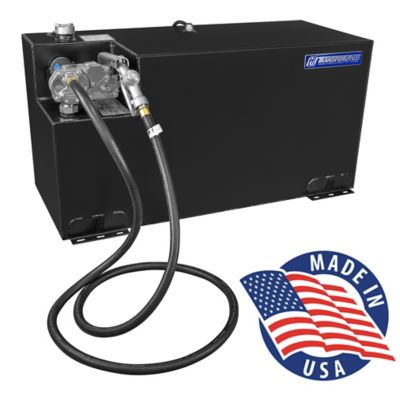
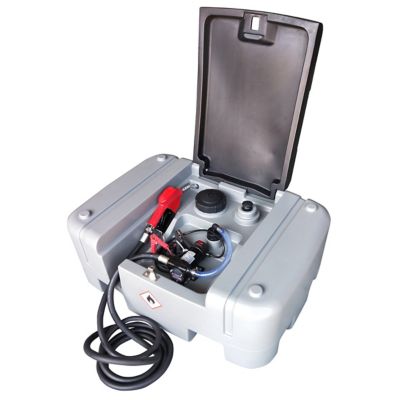
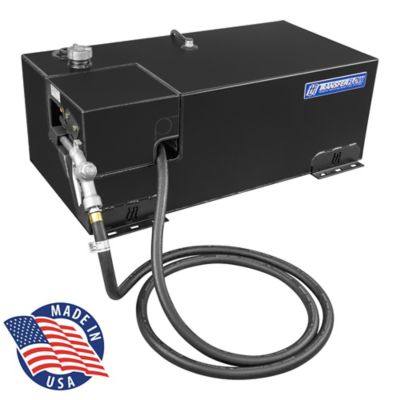
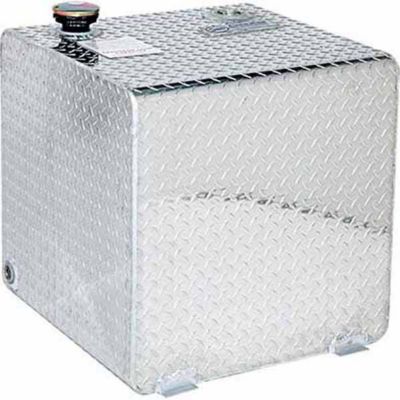
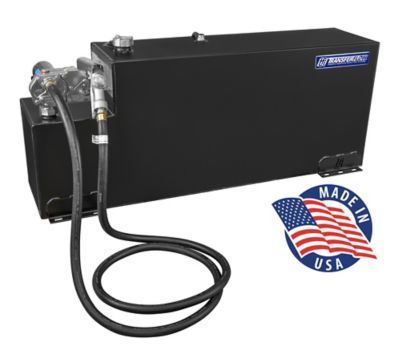
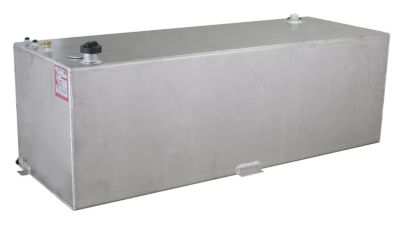
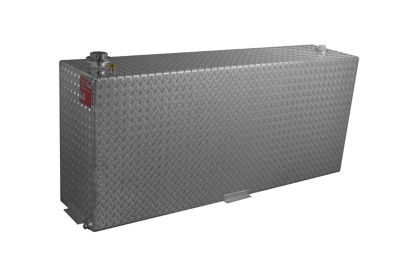
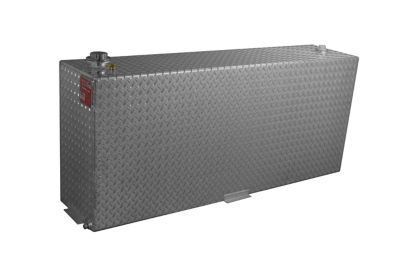
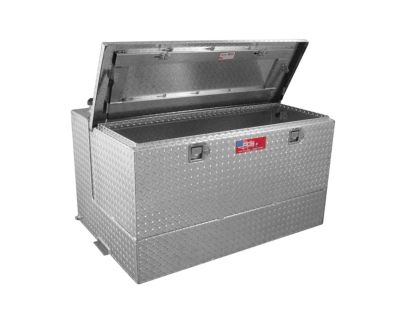
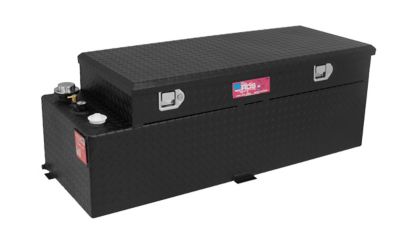
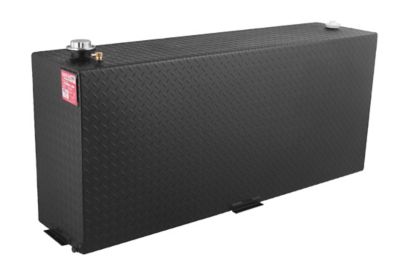
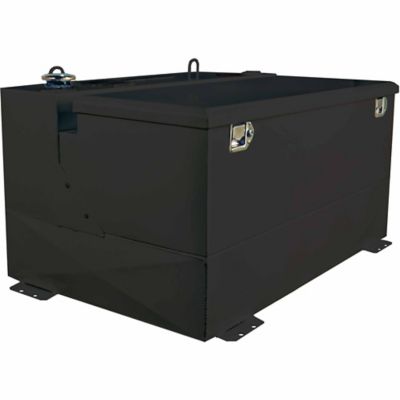
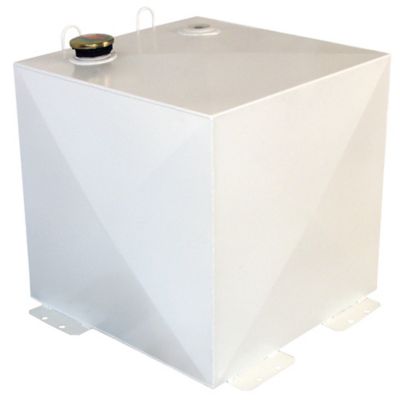
Truck bed fuel tanks put a fuel supply close to the work, whether that means keeping a tractor running in the back pasture or covering more miles between fuel stops. These in-bed reservoirs serve two main purposes: transfer tanks carry fuel for dispensing into separate equipment, while auxiliary tanks connect through a compatible system to supply the truck’s fuel system. The distinction matters. A transfer tank for refueling a skid steer is not automatically suitable for feeding a pickup’s factory tank, and an auxiliary setup is not necessarily equipped to dispense fuel into another machine. Farmers, ranchers, contractors and equipment operators often look to transfer tanks when hauling a tractor or generator back to a fuel station would interrupt the job. Auxiliary fuel tanks make sense for compatible trucks traveling long routes or pulling trailers where fuel stops take extra planning. Many auxiliary applications involve diesel pickups, but compatibility depends on the tank, connection system and vehicle—not simply the fuel named on the cap. Gasoline requires equipment expressly rated for gasoline; a diesel tank should never be treated as interchangeable. Capacity is another practical distinction. A larger reservoir carries more fuel, but it also takes up bed space and adds weight that counts toward the truck’s payload. The full setup includes the tank, fuel, pump, mounting hardware and any tools riding alongside it. Diesel weighs roughly seven pounds per gallon, so a filled tank can add several hundred pounds before the rest of the load goes aboard. For a pickup that also carries fencing supplies or pulls an equipment trailer, remaining payload and axle ratings deserve as much attention as gallon capacity. The right balance leaves room for the day’s work without crowding the bed or exceeding the truck’s limits. A smaller tank that fits the routine can be more practical than a larger one that competes with every toolbox, feed sack and trailer connection.
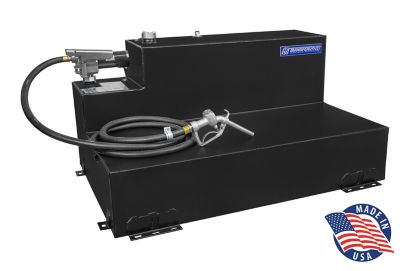
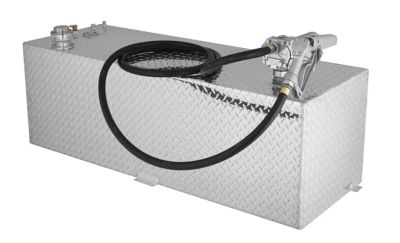
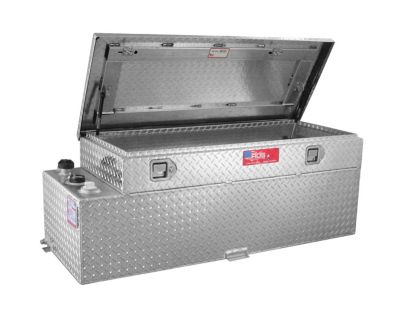
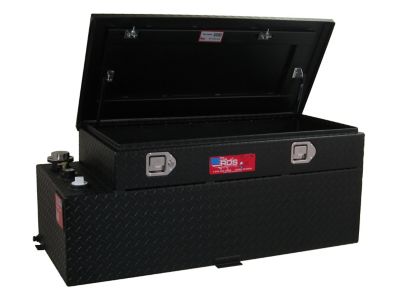
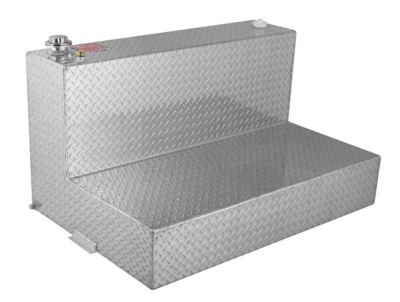
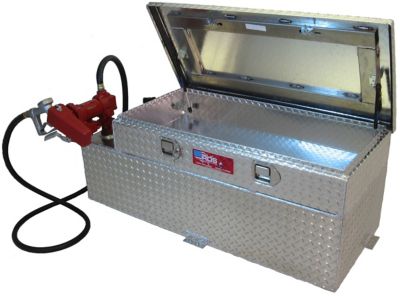
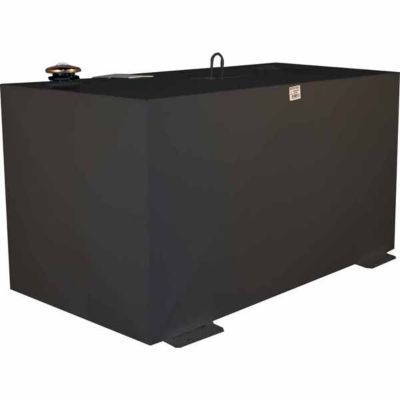
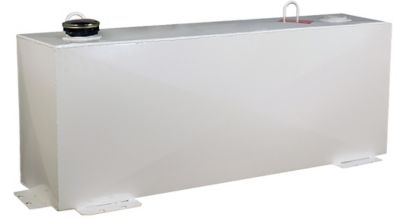
Tank construction and shape help determine how well that setup fits the truck. Aluminum keeps tank weight down and resists rust, while steel offers strength and may have a protective finish that needs attention if scratched or chipped. Neither material makes a tank suitable for every fuel or every installation; weld construction, mounting design, fuel compatibility and manufacturer specifications still matter. Internal baffles, when part of the design, help limit fuel movement inside the reservoir during travel. Rectangular tanks provide a straightforward footprint, while L-shaped configurations can leave room for a compatible cross-bed toolbox above part of the tank. Tank-and-toolbox combinations bring fuel storage and a separate compartment for tools into one footprint, which can suit a pickup carrying grease guns, wrenches and equipment supplies from one job to the next. Measurements need to account for more than the distance between the bed walls. Wheel wells, bed length, mounting locations, filler access and clearance beneath a bed cover all affect fit. A tank that clears the cover may still leave too little room to open a toolbox lid or reach a pump nozzle comfortably. Fifth-wheel and gooseneck trailer setups add another consideration: the tank and its fittings must stay clear of hitch hardware and trailer movement. Secure mounting is essential because a full reservoir puts substantial weight into a concentrated area. The truck bed and any mounting structure must meet the tank manufacturer’s requirements, and a bed liner does not replace structural support. Professional installation is worth considering when the job involves an auxiliary fuel connection, electrical work or modifications to the truck. Access also matters after installation. Fill caps, shutoff valves, filters and mounting fasteners should remain reachable for routine inspection. A workable layout lets the operator refuel equipment without climbing over loose gear or dragging a hose across sharp edges. Leaving room around service points helps keep a busy work truck manageable.
Pumps, hoses and dispensing hardware determine how a transfer tank handles the refueling side of the job. A 12-volt transfer pump can support equipment refueling where shore power is not handy, while a hand pump may suit smaller, less frequent tasks. Pump flow rate should match the equipment being filled rather than simply favoring the highest number; a small generator tank calls for more controlled dispensing than a large equipment tank. The pump, hose, seals, nozzle and filter must all be compatible with the fuel, and electrical components need installation according to their instructions. Hose reach matters around a parked tractor or trailer, but the hose also needs a secure place to ride without kinks, abrasion or loose loops hanging outside the bed. A protected nozzle holder, secure fill cap and accessible shutoff help keep the setup orderly between jobs. Fuel transport requirements depend on factors such as fuel type, quantity, tank design and commercial or personal operation. Applicable Department of Transportation rules, along with state and local requirements, need to be checked for the intended application; a broad claim about tank construction does not establish permission to carry every fuel. Safe handling remains important wherever the truck stops. Engines should be off during refueling, ignition sources kept away, and any bonding or grounding procedures specified for the equipment followed. Routine care includes checking for seepage, loose mounts, worn hoses, damaged wiring and corrosion around fittings. Keeping dirt out of the filler opening and servicing filters on schedule helps protect the equipment receiving the fuel. Fresh fuel and attention to water contamination matter, especially when a truck sits between jobs. Fuel storage aboard a boat is a separate application, and
Boat Fuel Tanks belong in that marine-specific comparison rather than serving as substitutes for truck-mounted equipment. Matching the tank, fuel system and truck keeps the whole setup focused on its purpose: carrying fuel securely and getting it where the work happens.