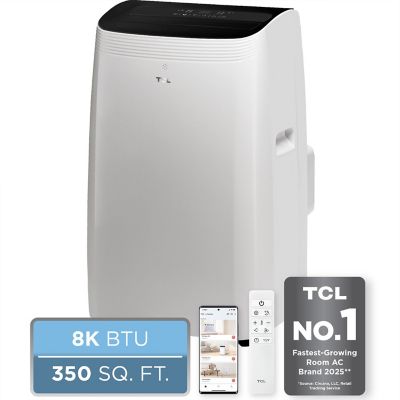
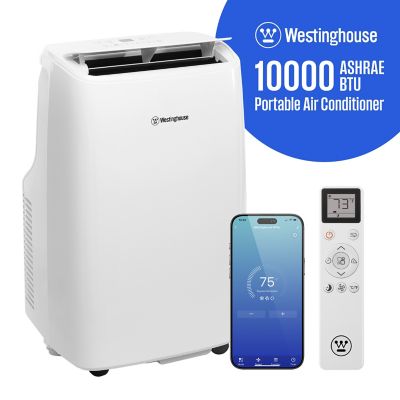
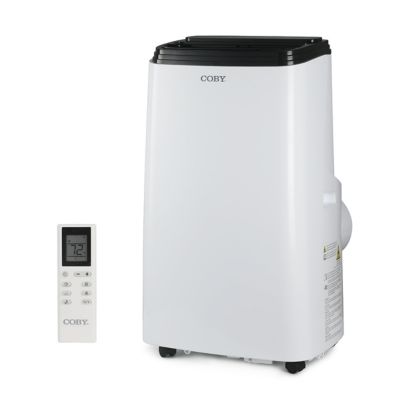
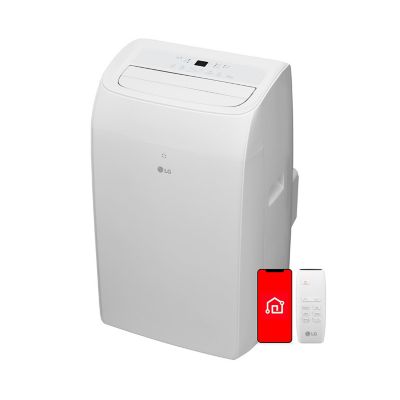
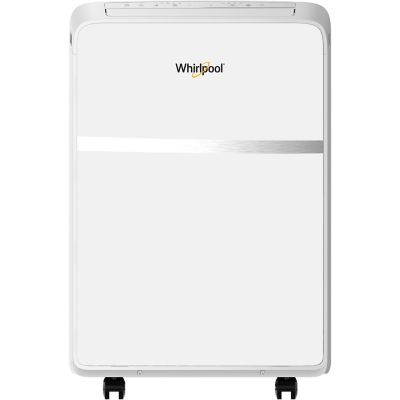
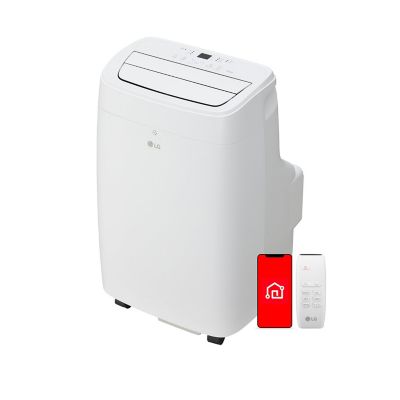
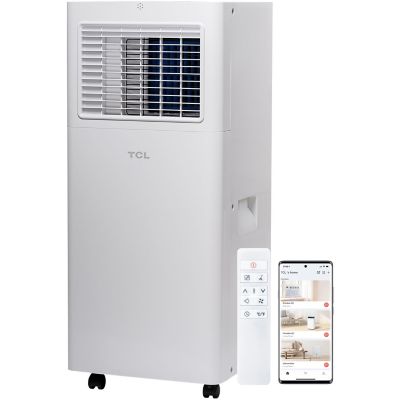
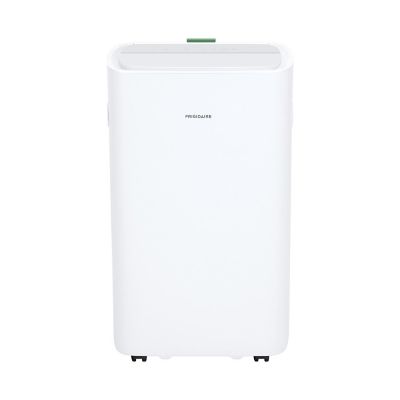
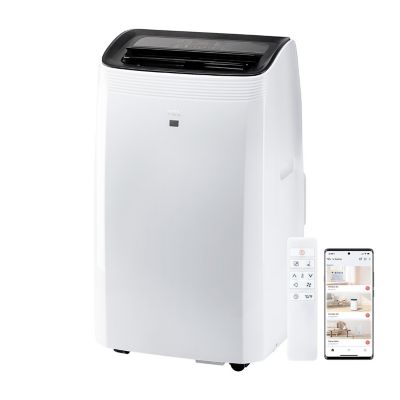
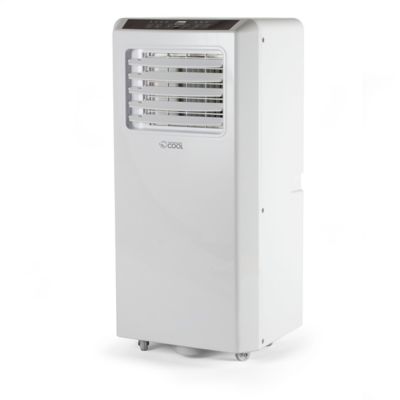
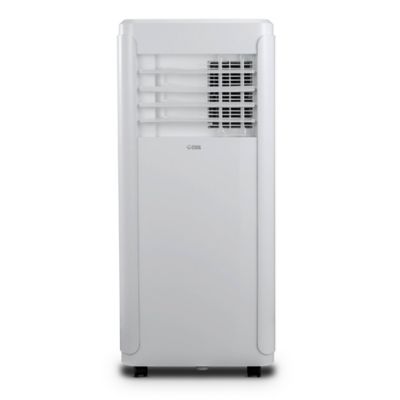
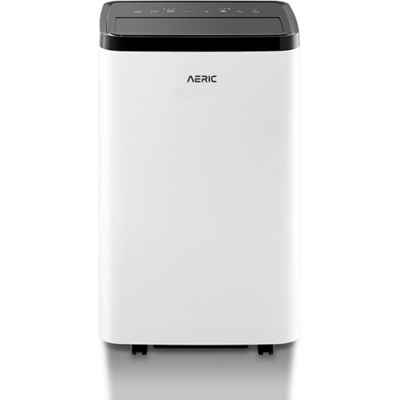
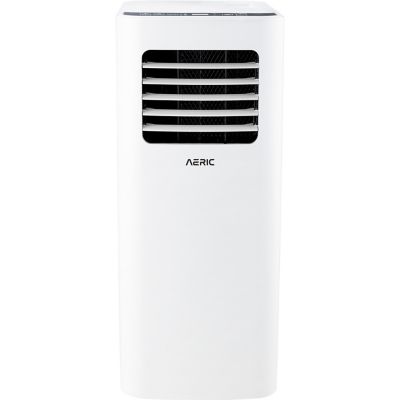
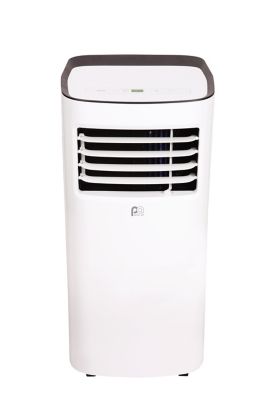
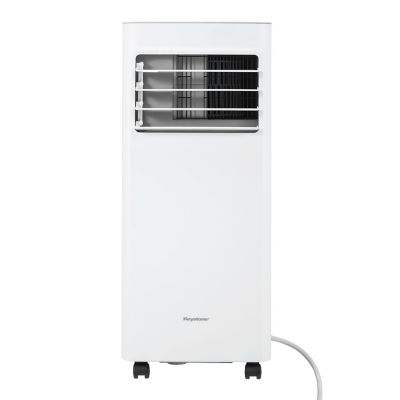
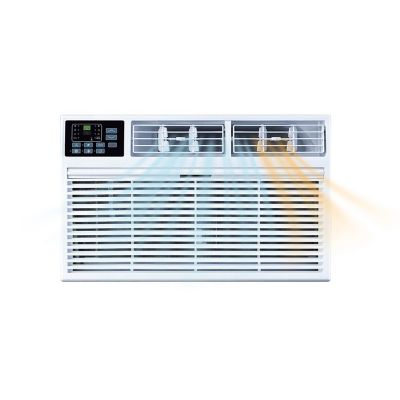
Air conditioner fans keep air moving through a cooling system, with the indoor and outdoor fans handling different jobs. In a typical split system running in cooling mode, the indoor fan draws room air across the cold evaporator coil and sends cooled air back through the home. The outdoor fan pulls outside air across the condenser coil, helping release the heat collected indoors. Refrigerant carries that heat between the two coils; the fans provide the airflow that makes the heat exchange possible. Window and portable air conditioners also move air across coils, though their components sit together in a single cabinet rather than in separate indoor and outdoor units. That distinction matters when comparing air conditioners with ordinary room fans. A room fan creates a breeze that helps people feel cooler, but it does not remove heat from an enclosed room. An air conditioner moves heat outside and generally removes some moisture from indoor air along the way. A fan-only setting on an air conditioner circulates air without running the compressor, so it does not provide the same cooling as the cooling setting. Around a farmhouse, home office, or enclosed workshop, these different functions serve different needs. A fan can keep air moving around a workbench or seating area, while an appropriately sized air conditioner can cool an enclosed space. Open doors, unsealed windows, direct sunlight, and heat from equipment all affect the cooling load. A shop with a wide overhead door standing open presents a very different challenge from a small office with the door shut. Household cooling equipment also needs an environment suited to its rating; heavy dust, airborne debris, moisture, and agricultural conditions can call for equipment specifically designed for that setting. Matching the equipment to the space helps keep expectations grounded, whether the goal is steady airflow at a desk or cooling for a room where the family gathers.
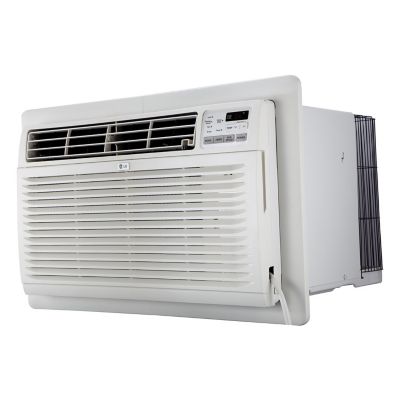
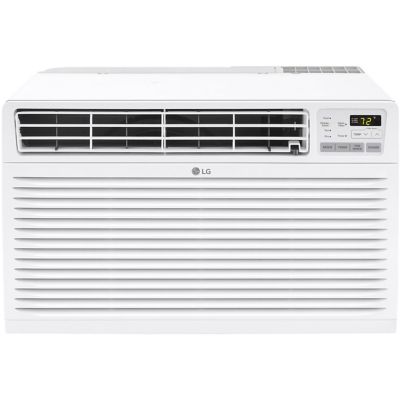
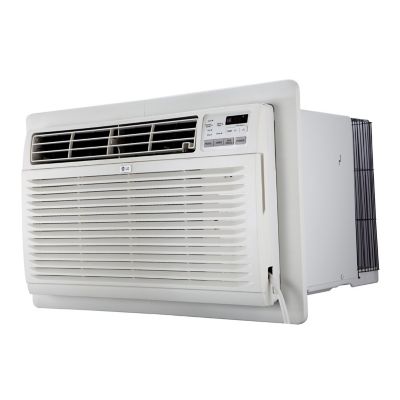
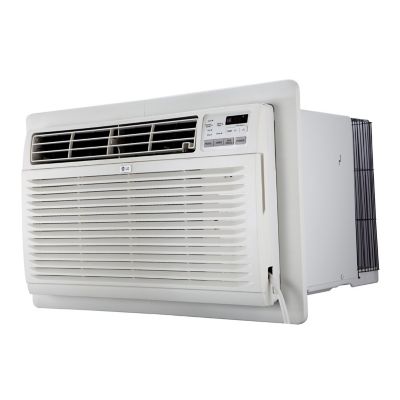
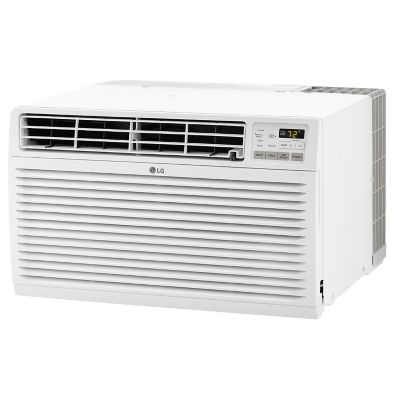
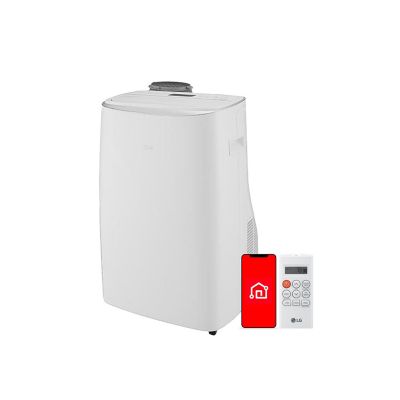
The right physical fit is just as important as the cooling function. Window air conditioners need an opening that meets the unit’s dimensions, a compatible window style, and the support required by the manufacturer. A cabinet intended for one window arrangement may not fit another, and a through-the-wall installation calls for equipment and a sleeve designed for that purpose. Portable air conditioners sit on the floor, but they still need a suitable route for the exhaust hose and enough clearance for air intake, discharge, and maintenance. For enclosed rooms where heat needs a path outdoors,
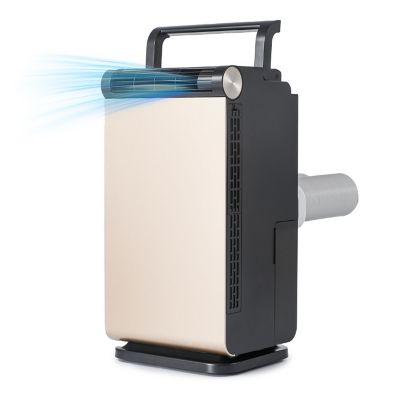
vented air conditioners connect cooling performance with an exhaust arrangement that fits the space. Hose length, window-kit dimensions, and the location of the nearest suitable outlet all influence placement. A compact footprint can help in a spare bedroom or farm office, but the cabinet should not crowd a walkway or block a door. Cooling capacity, commonly listed in BTU per hour, needs to match more than floor space alone. Ceiling height, insulation, sun exposure, room layout, and the number of people sharing the room can change what the space requires. An oversized unit may cool the room quickly without running long enough to manage moisture well, while an undersized unit may struggle to reach the selected setting. Electrical requirements deserve the same attention as dimensions: voltage, amperage, plug configuration, and circuit requirements must suit the installation. Power connections should follow the manufacturer’s directions rather than depend on an improvised extension-cord arrangement. Construction details matter, too. Metal cabinets and protective coatings help shield working components, while molded plastic housings and grilles can keep room-facing surfaces lighter and easier to wipe clean. Secure mounting hardware, steady bases, and well-supported fan assemblies help limit vibration. For a room beside a gravel drive or a workspace where boots track in dirt, accessible filters and surfaces that are straightforward to clean can make routine upkeep less of a chore.
Everyday comfort also depends on how the air moves once the equipment is running. Adjustable louvers can direct airflow away from a chair or across a wider part of the room, while multiple fan speeds allow a choice between stronger circulation and a gentler breeze. Noise deserves consideration in bedrooms, offices, and gathering spaces, especially when the unit sits close to a bed, desk, or television. Sound can come from the compressor, moving air, the fan motor, or vibration against the mounting surface, so a quieter setting may involve a tradeoff in airflow. Thermostats, timers, and remote controls can make operation more convenient, although the features and operating modes vary by unit. Energy-efficiency ratings help compare equipment within the same category, and a properly sealed installation helps keep cooled air where it belongs. For replacement air conditioner fans and related components, fit goes well beyond blade diameter. Motor voltage, horsepower, rotational speed, rotation direction, shaft dimensions, mounting arrangement, and the specified blade assembly all need to match the equipment requirements. A similar-looking motor or blade is not enough to establish compatibility. Electrical components, refrigerant systems, and internal fan assemblies call for qualified service rather than guesswork, particularly when a fan stops turning or begins making an unfamiliar sound. Routine care generally centers on keeping filters, intake openings, and discharge paths clear according to the manufacturer’s instructions. Washable filters need the cleaning and drying process specified for that equipment, while replaceable filters need the correct size and type. Outdoor condenser units need their prescribed clearance so air can move freely around the coil; crowding them with stored supplies or allowing vegetation to close in can restrict that airflow. Portable units may also have condensate collection or drainage requirements, depending on their design and operating conditions. From an upstairs bedroom to a small office off the shop, a sensible match of cooling capacity, fan performance, installation requirements, and upkeep makes the equipment easier to live with. Clear access for cleaning and service helps protect that investment over the long haul.