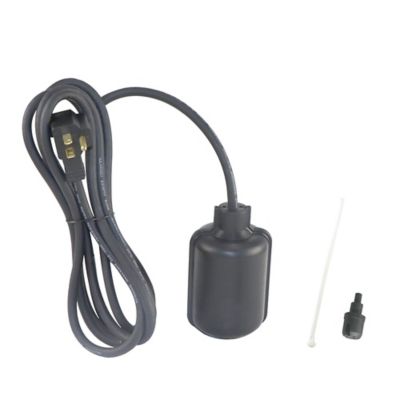
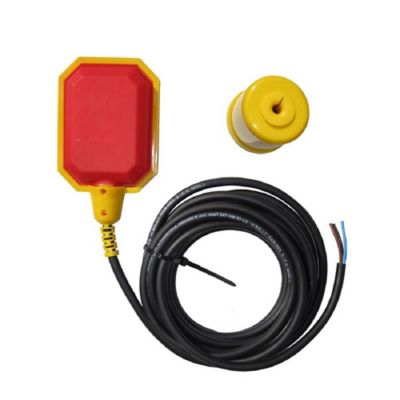
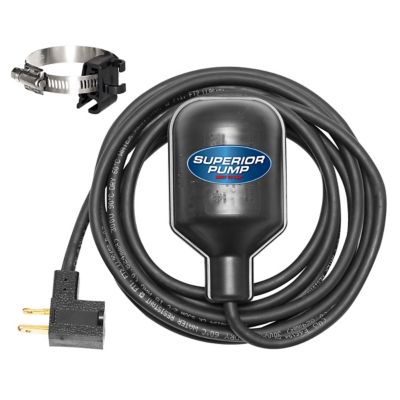
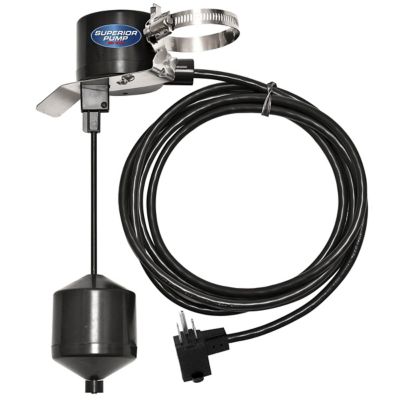
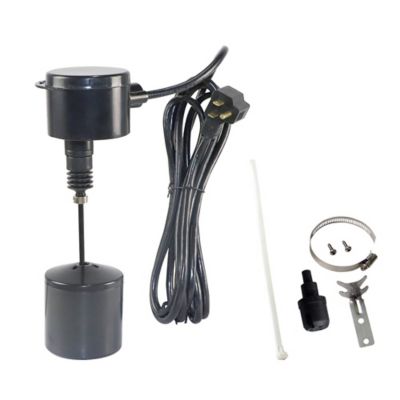
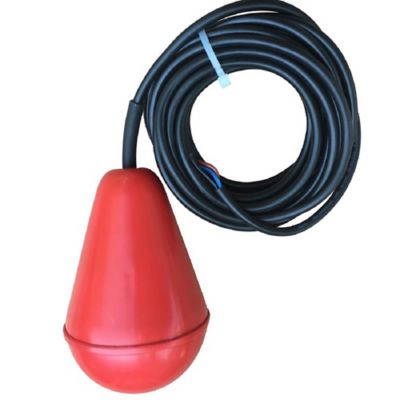
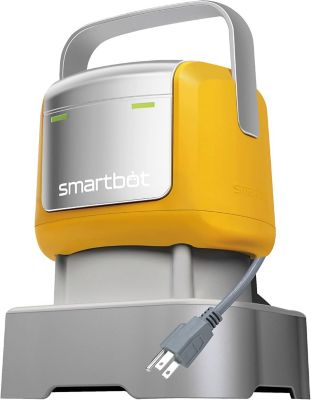
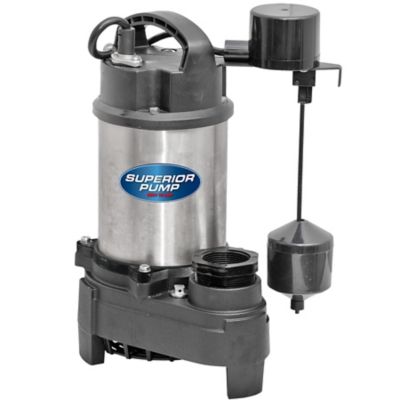
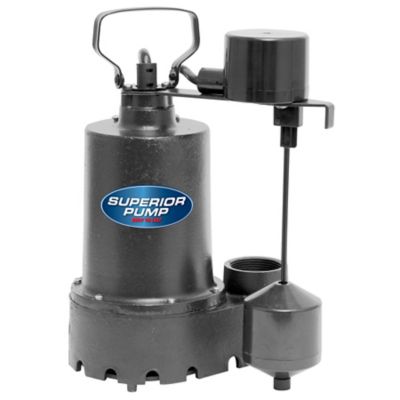
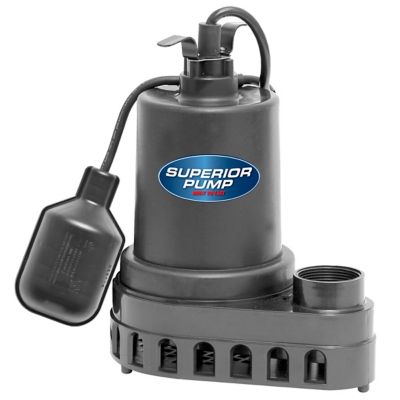
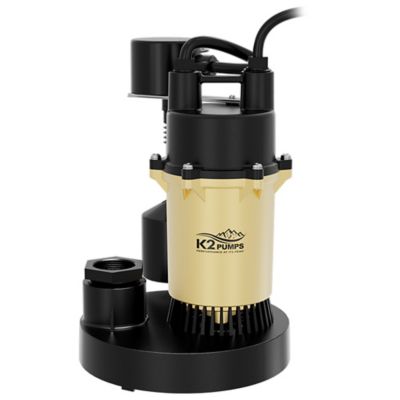
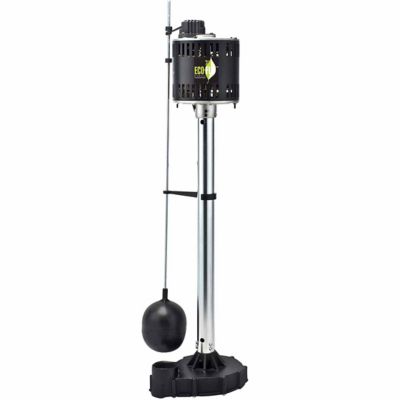
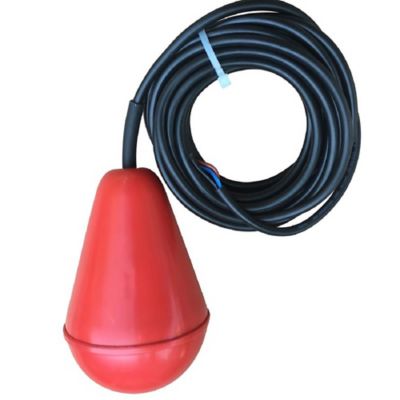
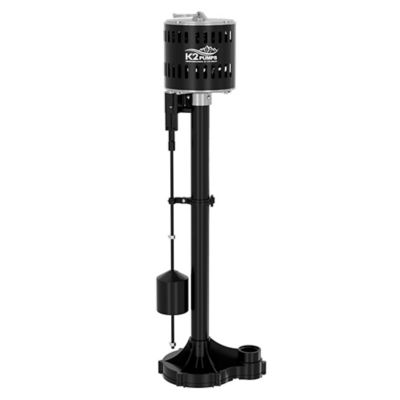
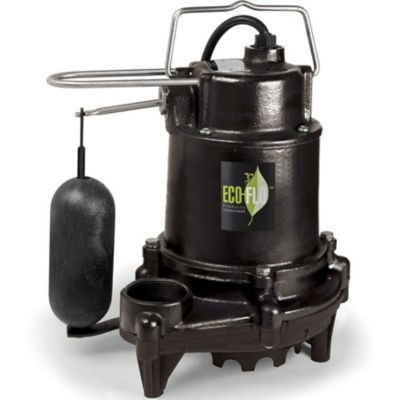
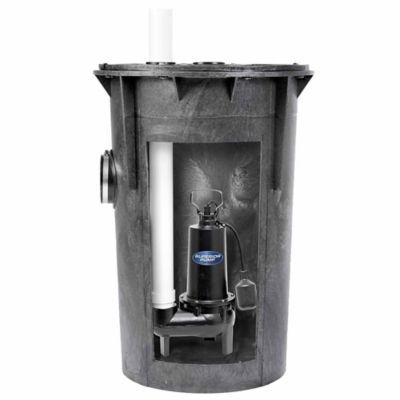
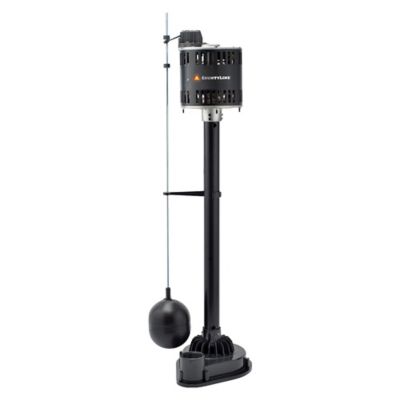
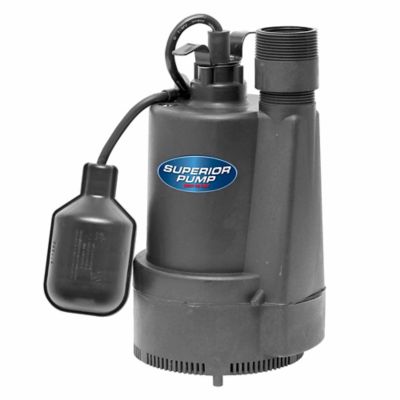
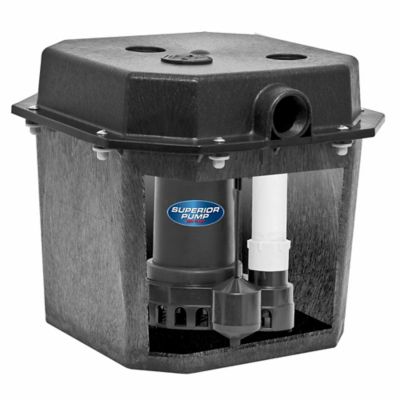
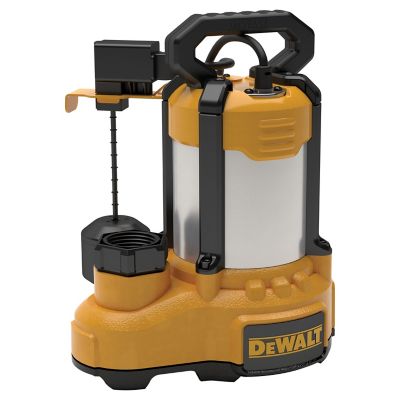
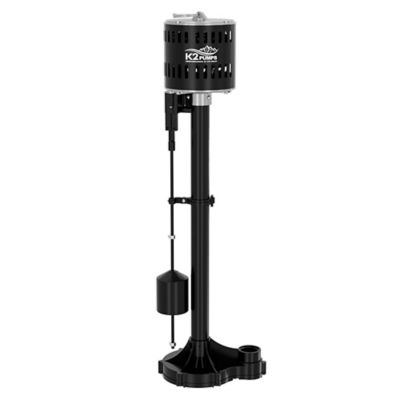
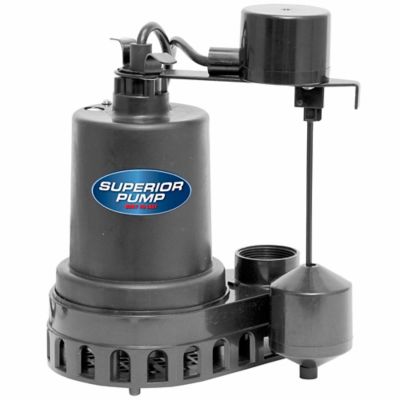
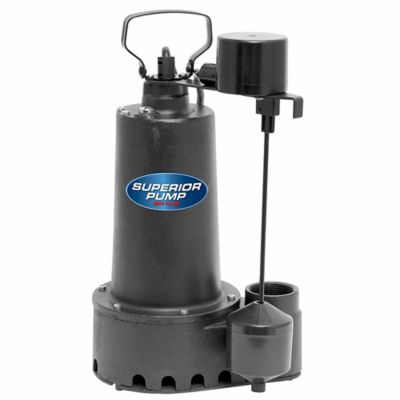
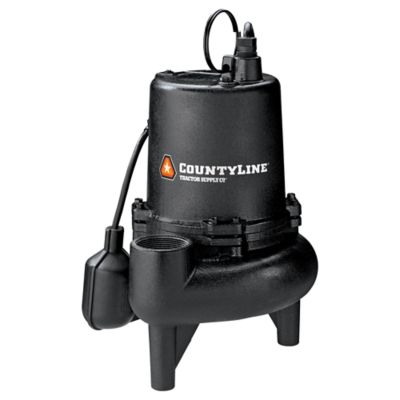
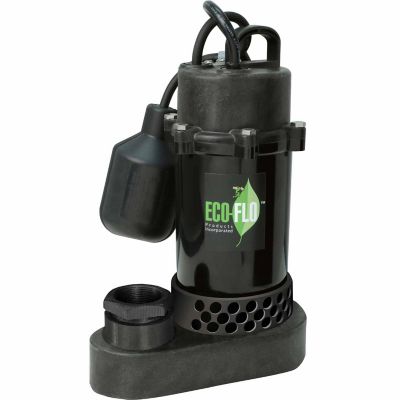
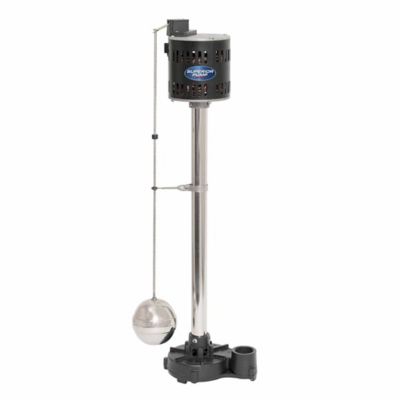
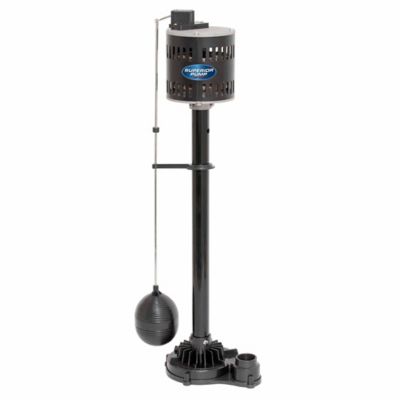
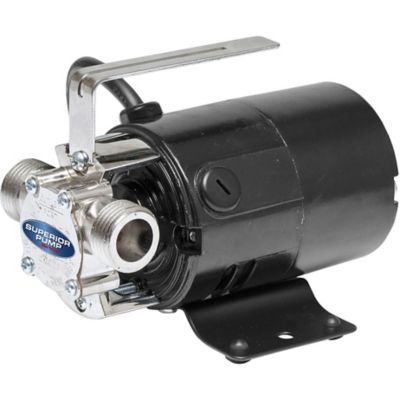
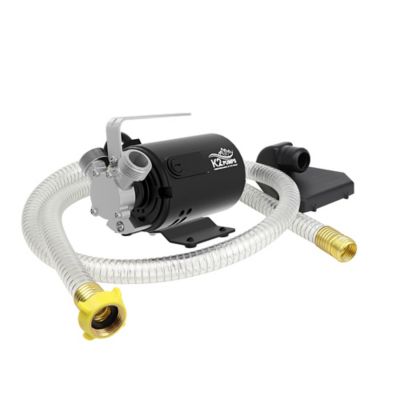
When it comes to keeping basements, crawl spaces, and outbuildings dry and protected, a float switch pump is a real workhorse that saves time and worry. Folks who live in the country know just how quickly a heavy rain or rising groundwater can sneak up on you, especially as the weather shifts from summer’s storms into the cooler, wetter months of fall. That’s where a float switch sump pump shines—these pumps use a clever little sensor that floats on the water’s surface, automatically turning the pump on or off as the water level rises or falls. Whether you’re dealing with a crawl space sump pump to keep foundation moisture at bay, or you need a float switch for sump pump setups in barns, garages, or even livestock troughs, choosing the right pump with float switch is all about matching the job to the right features. Tethered floats are popular for larger pits and basins, since they give you a wide range of motion and can handle a lot of water at once. If your space is tight—like in a narrow sump pit or shallow tank—a vertical float switch pump is a better fit, since the float moves up and down on a rod and won’t get hung up on the sides.
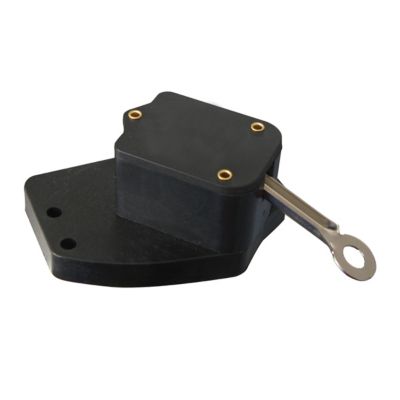
A float switch pump isn’t just a tool for emergencies; it’s a year-round helper for anyone managing water on their property. Homeowners with finished basements rely on float switch sump pumps to guard against flooding, while farmers and ranchers use them to keep animal pens, feed storage, and utility sheds dry and safe. These pumps make a thoughtful, practical gift for anyone who’s always working to keep their place in shape—think new homeowners, folks with a hobby farm, or family members who just built a new workshop or garage. It’s worth considering the type of float switch you need: normally open switches are common for “pump-down” jobs like emptying a flooded pit, while normally closed switches are used for “pump-up” tasks such as filling a tank or cistern. Most residential pumps come with a piggyback plug, so you can plug the float switch right into the outlet and then plug your pump into the back of the float—it’s a simple setup that makes replacement or upgrades a breeze. For bigger jobs or hardwired installations, you might see float switches wired straight into a control panel, which is common on heavy-duty or commercial pumps.
No matter the season, having a dependable float switch pump on hand means you can spend less time worrying about water damage and more time enjoying your land. Look for pumps with sturdy construction, a reliable float switch, and the right horsepower for your needs—whether you’re moving a little water or a lot. And if you’re dealing with standing water outside, or need something to supplement your float switch setup, take a look at our selection of
Standing Water Pumps for even more ways to tackle drainage and moisture problems around your place. With the right float switch and pump combo, you’ll be ready for whatever the weather brings, season after season.