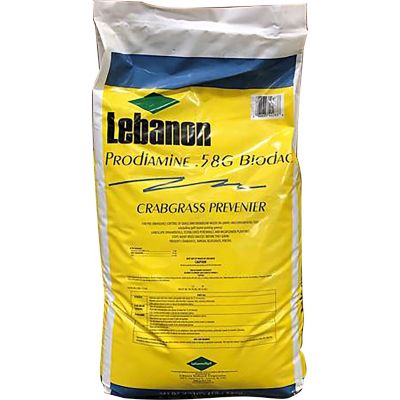
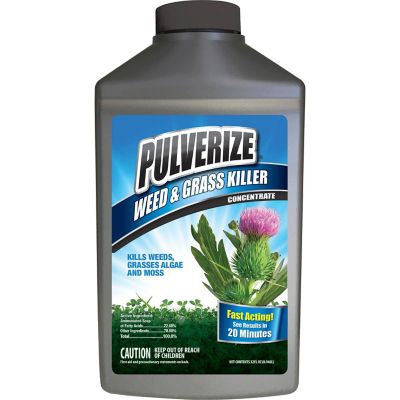
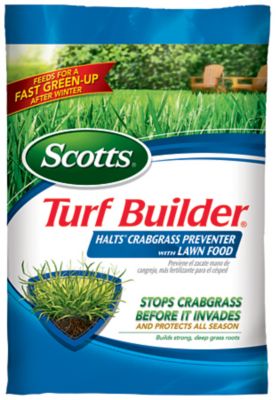
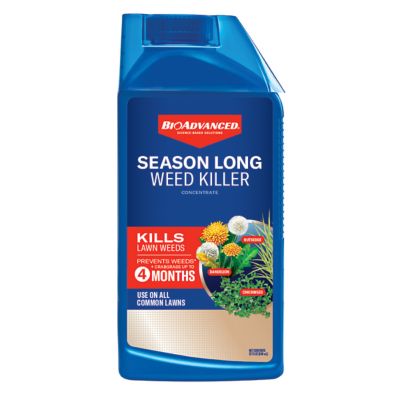
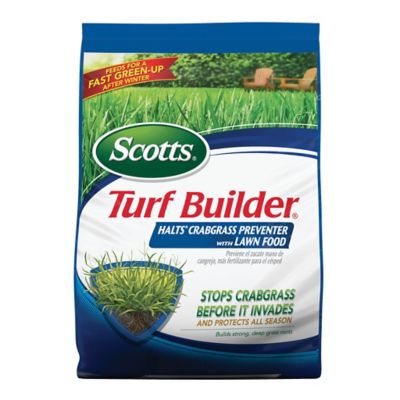
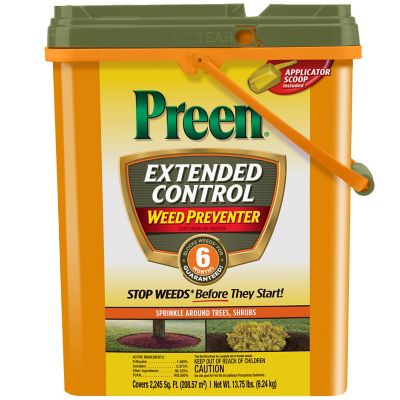
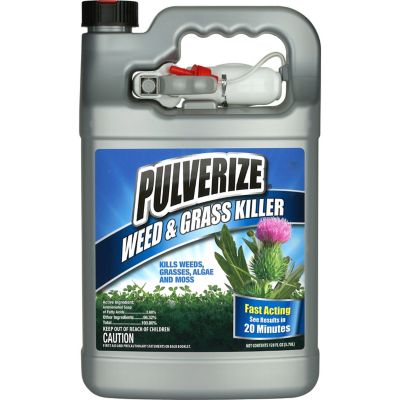
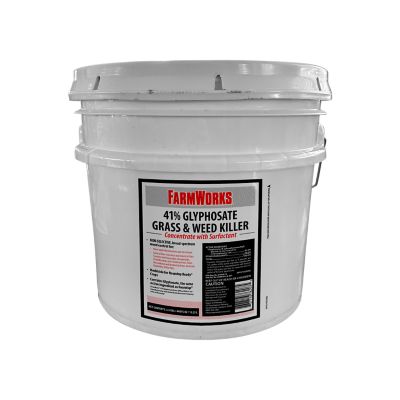
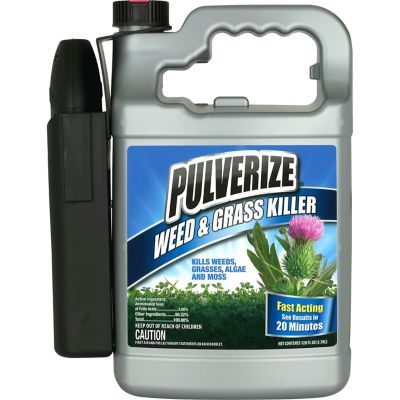
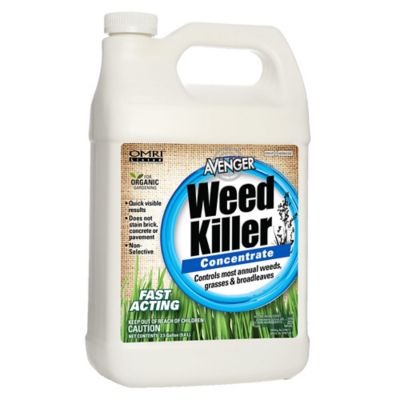
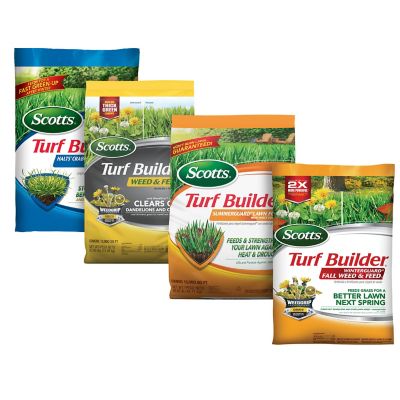
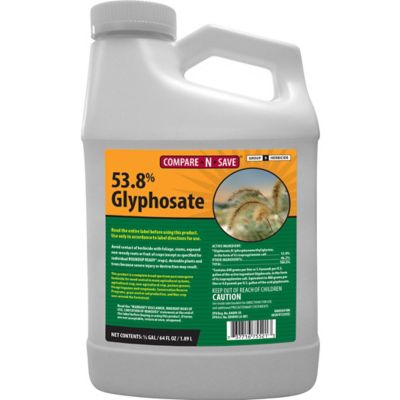
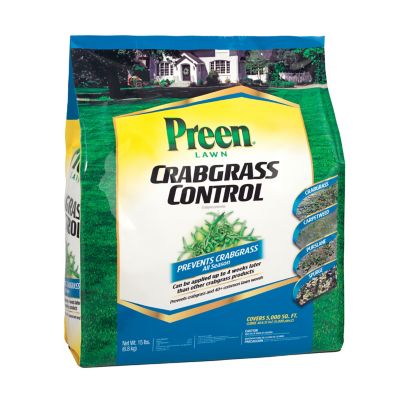
Pre-emergent herbicides for lawns help stop many weed seeds before they break through the soil and become a problem. Instead of killing a mature weed with visible leaves, these products form a treated zone in the upper layer of soil that interrupts germination as seeds begin to sprout. That makes them especially useful for reducing annual grasses and broadleaf weeds that seem to appear overnight, including crabgrass, foxtail, chickweed and other common lawn invaders. They work best as part of a steady lawn-care routine, alongside mowing at the right height, watering deeply but not constantly, and keeping turf thick enough to compete with weeds. Homeowners with established cool-season or warm-season grass may use pre-emergent herbicides around the yard, while property managers, grounds crews and rural landowners may use them on larger maintained lawn areas. For information about products intended for agricultural settings rather than home lawns, visit
Farm Pre Emergent Herbicide. When shopping, start by identifying the grass and weeds in the area, then read the product label to confirm that the herbicide is approved for that turf type and intended use. Active ingredients vary in how long they remain effective and which weeds they control. Some offer a longer control window, while others may provide limited early control if a weed has only just started to emerge. Labels also provide application rates, spreader settings, reapplication limits and precautions for nearby gardens, trees, ornamental beds, drainage areas and water sources. A product that works well on one lawn may not be suitable for another, especially where grass varieties, soil types and weather patterns differ.
Timing makes a big difference with pre-emergent lawn care. For warm-season weeds such as crabgrass, treatment is generally applied in early spring before soil temperatures remain around 50 to 55 degrees Fahrenheit, often near the time early flowering shrubs begin to bloom. For cool-season weeds such as chickweed, henbit and annual bluegrass, an application in early fall, before those seeds begin active germination, can help protect the lawn during the cooler months. Since weather and soil temperatures vary from one region to another, use local conditions and the product label rather than relying on a fixed date. A late-summer or fall application may be useful for lawns that regularly develop winter weeds, while a spring application is aimed at weeds that show up as temperatures climb. Pre-emergent herbicides need to be applied evenly across the target area. Missed strips along fences, driveway edges and mailbox walks can become the first places weeds appear, like a green fringe showing where the spreader did not reach. Many granular formulas need rainfall or irrigation to move the active ingredient into the soil. About one-half inch of water within a few days is a common direction, but the label should always be followed because activation requirements differ. Avoid applying before heavy runoff, and sweep granules from sidewalks, patios and driveways back onto the lawn when the label permits. Wear the recommended protective clothing, keep children and pets away from treated areas as directed, and store unused material in its original container in a dry, secure place. Applying more than the stated rate does not improve results and can stress turf or create problems in nearby areas.
One of the most important purchase considerations is whether you plan to overseed, repair bare spots or install new grass. Because pre-emergent herbicides prevent seeds from germinating, they can also interfere with desirable grass seed. In many cases, lawn owners need to wait roughly three to four months after application before overseeding, though the exact interval depends on the active ingredient, application rate and grass variety. Check the label before treating a lawn that will be seeded, sodded or sprigged. The same care applies around newly planted shrubs, flower beds and vegetable gardens; maintain the required buffer and avoid drifting spray or spreading granules into areas where seeds need to grow. For lawns with a history of stubborn weeds, keeping notes on application dates, weather, rainfall and results can make the next treatment more accurate. A simple record can show whether weeds are breaking through near the fence line, whether coverage was uneven, or whether an application was made after germination had already started. Pre-emergent herbicides are most effective when used before weeds are visible, so they are not a replacement for post-emergent control when mature weeds are already growing. Choose a formula suited to the lawn’s size and application method, whether that means a granular product for use with a broadcast or drop spreader or a liquid formula measured and applied with the proper sprayer. With the right timing, even coverage, adequate activation and attention to the label, these lawn-care supplies can help keep turf cleaner through changing seasons and reduce the hand-pulling and spot treatment that follow a heavy flush of weeds.