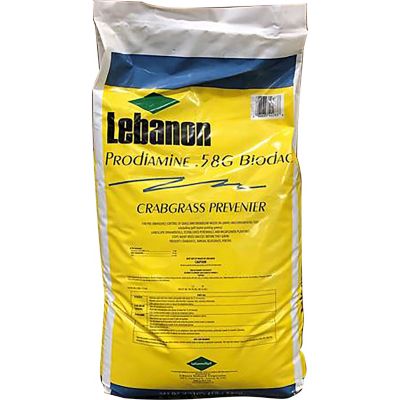
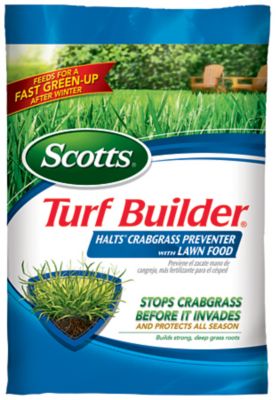
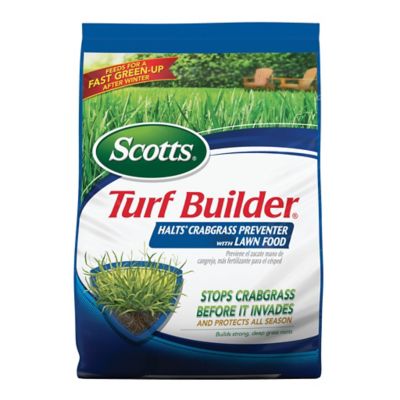
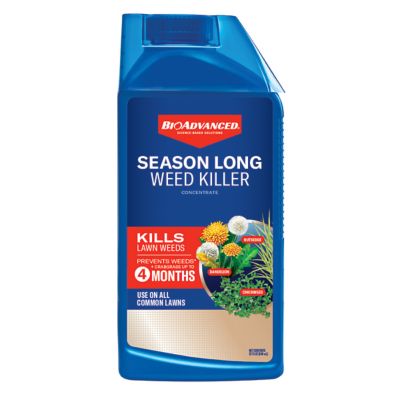
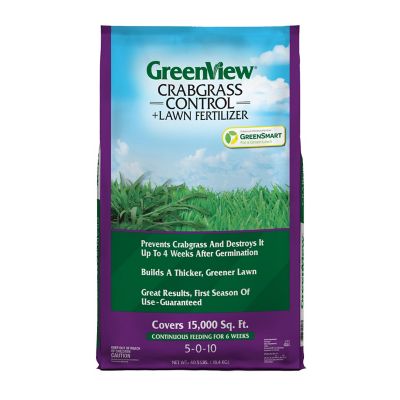
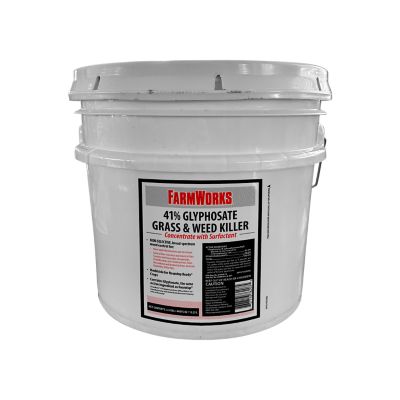
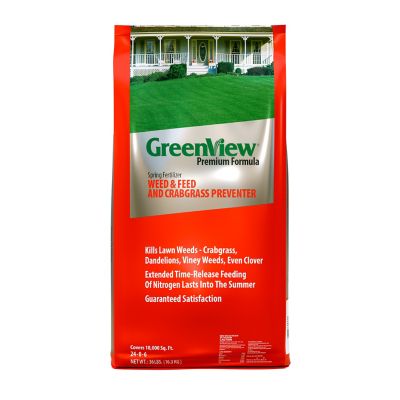
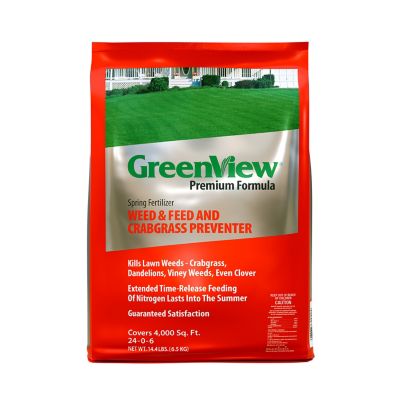
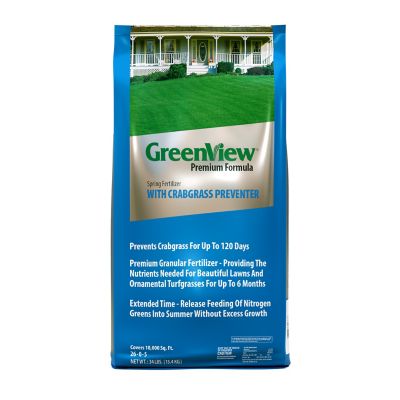
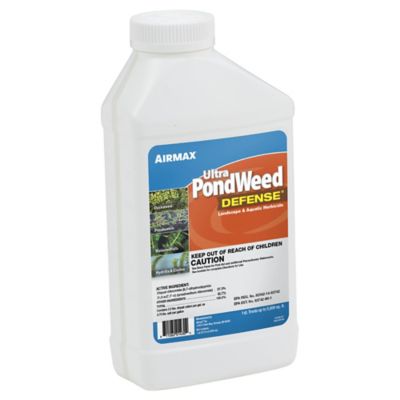
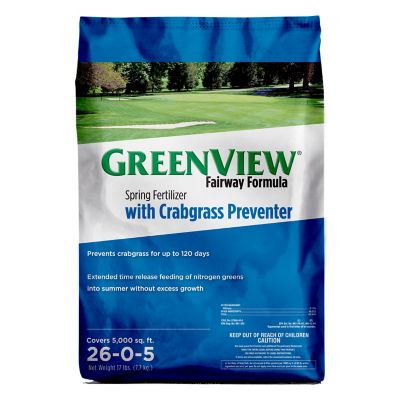
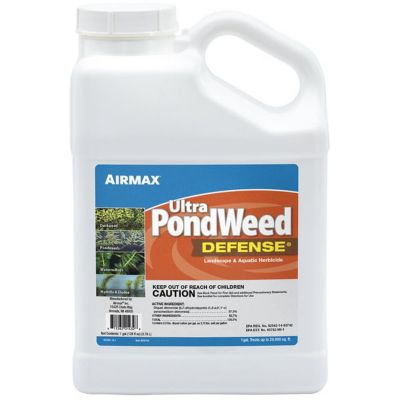
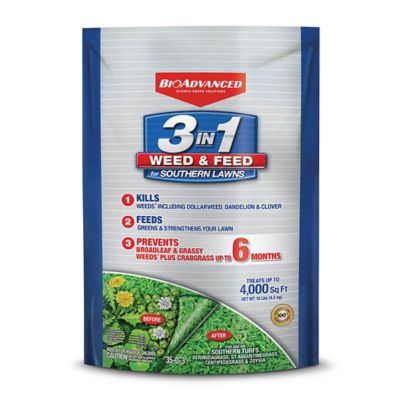
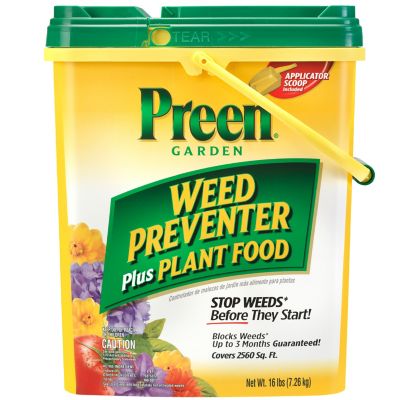
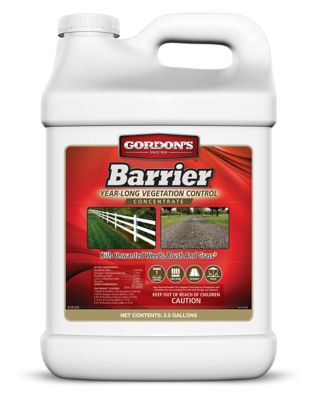
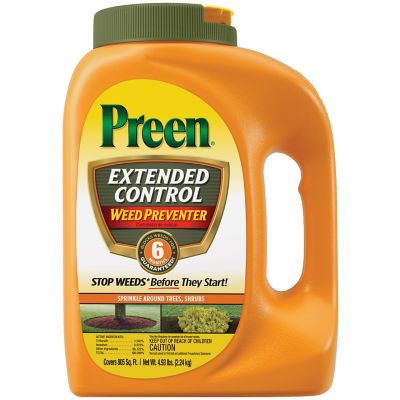
Pre-emergent weed control products help keep unwanted grasses and broadleaf weeds from getting established in lawns, landscape beds and other areas listed on the product label. Rather than clearing out a patch of tall weeds, these treatments work near the soil surface, interrupting the development of susceptible weeds as seeds germinate and seedlings begin to grow. That makes them a preventive option for places where the same weeds tend to return, whether that’s crabgrass along a driveway or small broadleaf weeds between established shrubs. A treatment does not remove weed seeds from the soil, and most pre-emergent herbicides will not control weeds that are already established. Some formulations offer limited control of certain newly emerged weeds, but that benefit depends on the active ingredient, weed species and growth stage listed on the label. For homeowners, groundskeepers and folks caring for larger properties, the main appeal is getting ahead of recurring weed growth rather than spending every spare afternoon pulling it. The right match starts with two things: the weeds being targeted and the area being treated. A product labeled for an established lawn may not be appropriate for a vegetable garden, pasture, crop field or the ground around fruit trees. Even within a lawn, turfgrass species matters, since not every grass tolerates every herbicide. Landscape applications call for the same attention to plant compatibility, especially around shallow-rooted plants, newly planted shrubs and beds where flowers will be grown from seed. Weed preventers also differ in the range of weeds they control. Some focus mainly on annual grassy weeds, while others target certain broadleaf weeds or a combination of both. A broader list of target weeds is helpful only when it includes the weeds on the property and fits the intended treatment site. Matching those details gives pre-emergent weed prevention a clear job to do without treating every weed problem as though it were the same.
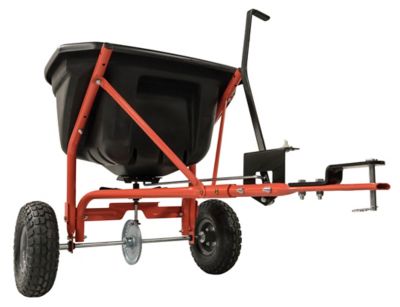
Granular and liquid pre-emergent herbicides offer different ways to cover the ground, and the better fit often comes down to the layout of the property and the equipment on hand. Granules carry the active ingredient on solid particles and are generally distributed with a compatible spreader. They can suit open stretches of established turf where a steady walking pace and an even spread pattern are practical. Liquid formulations may require mixing with water and application through a suitable sprayer, making sprayer calibration, nozzle selection and consistent coverage important considerations. Neither form is automatically stronger, faster or longer lasting; performance depends on the formulation, application rate, target weeds and label requirements. Package weight or container volume alone does not tell the whole story, either. Labeled coverage shows how much ground a package can treat at the permitted rate, which helps put a small yard, a long lawn strip and a larger maintained area into perspective. Around fence corners, narrow beds and the edges of walks, controlled placement matters as much as total coverage. Gaps in treatment can leave room for weeds to establish, while overlapping passes can put too much material in one spot. Granules that land on pavement need attention according to the label rather than being left where they could wash into drains. Liquid applications require care to keep spray away from neighboring plants and other areas outside the treatment site. Many pre-emergent products need rainfall or irrigation within a specified period to move the herbicide into the upper soil layer where susceptible seedlings develop. That activation requirement is a useful distinction between formulations, particularly on properties where irrigation reaches some areas but not others. Fertilizer-and-pre-emergent combinations add another consideration: their nutrient content should fit the lawn’s needs as well as the weed-prevention schedule. A stand-alone weed preventer separates those two jobs when feeding is not needed. Across both granular and liquid options, the label’s equipment directions, protective clothing requirements and application limits matter more than assumptions based on the package format.
Timing is part of what makes pre-emergent weed control different from treatments aimed at visible weeds. These products generally need to be in place before the target weeds emerge, so an established lawn with a history of crabgrass calls for a different schedule than a bed troubled by fall-germinating annual weeds. For crabgrass prevention, soil temperatures approaching roughly 55°F can serve as a common planning signal, but local conditions, temperature trends and label directions determine the appropriate application window. That number is not a universal trigger for every weed or every property. Local extension resources can help connect the weed species with its germination pattern without relying on a fixed calendar date. Protection also has limits: how long a treatment remains effective depends on the active ingredient, permitted rate, soil conditions and other factors described on the label. More product does not automatically mean better prevention, and repeat applications must stay within the stated intervals and annual limits. Plans for desirable seed deserve just as much attention. Many pre-emergent herbicides can interfere with lawn seeding or overseeding, and reseeding restrictions vary by formulation. Soil work can matter, too, because digging, cultivating or moving treated soil may disrupt the treated zone. Those considerations make intended use especially important around working ground. For crop-related needs,
Pre Emergent Weed Control For Agriculture addresses a separate application setting where crop tolerance, labeled sites and planting restrictions deserve close attention; lawn and landscape labeling does not establish suitability for agricultural ground. Back around the house, keeping children and pets away during treatment and following the label’s reentry directions are part of responsible product handling. Storage and equipment care belong in the same picture: original labeled containers, secure storage away from feed and seed, and label-directed sprayer or spreader cleanup help keep weed-control chores separate from other property work. Paired with dense turf, appropriate mulch and routine attention to escaped weeds, a well-matched pre-emergent treatment can make recurring weed pressure more manageable without promising a weed-free property.