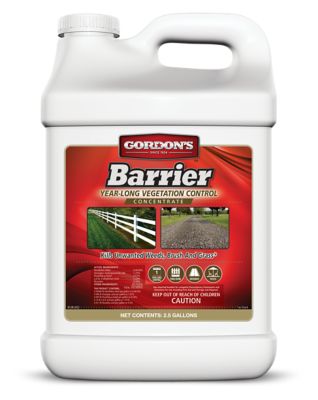
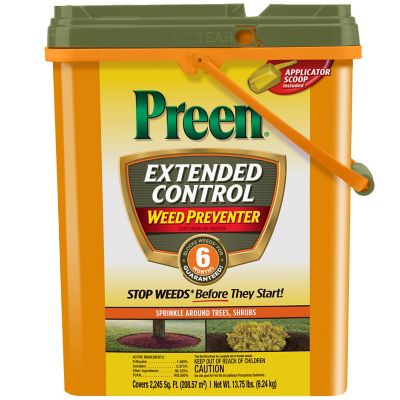
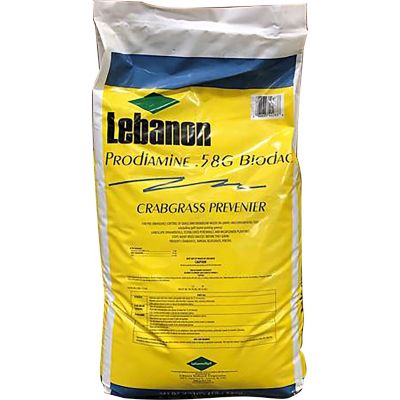
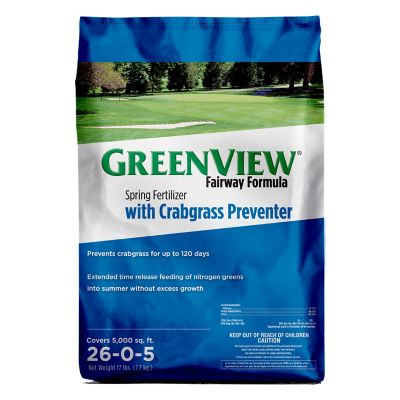
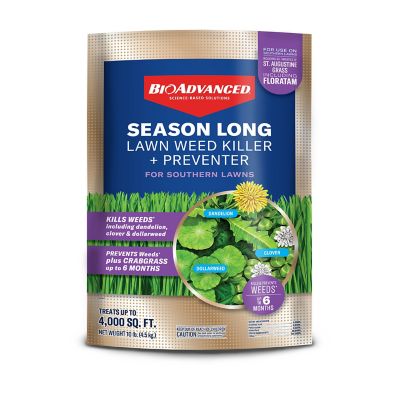
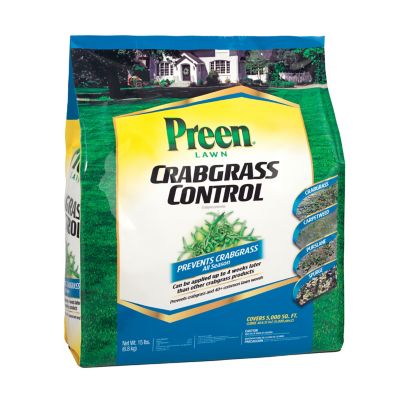
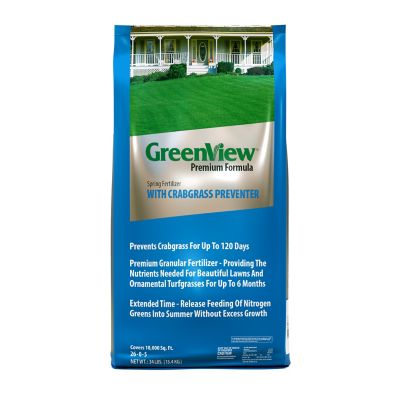
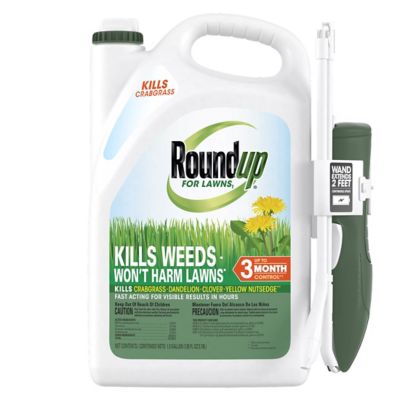
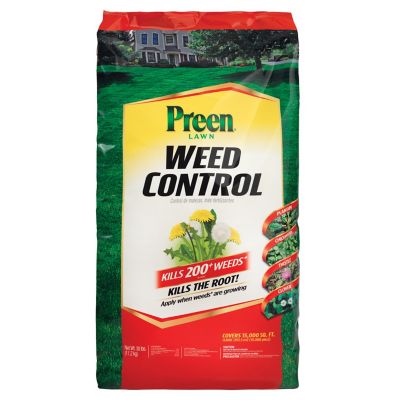
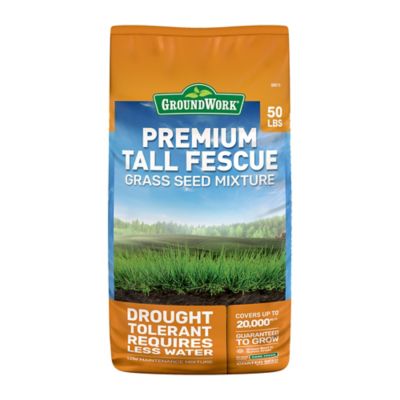
Pre-emergent herbicides for fields are designed to stop many weed seeds before they sprout and become established among pasture grasses, hay, or other field vegetation. Rather than treating tall weeds after they appear, these products create a treated layer near the soil surface that interrupts germination when applied according to the label. That timing makes them different from post-emergent herbicides, which are aimed at weeds that are already growing. Field owners, livestock producers, hay growers, land managers, and caretakers of open acreage may consider pre-emergent treatment when annual grasses and small-seeded broadleaf weeds have caused thin stands, reduced forage, or extra mowing and spraying work in past seasons. Results depend on the product, weed species, soil conditions, rainfall, and the crop or grass being protected, so the product label should guide every decision. Check that the formulation is approved for the intended field, pasture, hay area, grass type, and target weeds. Some treatments are suited to annual grasses, while others focus more heavily on broadleaf weeds such as thistles, chicory, or other invasive plants. A product that fits one pasture may not be appropriate for another, even when the fields look similar from the road.
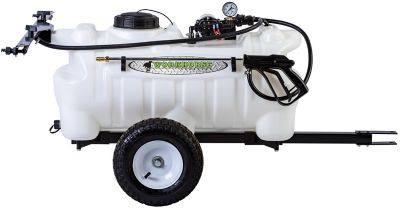
Timing is one of the most important considerations when shopping for pre-emergent herbicides for fields. The goal is to place the treatment in the soil before weed seeds begin germinating, not after a thick stand of weeds is visible. Soil temperature offers a better guide than a fixed calendar date. For many spring-germinating weeds, application is often planned when soil reaches about 55°F and is trending warmer, while fall-germinating weeds may call for treatment ahead of the cooler season and expected germination period. Weather forecasts matter, too. Rainfall or irrigation may help move some formulations into the upper soil layer, but heavy rain soon after application can affect placement and performance. Read the label for rainfall requirements, application windows, mixing directions, rate ranges, and any limits tied to soil type or moisture. Before treating, walk the field and note drainage, bare spots, slope, livestock access, nearby gardens, ponds, streams, and sensitive plants. A clean sprayer, properly sized nozzle, steady travel speed, and careful measurement help place the treatment evenly across the target area. Keep records of the date, field, rate, weather, and product label so the next application can be planned with a clear picture of what happened. Always wear the protective clothing and equipment listed on the label, keep people and animals away as directed, and follow storage and disposal instructions. Pasture and hay applications deserve extra attention because grazing, cutting, harvest intervals, and movement of treated forage may be restricted. Some products allow grazing under certain conditions, while others require a waiting period or are not labeled for forage intended for livestock. The label is the final word on those details.
A pre-emergent plan works best alongside sound field management rather than as a stand-alone answer. Maintain a healthy grass stand with practices suited to the site, avoid unnecessary soil disturbance, repair bare areas when conditions allow, and manage grazing pressure so desirable forage has room to compete. In hayfields, consider the crop stage, cutting schedule, and future reseeding plans before selecting a treatment. In pastures, identify whether the main concern is an annual grass, a broadleaf weed, or an invasive perennial, since herbicide activity and restrictions can vary widely. Product listings for pre-emergent herbicides for fields may include liquid suspensions and other formulations, with differences in residual activity, target weeds, application rates, and grazing guidance. Longer residual activity can help extend control, but it may also affect rotation, overseeding, or the establishment of desirable plants, so read the full label before purchase. Keep in mind that pre-emergent herbicides generally do not remove large, established weeds and may not perform well when soil coverage, moisture, or application timing is off. For home lawns and turf areas, visit
Pre Emergent Herbicides for Lawns to find information suited to those settings. For field applications, choose a treatment that matches the acreage, crop or grass, weed pressure, equipment, and labor available. A landowner preparing a small hayfield, a rancher maintaining grazing ground, and a farm manager covering broad acres may all need different application plans. With careful scouting, label-led timing, and steady attention to field conditions, pre-emergent treatment can help protect an established stand and reduce the chance that weeds take hold as the seasons shift from cooler weather toward new growth.