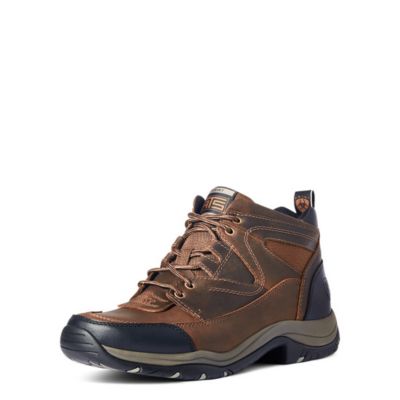
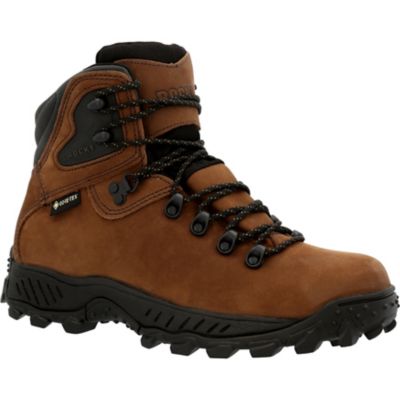
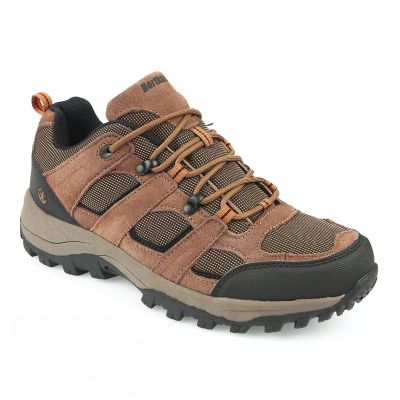
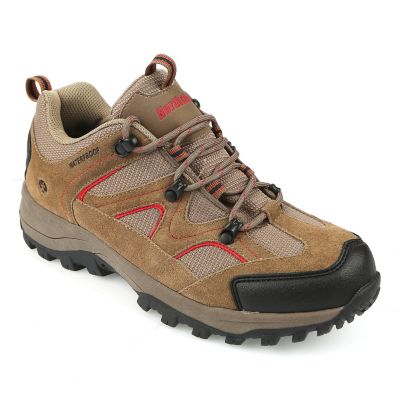
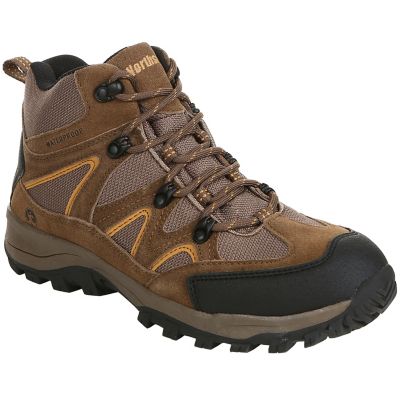
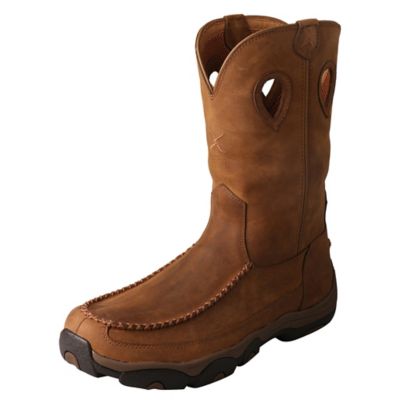
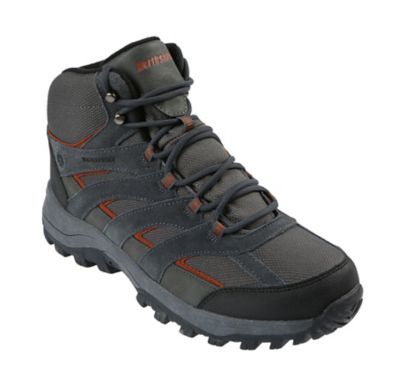
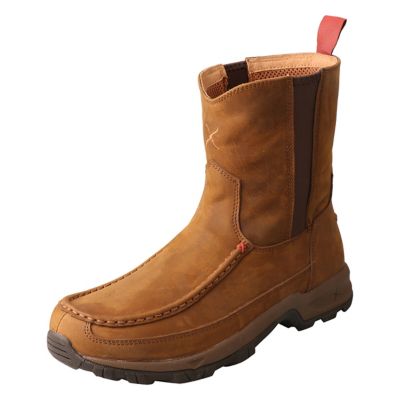
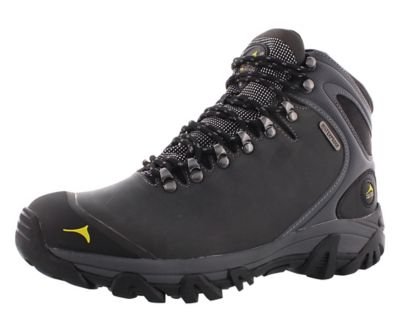
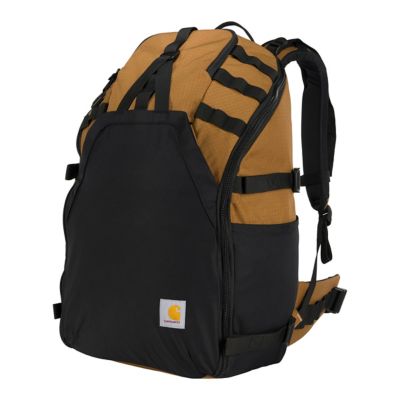
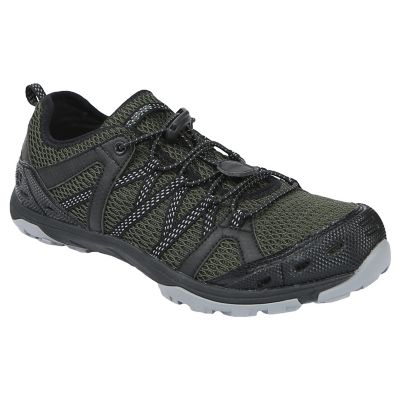
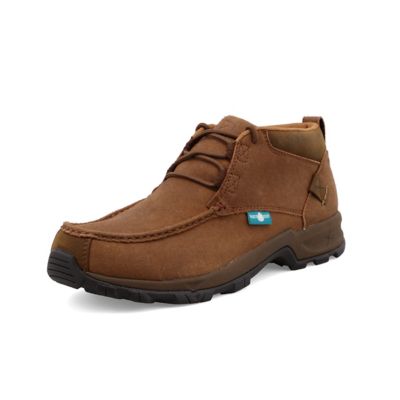
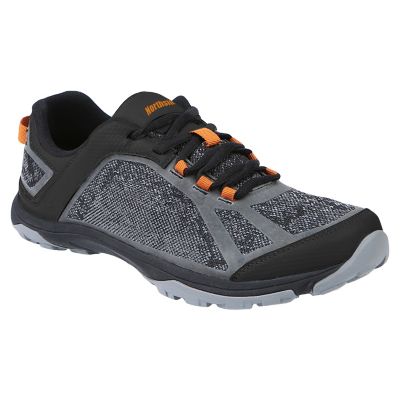
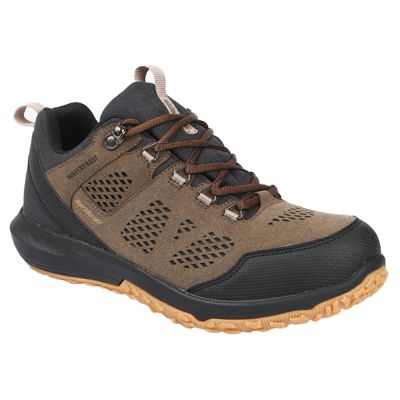
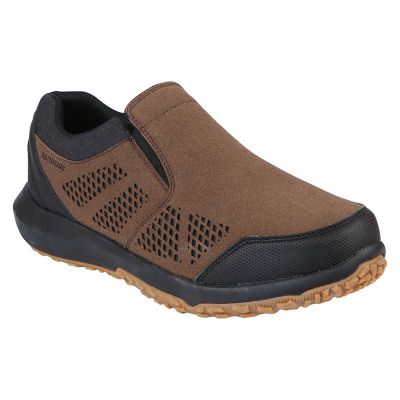
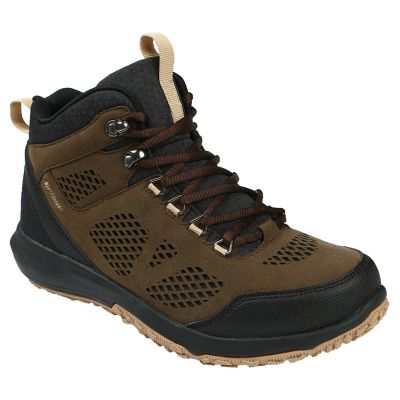
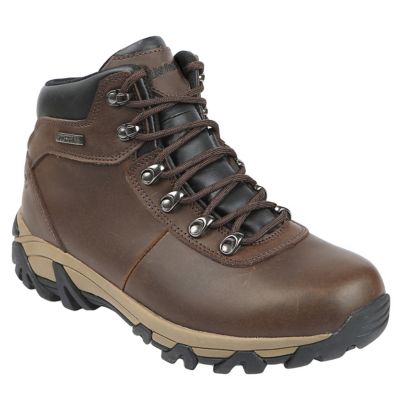
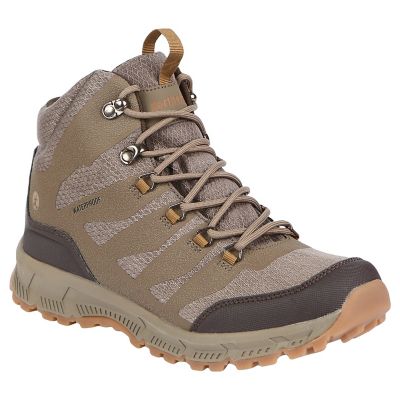
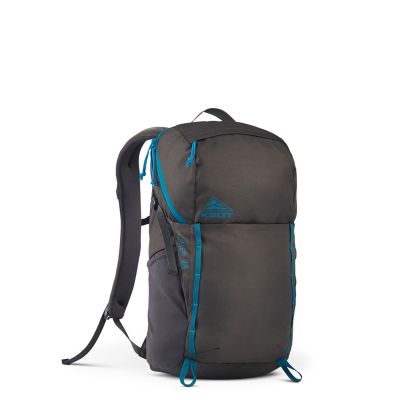
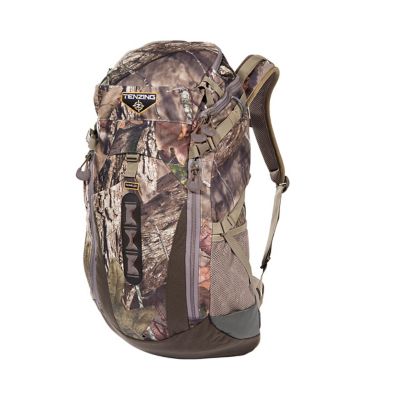
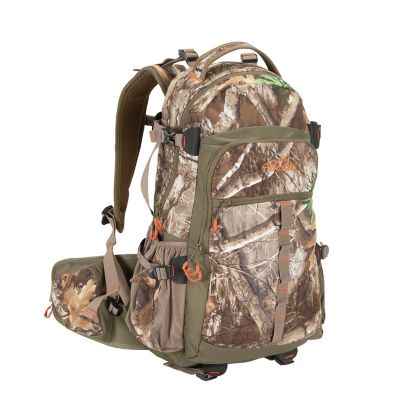
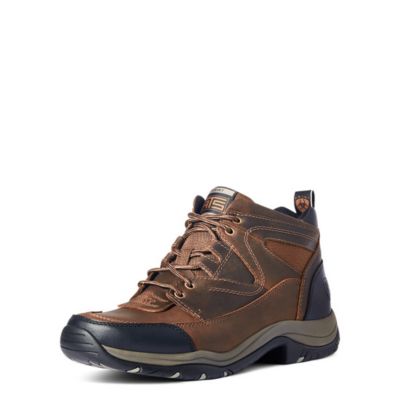
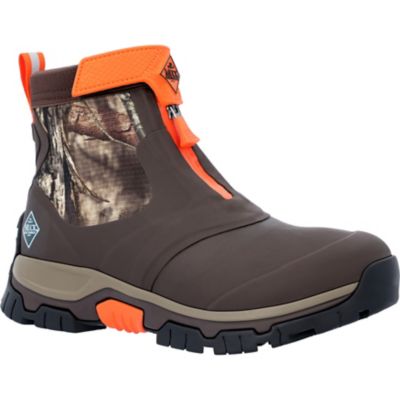
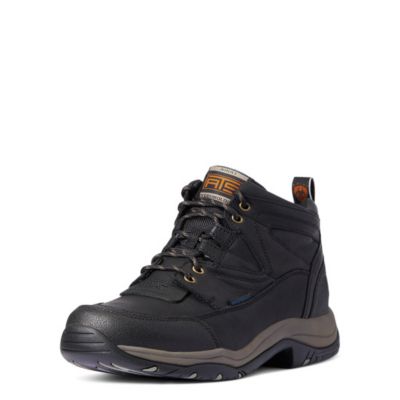
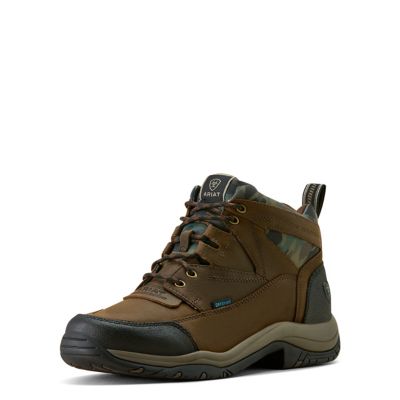
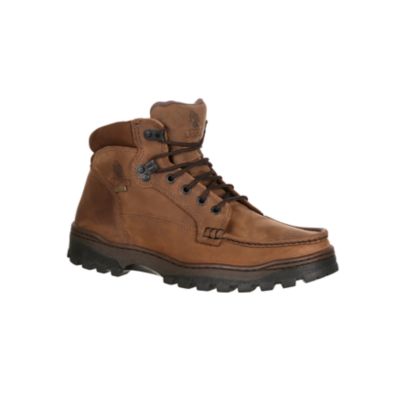
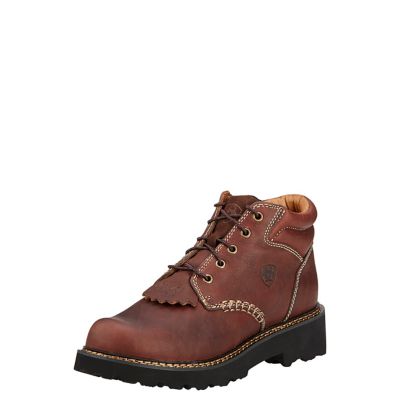
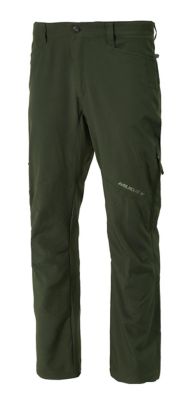
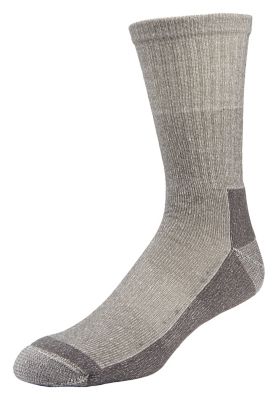
Hiking equipment for beginners should make the first few miles feel steady, comfortable and manageable, whether the trail winds through pine woods, follows a creek or climbs a rolling hillside. A simple day hike does not require a truckload of gear, but a few dependable basics can make a big difference. Start with footwear that fits well and has a grippy sole suited to dirt, gravel and uneven ground. Comfortable trail shoes or light boots are often a good choice for new hikers, while sturdy sneakers may work for short, well-maintained paths. Avoid heading out in brand-new, stiff footwear for a long walk; breaking it in around the house and on shorter outings can help prevent sore spots and blisters. Socks matter, too. Wool or synthetic hiking socks help move moisture away from the skin and usually perform better than cotton, which can hold sweat and create rubbing. A small daypack, generally in the 15- to 22-liter range, gives beginners room for water, snacks, an extra layer and a few safety items without feeling bulky. Look for comfortable shoulder straps, a supportive back panel and pockets that keep frequently used items close at hand. A pack that sits securely against the body is especially helpful when stepping over roots, walking across rocks or carrying supplies for a child or dog. For a standard day trip, carry plenty of water—around 2 liters is a useful starting point, with more needed for heat, distance or limited access to refill points. Pack easy-to-eat fuel such as nuts, trail mix, dried fruit, granola-style bars or other high-energy snacks. Even an easy trail can feel longer than expected when the sun is high or the route includes more hills than planned.
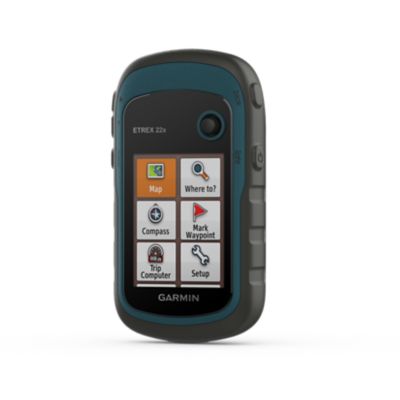
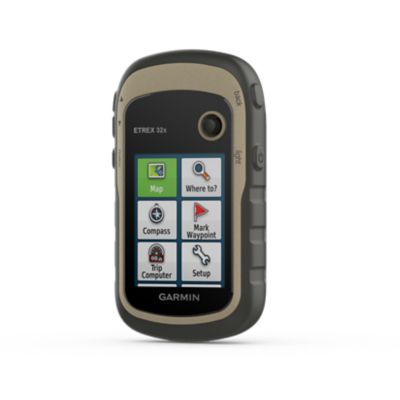
Clothing for a beginner hike works best when it can handle changing conditions. Choose a breathable shirt made from a moisture-wicking synthetic fabric or wool instead of cotton, then add layers that can be removed as the day warms or put back on when the trail turns shady. A light fleece or insulating layer offers welcome comfort during cooler mornings and late-season walks, while a packable rain jacket helps keep a passing shower from turning a pleasant outing into a soggy one. A hat, sunglasses, sunscreen and lip balm are useful in bright, open country, even when the air feels mild. During the cooler months, gloves or a warm hat may take up little room but provide a lot of comfort if the temperature drops. Navigation is another beginner essential. Before leaving home, review the route, save an offline trail map and bring a printed map or other backup when practical, since cell service can disappear around hills, thick timber and remote fields. Tell someone where you are going and when you expect to return, especially when hiking alone. A compact first-aid kit can cover common trail problems such as blisters, small cuts, scrapes and headaches; include supplies that match the group and the type of terrain. A whistle, small flashlight or headlamp and extra batteries are sensible additions when a walk could run longer than expected. A phone can help with maps and emergency calls, but it should not be the only plan. Keep it charged, protect it from rain and save important information before reaching the trailhead. Beginners hiking with dogs may also want room for a collapsible bowl, water, waste bags and a leash, while parents may appreciate a little extra pack space for children’s snacks, layers and comfort items.
The best beginner hiking gear is equipment that fits the person, the trail and the weather rather than a collection of items chosen just for their appearance. For a flat nature path, lightweight shoes and a small pack may be all that is needed; a rocky route with steep grades calls for more supportive footwear, extra water and careful attention to the forecast. Check the fit of packs and shoes before heading out, and try on clothing in layers so nothing binds at the shoulders or waist. Anyone shopping for a practical gift can put together a thoughtful starting setup for a friend, family member, college student or co-worker who has talked about exploring local trails. A comfortable pair of hiking socks, a useful daypack, a water container, sun protection or a compact first-aid kit can be helpful gifts for a new walker without requiring an exact knowledge of their preferred trail style. For more clothing and gear ideas, browse
Hiking Essentials For Men. As the weather warms, breathable layers and sun protection help keep walks pleasant; during cooler months, warm layers, weather protection and a reliable light become more important. Before setting out, check the trail conditions, leave details of the route with someone at home, pack out snacks and other waste, and give wildlife plenty of space. With dependable basics close at hand, beginners can spend less time worrying about what they forgot and more time noticing the crunch of leaves, the sound of running water and the quiet views that make a day outside worth the walk.