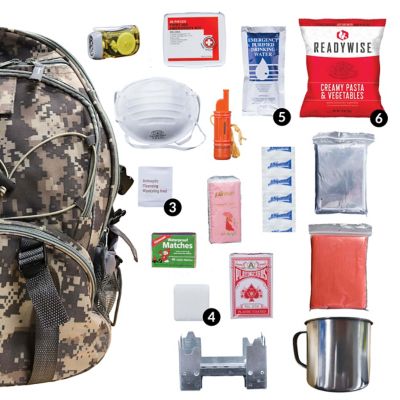
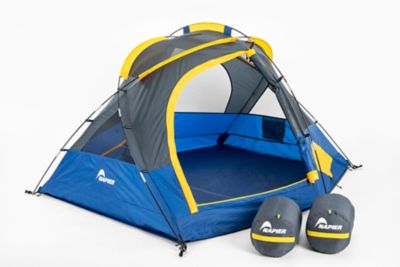
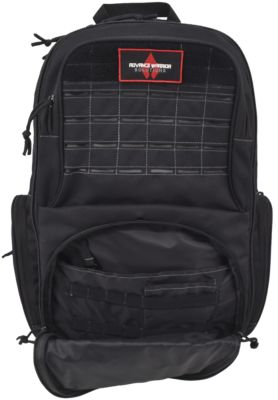
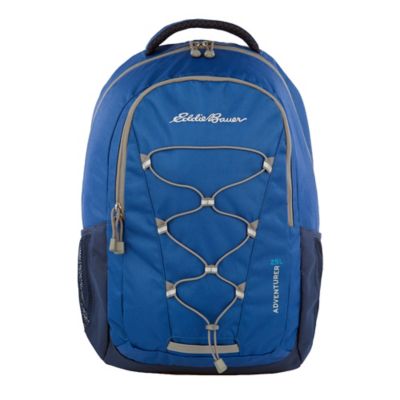
Backpacking starts with carrying the right amount of gear without turning every mile into a chore. A well-fitted backpack is the foundation, and a pack in the 50- to 70-liter range is often a practical starting point for multi-day trips, though the best size depends on the length of the outing, the season and how much equipment you need to carry. Fit matters as much as capacity: measure the torso, adjust the hip belt so it rests comfortably on the hips, and make sure the shoulder straps hold the load close without pinching. A shelter with a rainfly and a ground barrier helps keep sleeping gear dry when the weather turns wet, while a sleeping bag or quilt should be rated for the lowest nighttime temperatures you expect rather than the warmest part of the day. An insulated sleeping pad adds comfort, but it also keeps body heat from disappearing into cold ground during the cooler months. Water planning deserves the same care. Carry two to three liters of total water capacity when the route and refill points allow, and bring a dependable filter or purifier for treating water along the trail. A backup method, such as purification tablets, can be a smart bit of insurance if a filter clogs, breaks or freezes. Before heading out, check the route for reliable water sources and pack enough to cover dry stretches. These basics make thoughtful gifts for hikers, college students heading outdoors, hunters traveling light and anyone building a kit for weekend trips. They also give experienced backpackers useful ways to replace worn-out gear or fine-tune a setup before longer adventures.
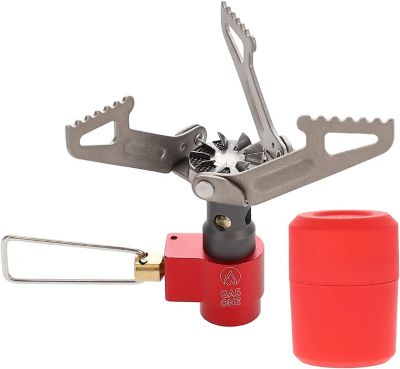
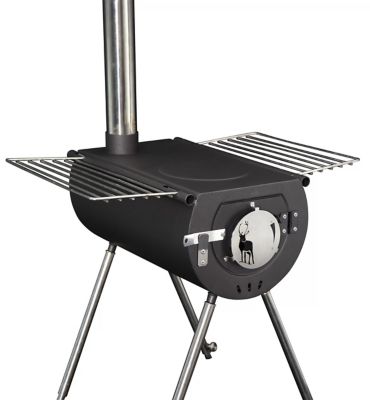
Cooking and food storage should be simple, dependable and easy to manage after a long day on the trail. Choose lightweight meals and snacks that provide plenty of calories without taking up too much room, including easy-to-cook foods, trail mixes, dried fruit, energy bars and other sturdy options that hold up in a pack. A compact cooking system, fuel, a small pot or cup and a utensil can turn a cold evening into a warm meal, but always check fire restrictions and local regulations before using a stove or starting a fire. For more ideas on building a practical camp kitchen, visit
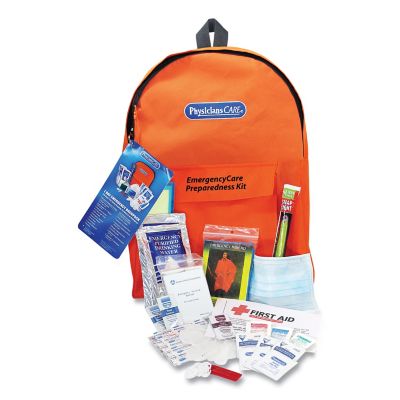
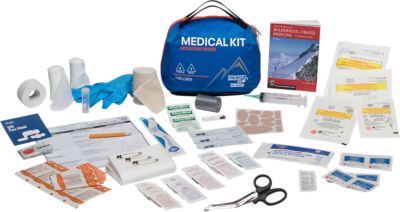
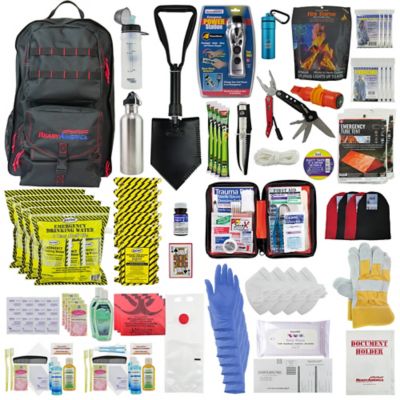
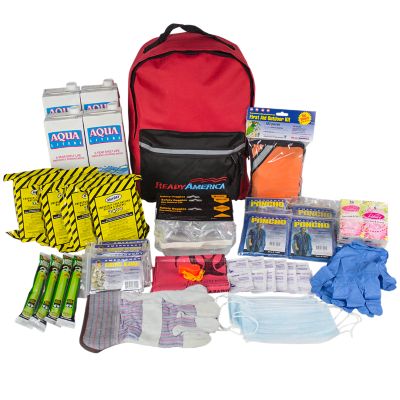
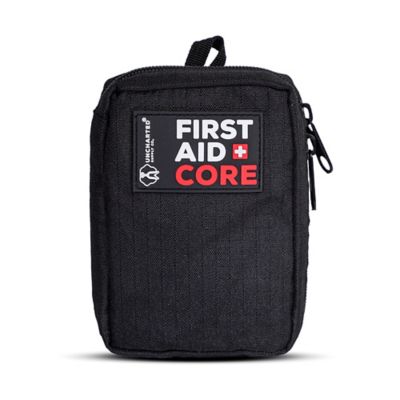
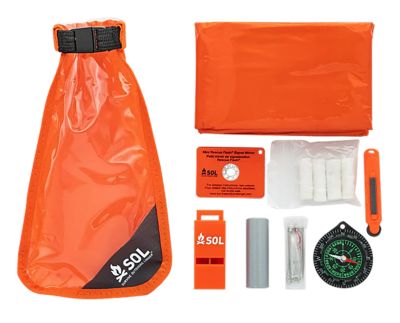
Camping Cooking Essentials. Keep food sealed from rain, insects and animals, and follow local rules for hanging or storing food where wildlife is a concern. A bright headlamp with extra batteries is essential for setting up camp, finding a trail marker after dark or handling a middle-of-the-night walk away from the sleeping area. Navigation should not depend on a phone alone. Carry a physical map and compass, download offline maps before leaving service and know how to use both. An emergency kit is another must-have, with blister care, bandages, pain relievers, personal medications and any supplies needed for known health concerns. Add a reliable fire-starting method protected from moisture, along with a whistle or other way to signal for help. Even on familiar ground, a twisted ankle, sudden storm or missed turn can change the day quickly, and a little preparation can make a stressful situation much easier to handle.
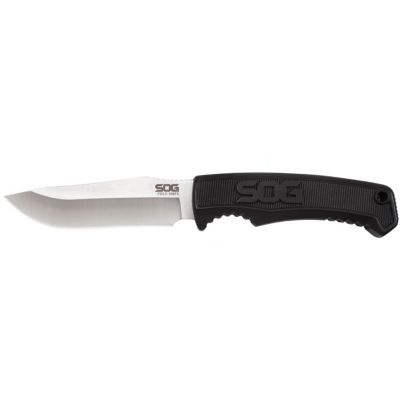
Clothing and personal comfort can make the difference between enjoying a backcountry trip and counting the miles until camp. Dress in layers that can be added or removed as the day shifts from cool morning air to warm hiking conditions and back again. A moisture-wicking base layer helps move sweat away from the skin, an insulating layer provides warmth when temperatures drop and a waterproof, breathable outer layer offers protection from wind and rain. Pack extra socks, preferably made from a material that stays warm when damp, and keep a dry pair reserved for camp. Supportive footwear with good traction should be broken in before a long trip, while gaiters can help keep mud, grit and moisture out on rough or wet trails. Sun protection remains useful even during cooler weather, so include sunscreen, sunglasses and a brimmed hat. A small hygiene and sanitation kit should cover toilet paper, hand sanitizer, a sealable waste bag and a trowel where regulations permit; pack out waste and follow Leave No Trace practices. A repair kit with cord, tape, patches and a small multitool can handle a loose strap, torn fabric or other minor trouble. Pack everything in waterproof bags or liners, especially sleeping gear, extra layers, maps and fire-starting supplies. As the weather changes through early fall and into winter, review the forecast, trail conditions and daylight hours, then adjust insulation, water planning and emergency supplies accordingly. Backpacking essentials are useful gifts for first-time campers and seasoned trail hands alike because they support the parts of an outing people remember most: a dry place to sleep, warm food at the end of the day, steady footing on the trail and the confidence to handle the unexpected.