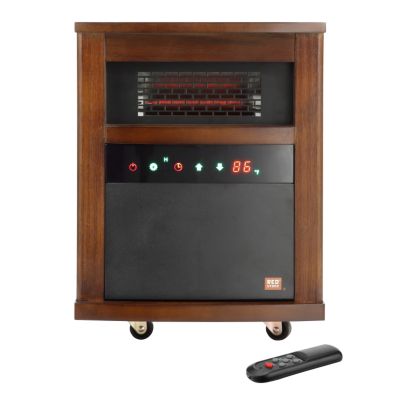
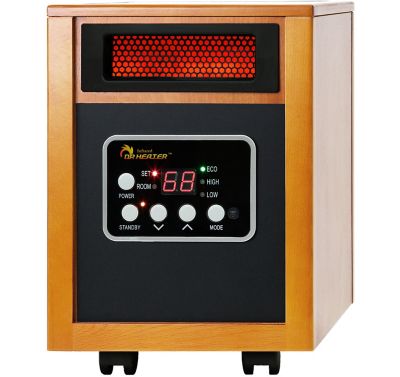
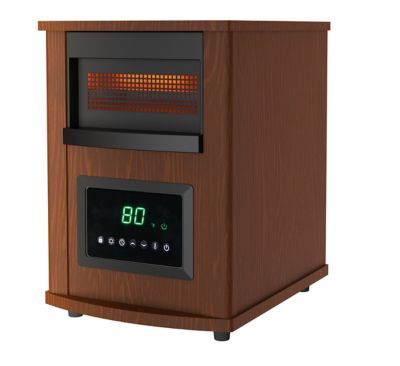
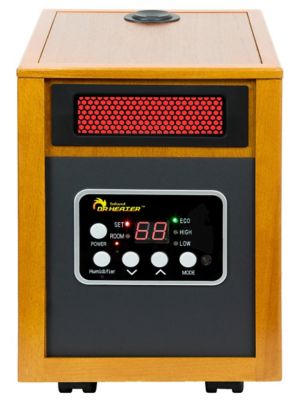
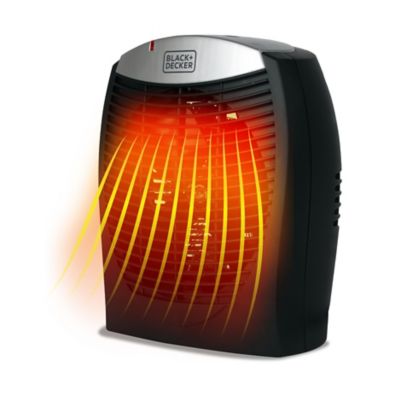
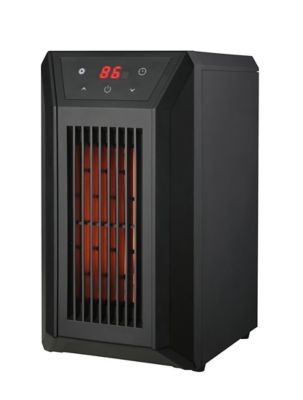
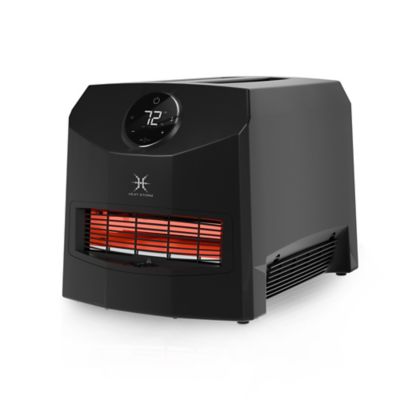
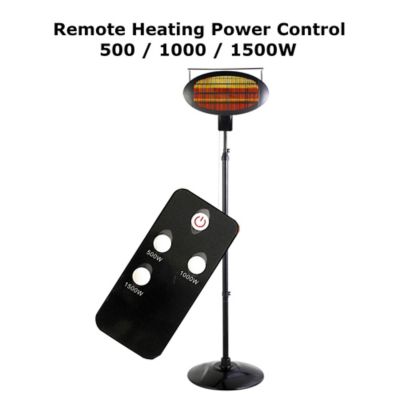
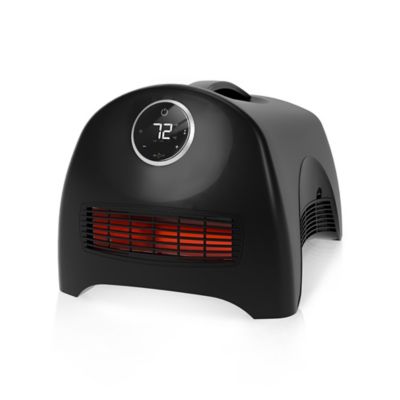
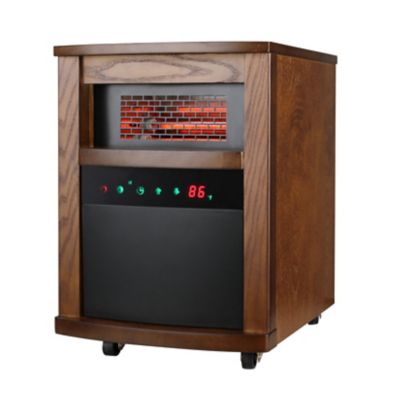
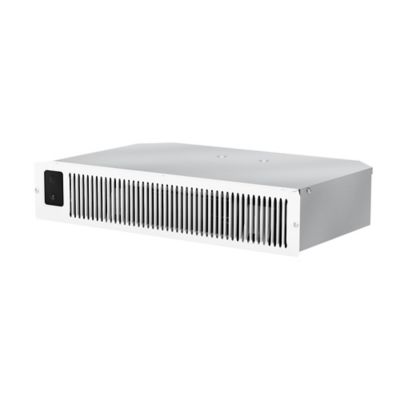
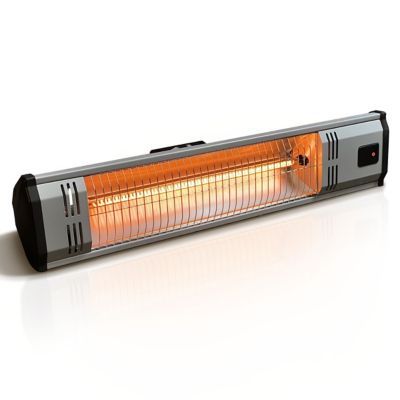
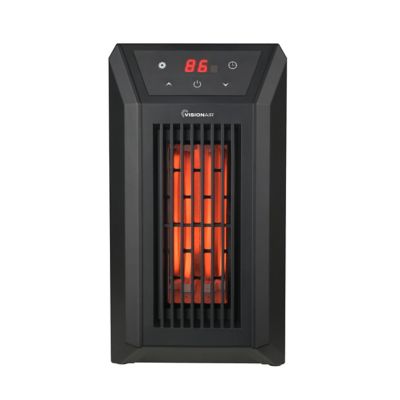
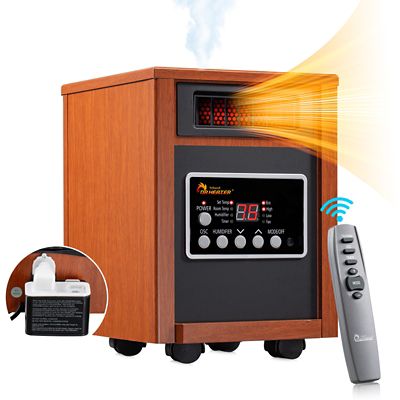
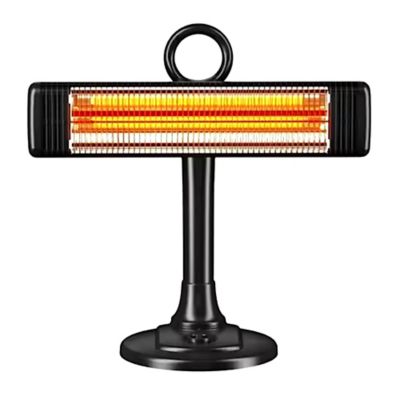
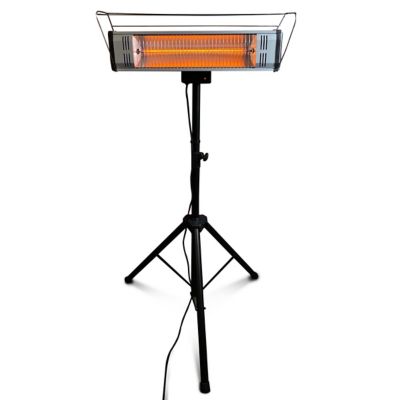
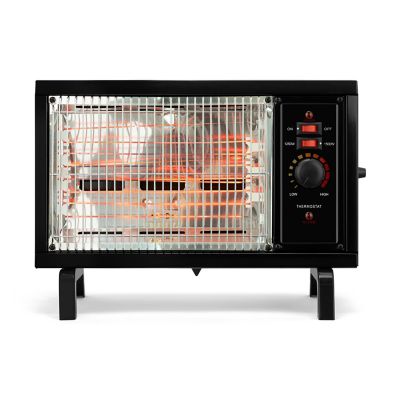
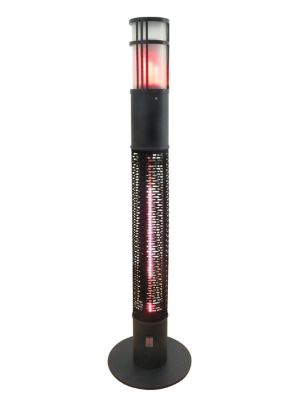
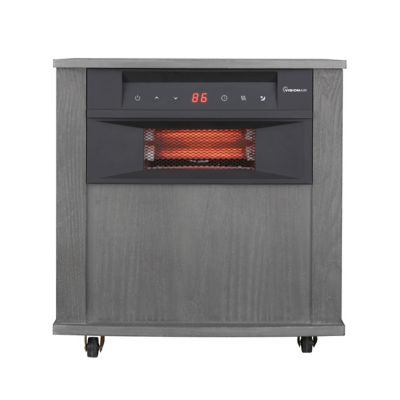
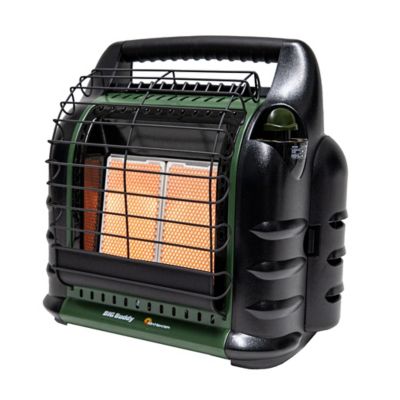
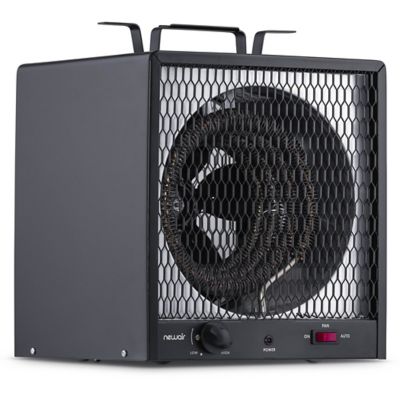
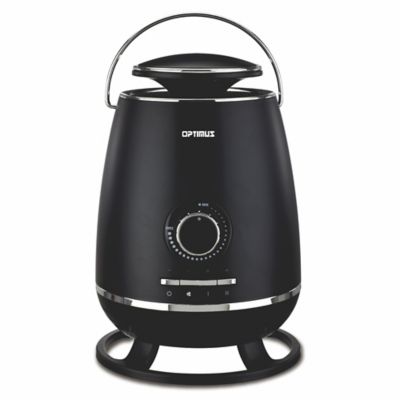
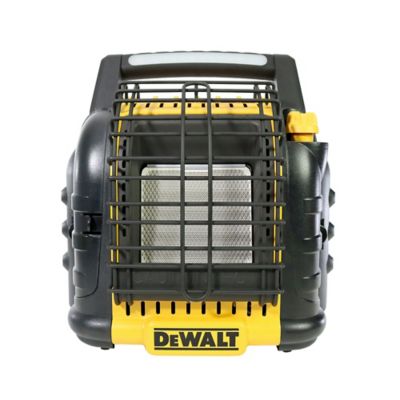
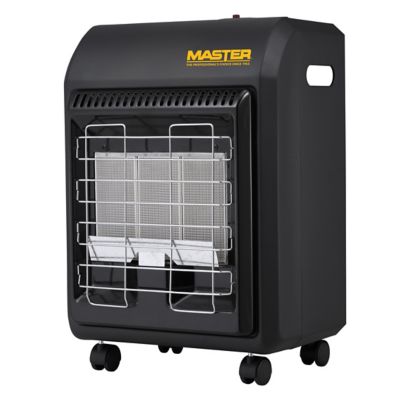
Portable electric infrared heaters bring warmth closer to the spot where you're spending time, whether that's a chair beside a drafty window, a desk in a home office or a sitting area that never seems to feel as comfortable as the rest of the house. Infrared heating works by sending radiant energy toward people and surfaces in its path, rather than relying only on warming the surrounding air. That direct warmth can feel a little like sunlight through a window, though the experience depends on the heater's design, distance and placement. Some designs also include a fan to move warm air through the room, so infrared doesn't always mean silent operation or a completely fan-free heater. These plug-in heaters can supplement a home's main heating system, especially when the goal is making an occupied space more comfortable without changing the thermostat for every room. They're not a replacement for properly sized whole-house heating, and an open doorway, high ceiling or steady draft can affect how a space feels. For a farmhouse office, reading nook or enclosed hobby room, the best fit starts with the room itself: its layout, insulation, ceiling height and the distance between the heater and the place where someone sits. A large square-footage claim doesn't tell the whole story, particularly in rooms with poor insulation or several exterior walls. Placement matters just as much as stated coverage. A heater tucked behind a couch or under a crowded table won't deliver warmth the same way as one with an open path toward the occupied area. Portable electric infrared heaters make the most sense where their warmth can reach people without putting the cabinet, cord or hot front surface in the middle of foot traffic. That balance between comfort and clear floor space is especially helpful in a busy home where work boots, pet beds and everyday chores already claim their share of the room.
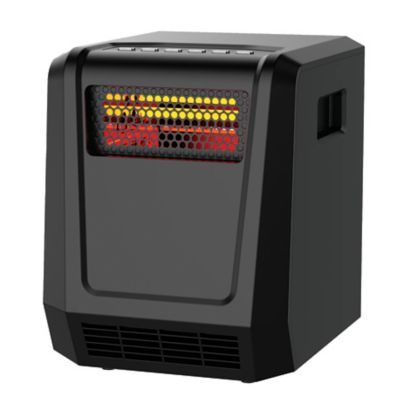
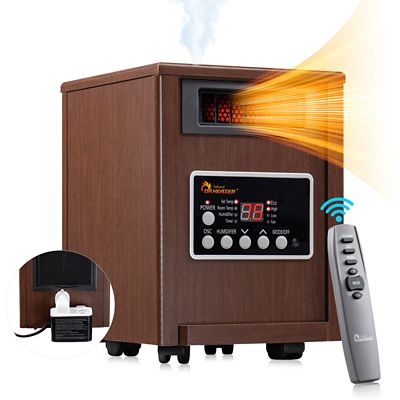
Cabinet shape, exterior materials and carrying features all affect how a portable heater fits into daily life. Metal housings, molded exterior panels and wood-look cabinets offer different appearances, but the front grille and nearby surfaces may still become hot during operation. A cool-touch description, when provided by the manufacturer, applies only as specified and doesn't remove the need to keep children and pets away from hot areas. Broad bases, well-placed handles and rolling casters can make a difference when moving a heater between approved locations, although it should always be switched off, unplugged and allowed to cool before moving. A low cabinet may sit comfortably beside a seating area, while an upright design takes up a different slice of floor space; either way, the required clearance extends beyond the heater's footprint. Controls deserve the same attention as size. An adjustable thermostat helps maintain a selected temperature near its sensor, while multiple heat settings let the output match the task more closely. A lower setting may be enough for a small enclosed office, while a larger or draftier room places more demands on any portable electric heater. Digital displays, remote controls and timers can add convenience, but their functions vary, and a timer doesn't make unattended operation appropriate. Fan noise and display brightness also matter in spaces where someone reads, handles paperwork or watches television. For a broader look at plug-in heating styles,
Electric Portable Heaters includes options beyond infrared designs. Wattage is another practical consideration: a typical 1,500-watt heater draws about 12.5 amps on a 120-volt circuit, which is a substantial load. Other appliances on the same circuit can add to that demand. Infrared technology changes how warmth reaches the room and its occupants, but it doesn't make electricity consumption disappear. Heating output, operating time and the room's heat loss all play a part in the amount of electricity a heater needs.
A good everyday setup leaves plenty of breathing room around the heater and keeps its cord out from under rugs, furniture legs and busy walkways. Set it on a firm, level surface permitted by the manufacturer, with at least 3 feet between the heater and combustible materials such as curtains, bedding, papers and upholstered furniture, or more if its instructions require it. Plug a portable electric heater directly into an appropriate wall outlet rather than an extension cord or power strip. The plug should fit securely; a loose connection, hot outlet, discolored receptacle or damaged cord calls for stopping operation and addressing the problem before the heater runs again. Tip-over switches and overheat shutoffs are useful safeguards when included, but they don't replace careful placement and supervision. Turn the heater off before leaving the room or going to sleep, and don't drape gloves, socks or coats over it to dry. In rural homes, it can be tempting to move any handy source of warmth into a mudroom, outbuilding or work area, but location ratings matter. A heater intended for dry indoor rooms doesn't belong in a damp space, outdoors or near water. Ordinary household heaters also aren't suited to areas with airborne sawdust, hay, fuel vapors or other flammable materials. Keeping the heater clean helps preserve airflow and keeps lint from collecting around openings. Once it's unplugged and completely cool, wipe the exterior and clean accessible grilles or filters only as directed; some filters need routine attention, while other designs have no homeowner-serviceable filter at all. Household sprays and water shouldn't enter the cabinet. Before putting the heater away, check the cord, plug, wheels and housing for wear or damage, then store it dry with the cord loosely arranged rather than pulled tight around the body. Those small habits help keep a portable electric infrared heater ready for the next stretch at the desk, evening with a book or quiet break after chores, with warmth directed where it can do the most good.