Safety Fences
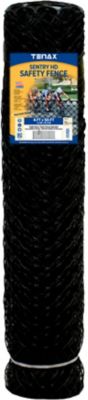
Shop safety fences to mark off work areas, set boundaries, and help keep people clear of hazards around your property. Browse fencing options with your layout in mind, and check fence height, coverage, and installation requirements to find a fit for the area you need to block off.






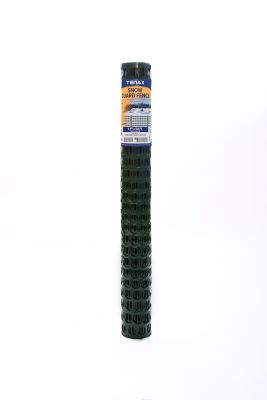
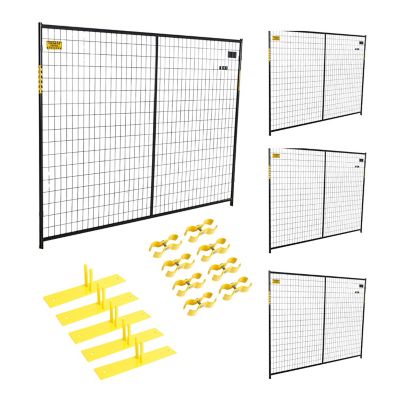
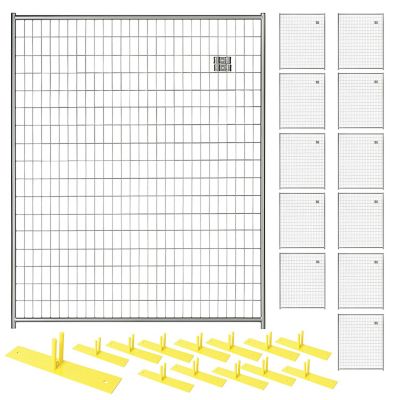
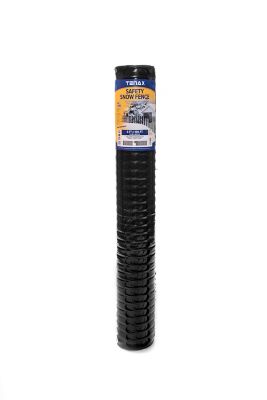


Best Of FAQ
How does temporary fencing differ from permanent fencing?
Temporary fencing is intended for projects or setups that change over time, while permanent fencing stays in place as an ongoing property feature. Installation methods and local requirements can differ, so check both before getting started.
What is the difference between mesh fencing and panel fencing?
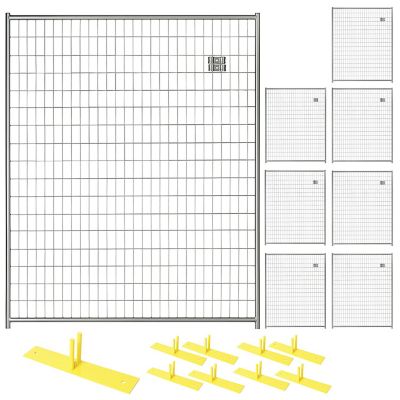
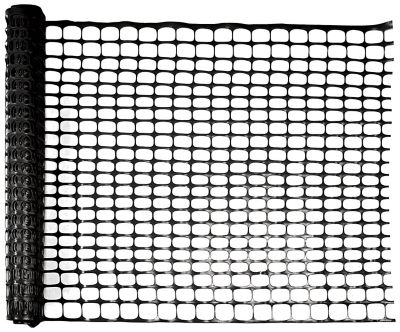
Mesh describes fencing with a network of openings, while panels are individual fence sections. These terms can overlap: a fence panel may contain mesh. Check the fence description to understand its construction and setup requirements.
What should I include in a temporary fence layout?
Sketch the area you plan to fence, mark property lines, and note driveways, gates, and access routes for chores or equipment. Include any sections that will need to move as the project progresses.
Do local rules apply to temporary fencing?
Your town or county may have permit, placement, or appearance requirements for temporary fencing. Property agreements and homeowners associations may have rules, too. Check with the appropriate local office before installation.
How should I store temporary fencing between projects?
Follow the manufacturer's cleaning and storage directions. Clear away dirt and plant debris, let the fencing dry, and roll or stack it as directed. Keep compatible posts, clips, and connectors together so they're easy to find for the next job.
Best Sellers
-
"This fence panel has a great design and is high quality"
-
"I love how sturdy and affordable and great looking these fence panels are great"
-
"Great looking fence for our dogs. We had to replace a panel from storm damage"
-
"Great fencing very strong, I can't even get the material to stretch at all"
-
"Fast service great product great price"