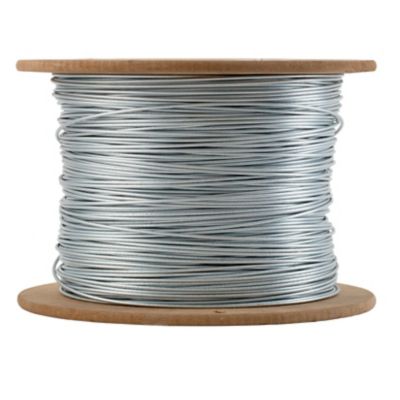
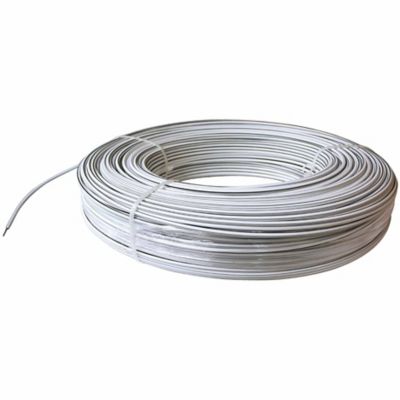
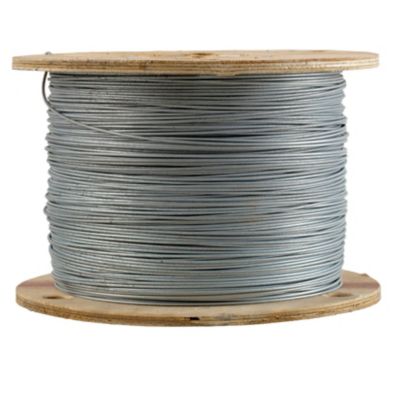
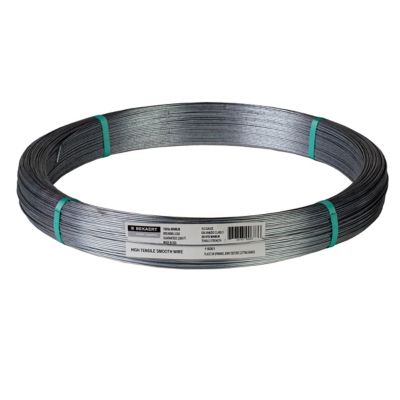
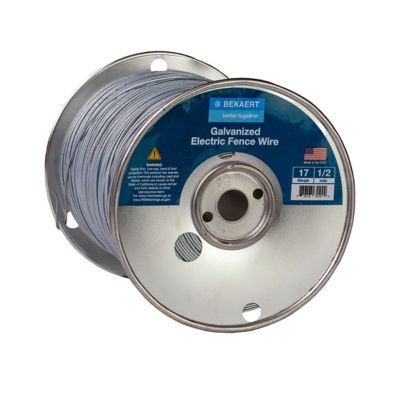
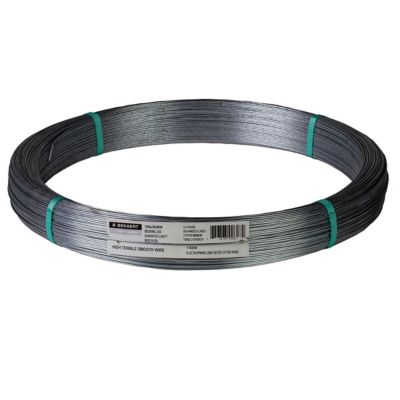
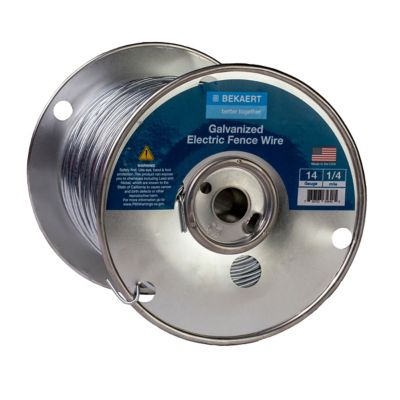
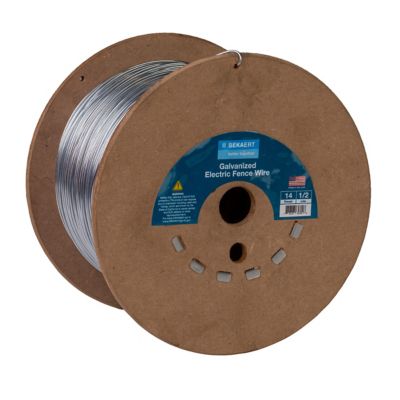
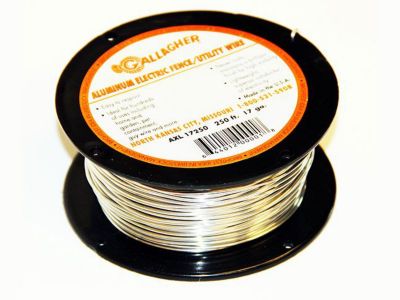
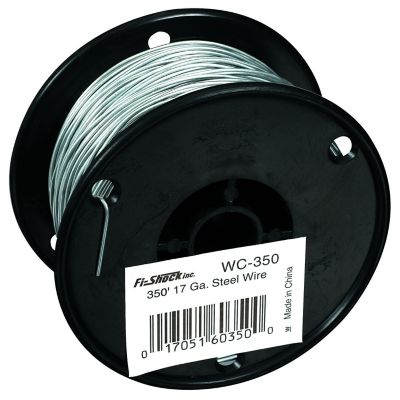
Electric fence wires carry the pulse that helps livestock learn where a pasture, paddock, or grazing lane ends. The right wire depends on the job: a permanent boundary around several fields calls for different handling and strength than a cross fence that moves between grazing areas. Solid galvanized steel wire, high-tensile steel wire, aluminum wire, and flexible polywire each have a place on the farm. Galvanized steel has a zinc coating that helps protect the metal against corrosion, making it a practical choice for established fence lines. High-tensile steel offers strength and resistance to stretching, but it also calls for suitable bracing, tensioning hardware, and careful handling during installation. Aluminum weighs less than steel and carries electricity with less resistance than steel of the same diameter, which can be helpful when planning longer runs. It is also easier to bend, though its strength and handling requirements differ from those of high-tensile steel. For solid metal fence wire, a lower gauge number means a thicker wire. Within the same material, thicker wire generally has less electrical resistance, helping limit voltage loss along the line. Gauge alone does not tell the whole story, though; material, total fence length, connections, and the condition of the fence all affect performance. A long, straight pasture boundary and a small holding paddock may need different wire specifications even when both contain cattle. Comparing wire diameter, breaking strength, coating, and resistance per stated length gives a clearer picture than comparing roll length alone. For a permanent setup, the wire also needs to suit the posts, corner assemblies, strainers, and insulators already in place. A wire that fits the hardware and the intended tension is easier to keep properly supported, with fewer trouble spots at corners, gates, and changes in direction. That matters on working ground, where a fence should support the daily routine rather than add another chore.
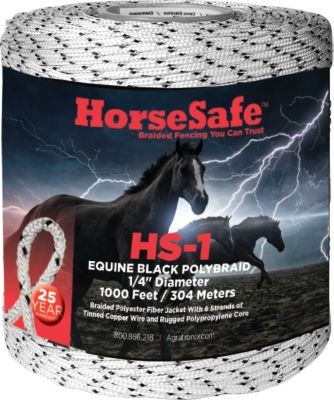
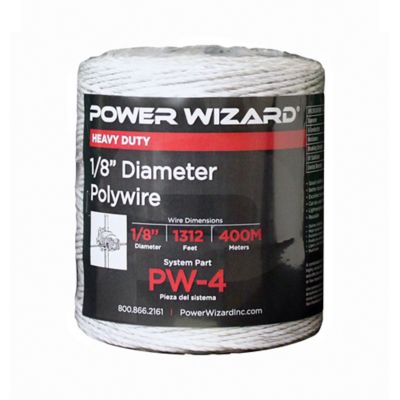
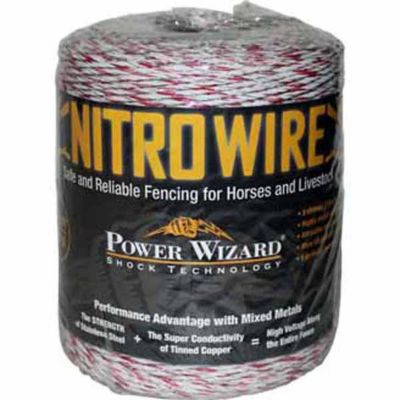
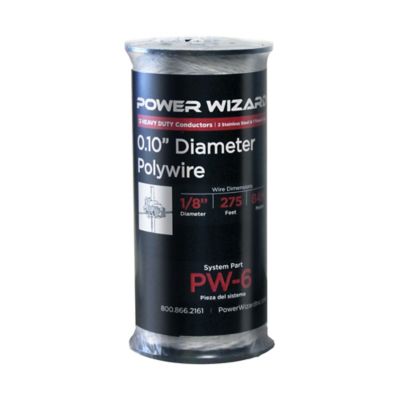
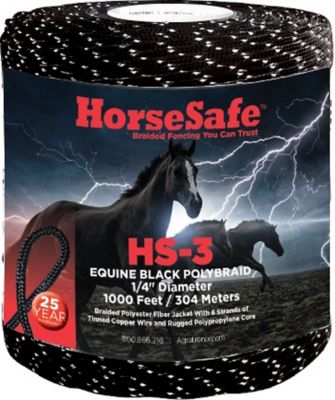
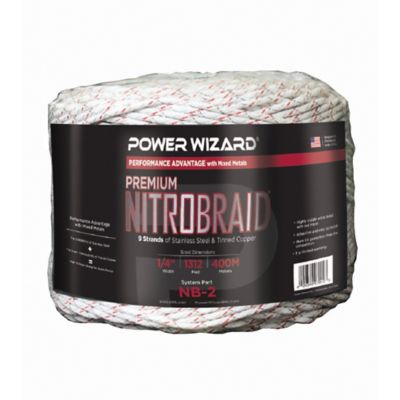
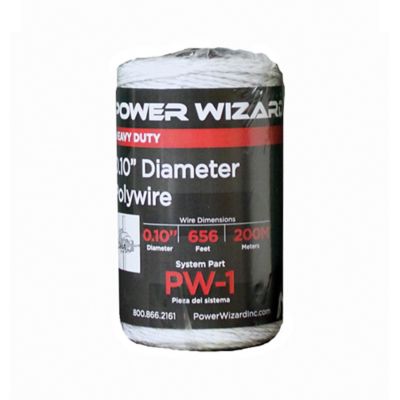
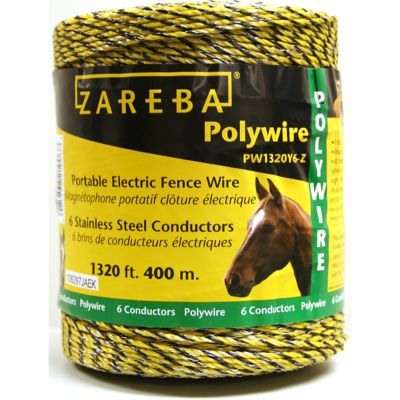
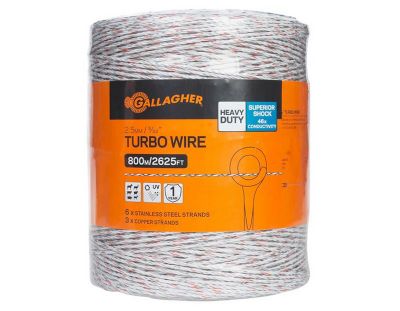
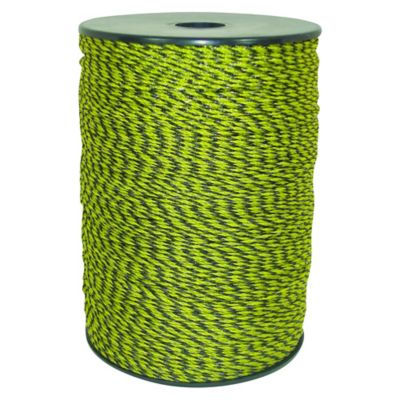
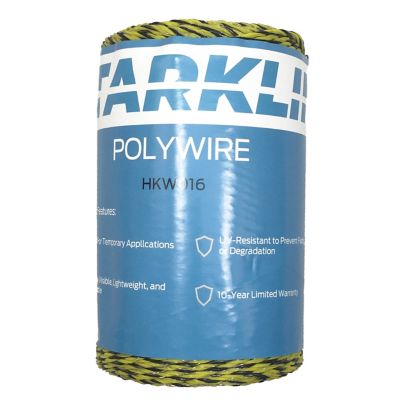
Polywire brings a different set of strengths to temporary electric fencing and rotational grazing. It combines synthetic strands with fine metal conductors, creating a lightweight line that can wind onto a reel and move from one grazing strip to the next. That makes it handy for livestock owners dividing a larger pasture, resting one section while animals graze another, or setting up a temporary lane between established enclosures. The synthetic strands provide support and visibility; the metal filaments carry the electrical pulse. Conductor material, filament size, and construction all affect resistance, so two polywires with similar appearances can perform differently over the same distance. More filaments do not automatically mean better conductivity. Resistance ratings compared over equal lengths offer a more useful way to judge suitability for longer runs. Polyrope and electric fence tape are related options where a more noticeable boundary matters, particularly around horses, but they require hardware sized for their shape and width. Thin wire can be hard for animals to see, so visibility deserves attention alongside electrical performance. Horse fencing needs particular care in its layout, visibility, and potential for entanglement; wire strength alone is not a measure of suitability. For sheep and goats, coat, animal size, and fence spacing influence how readily an animal contacts an energized strand. Young animals may need a different arrangement from mature cattle, and animals unfamiliar with electric fencing need an appropriate introduction in a secure enclosure. Electric wire supplies a behavioral boundary rather than the same physical barrier as a substantial nonelectric fence. That distinction matters beside roads, near neighboring property, or anywhere an escape would carry serious consequences. For movable setups, ease of reeling, manageable roll weight, and resistance to tangling can make everyday chores smoother. For established lines, strength, corrosion resistance, and compatible connections often take priority. The best match comes from the animals, the layout, and how often the fence needs to move.
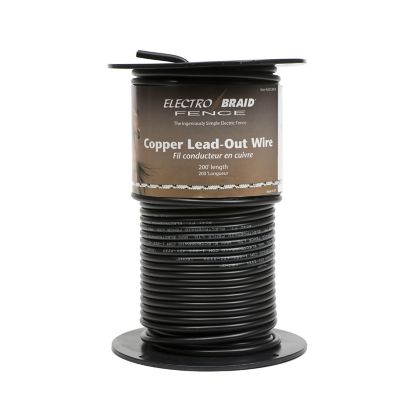
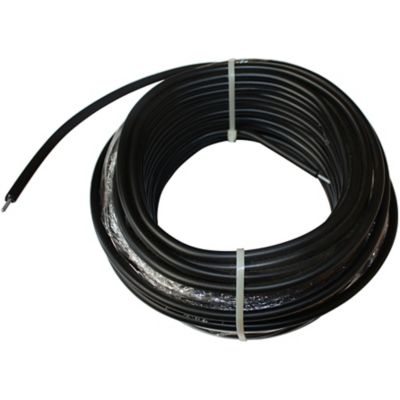
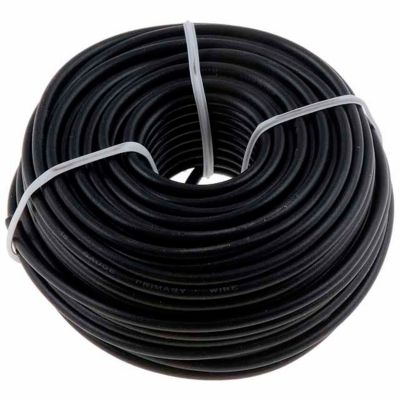
Electric Fences work as a complete system, so wire selection belongs alongside the energizer, grounding arrangement, posts, insulators, and connecting hardware. An energizer sends controlled pulses through the fence, and effective grounding helps complete the circuit when an animal makes contact. Grounding requirements vary with the energizer and site conditions; the manufacturer’s directions should determine the rod arrangement rather than a one-size-fits-all rule. Energizer suitability also depends on the total length of energized wire, not simply the distance around the pasture. Several strands around one field add up to substantially more conductor than a single strand along the same route. Vegetation touching the line, damaged insulation, and poor connections can draw power away from the fence, even when the wire itself suits the job. Compatible connectors help maintain electrical contact at joins and reduce problems associated with joining dissimilar metals. Insulators need to fit both the conductor and the post, keeping energized wire from contacting supports that could allow power to escape to ground. Gate openings deserve the same attention as the long stretches between corners. Where power must travel beneath a gate or from the energizer to the fence, cable rated for electric fence lead-out and underground applications provides the insulation that bare fence wire lacks. Ordinary household wire is not a substitute for cable rated for that purpose. Ongoing care is mostly about noticing small changes before they interrupt the whole line: broken polywire filaments, loose joins, damaged insulators, excessive sag, or vegetation resting against a strand. A fence tester helps check performance beyond the energizer, including at distant sections and across connections. Power should be off before handling or repairing conductors, and only an appropriate fence energizer should supply the line. For reusable temporary fencing, winding clean, untangled wire onto a suitable reel helps protect the fine conductors between moves. Matching the material, hardware, and care routine to the work gives electric fence wire a useful place in everything from a small livestock paddock to a broad pasture rotation.