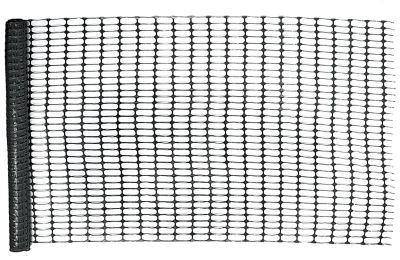
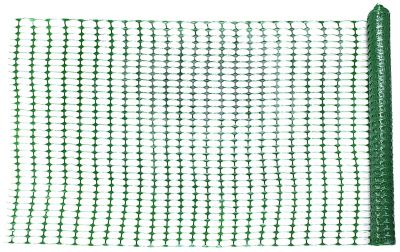
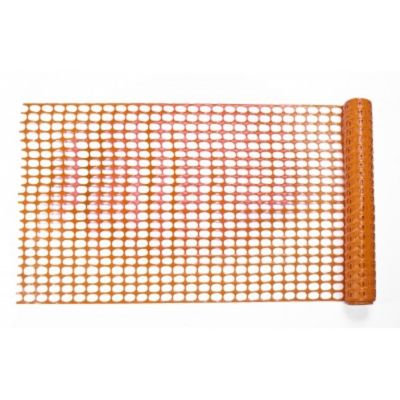
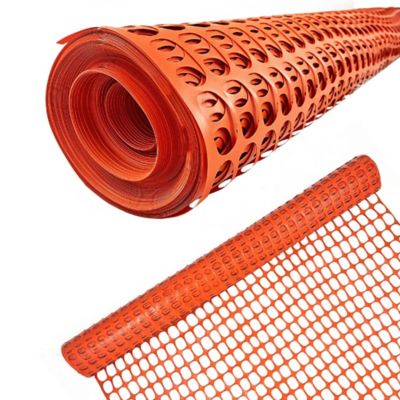
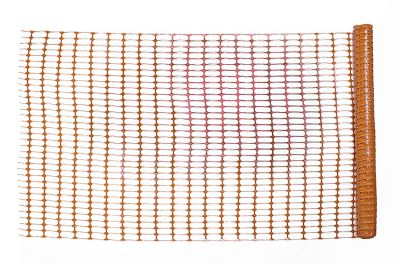
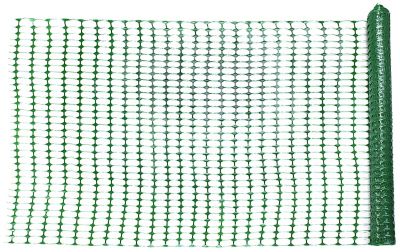
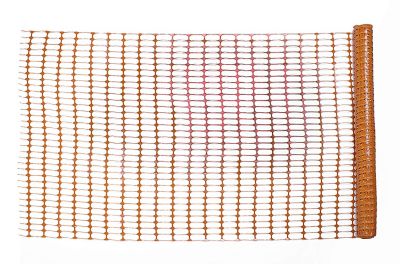
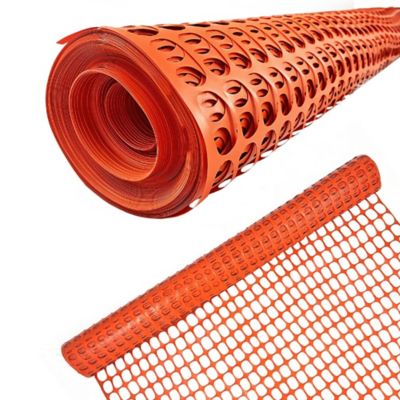
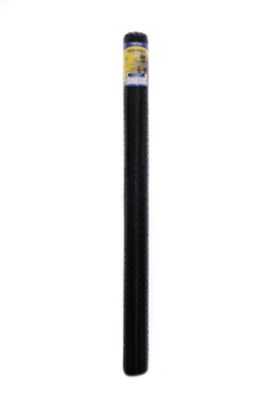
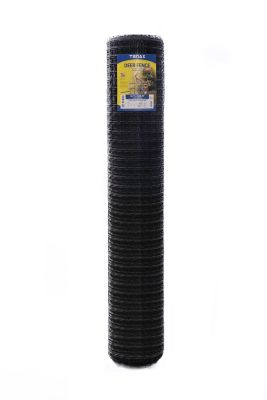
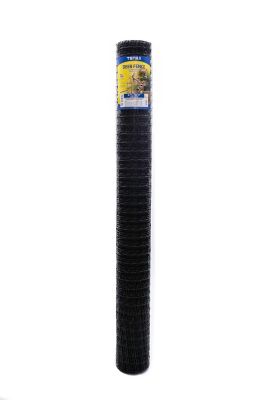
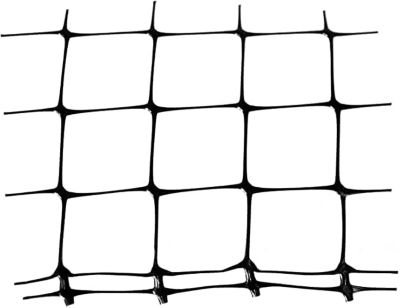
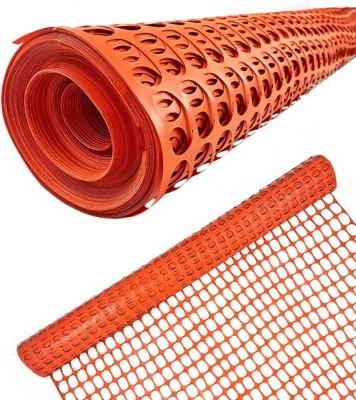
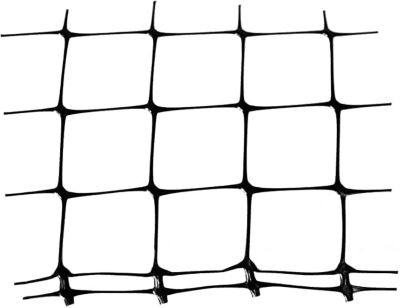
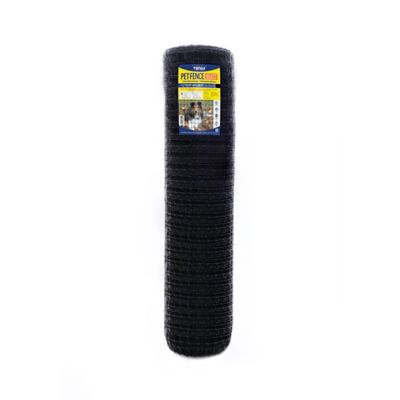
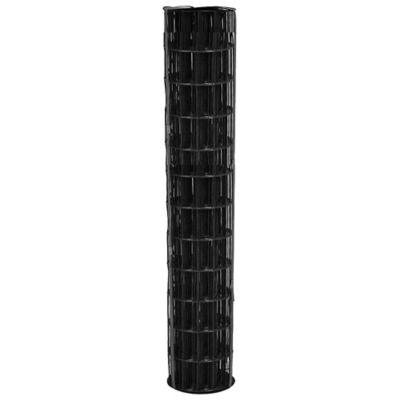
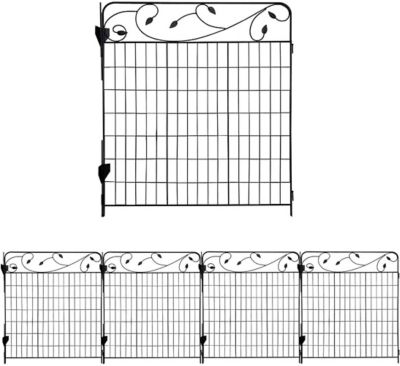
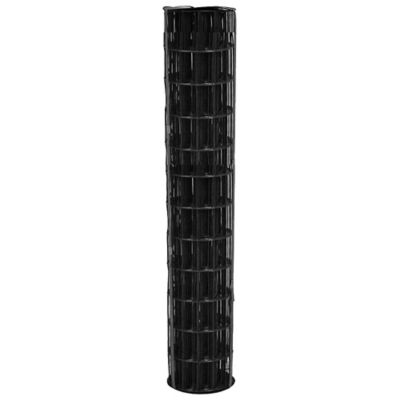
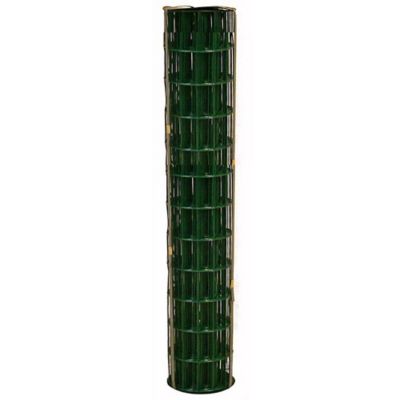
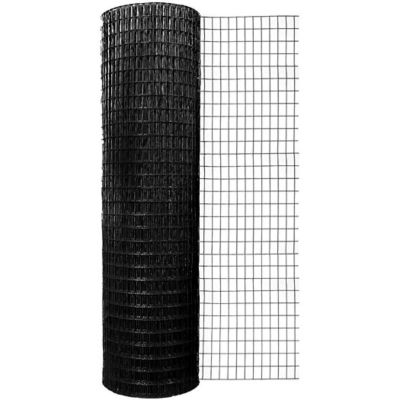
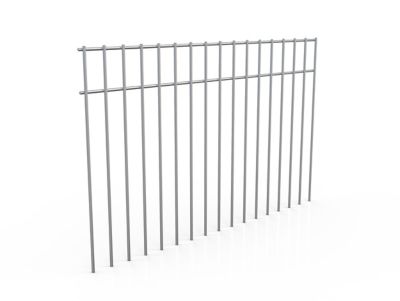
Barrier fences create a physical boundary to help keep animals in, keep unwanted visitors out, or separate people from areas that need restricted access. Around a home, farm, garden, or jobsite, the right barrier depends on what needs to stay on each side of the fence. Low wire fencing can mark off a vegetable patch, below-ground sections can help close digging routes beneath an existing fence, and taller metal panels can establish a more substantial perimeter. Temporary plastic safety mesh serves a different purpose: it makes a boundary easy to spot without providing the strength of a permanent enclosure. Silt fencing is another specialized category, intended to intercept sediment in runoff rather than contain animals or secure property. These differences matter because height alone does not tell the whole story. Opening size, material strength, ground clearance, post spacing, and the way sections connect all affect how a barrier performs. Steel wire offers a firm structure, while galvanized finishes and protective coatings help limit corrosion. Plastic mesh is lightweight and easier to move between temporary locations, though it is not a substitute for load-bearing fencing. Woven sediment-control fabric has its own support and placement requirements. For a permanent boundary, the fence, posts, braces, gates, and fasteners need to function as a complete system. A sturdy panel cannot make up for a loose corner post or a gate that leaves a wide opening underneath. Fit also includes the shape of the property. A straight run beside a driveway presents different needs than a fence crossing uneven ground or wrapping around a crowded garden bed. Overall height, actual panel dimensions, attachment points, and compatibility with existing posts are useful details to compare. The most suitable barrier matches both the job and the surroundings, whether that means preserving a clear view across the yard, leaving room for a mower, or allowing a wheelbarrow through without taking a section apart.
For pet owners, barrier fencing often addresses the small gaps that cause big headaches: a hollow beneath a gate, a loose section along a kennel, or soft ground where a dog keeps digging. Below-ground barriers can extend protection beneath an existing fence, but their depth, spacing, and attachment must suit the animal and the site. A determined digger may need a different setup than a small dog slipping through an opening at ground level. Smooth exposed edges, secure connections, and openings that do not trap paws or heads are important considerations anywhere pets spend time. Fencing should also account for climbing and jumping rather than focusing only on digging. No single barrier suits every animal, and supervision remains important when introducing pets to a newly enclosed area. Before any ground penetration, underground utility locations and installation requirements deserve attention. Around vegetable beds and flower borders, garden barrier fencing helps separate growing space from foot traffic and animals. Small openings near the ground matter when rabbits are the concern, while a low border alone will not stop an animal that can easily jump over it. For properties where browsing deer are the main concern,
Deer Barriers address a different challenge than short garden fencing, with overall height and layout taking on greater importance. A garden entrance that closes securely is just as important as the fence running beside it. Access should leave enough room to carry a harvest basket, kneel beside a bed, or bring in a cart without squeezing through. On farms and small acreages, animal containment requires particular care with species, size, behavior, and pressure against the fence. Lightweight garden mesh is not livestock containment, and fencing suitable for one animal may be a poor match for another. Horses, cattle, goats, and poultry have different needs for visibility, opening size, height, and strength. Barrier fencing works best when its intended purpose is clear, rather than asking one lightweight boundary to handle every chore around the place.
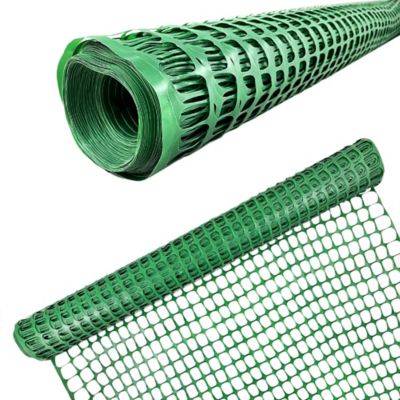
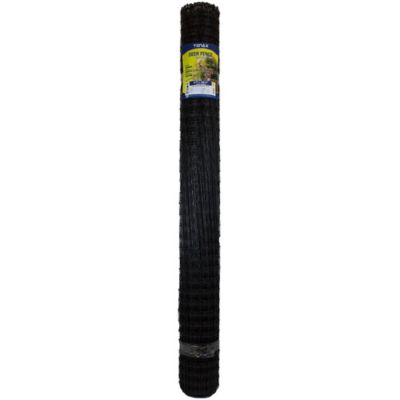
Temporary work areas and permanent property boundaries call for their own mix of visibility, strength, and access. Bright plastic safety mesh can make a trench perimeter or restricted work area easier to recognize, but it does not provide fall protection, vehicle restraint, or the security of a substantial fence. Where entry must be controlled, metal fencing and properly supported gates offer a more substantial boundary, with project requirements determining the necessary construction. A farm lane that needs equipment access has different clearance needs than a walking path beside a building. Gate width, turning room, and a latch that stays shut during normal activity all affect everyday convenience. Where sediment control is the goal, silt fence fabric helps slow sediment-laden runoff and retain soil particles when correctly installed and maintained. It is not a retaining wall or a barrier for concentrated flowing water, and placement may need to follow local erosion-control requirements. Across these fence types, service life depends on more than the main material. Connections, posts, ground contact, and repeated handling can become weak points, especially where equipment brushes past or animals push against the line. Galvanized wire and coated metal benefit from checks for scratches, bent sections, rust, and loose fasteners. Plastic mesh needs attention to stretched openings, tears, and sagging between supports. Sediment-control fabric needs inspection for damage, undermining, and accumulated material that interferes with its purpose. Keeping plant growth from hiding the fence line makes these problems easier to spot and helps preserve access for maintenance. Removable sections should be cleaned as directed and stored without sharp folds or heavy objects pressing against them. Permanent installations benefit from gates that swing freely, posts that remain firm, and connections that hold sections in alignment. A well-matched barrier fence does its job without making daily chores harder, whether it follows the edge of a kitchen garden, closes a gap beneath a backyard fence, or sets a clear boundary beside an active work area.