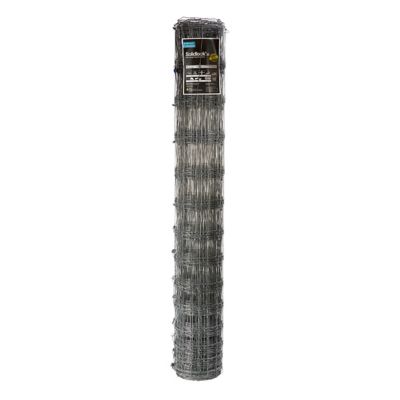
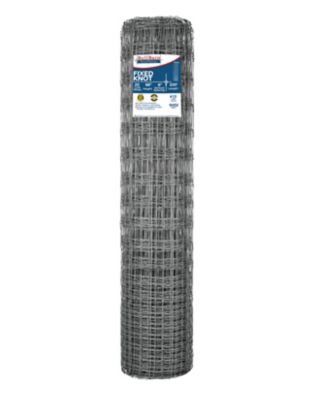
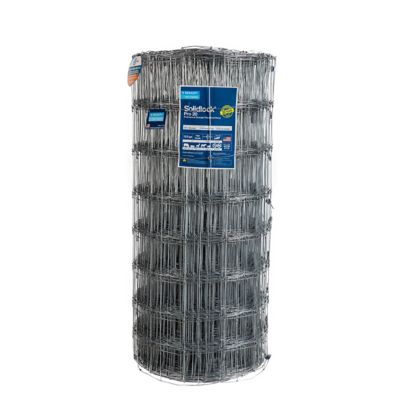
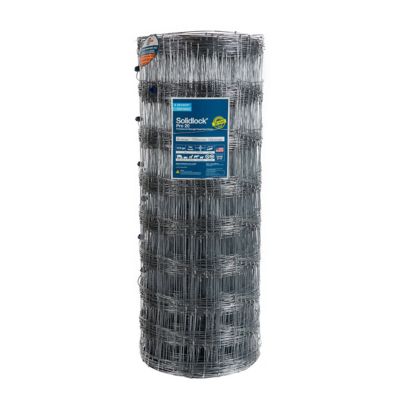
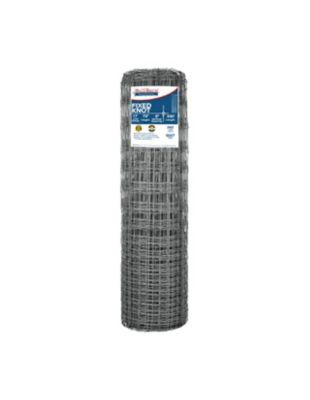
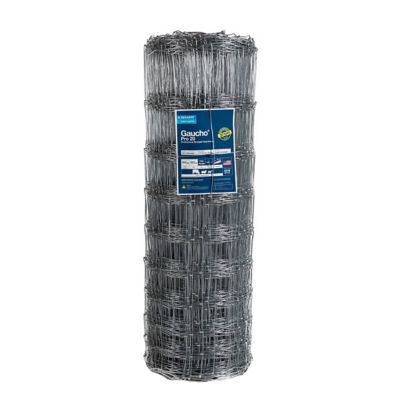
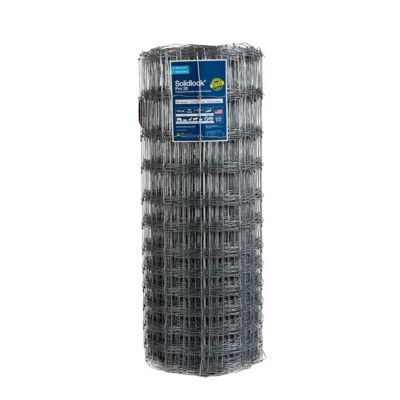
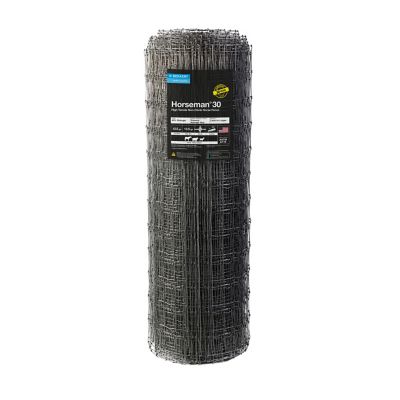
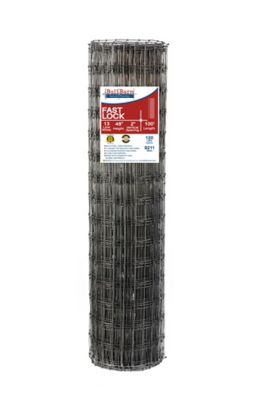
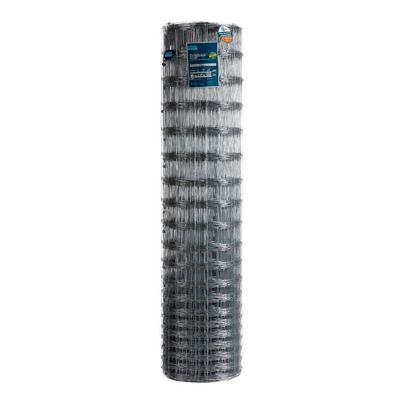
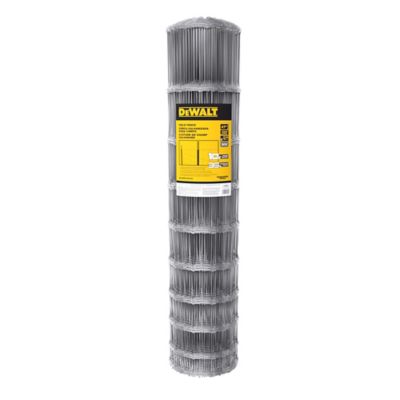
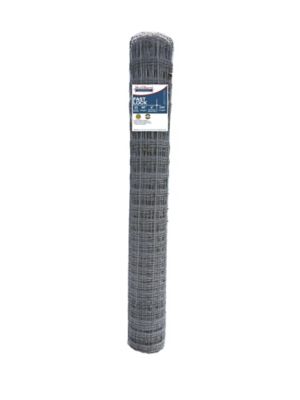
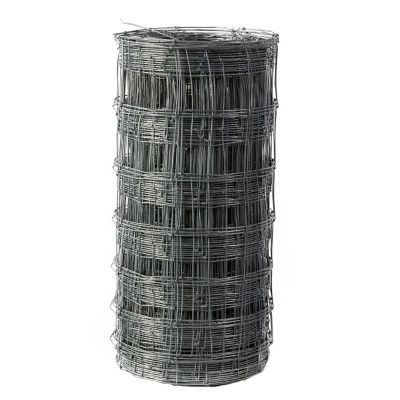
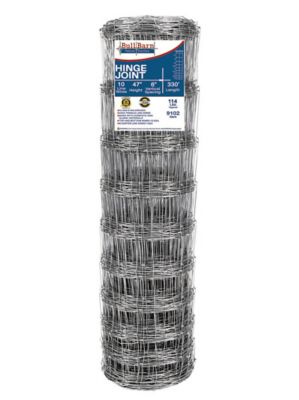
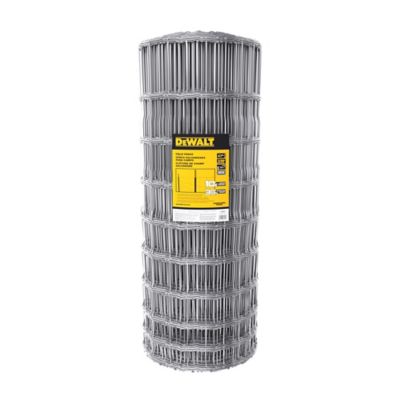
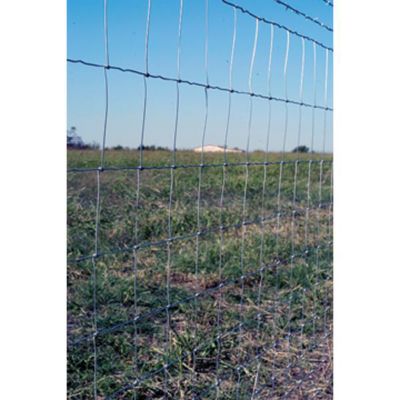
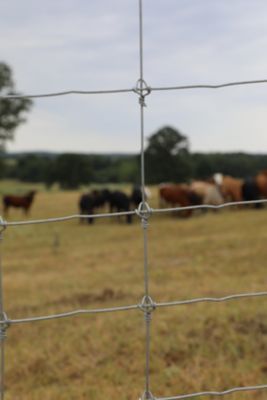
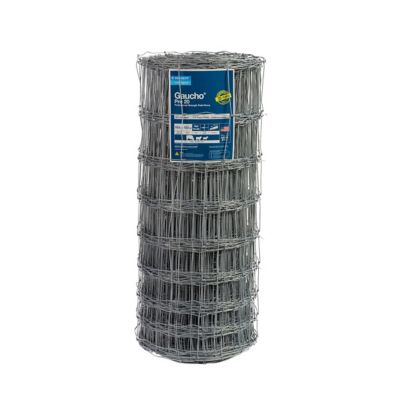
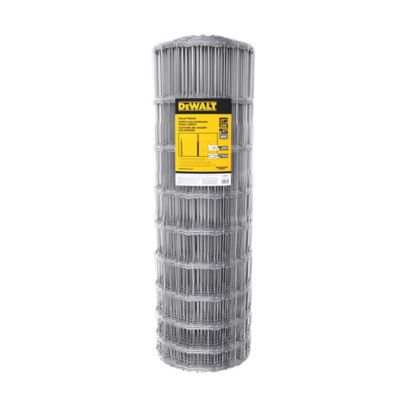
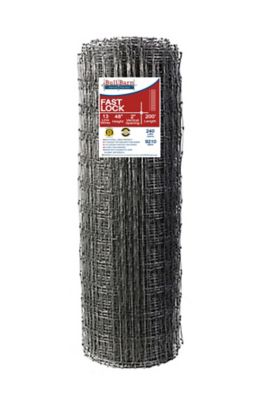
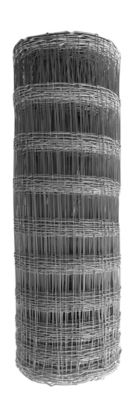
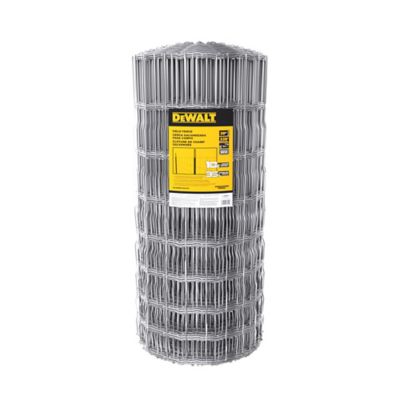
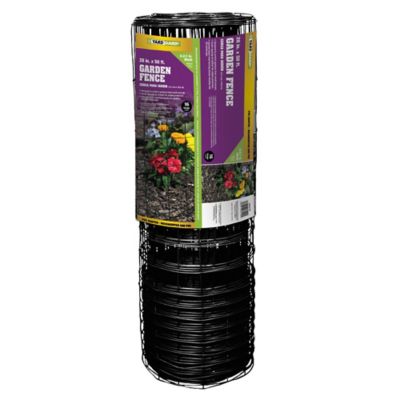
Field fences help keep the everyday work of a farm or acreage moving, whether that means holding cattle in a grazing pasture, separating sheep from a hayfield, or defining a working area behind the barn. A well-matched fence gives animals a clear boundary while leaving an open view across the property. Unlike a solid barrier, wire field fencing follows the landscape without closing off the sight of a herd spread across a hillside or a gate at the far end of a lane. The category includes different wire patterns, heights, knot styles, and roll lengths, with each feature affecting how the fence fits the job. Woven wire has intersecting horizontal and vertical strands joined with knots, creating a connected mesh that can accommodate some movement without depending on a welded connection at every crossing. Hinge-joint construction allows movement at the intersections, while fixed-knot construction holds the vertical wires more firmly in place. Neither description tells the whole story on its own; wire strength, spacing, post support, and installation all contribute to how the finished fence performs. Some field fence patterns have smaller openings near the ground and larger openings toward the top, helping address the different demands along the height of the fence. Other patterns keep their spacing consistent from bottom to top. For a small acreage with a few animals, the right fit may center on keeping separate pens easy to manage. On a larger operation, long pasture runs, cross-fencing, and access for equipment can shape the choice. Field fencing also has a place around orchards, garden areas, and other working spaces, though a livestock fence does not automatically provide protection against every kind of wildlife. Its usefulness comes from matching the construction to the animals, the land, and the amount of contact the fence is likely to receive. A fence beside a busy feeding area faces different demands than one along a quiet back pasture.
Animal size and behavior matter just as much as the acreage enclosed. Cattle may lean against a fence to reach grass on the other side, while goats are more likely to climb, rub, and investigate openings. Sheep need a barrier that accounts for smaller bodies, and young animals can slip through spaces that would stop a mature member of the herd. Mesh spacing deserves particular attention where animals have horns, since an opening that admits a head may not allow an easy retreat. Horses bring their own concerns, including visibility and the chance of a hoof entering an opening; general-purpose field fencing is not interchangeable with fencing intended for equine containment. Fence height, bottom clearance, and the shape of the openings all affect that fit. A low spot beneath a fence can become an escape route even when the mesh itself is suitable. Materials add another layer to the choice. Steel wire provides the structure, and protective coatings help slow corrosion so the fence can remain in service longer. Galvanized wire has a zinc coating, with coating specifications varying among fence types. Those specifications are worth considering alongside wire diameter and tensile strength rather than judging a roll by appearance alone. With many common wire gauge systems, a lower gauge number indicates a thicker wire, but thickness and tensile strength are not the same thing. High-tensile steel can provide substantial strength with a smaller wire diameter, while its handling and tensioning requirements may differ from those of other wire. The best match is a fence whose construction suits the intended enclosure and the supporting posts, braces, and fasteners. For places where animals regularly crowd a boundary, a compatible electric offset may help discourage contact, but it is a separate part of the fencing system and brings its own power, grounding, and maintenance needs. No wire pattern makes up for a weak corner or a gate that will not stay latched.
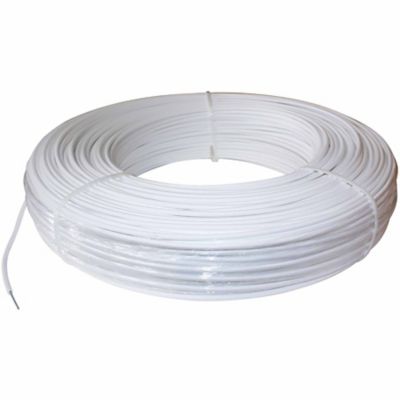
The layout of a field fence shapes how comfortably the property works day after day. A straight pasture line may look simple from the road, but dips, rises, corners, and changes in direction all affect the support the wire needs. Roll length influences the number of joins along a run, while fence height and mesh pattern need to remain suitable across the whole enclosure, not just the easiest stretch to reach. Corners, ends, and gate openings carry tension that ordinary line posts are not meant to handle alone, making braced assemblies an important part of the finished fence. Compatible staples, clips, connectors, and tensioning equipment help the components work together without damaging the wire or restricting movement where the fence design calls for it. Gates deserve room for the equipment that actually travels the property, from a compact tractor pulling a mower to a trailer moving between pens. A narrow opening or an awkward turn can turn a routine chore into a daily nuisance. Shared boundaries also call for attention to property lines, local requirements, and any agreements with neighboring landowners before a fence goes in. For other wire formats that may fit adjoining runs or separate enclosures, the
Fence Wires category provides a related place to look. Once a field fence is standing, regular checks help catch loose fasteners, broken strands, sagging sections, and gaps beneath the bottom wire before they become bigger problems. Areas around feeding stations, gates, and favorite rubbing spots often need closer attention because animals spend more time there. Keeping vegetation and piled materials away from the fence makes inspection easier and limits places where pressure or damage can go unnoticed. With suitable materials, sound support, and routine upkeep, field fencing becomes a practical part of the property’s daily rhythm: livestock where they belong, clear routes between working areas, and boundaries that make chores easier to manage.