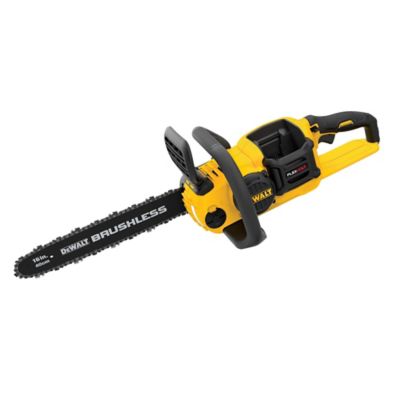
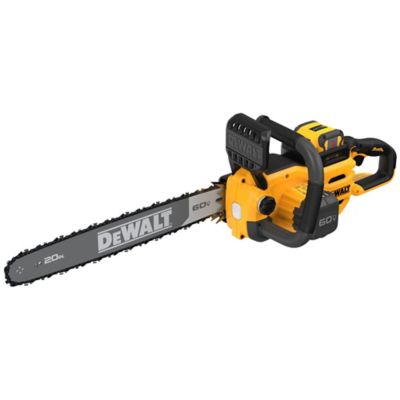
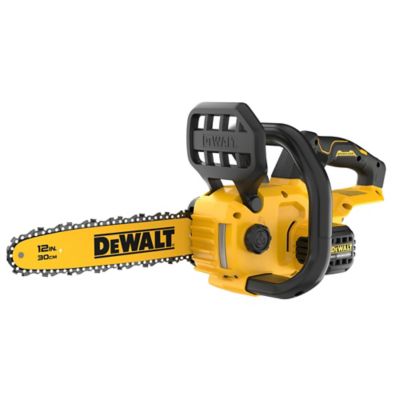
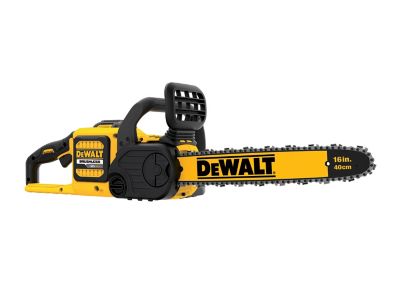
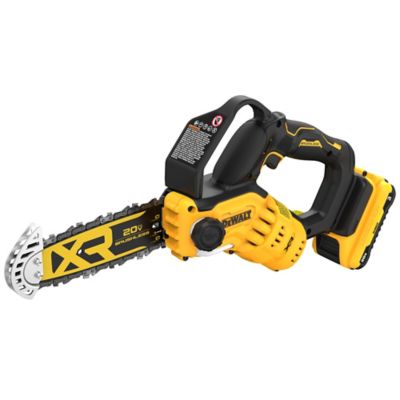
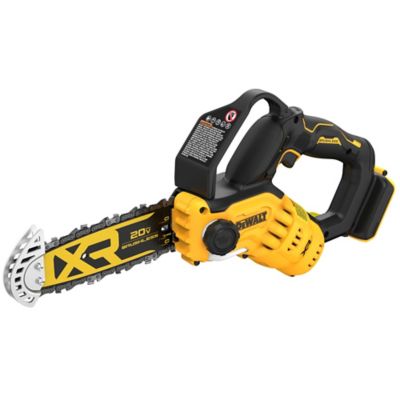
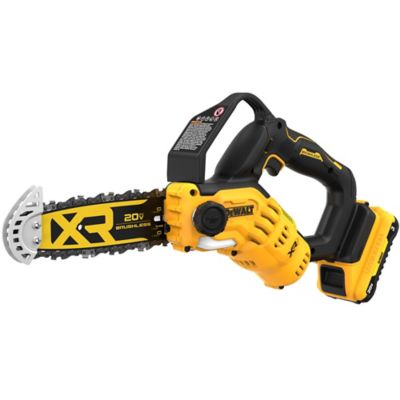
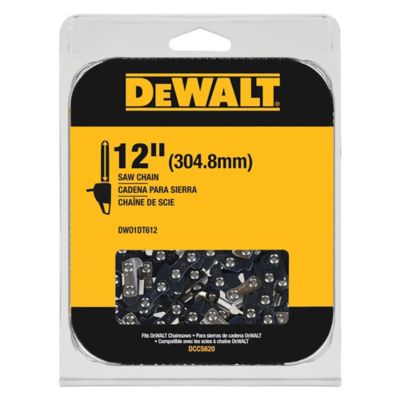
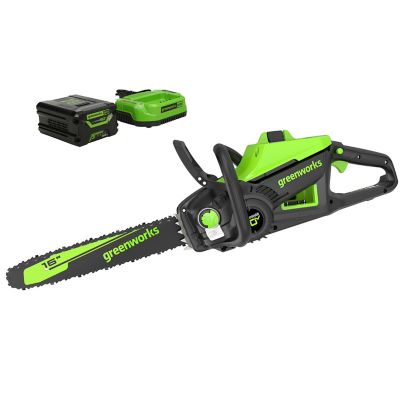
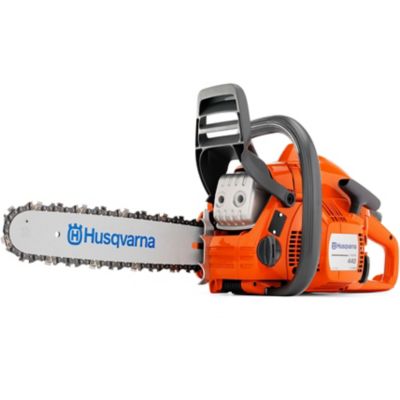
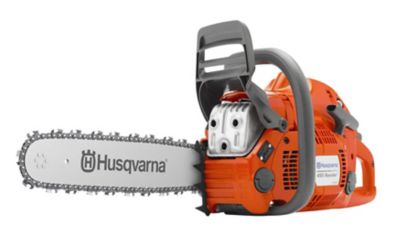
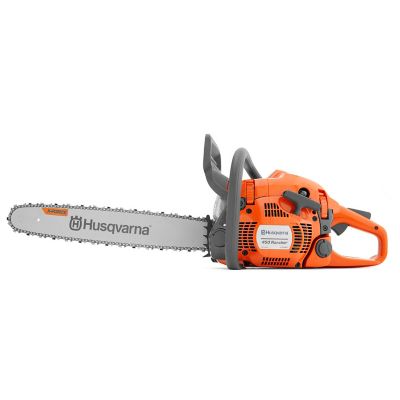
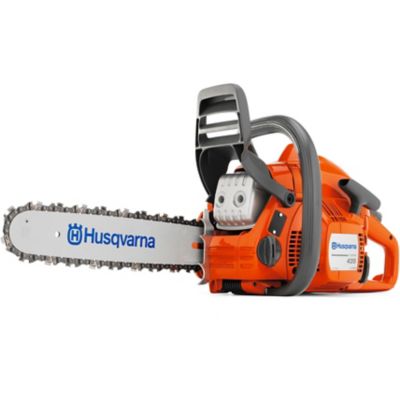
Cordless chainsaws are handy tools for keeping up with the work that comes with owning a home, acreage, woodlot or small farm. They can help trim back overgrown limbs, clear storm-damaged branches, cut small trees into manageable pieces and prepare firewood for the cooler months. Compared with a gas saw, a battery-powered model starts with the pull of a trigger, produces no fuel fumes while it is running and generally requires less day-to-day maintenance. There is no fuel to mix or spark plug to replace, making a cordless chainsaw a practical choice for homeowners who need dependable cutting power without keeping a gas can and extra engine supplies on hand. Many are also quieter and easier to carry from the shed to the back fence, which comes in handy when a limb comes down across a walking path or a few low branches need attention before they scrape against the roof. When shopping this category, start by matching the saw to the kind of cutting you expect to do. A compact, lower-voltage saw is often well suited to pruning, limbing and light cleanup, while a higher-voltage system may be a better fit for larger branches, heavier firewood and more demanding property work. Bar length matters, too. A shorter bar is usually easier to guide in tight spaces and can feel less tiring during overhead trimming, while a longer bar can provide more reach for appropriately sized wood. The best practice is to use a saw within its recommended cutting capacity rather than trying to force it through material that is too large.
Battery compatibility can make a real difference when building a useful tool collection. If you already use cordless equipment, look for a chainsaw that shares a battery platform with tools you own, such as a drill, blower, trimmer or reciprocating saw. That way, a charged battery can move from one job to the next instead of leaving you with a pile of different chargers on the workbench. Battery capacity affects both runtime and weight: a smaller battery may keep a lightweight saw comfortable for quick pruning, while a larger-capacity battery can help keep the saw working through a longer round of cutting. Brushless motors are often chosen for efficient performance and long service life, especially when the saw will see regular use. Features such as automatic chain oiling help keep the chain lubricated as you work, and a clear oil window makes it easier to check the reservoir before heading outside. Tool-free chain adjustment can also be convenient when the chain needs a quick tension check in the middle of a project. A properly tensioned chain should sit snugly in the bar groove while still moving freely by hand when the saw is off and the battery is removed. Keep extra chain oil nearby, inspect the bar and chain before each use, and clear sawdust from the cooling areas and oiling passage after cutting. For storage, remove the battery, wipe away debris and use the bar cover to protect the chain. These small habits help a cordless chainsaw stay ready for the next fallen limb, fence-line cleanup or stack of cut wood.
A chainsaw can be a useful addition to a homeowner’s tool collection and a thoughtful gift for someone who takes pride in caring for a rural property, cabin, hunting camp or large yard. It is especially useful for a new landowner who is learning to manage brush and storm cleanup, though every user should take time to read the owner’s manual and practice on manageable material before tackling a larger job. Wear eye protection, hearing protection, sturdy work gloves, long pants and slip-resistant boots, and consider chainsaw chaps when performing more involved cutting. Keep both hands on the saw, maintain secure footing and avoid cutting above shoulder height. Never work near power lines, and leave unstable, hung-up or heavily leaning trees to a trained professional. Before starting, look for hidden nails, wire, fence posts and other objects that can damage the chain or cause a sudden kickback. Clear people, pets and bystanders from the work area, especially when working around a woodpile or along a busy driveway. During the cooler seasons, inspect trees after strong wind, ice or wet weather, since broken limbs may be under tension and can move unexpectedly when cut. For occasional trimming and cleanup, a lighter saw may be easier to control and carry; for repeated firewood cutting or thicker wood, added power and battery capacity can save time, provided the user is comfortable with the extra weight. Browse related options in
Handheld Chainsaw collections to compare cutting styles and find equipment that fits the work around your place. With the right size, a charged battery, a sharp chain and sensible safety habits, a cordless chainsaw can make ordinary property maintenance feel more manageable, from clearing a narrow trail to turning a downed branch into a neat stack of firewood.