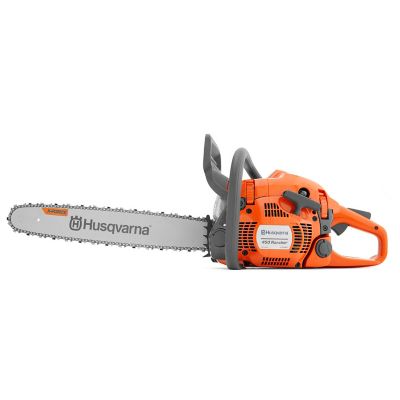
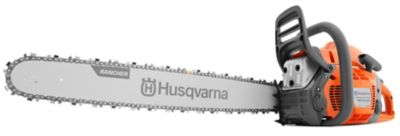
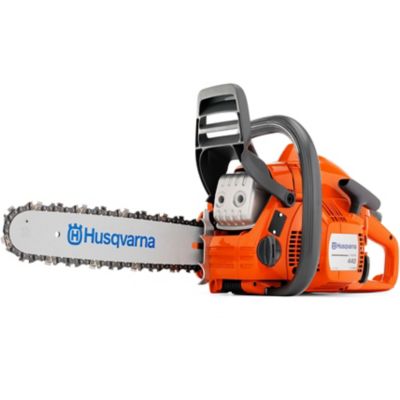
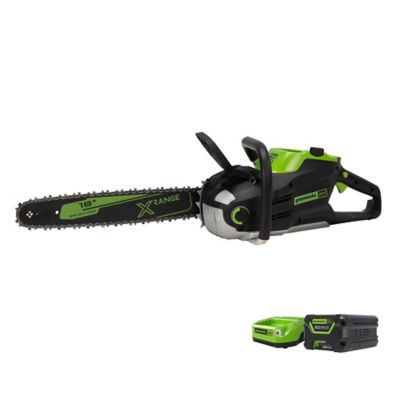
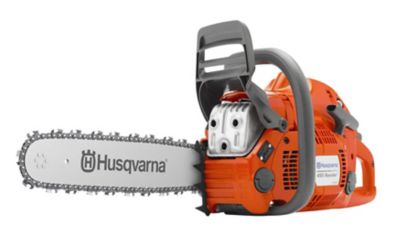
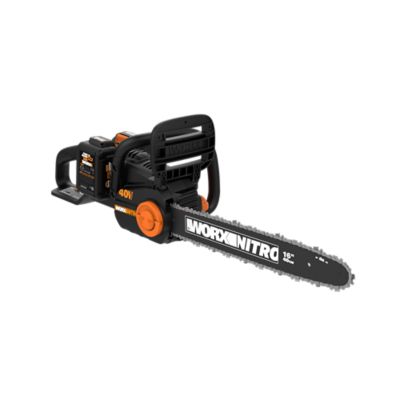
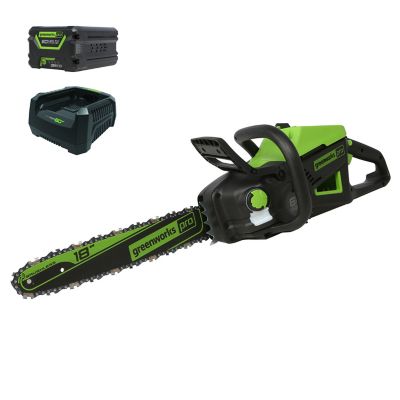
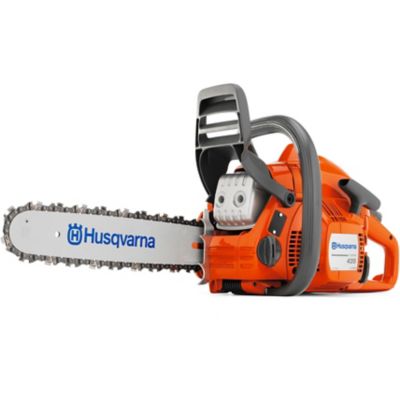
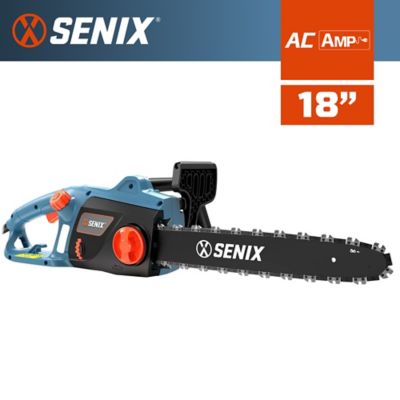
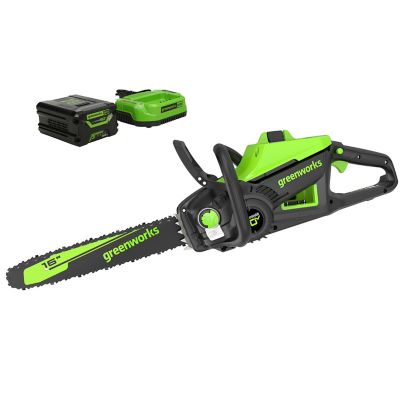
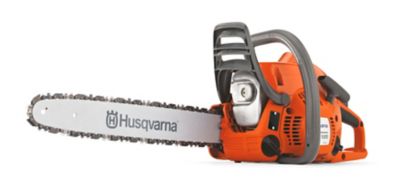
A professional chainsaw is built for demanding work that calls for steady power, dependable starting and durable construction. Commercial loggers, arborists, tree-care crews, land managers and serious firewood cutters may run these saws for long stretches while felling timber, bucking logs, clearing storm damage, cutting trails or managing a working woodlot. Compared with light-duty saws, professional models generally use stronger internal components, higher-output engines and rugged housings designed to handle frequent use in rough conditions. Engine sizes commonly range from around 50cc for limbing, thinning and medium-size trees to more than 90cc for large-diameter timber. A smaller, nimble saw can be easier to guide through branches and less tiring during a full day of cleanup, while a larger saw delivers the extra torque needed for thick trunks and heavy bucking. Bar length matters, too. A bar should match the type of wood and cutting work you expect to handle without making the saw awkward or unbalanced. Longer bars can reach through wider logs, but they also add weight and place greater demands on the engine. Choosing a professional chainsaw is less about finding the biggest model and more about matching power, balance and reach to the work at hand.
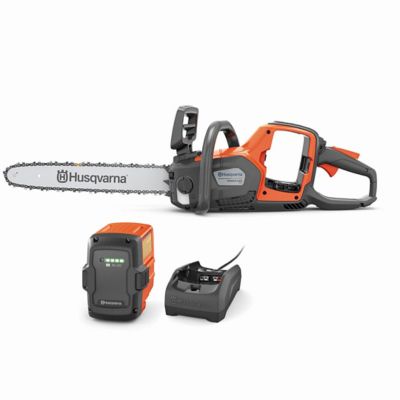
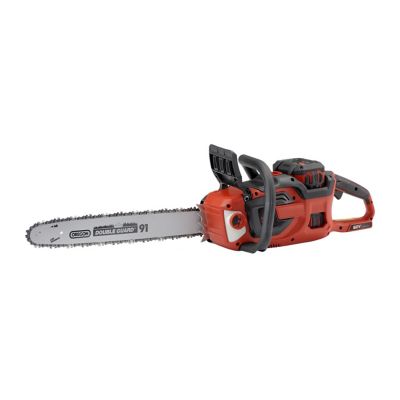
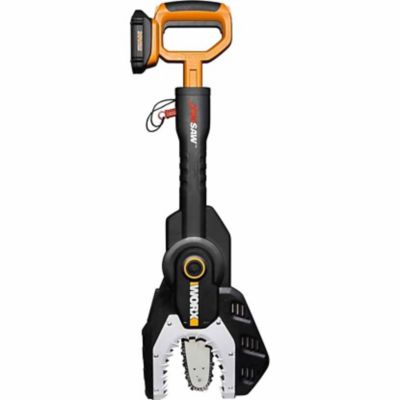
Power source is another important consideration. Gas-powered professional chainsaws remain a common choice for remote acreage, extended cutting and heavy forestry work because they can be refueled quickly and carried wherever the job leads. Many modern gas saws use computer-managed carburetion or fuel-injection systems that help adjust performance for changes in altitude, temperature and operating conditions. Battery-powered saws offer quiet operation, reduced maintenance and no fuel mixing, making them useful around homes, barns, campsites and noise-sensitive areas; a professional battery setup can also be a handy choice for repeated limbing or cleanup when the right batteries and chargers are available. Look for a well-balanced design with a sturdy magnesium alloy crankcase or similarly durable construction, a responsive chain brake, accessible controls and an automatic oiler that keeps the chain lubricated while it moves. Spring or rubber anti-vibration systems can make a meaningful difference when cutting over several hours, especially during cold-weather work when hands and shoulders tire more quickly. Tool-free or easy-access service points, a clear fuel or battery status system, replaceable air filters and readily available chains, bars and sprocket parts can save time over the life of the saw. Chain pitch, gauge and tooth style should fit the bar and the work being done, and the replacement chain must be installed and sharpened correctly. For someone who spends weekends maintaining a large property, a professional chainsaw can be a thoughtful gift when paired with the right protective equipment and a plan for proper training. It is best suited to an experienced adult or a landowner ready to learn safe operating practices, not to a first-time user looking for a casual yard tool. Those comparing lower-emission options may also want to browse
Green Chainsaws for equipment designed with environmental considerations in mind.
Every professional chainsaw still depends on careful handling, regular maintenance and the right personal protective equipment. Before cutting, inspect the chain tension, bar, sprocket, chain brake, handles and oiler, then confirm that fuel, batteries and lubricants are suited to the saw. Wear a properly fitted helmet with eye and hearing protection, chainsaw chaps or pants, gloves with good grip and sturdy, slip-resistant boots. Clear the work area of loose branches and trip hazards, check the direction of lean and wind, and keep bystanders, pets and vehicles well outside the cutting zone. Felling larger trees, working near power lines or clearing storm-damaged timber can involve hidden tension, unstable limbs and shifting trunks, so those jobs are best handled by trained professionals with the right equipment. During the cooler months, a dependable saw can help cut firewood and clear fallen limbs, while warmer-season work may include trail upkeep, orchard maintenance and storm preparation. Store the saw clean and dry, drain or stabilize fuel as recommended, keep the chain sharp and inspect the bar for wear before putting the equipment away. A sharp chain produces clean chips and requires less effort; a dull chain tends to make fine dust, wander in the cut and increase fatigue. Whether it is used on a rural property, a logging site, a tree-care route or a family woodlot, the right professional chainsaw should feel controlled and purposeful in the operator’s hands, with enough power for the job and enough comfort to help keep each cut deliberate.