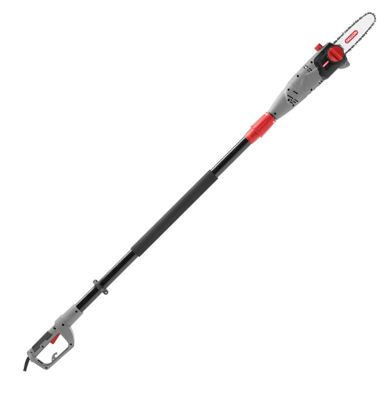
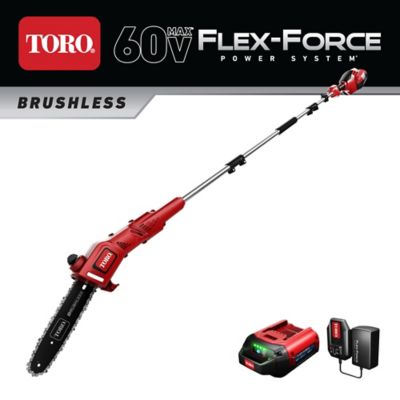
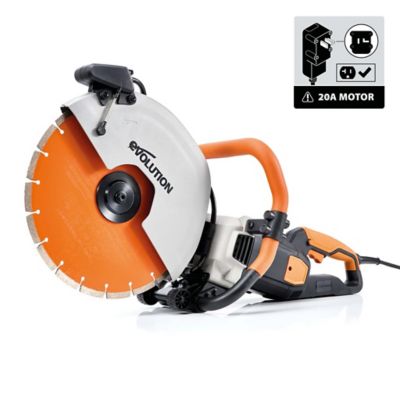
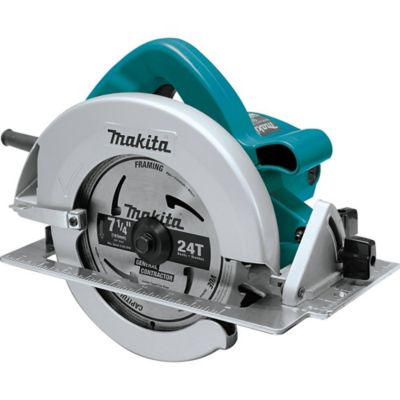
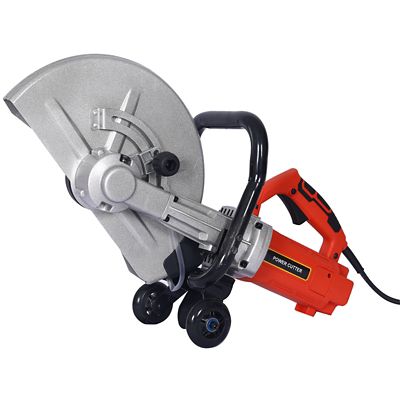
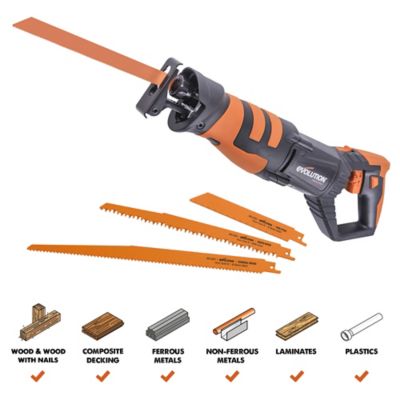
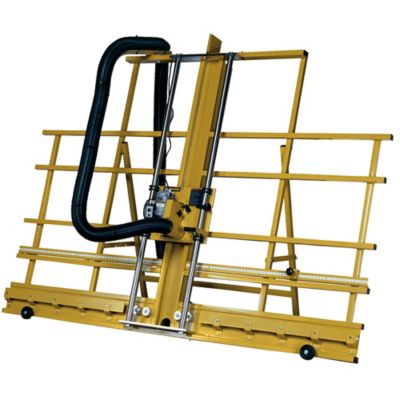
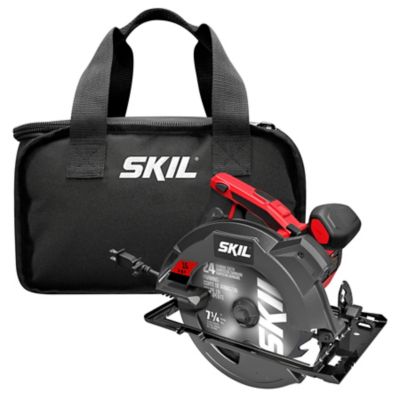
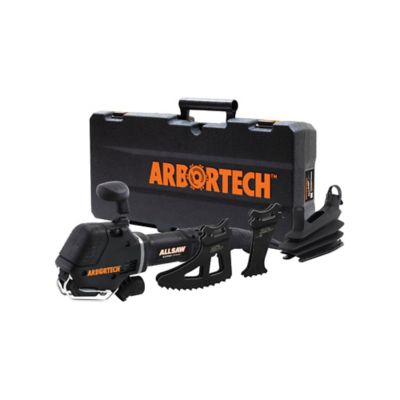
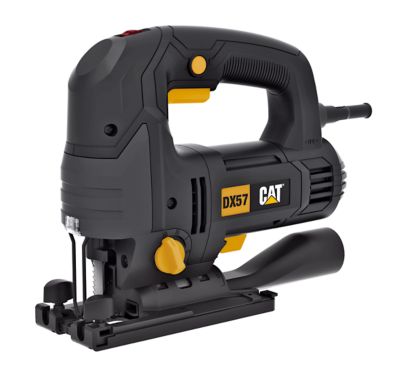
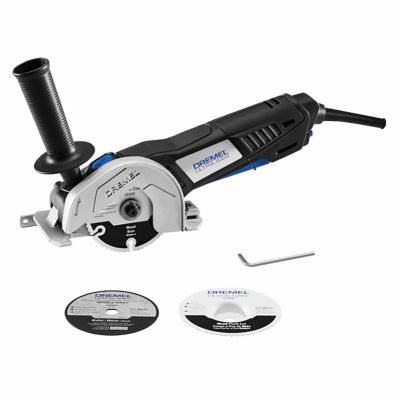
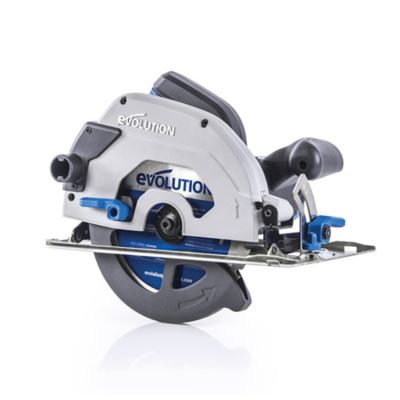
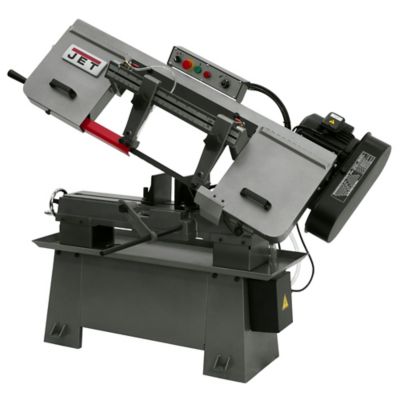
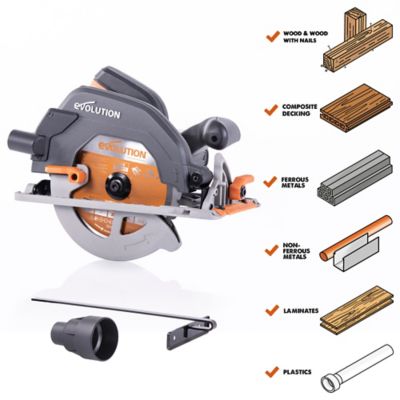
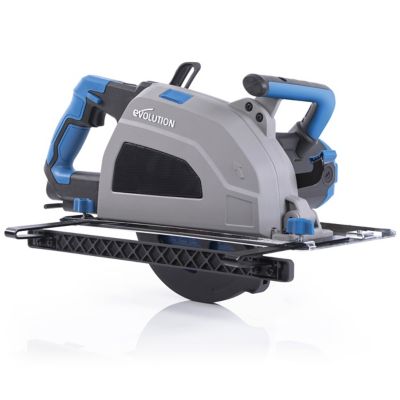
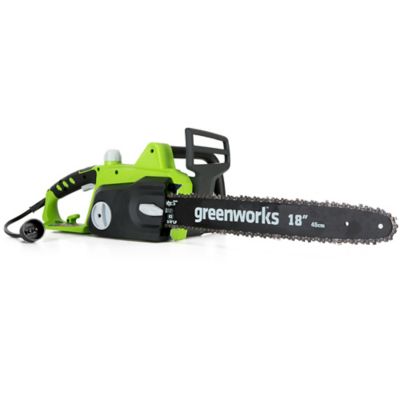
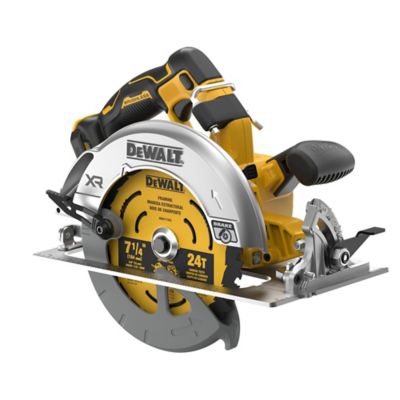
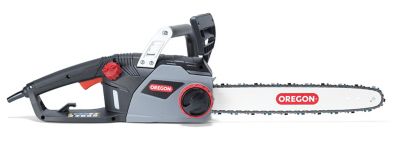
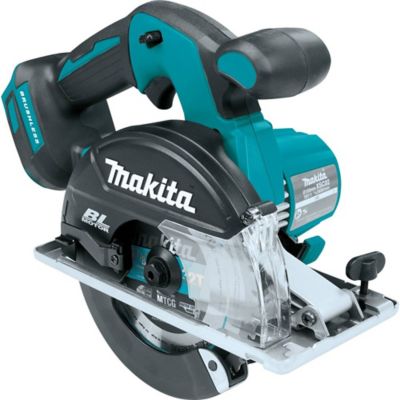
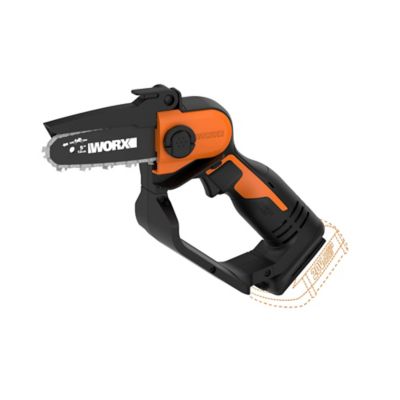
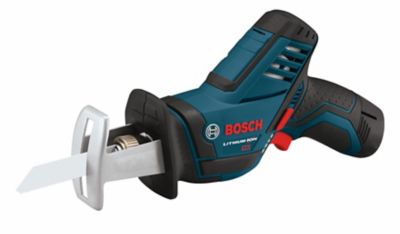
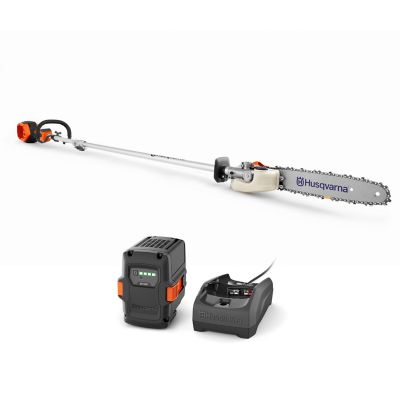
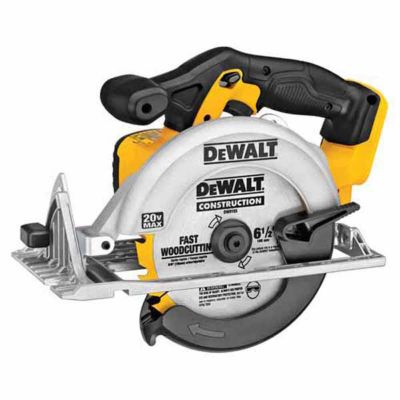
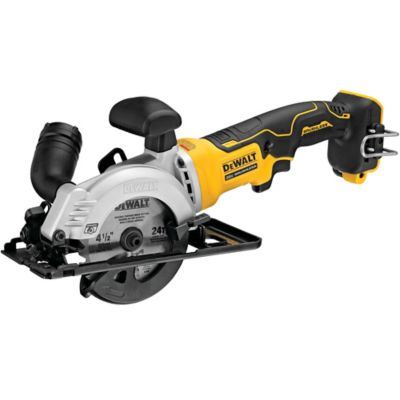
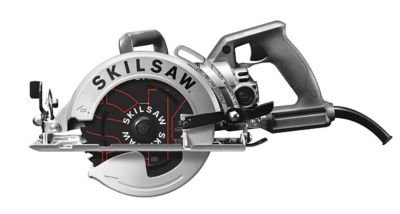
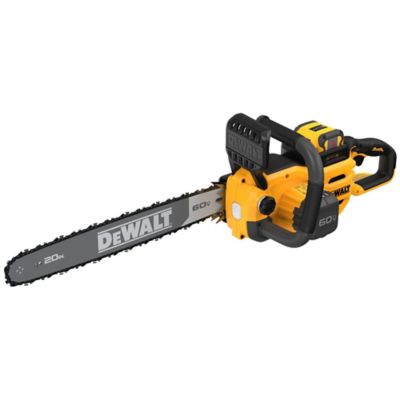
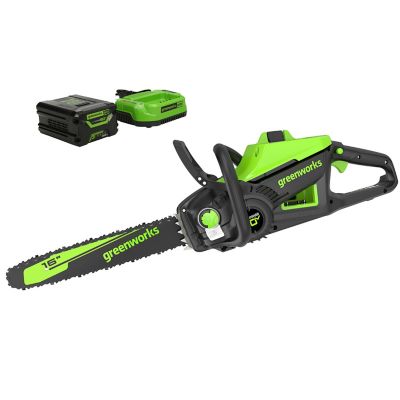
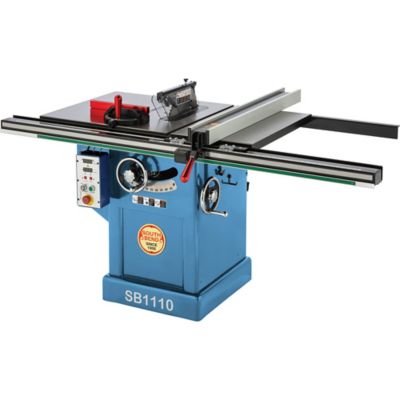
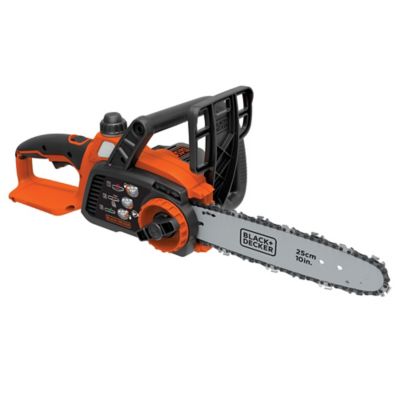
Electric saws are motor-driven cutting tools that run on plug-in electricity or rechargeable batteries. Depending on the saw and blade, they can cut wood, metal, plastic, tile, or masonry, making them useful for everything from building a feed-room shelf to replacing fence rails or trimming boards for a workbench. The kind of cut matters just as much as the material. A circular saw has a spinning disc blade and works well for straight crosscuts across boards and rip cuts along lumber or plywood. Its portable design suits projects where the material stays on sawhorses rather than moving through a stationary machine. A miter saw brings a circular blade down onto a supported workpiece, making it a practical choice for repeated crosscuts and angled joints in trim, framing, and similar work. A table saw moves material past a blade rising through a flat table, with a fence that supports consistent rip cuts and sizing of boards or panels. For curves, notches, and shaped openings, a jigsaw has a narrow blade that moves up and down, allowing tighter turns than a circular blade. A reciprocating saw uses a push-pull blade motion for rough cutting and demolition, such as removing damaged boards or cutting suitable metal pipe with a compatible blade. It favors access and cutting reach over a polished edge. Electric chainsaws serve another purpose, cutting branches and logs with a moving chain rather than a toothed disc or straight blade. Tile and masonry cutting call for equipment and cutting accessories specifically designed for those materials, along with the appropriate dust or water controls. These differences give homeowners, farm crews, carpenters, and repair-minded folks a way to match an electric saw to the work instead of expecting one tool to handle every job. A straight cut through a plywood panel, a curved opening in a shelf, and a rough cut through an old gate frame each place different demands on the tool.
Corded and cordless electric saws offer different advantages around the shop and property. A corded saw draws power from an outlet, so cutting time is not limited by battery charge. That setup makes sense at a workbench or jobsite with a suitable electrical supply, particularly for repeated cuts through the day. Cord length, outlet access, and the manufacturer’s extension-cord requirements all affect how comfortably the tool fits the workspace. A cordless saw is easier to carry to a fence line, outbuilding, or repair away from an outlet, without a trailing power cord in the cutting area. Battery capacity, the material being cut, blade condition, and workload all influence runtime. A larger battery may provide more working time, but it can also add weight, which matters when a saw gets carried between several repair spots. Battery compatibility deserves close attention because a pack must match the tool’s approved system; similar-looking connections or voltage labels do not establish a proper fit. Motor ratings are only part of the picture, too. Cutting capacity, speed settings, blade size, and overall design help determine whether a saw suits thin panels, heavier framing lumber, or other intended materials. Depth adjustment on a circular saw, bevel range on a miter saw, and throat clearance on a stationary saw affect the work each can accommodate. Handle shape, balance, accessible controls, and clear sightlines to the cut make a difference during repeated tasks. Someone fitting boards inside a shed may value a compact tool, while someone breaking down large sheets needs enough workspace and support for the full panel. Bases, fences, and adjustment mechanisms should feel firm and hold their settings without unnecessary movement. For a gift, the recipient’s usual projects and existing battery system are more helpful starting points than picking the largest motor or longest blade. A saw that fits the work and the person handling it earns its place on the bench.
Matching an electric saw with the right
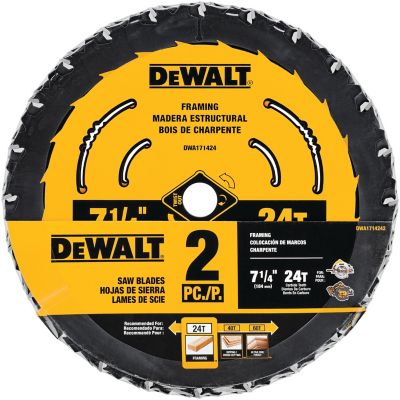
Power Saw Blades is a big part of getting the result the job calls for. Blade fit involves more than diameter: the arbor opening, blade length, mounting style, and speed rating must meet the saw manufacturer’s requirements. Tooth shape, tooth count, and blade material affect cutting behavior as well. Fewer, larger teeth often favor faster cuts in lumber, while finer tooth patterns can leave a smoother edge on suitable materials. Carbide-tipped circular blades are common for woodworking, while some metal-cutting applications call for bi-metal blades or other designs rated for the task. Diamond cutting edges serve appropriate tile and masonry applications, but the blade and saw must also match the required wet or dry cutting method. Plastic presents its own concerns, since excessive heat can soften the cut edge, making a compatible blade and suitable speed especially important. For repair work, a board with nails in it calls for a different blade choice than clean lumber. Blade thickness and kerf also influence the amount of material removed and the load on the motor. Care keeps these cutting tools working as intended: accumulated sawdust, resin, and debris can interfere with adjustments, cooling openings, and blade movement. Cleaning, lubrication where specified, and inspection should follow the tool’s manual, with electrical power disconnected or the battery removed before blade changes and maintenance. Cracked blades, damaged cords, loose parts, and guards that do not move properly need attention before another cut. Eye and hearing protection, suitable dust controls, and firm support for the workpiece belong alongside any saw selection. Cutting metal also creates sparks or hot chips with some equipment, so the work area matters. Protected storage helps keep blades, batteries, and adjustment surfaces free from moisture and accidental damage. Whether the task is fitting a replacement stall board or making repeated shop cuts, a suitable saw, compatible blade, and well-supported workpiece make the work more manageable.