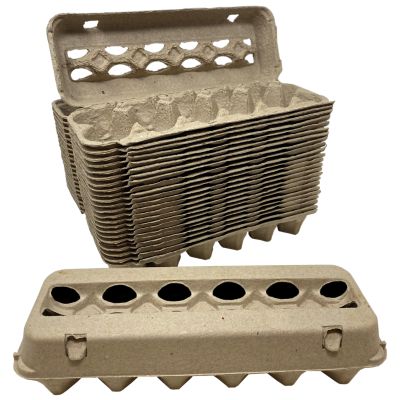
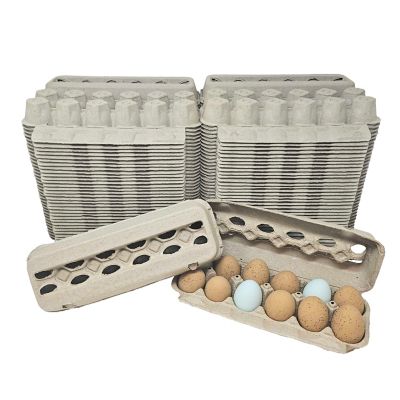
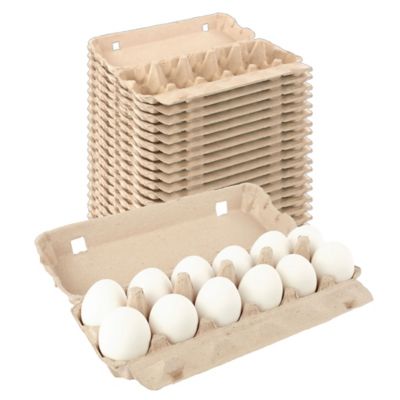
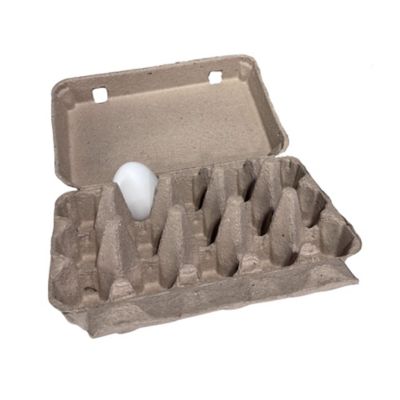
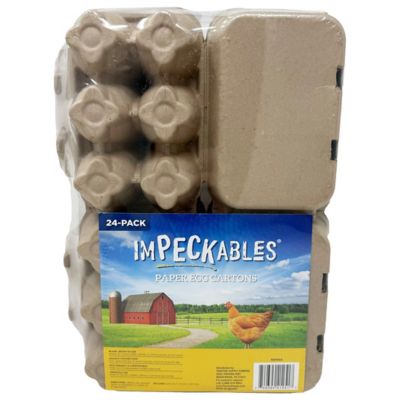
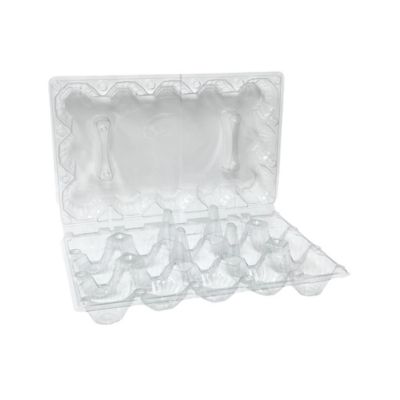
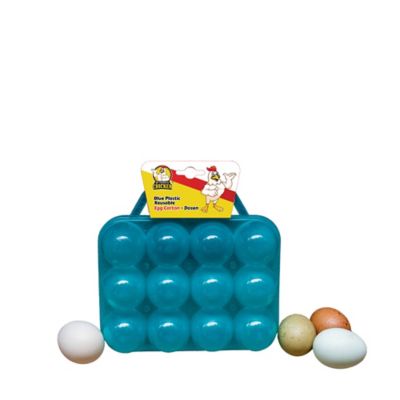
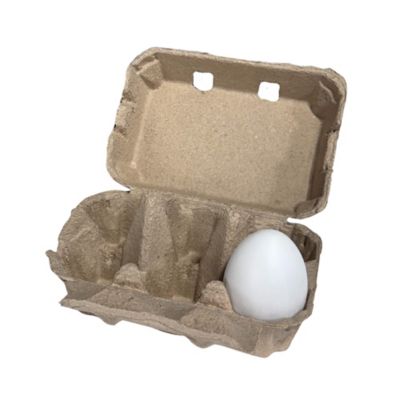
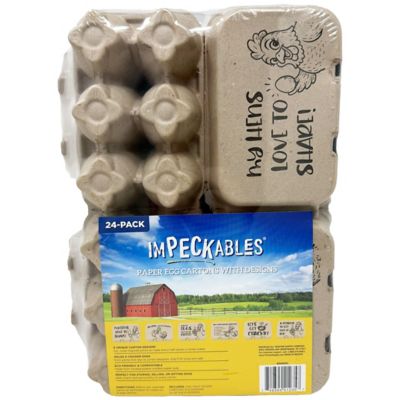
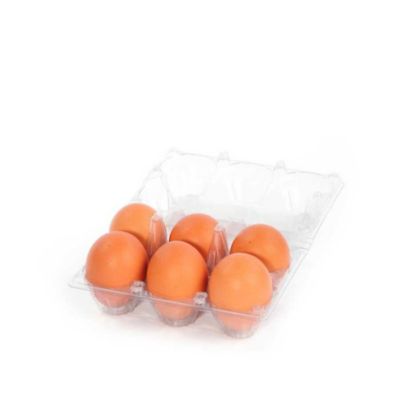
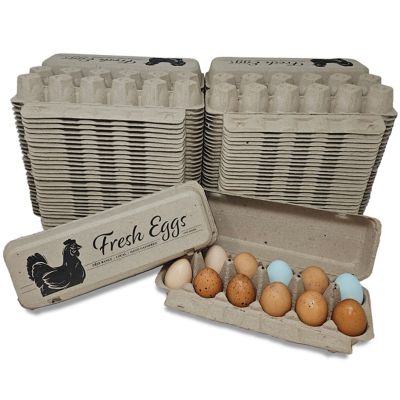
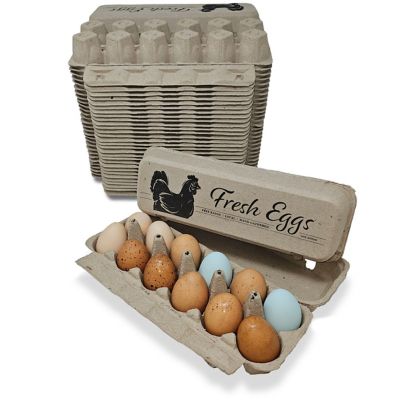
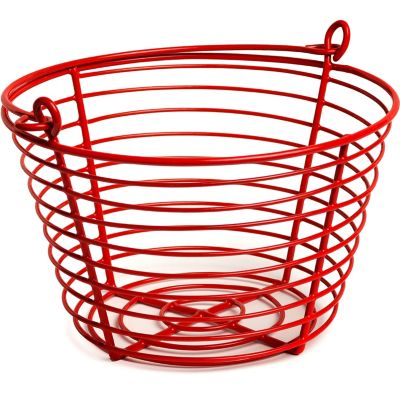
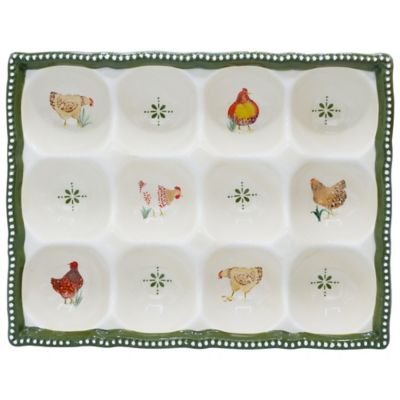
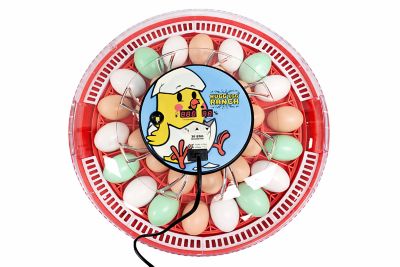
Egg cartons keep fresh eggs separated, supported and easier to carry from the laying flock to the kitchen or farm stand. Each cell cradles an individual egg, helping limit the shell-to-shell contact that can lead to cracks during handling. A fitted lid adds coverage, while raised posts and shaped dividers help support the carton when it is closed. For backyard flock owners, homesteaders and small farm operators, that simple design brings order to the daily egg collection. A basket may work well for the walk back from the coop, but cartons make counting, sorting and sharing the day’s gathering more manageable. Egg carton materials generally include molded paper pulp, plastic and foam, each with a different feel and purpose. Molded pulp often contains recycled paper and has a textured surface that cushions shells. Its absorbent structure also means it needs protection from spills and damp surfaces, since wet paper can soften and lose strength. Plastic egg cartons resist moisture, and clear versions allow a view of shell colors and egg placement without opening the lid. Whether plastic packaging can be washed and filled again depends on its design and the manufacturer’s directions; not every plastic carton is meant for repeated use. Foam provides lightweight cushioning, although local recycling programs may not accept it. Environmental considerations depend on more than the material name alone: coatings, labels, food residue and local collection rules all affect disposal options. Uncoated paper pulp may be suitable for composting where accepted, while plastic recycling depends on the resin and the receiving program. Across materials, a well-shaped cell, a sound hinge and a closure that stays shut matter more than appearance alone. A carton should support the eggs without squeezing them, stay level on a shelf and close without pressure against the tops of the shells. Those details matter when a full carton changes hands at the farm gate or rides home alongside groceries.
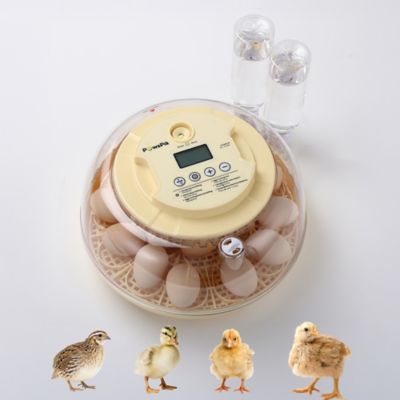
Egg carton size involves both the number of eggs it holds and the dimensions of each cell. Six-egg cartons suit smaller households, modest daily collections and a half-dozen shared with a neighbor. A 12-egg carton holds the familiar dozen and makes it simple to portion eggs for household cooking or farm stand sales. Eighteen-count cartons and larger trays can help organize a bigger gathering, while 30-egg trays provide rows of open cells for handling more eggs at a time. An open tray does not offer the same coverage as a lidded carton, so the intended trip and storage space matter alongside capacity. A flat tray may suit a level work surface, while a closed carton is often more practical for a handoff or a ride in a vehicle. Egg size deserves just as much attention as the printed count. Standard chicken egg cartons may not comfortably hold especially large eggs, and duck eggs often need wider or deeper cells. Small eggs, including quail eggs, need packaging shaped for their smaller dimensions rather than oversized pockets that let them roll around. Even within one flock, egg dimensions can vary enough to affect fit. A lid that bows upward or needs force to latch can signal that the eggs are too large for the carton. Cells that leave excessive room may allow movement during transport. Carton dimensions also affect how neatly a dozen fits on a refrigerator shelf or into a carrying box. Stackable designs can make better use of space, but stacking strength varies by construction, and tall piles can put unnecessary weight on the lower cartons. Flat tops and secure closures help keep a tidy stack from shifting during ordinary handling. For a family gathering eggs from several hens, consistent carton sizes can simplify counting and shelf organization. For someone tending a mixed flock, separate carton formats may make more sense than trying to fit every egg into the same space.
Cleanliness, careful handling and clear identification are part of getting good service from egg cartons. Packaging intended for direct food contact is the right starting point, whether the eggs are staying at home, heading to a neighbor or being offered for sale. Cartons with cracked hinges, torn cells, loose closures or crushed corners offer less protection and are better kept out of the egg-packing routine. Paper pulp and foam can be difficult to clean thoroughly, and visibly soiled or wet cartons should not be refilled with eggs. For packaging designed for repeated use, cleaning and drying should follow the manufacturer’s directions before another batch goes in. Empty cartons belong in a clean, dry space away from pests, feed dust, chemicals and strong odors. A shelf near the egg-sorting area can keep them within reach without leaving them on a coop floor or beside a wash basin. When eggs are packed, placing the pointed end down is a common practice that keeps the larger air-cell end uppermost. The carton helps protect the shells, but it does not replace appropriate egg handling or refrigeration. Keeping refrigerated eggs in their carton on an interior refrigerator shelf, rather than in the door, helps protect them from frequent handling and exposure to other foods. Related
egg storage options can support an orderly setup for collecting, carrying and keeping eggs at home. A space for a collection or packing date makes household rotation easier, especially when a productive flock fills several cartons before the next round of baking. For farm stand sales, carton labeling and packaging practices need to match state and local requirements, which may address matters such as egg size, grade, producer information, dates and safe-handling statements. Previously printed claims should never misrepresent the eggs inside. A clean carton with clear identification also makes a thoughtful dozen for a neighbor easier to carry and keep track of. From a few hens behind the house to a small egg-selling operation, the best fit comes down to shell protection, suitable capacity and packaging that works with the everyday routine.