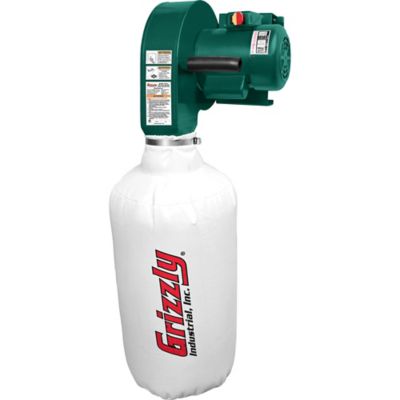
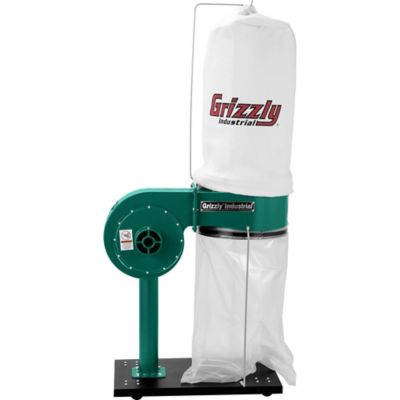
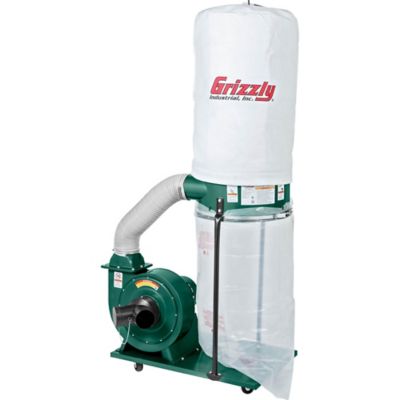
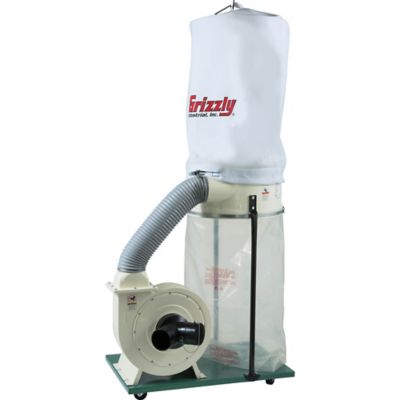
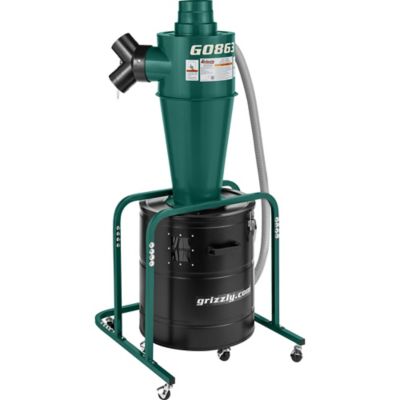
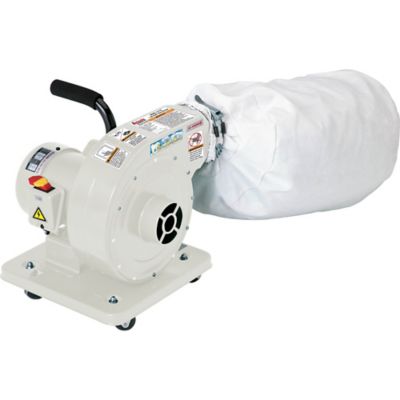
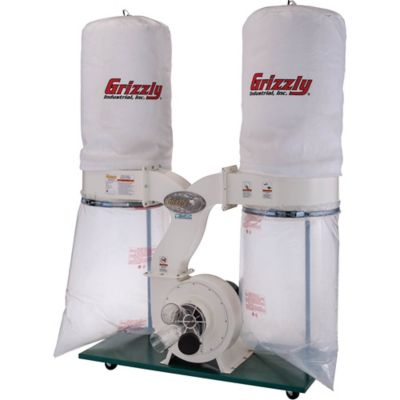
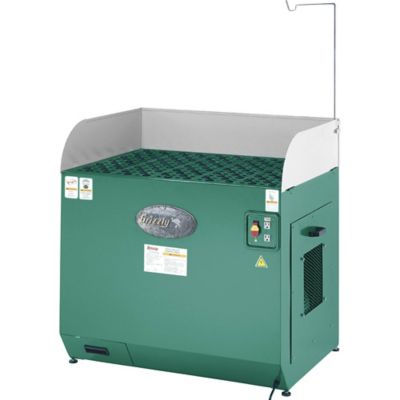
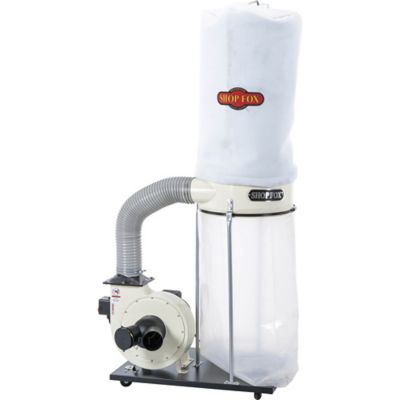
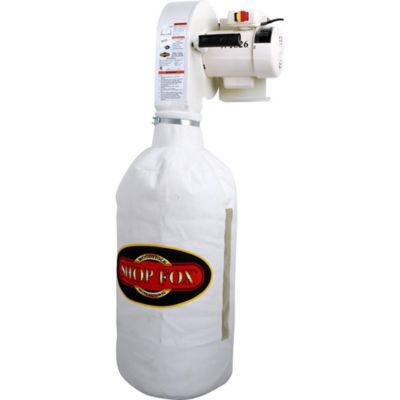
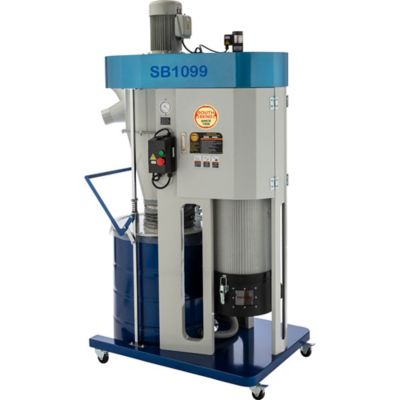
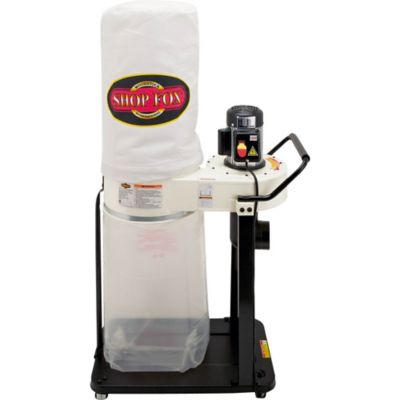
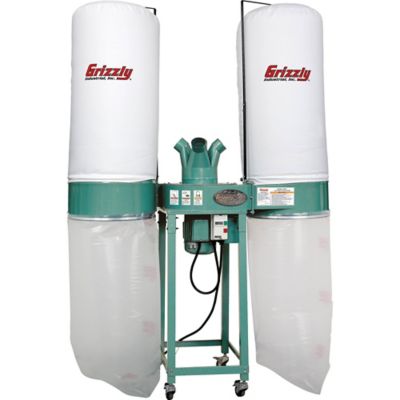
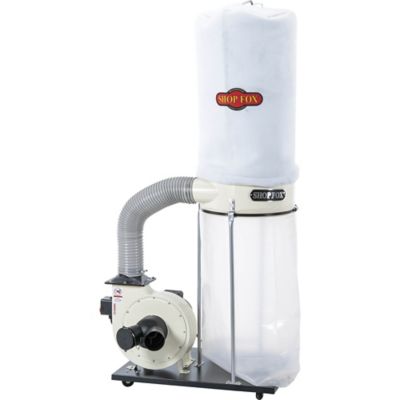
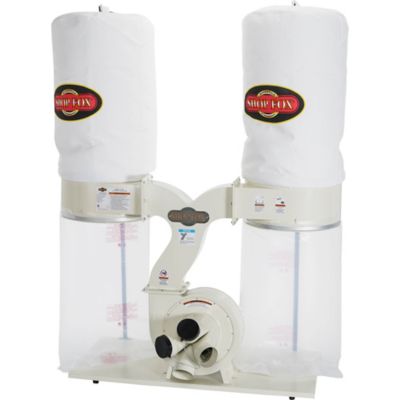
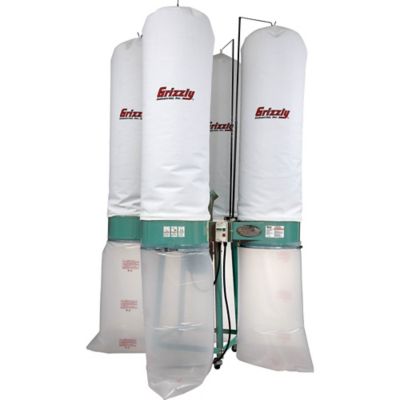
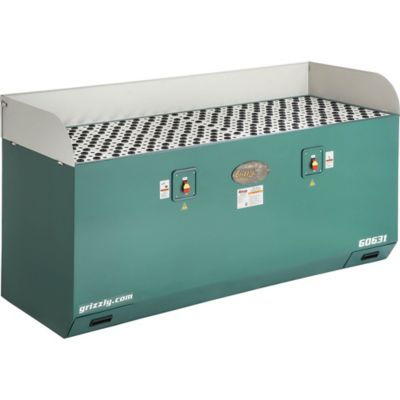
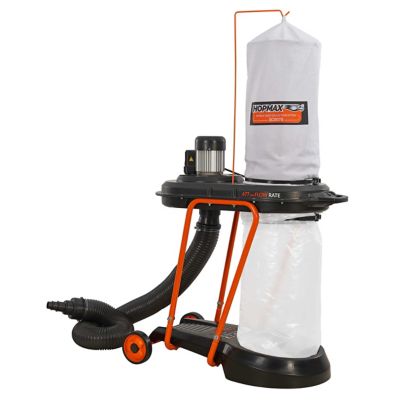
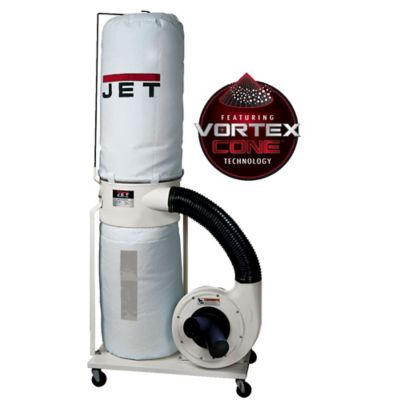
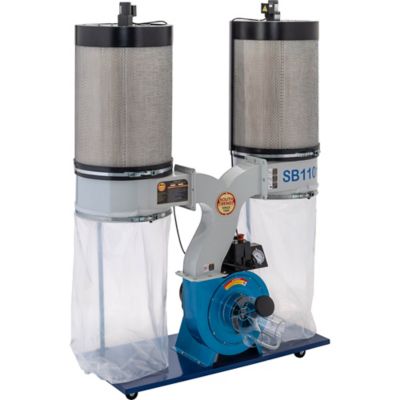
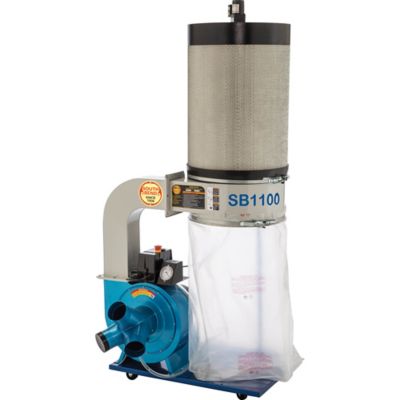
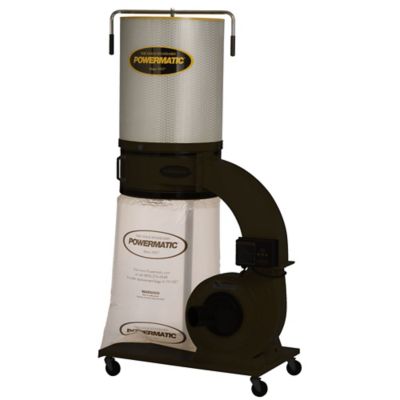
Dust collectors help keep sawdust, wood chips, and fine particles from spreading across a workshop by pulling debris from a tool through a connected hose or duct. That source collection matters when a planer sends out a steady stream of shavings or a table saw leaves a trail of dust beneath the cabinet. Rather than waiting for debris to settle on benches, shelves, and the floor, these systems capture it near the work and direct it into a bag, bin, or drum. They fit naturally into home woodworking shops, farm workshops, and small businesses where lumber gets cut, shaped, and sanded for everything from replacement gate boards to cabinets and workbenches. The main types are single-stage dust collectors and two-stage cyclone collectors. In a common single-stage design, debris passes through the fan impeller before reaching the collection area, while a filter separates dust from the outgoing air. A cyclone collector adds a separation stage that spins heavier chips and shavings into a container before the remaining air reaches the filter. This arrangement can reduce the amount of debris reaching the filter, though fine dust still requires effective filtration and regular attention. Portable dust collectors can roll between machines, making them a practical fit for a shop where tools share floor space. Stationary systems suit a more settled layout, with ductwork connecting several machines to one collection point. Dust collectors generally move larger volumes of air through wider connections, while shop vacuums and dust extractors typically provide greater suction pressure through smaller hoses. That difference helps explain why a collector suited to a planer may not be the right match for a handheld sander. The tool’s connection size, dust hood, and airflow requirements matter more than simply choosing the largest motor. For someone fitting out a woodworking space, a collector is working equipment that belongs alongside the saws and benches, with enough room around it for everyday access.
Airflow, filtration, and the demands of the connected machinery all shape how a dust collection system performs. Cubic feet per minute, usually shortened to CFM, describes the volume of air moving through the system each minute. A machine that throws substantial chips needs enough airflow to carry that material through its hood and hose without letting it pile up. The airflow rating at the collector does not necessarily represent the airflow reaching a tool, because long hose runs, tight bends, narrow fittings, and loaded filters create resistance. Static pressure describes that resistance, and a collector’s airflow performance at the expected static pressure gives a more useful picture than a maximum CFM figure alone. Horsepower describes motor output, but it does not tell the whole story about suction, filtration, or how well a particular shop layout will work. A single-machine setup has different demands from a system expected to serve several open connections at once. Filter performance deserves just as much attention, especially around sanding operations that produce fine dust. A micron rating describes particle size, but the percentage of particles captured at that size is also important. Filters with the same stated micron rating may not perform alike. A true HEPA filter has a rated capture efficiency of at least 99.97 percent for particles measuring 0.3 microns under its test conditions; that rating applies to the filter, not automatically to the complete collector. Seals, housings, and connections also affect whether dust stays contained. Fabric filter bags and pleated cartridges offer different footprints and maintenance needs, with pleated designs providing substantial filter surface within a compact housing. Collection capacity is another everyday consideration. Planer shavings can fill a container much faster than light sanding dust, and an oversized bin may be awkward to empty in a tight shop. Source collection helps manage dust, but it does not replace proper ventilation, appropriate respiratory protection, or the safety directions supplied with the tools and collection equipment.
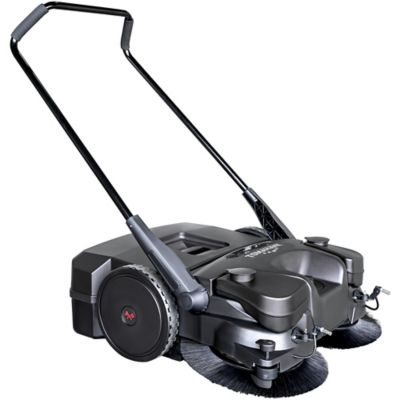
A good fit also comes down to construction, connections, and how the collector fits into the workday. Steel housings and sturdy frames help support the motor and collection assembly, while caster size and wheel locks influence how easily a portable unit moves and stays put on a concrete shop floor. Clear collection bags or viewing windows make fill levels easier to check, and secure clamps and sound gaskets help keep the collection path closed. Hose diameter needs to match the machine and collector requirements; a fitting that slips over the port is not necessarily enough if it restricts airflow. Flexible hose makes moving between machines easier, while smooth rigid ductwork can reduce resistance along longer runs. Blast gates can close off idle branches so airflow goes toward the machine doing the work, provided the system follows the equipment manufacturer’s requirements. Electrical fit matters, too: voltage, circuit capacity, plug configuration, and motor starting demands need to suit the shop’s power supply. In a small workspace, the collector’s height, footprint, operating sound, and clearance for removing bags or drums can matter as much as its motor rating. Care includes emptying containers before debris interferes with operation, inspecting hoses for splits, checking seals, and cleaning filters by the method specified for their material. Aggressive brushing or compressed air can damage some filters, so the right cleaning method helps preserve their function. Wood dust is combustible, and ordinary woodworking collectors are not meant to handle hot ash, sparks, liquids, or metal grinding debris. Other materials may require equipment specifically designed and approved for that dust. Source collection and floor cleanup also handle different jobs: a collector catches debris at the tool, while
Dust Sweepers help gather dust and loose material that reaches the floor. Together with sensible shop habits, the right equipment helps keep a workspace ready for the next board, repair, or afternoon of building. For a woodworker receiving shop equipment as a gift, matching the collector to the existing tools, electrical service, and available space makes the choice far more useful than guessing by motor size alone.