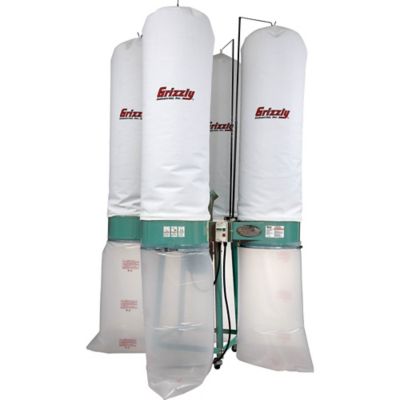
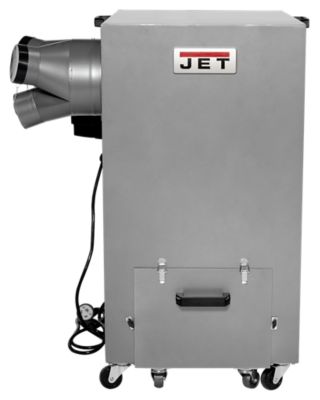
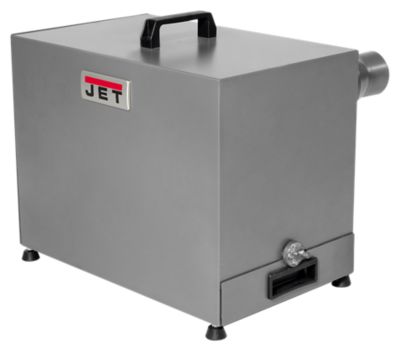
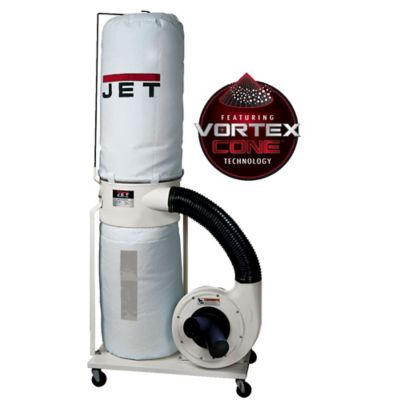
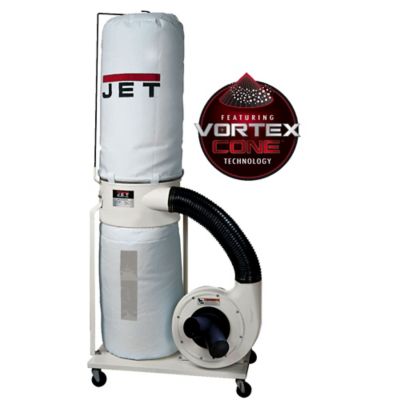
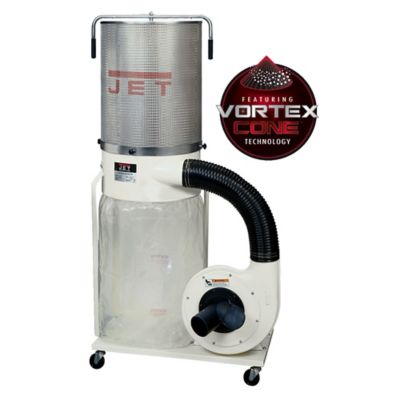
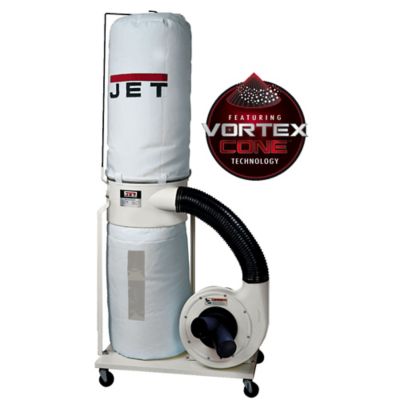
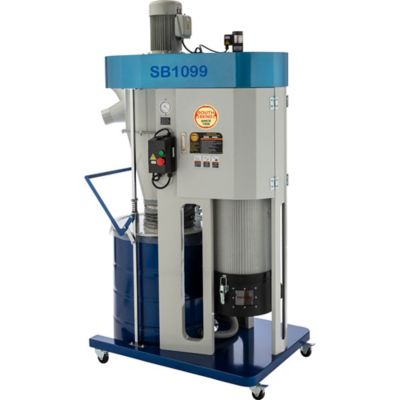
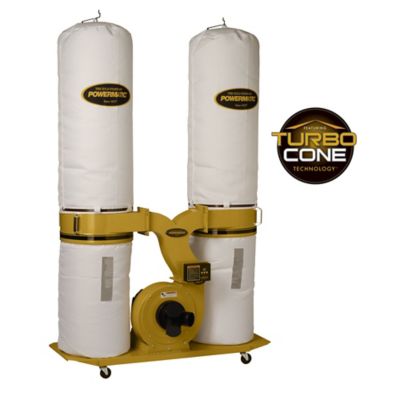
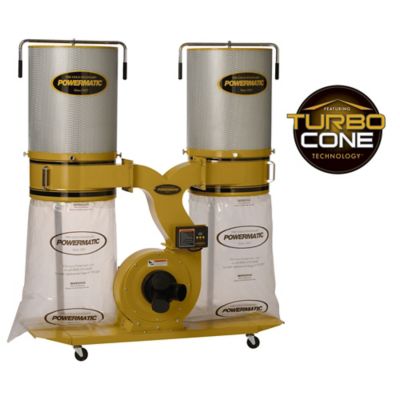
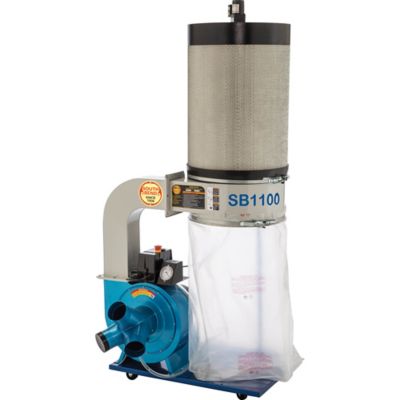
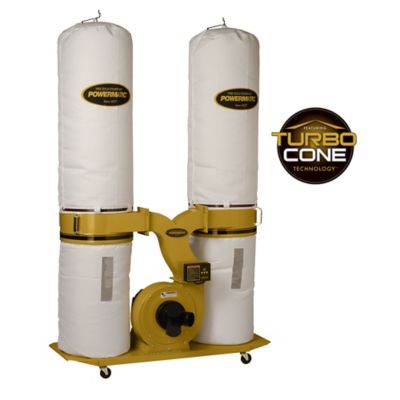
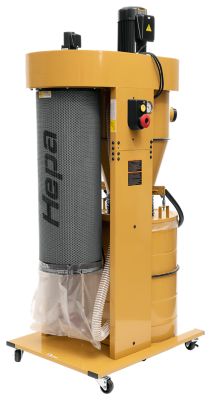
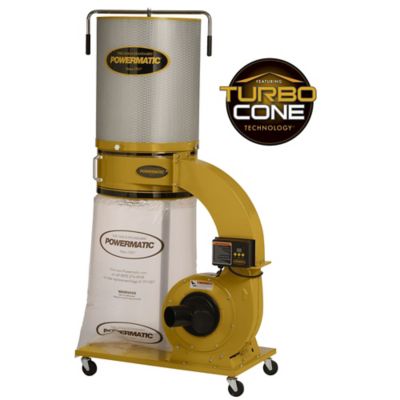
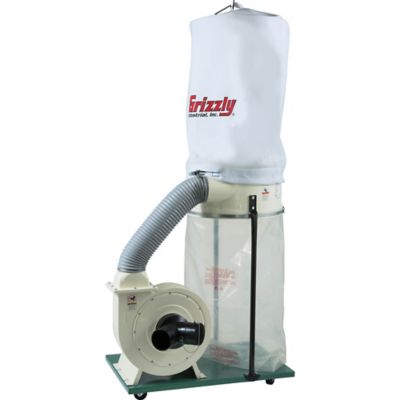
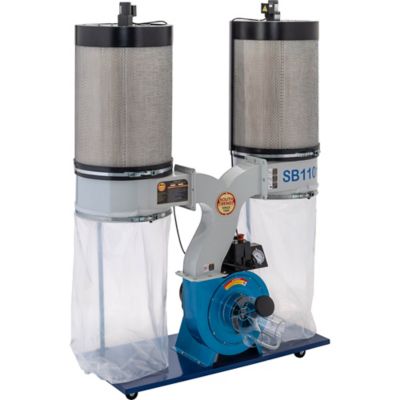
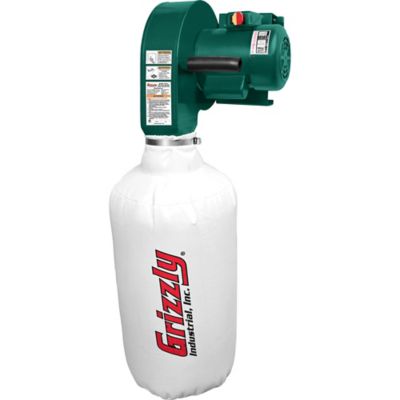
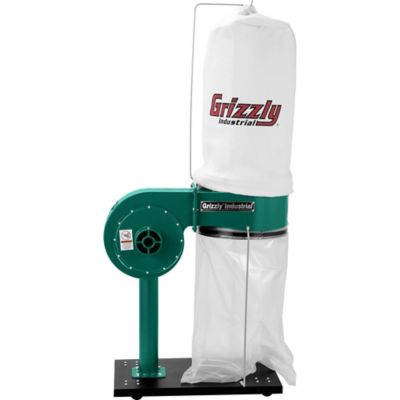
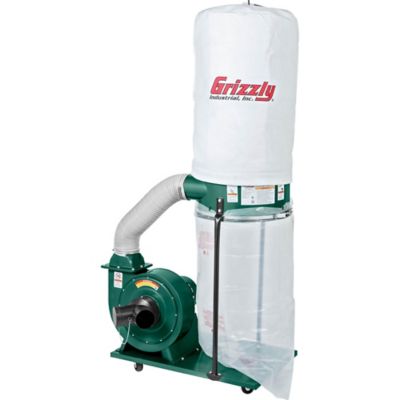
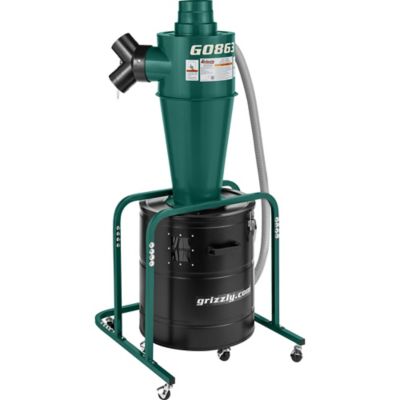
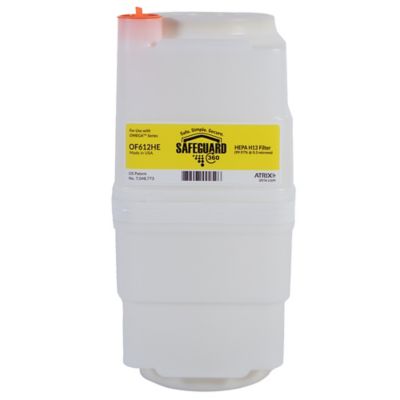
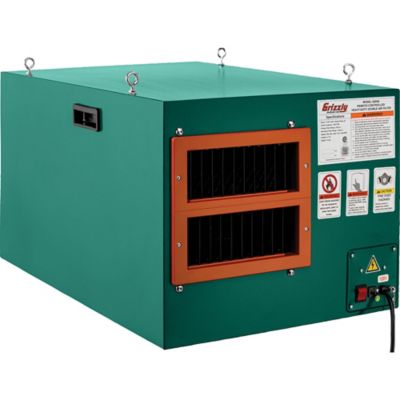
Industrial dust collectors capture dust and other airborne particles generated by cutting, sanding, machining and manufacturing, then separate that material from the moving air through filters, separators or a combination of collection stages. In a cabinet shop, farm repair building or busy production facility, that means catching material near the tool instead of letting it drift across benches, settle on machinery or hang in the breathing zone. These systems help reduce airborne dust and housekeeping demands when their airflow, filtration and collection capacity match the work being done. They are not all built for the same job, though. A collector handling dry wood shavings has different demands than equipment serving a fabrication process with fine metal particles. Fumes, oil mist, smoke and hazardous dusts require equipment specifically designed for those contaminants rather than a general-purpose dust collection setup. Common industrial dust collection designs include bag collectors, cartridge collectors and cyclone systems. Bag and cartridge collectors pass air through filter media that traps particles, while cyclones spin the incoming air to separate heavier material before it reaches a collection container or another filtration stage. A cyclone can take some of the load off downstream filters, but separation alone does not necessarily capture the finest dust. The right arrangement depends on particle size, the amount of material generated and how continuously the equipment runs. A shop that sands parts throughout the day puts a different load on a collector than a maintenance crew making occasional cuts between repairs. Fine sanding dust may stay suspended after larger shavings have fallen, so a cleaner-looking floor does not tell the whole story. Collection performance depends on the full path from the machine hood to the final filter, not simply the size of the motor or collection bag. For woodworkers, equipment repair crews, maintenance departments and small manufacturers, a properly matched system makes dust control part of the work rather than a cleanup chore left until the machines stop.
Airflow and static pressure are central to how industrial dust collectors fit a workspace. Airflow, commonly listed in cubic feet per minute, describes the volume of air moving through the system; static pressure reflects the resistance that air must overcome through hoods, hoses, ducts, fittings and filters. A large airflow number by itself does not establish what reaches the machine once the collector is connected. Long hose runs, tight bends, restrictive ports and loaded filters can all reduce performance at the pickup point. A single-machine setup and a central system serving several workstations therefore call for different layouts and capacity. The number of machines operating at once matters more than the number simply connected to the ductwork. Properly sized branches, well-fitting connections and suitable collection hoods help keep dust moving toward the collector instead of escaping around the workpiece. Physical fit matters, too: ceiling clearance, floor space, access to collection containers and room for filter service all affect how comfortably the equipment works in a real shop. Wheeled configurations can suit changing work areas, while stationary installations support a more permanent collection layout. Steel housings, sound welds, secure latches and abrasion-resistant components are useful considerations where chips and dust move through equipment day after day. Filter media must also suit the material, including its particle size, abrasiveness and any process-related moisture or chemical exposure. Filtration ratings deserve a close read because a stated particle size without an efficiency rating gives an incomplete picture of performance. Electrical requirements can include voltage, phase, circuit capacity and motor protection, making a qualified electrical assessment important before installation. Noise levels also matter around occupied benches and shared work areas. Controls that are easy to reach, collection containers that can be emptied without awkward lifting and clear access around service panels can make a noticeable difference over a full workday. Those details help determine whether a collector fits the building and the people working in it, not just the machine connection.
Keeping a dust collection system working well takes regular attention to filters, seals, duct connections and collected material. Filters loaded beyond their service limits can restrict airflow, while damaged media or leaking seals can let particles escape. Cleaning methods vary by filter design, so the equipment manufacturer’s directions matter; aggressive brushing or compressed air can damage some media or scatter dust back into the work area. Collection drums and bags need enough clearance for removal, along with a manageable plan for containing and disposing of their contents. Equipment should be shut down and isolated from power according to its service instructions before maintenance, with workplace lockout procedures followed where applicable. Inspection intervals depend on operating hours and dust load, not just the calendar. A shop running several machines every day may need attention much more often than an occasional-use work area. Combustible dust adds another layer of planning. Wood dust and certain metal, plastic and agricultural dusts can present fire or explosion hazards under the wrong conditions. A collector intended for sawdust is not automatically suitable for sparks, hot particles, welding fumes or combustible metal dust. Separate processes may require separate collection systems, and appropriate grounding and bonding do not replace any required explosion isolation, venting or suppression. System design should account for OSHA requirements, applicable NFPA standards and local codes, with qualified help for hazardous materials or complex installations. Filtered air should return indoors only where the system design and applicable requirements allow it; dust collection does not replace any required ventilation or respiratory protection. For work centered on saws, planers, jointers and sanders,
Woodshop Dust Collectors offer a more focused category for woodworking applications. Across industrial settings, matching the collector to the dust, the workload and the workspace supports practical day-to-day operation, from the first cut through the last container emptied.