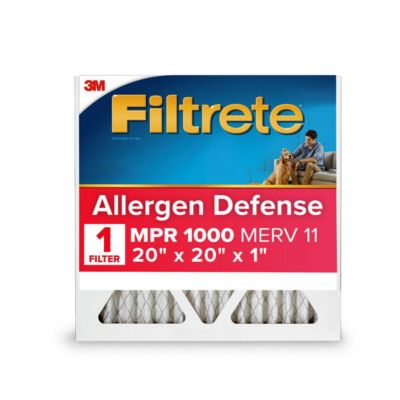
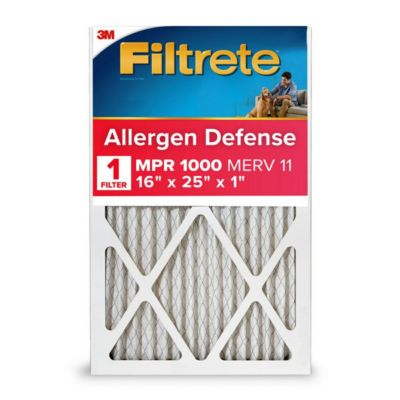
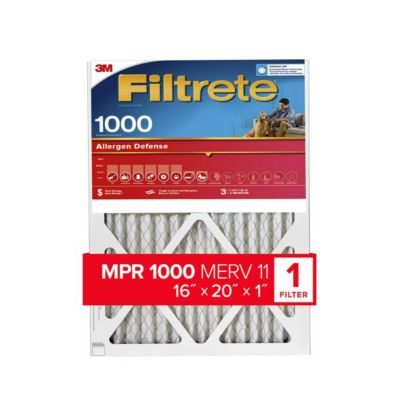
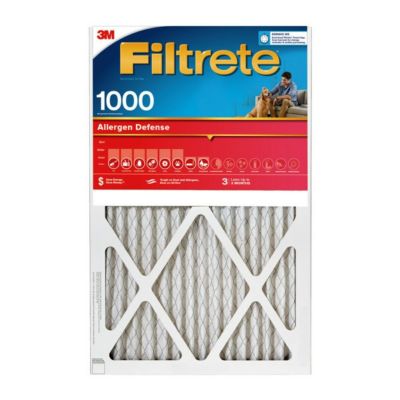
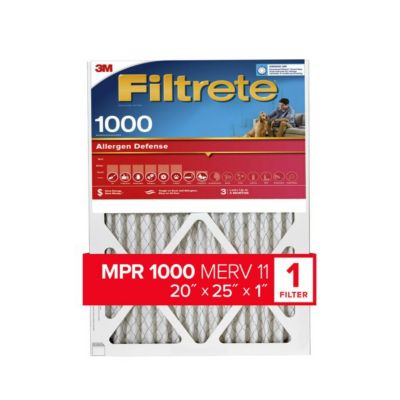
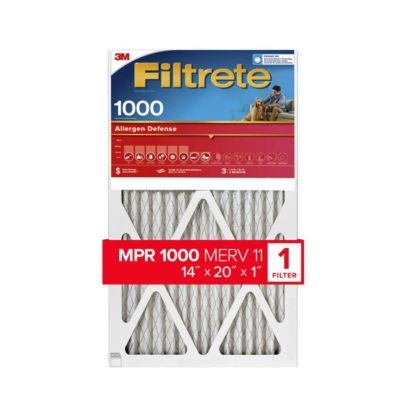
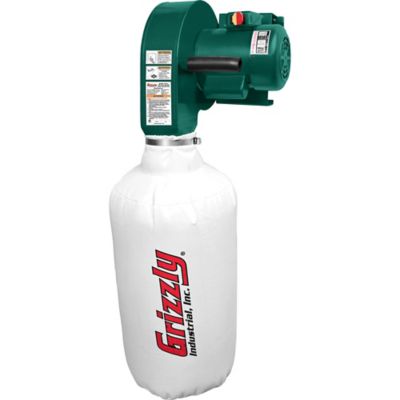
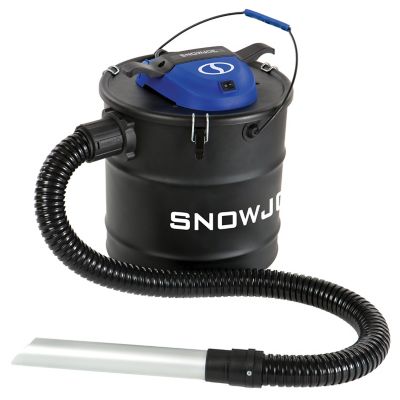
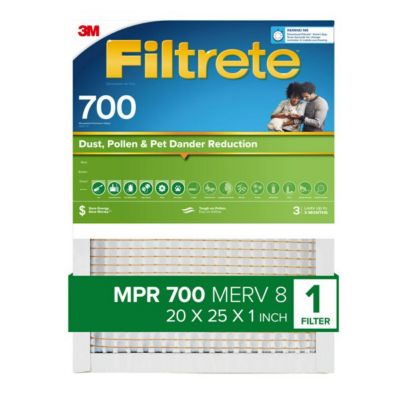
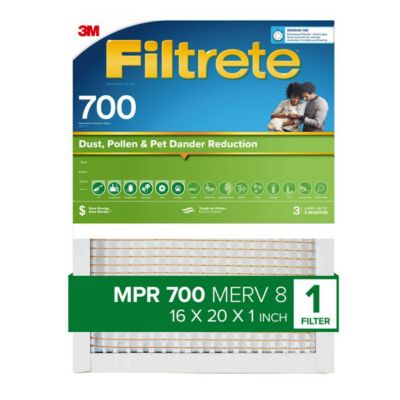
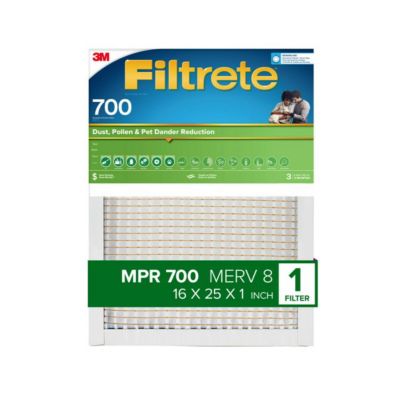
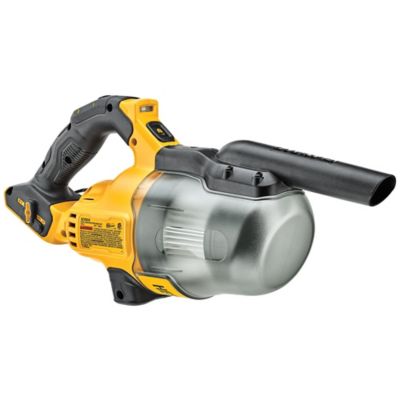
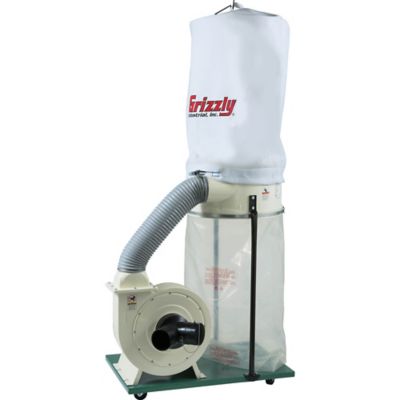
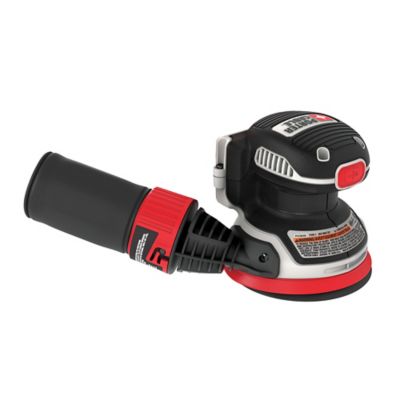
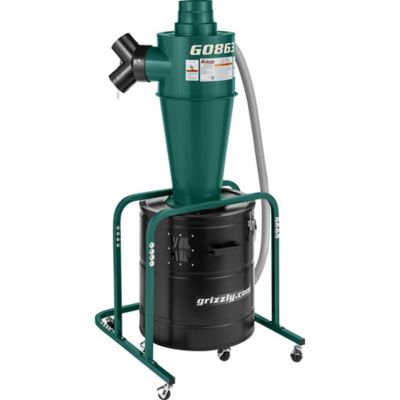
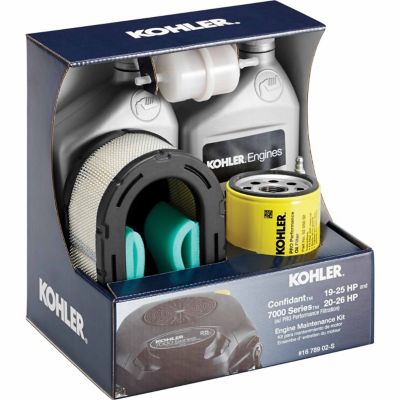
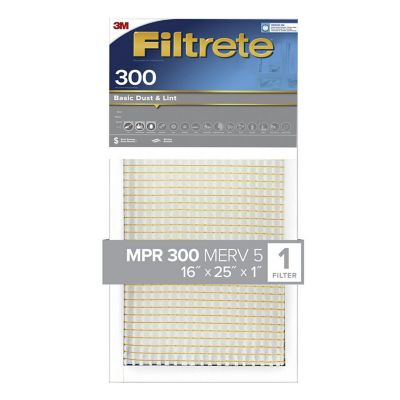
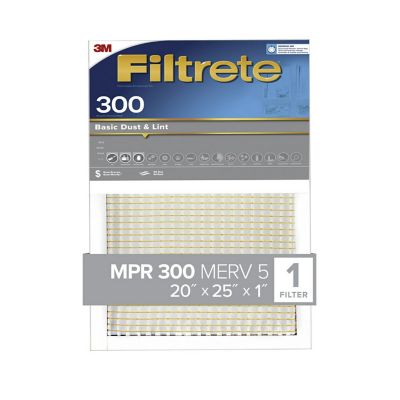
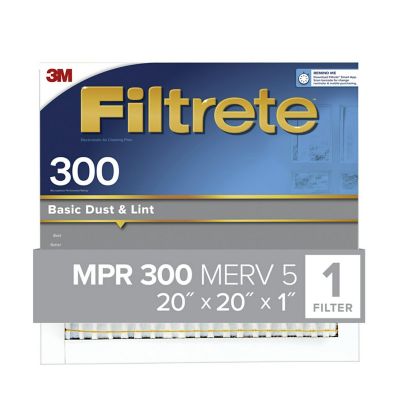
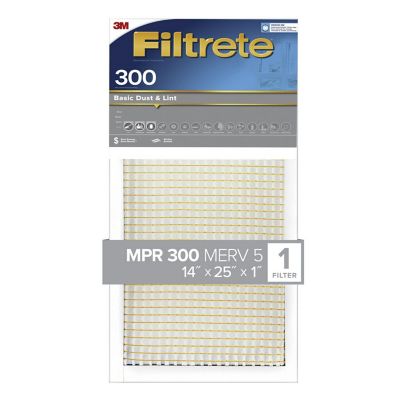
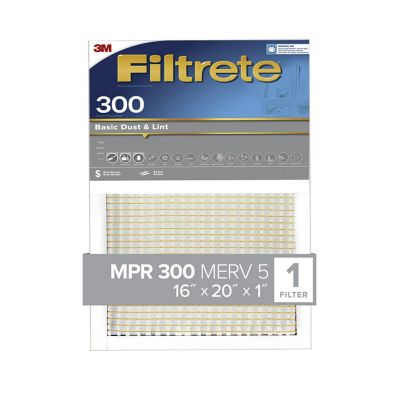
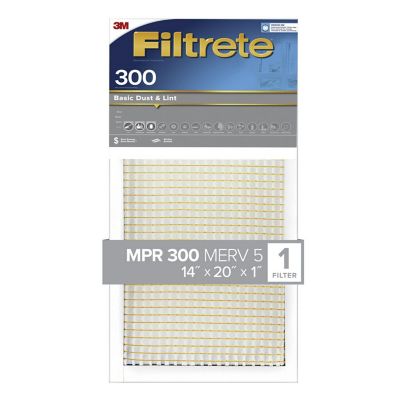
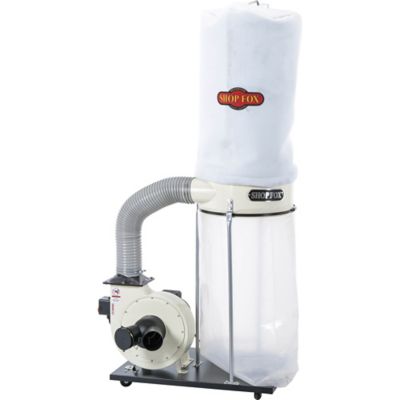
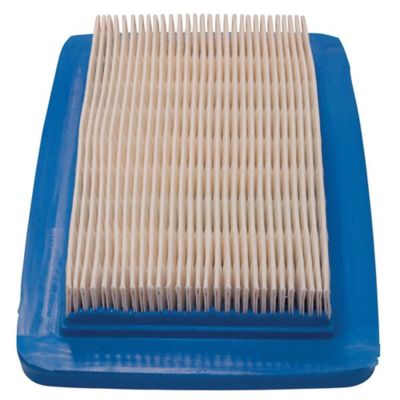
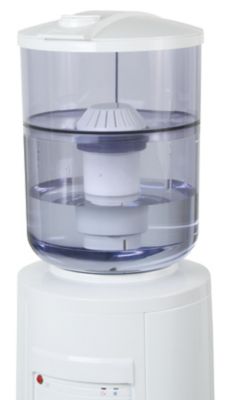
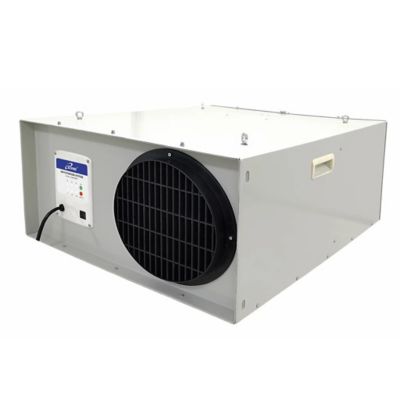
Dust filters help capture airborne particles before they settle across shelves, drift through living spaces, or make their way into heating and cooling equipment. In a farmhouse, garage, barn office, workshop, or other working space, the right filter can make cleanup feel more manageable while helping equipment move air as intended. Dust filters come in several forms, so the best choice depends on where the filter will go and what it needs to catch. Basic fiberglass-style pads are made to trap larger debris and protect an HVAC system from heavy buildup, while pleated filters have more surface area for collecting household dust, lint, pollen, and other small particles. HEPA filters are made for fine particle capture and can trap at least 99.97% of particles measuring 0.3 microns under standard test conditions. Workshop and cartridge filters are shaped for dust collection systems that handle sawdust, shavings, sanding residue, and other shop debris. Before choosing a filter, check the dimensions printed on the current frame or listed for the equipment, including length, width, and thickness. A filter that is too large may not fit, while one that is too small can allow air to pass around the frame. For home heating and cooling systems, browse
Home Filters to compare options made for residential air-handling equipment. It also helps to check the system manual, the filter slot, and the blower requirements before moving to a higher filtration rating. MERV ratings offer a common way to compare how well HVAC filters capture different particle sizes. Higher ratings generally collect more fine particles, but a denser filter can restrict airflow in an older furnace, air handler, or blower that is not designed for it. If the system struggles, airflow drops, or the unit runs longer than normal, step back and confirm the recommended rating with the equipment instructions or a heating and cooling professional.
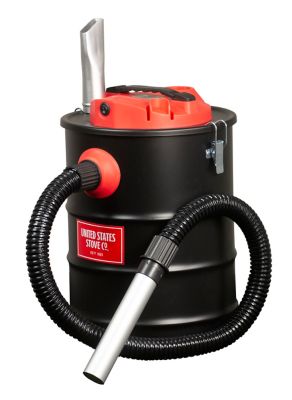
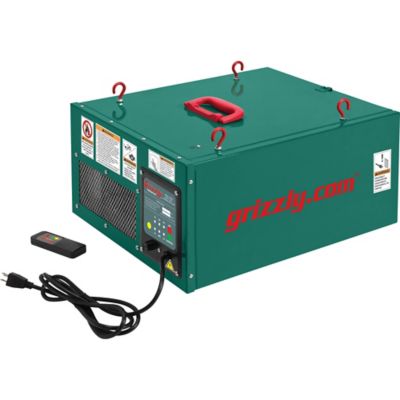
Dust filters are a practical choice for homeowners, renters, farmers, woodworkers, mechanics, hobbyists, and anyone who spends time around dirt, lint, or airborne shop residue. In a rural home, dust can come in on boots, coats, pets, feed bags, and firewood, then settle on window sills and furniture during the cooler months when doors stay closed and the furnace runs more often. A filter in the HVAC system can help catch particles as air circulates, though it works best when paired with regular sweeping, vacuuming, and attention to return vents. In a workshop, a dust collector filter should match the collector and the type of material being produced. Fine sanding dust calls for a different approach than large wood chips, and a shop vacuum filter should be selected for the debris and machine listed by the manufacturer. Keep the airflow arrow pointed toward the blower or motor, since installing a filter backward can reduce performance and place extra strain on the system. Inspect filters by looking for a gray, matted, or visibly loaded surface, but follow the equipment maker’s schedule as well. Many standard home filters are checked each month and replaced around every 60 to 90 days, while homes with pets, livestock, construction work, or heavy dust may need more frequent attention. Workshop filters often need cleaning or replacement sooner when sanding, cutting, or grinding creates a steady stream of fine particles. Always shut off powered equipment before removing a filter, and wear eye protection or a dust mask when handling a loaded filter outdoors. A fresh filter can also make a thoughtful practical gift for someone setting up a new shop, moving into a house with forced-air heat, or getting ready to spend more time on indoor projects. Keep spare filters in a dry place away from moisture, feed, fuel, and loose debris, and write the installation date on the frame so the next change does not get overlooked. With the right size, rating, and filter style, it is easier to keep air-moving equipment working smoothly and keep dust from taking over the corners of the home or shop.