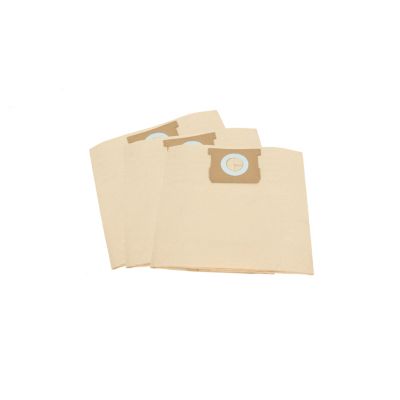
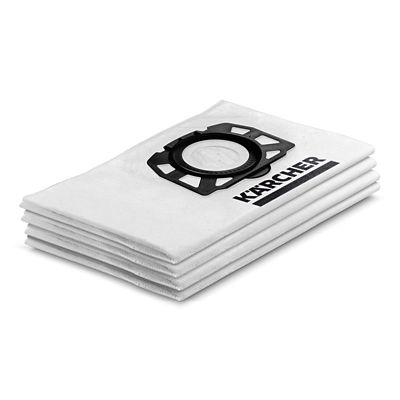
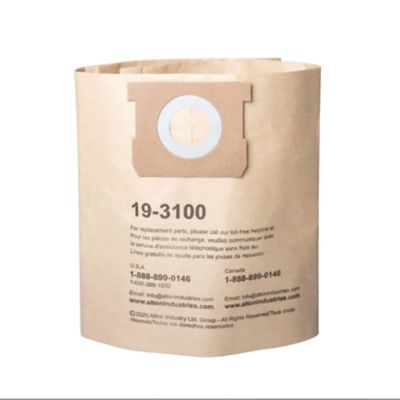
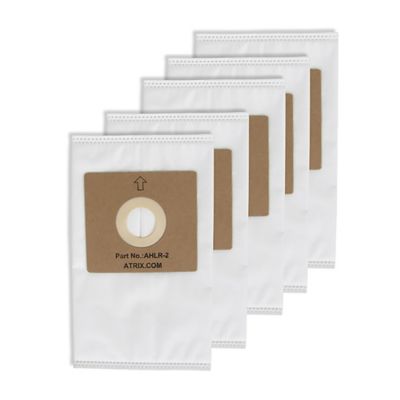
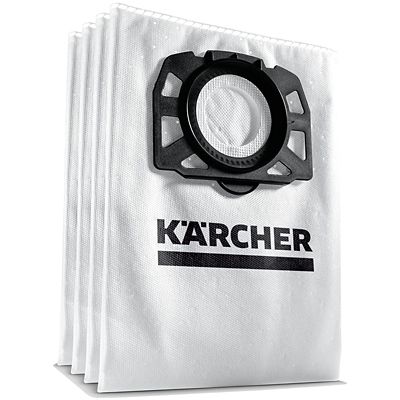
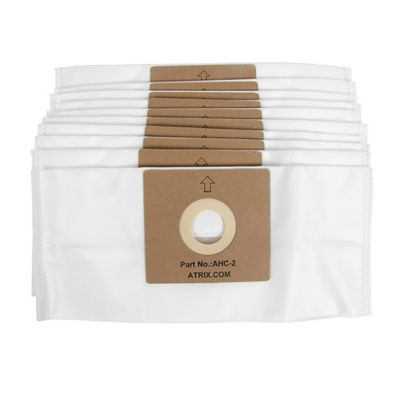
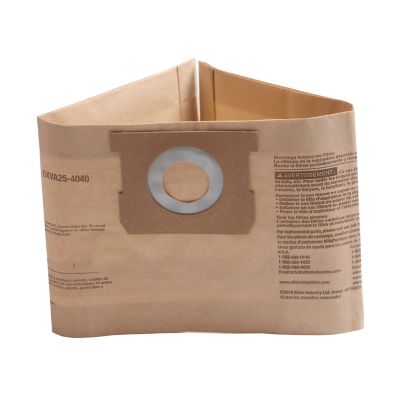
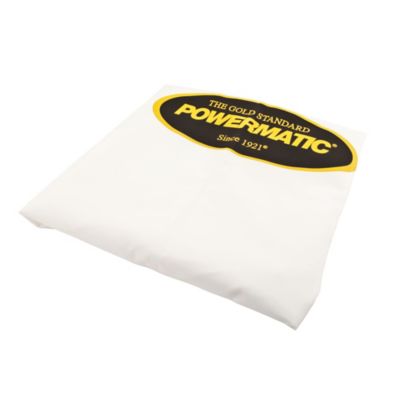
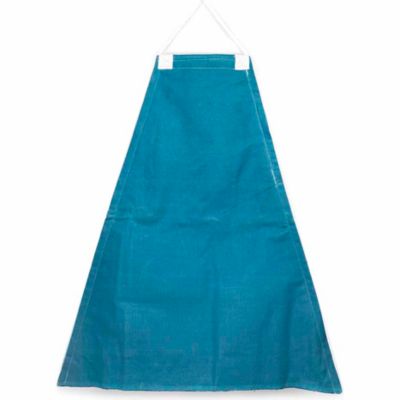
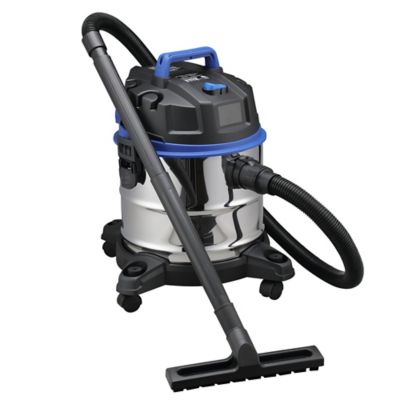
Vacuum cleaner dust bags collect dry dirt, dust and other debris inside compatible bagged vacuums, keeping the mess contained until it is time for a change. They are part of the machine’s airflow and filtration system, not just a place for dirt to land. A properly fitted bag lets air pass through its material while holding collected debris inside, helping the vacuum do its job around the house, garage or workbench. For homes where boots track grit across the entryway or pets leave hair along the baseboards, that enclosed collection can make everyday cleanup a little less messy. Replacement bags come in different shapes, capacities and attachment styles for upright, canister and certain wet/dry
vacuum cleaners. Compatibility depends on the vacuum’s model and specified bag type, rather than appearance alone. Two bags that look much alike can have different inlet openings, collars or dimensions, and a bag that nearly fits may leave gaps where dust can escape into the compartment. The attachment point matters as much as the bag’s overall size: cardboard collars, molded fittings and sealing rings each need to match the connection inside the machine. Tank capacity can help narrow the choices for some shop vacuums, but the gallon rating by itself does not establish a proper fit. The model information and bag designation in the owner’s manual offer a better match than a visual comparison. A bag also needs enough room to open inside its compartment without being pinched by the lid or pressed against the inlet. Whether the job is picking up crumbs beneath the kitchen table or clearing ordinary dry debris from a garage floor, the intended application should match both the bag and the vacuum. Household dust bags and shop vacuum collection bags are not automatically interchangeable, even when their stated capacities seem close. Matching the whole setup helps keep collected dirt where it belongs and makes replacement less of a chore.
Bag materials and construction make a difference in how a dust bag handles the work. Paper bags provide a lightweight collection chamber, while synthetic fleece bags often have a softer, layered construction that can flex as debris collects. Some designs combine several layers to catch smaller particles while allowing airflow through the bag wall. Material alone does not establish filtration performance, though; the bag’s stated specifications and compatibility with the vacuum are what count. Fine-dust collection calls for a bag intended for those particles and a machine approved for the task. Ordinary household bags are not a substitute for the equipment and filtration required for hazardous dust. For everyday household cleanup, pet hair, carpet fibers and tracked-in dirt place different demands on a bag than the fine powder left by certain workshop jobs. Hair and lint can take up space quickly, while fine particles can restrict airflow before a bag looks full. Strong seams and a well-secured collar help the bag hold together through filling and removal, especially when collected debris has some weight to it. Closable flaps or caps on some disposable designs help cover the opening after removal, reducing the chance of a dusty trail on the way to the trash. These features can be handy in a busy household where the vacuum travels from rugs to furniture and back again. For anyone concerned about airborne particles, bag filtration is only one part of the picture. The vacuum’s seals, filters, housing and exhaust path also affect how well the complete system contains dust. A bag labeled for high-efficiency filtration does not, by itself, turn an ordinary vacuum into a sealed HEPA system. The best fit for the work is a bag with the required filtration rating, the correct connection and construction suited to the debris the machine is designed to collect. That combination matters more than choosing by thickness, color or how large the empty bag looks.
Routine bag changes help keep cleaning moving without putting extra strain on the vacuum’s airflow. There is no single replacement schedule that fits every home or work area: a quiet spare room and an entryway shared by muddy boots and shedding pets will fill bags at different rates. The manufacturer’s fill line or replacement indicator is the main reference, with earlier changes sometimes needed when fine dust restricts airflow. A noticeable drop in pickup can also come from a clogged hose, a blocked inlet or a filter that needs attention, so a new bag is not always the whole answer. Disposable dust bags are meant for replacement, not repeated emptying or washing. Shaking one out can release collected dust and may damage the material or collar, while moisture can weaken paper and affect filtration. Reusable collection bags, where a vacuum specifically allows them, need the cleaning and drying care stated by their manufacturer. Standard dry collection bags generally are not meant for liquid pickup; wet/dry machines have their own instructions for switching between dry debris and liquids, including which bags and filters belong in place. Hot ashes, glowing embers, flammable liquids and hazardous materials require separate precautions and equipment approved for those tasks. Between changes, keeping replacement bags in a clean, dry cabinet protects them from dampness, punctures and crushed fittings. An intact bag is easier to seat correctly, and a clear inlet connection helps keep debris from slipping around the seal. For a home with several bagged machines, keeping each replacement type with its matching equipment can prevent a frustrating mix-up halfway through chores. Vacuum cleaner dust bags may be a small part of the setup, but proper fit, suitable filtration and timely replacement make a practical difference from the first pass across the rug to the last sweep around the workbench.