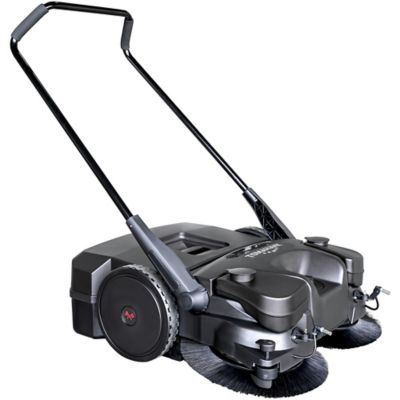
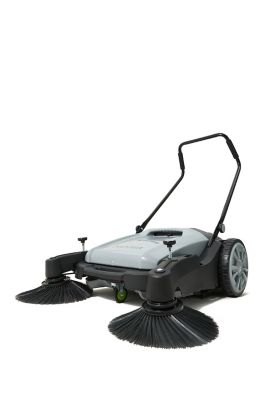
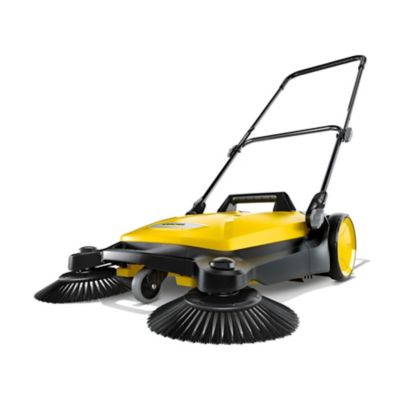
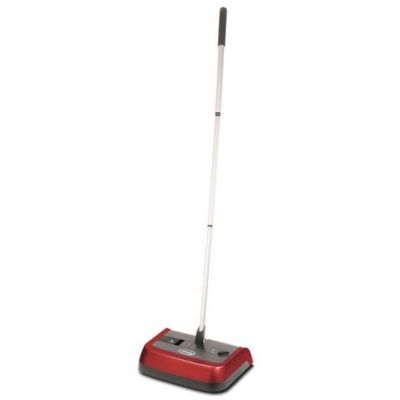
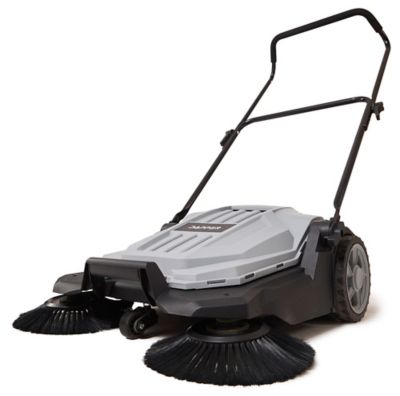
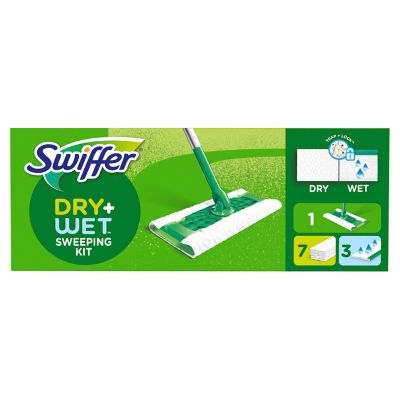
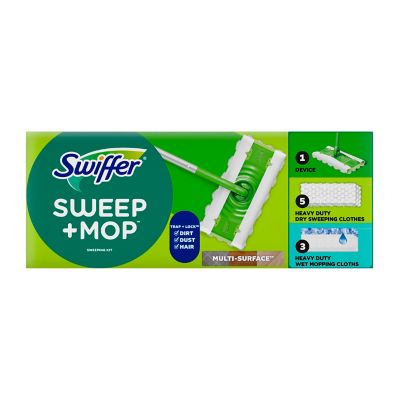
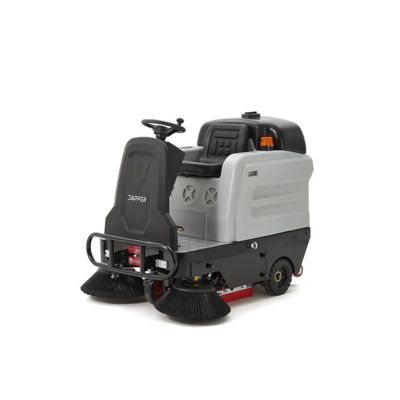
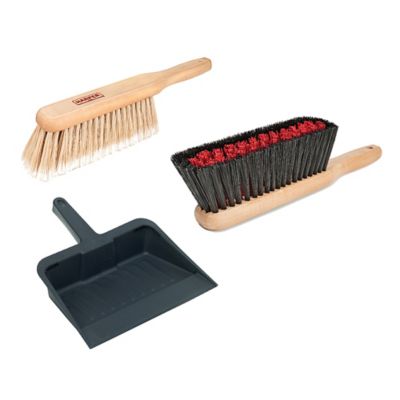
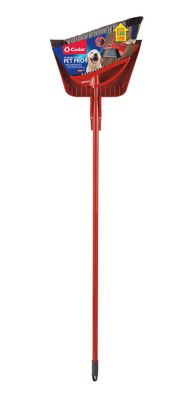
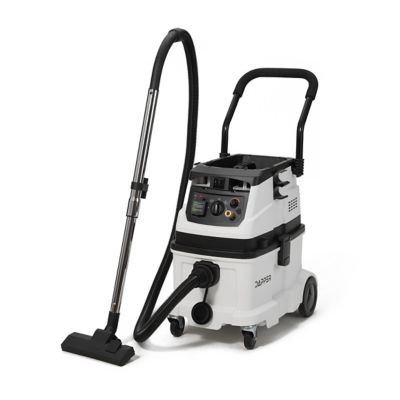
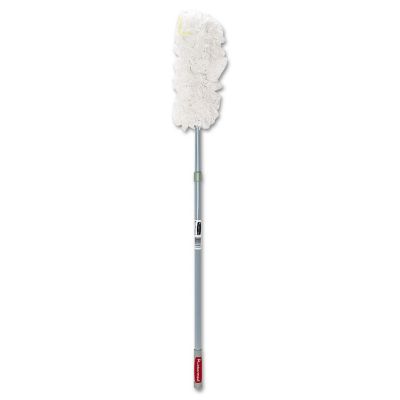
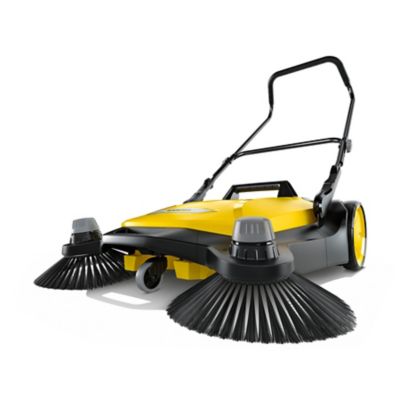
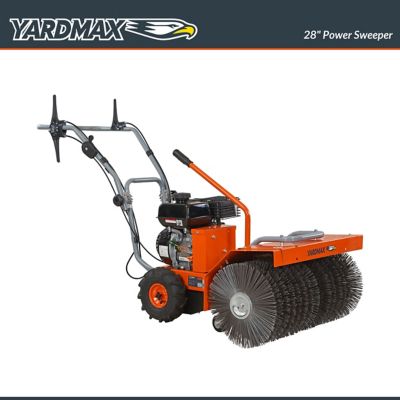
Dust sweepers help keep hard floors, low-pile carpet and work areas looking tidy without the noise, cords or setup that can come with larger cleaning equipment. Depending on the style, a dust sweeper may use a flat microfiber or cotton pad to gather fine dust, pet hair and small bits of dirt, while a manual carpet sweeper uses bristles or an electrostatic surface to pick up crumbs and loose debris. Larger push sweepers are built for barns, shops, garages, porches, warehouses and other wide spaces where a broom can take a while to do the job. These tools are handy in any home, but they earn their keep in busy farmhouses, mudrooms and entryways where boots, paws and daily chores track in a steady layer of grit. During the cooler months, when doors and windows stay closed more often, a dust sweeper makes it easier to freshen up floors without stirring a cloud of dust into the room. It can also be useful for quick cleanups after feeding pets, unloading supplies, working on a small project or bringing in firewood. A sweeper is often a thoughtful practical gift for a new homeowner, renter, pet owner, caregiver, shop owner or anyone who enjoys keeping a place neat with simple, dependable tools. Pairing one with
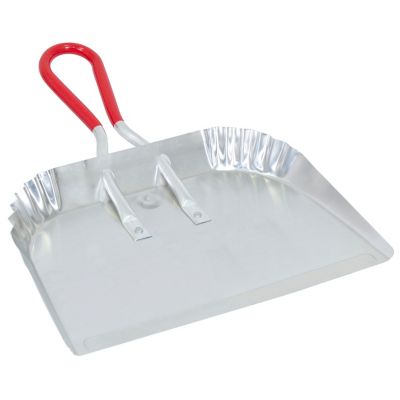
Dustpan And Brush Sets can make a handy cleaning setup for a mudroom, workshop or utility area.
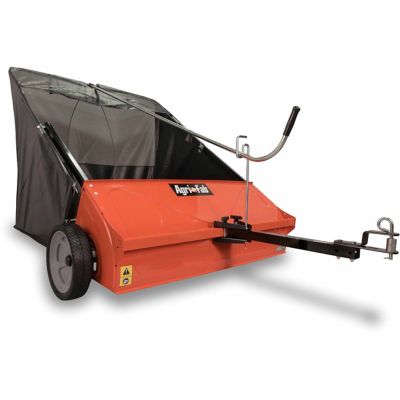
When choosing a dust sweeper, start with the surface and the kind of mess it will handle most often. Flat dust mops are a good fit for sealed wood, laminate, vinyl, tile and other smooth floors, especially when the main trouble is fine dust, hair or light debris. Look for a head that is wide enough to cover ground efficiently while still sliding beneath cabinets, beds, shelving and other low spaces. A swivel joint helps the sweeper follow around table legs and corners, and a handle with a comfortable grip can make a difference when cleaning several rooms in one pass. Washable pads are useful for regular household work because they can be shaken out or laundered instead of replaced after every use. For low-pile carpet, rugs and smooth garage floors, a bristle-style carpet sweeper may be a better match for crumbs, bits of hay and surface dirt. These manual sweepers do not need batteries or an outlet, making them convenient for cabins, barns, porches and areas where power is limited. If you are covering a large shop floor, feed room or paved outdoor area, consider the sweeper’s cleaning path, wheel design, collection bin and overall build. A wider path can save time, while sturdy wheels help the sweeper roll over small changes in texture. Powered or heavy-duty models may be useful for larger spaces, but a compact manual sweeper is often easier to store and grab for everyday touchups. Storage matters, too: a slim profile can hang in a closet or stand beside a washer, while a larger push sweeper may need a spot in the garage or equipment shed.
For cleaner, more effective passes, begin around the edges of the room and along baseboards, where dust and hair tend to collect. Keep the leading edge facing forward, then move in long, straight, overlapping lines rather than short, choppy strokes. This steady motion helps gather debris instead of scattering it back across the floor. On smooth surfaces, use light pressure and let the pad or bristles do the work; pressing down too hard can make the tool harder to steer and may reduce its ability to pick up fine particles. Empty a collection bin before it gets packed, and shake out or wash a reusable pad when it becomes coated with dust. Let washable pads dry fully before storing them so they stay fresh and ready for the next cleanup. It is also smart to check the floor before sweeping for damp spots, sharp scraps, twine or larger pieces that could snag the pad or bristles. In a home with pets, a quick pass through the entryway can pick up hair and tracked-in dirt before it spreads to the rest of the house. In a barn or workshop, sweeping after a project or chore keeps sawdust, shavings and dry debris from building up underfoot. A dust sweeper will not replace every broom, vacuum or outdoor cleaning machine, but it fills the useful space between a tiny spot cleanup and a full floor-detailing job. Keep one near the back door, laundry area, shop or mudroom, and it will be close at hand when a few minutes of sweeping can make a room feel more comfortable and cared for.