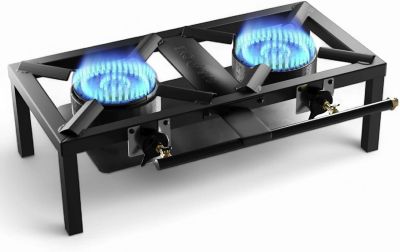
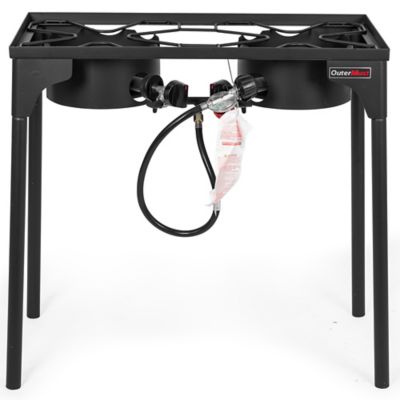
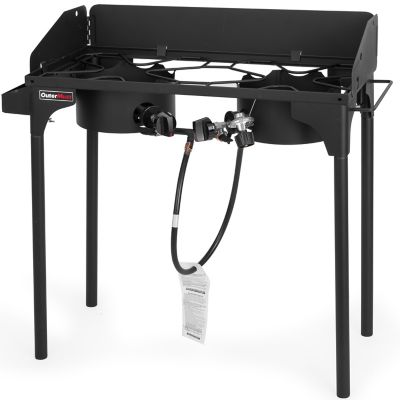
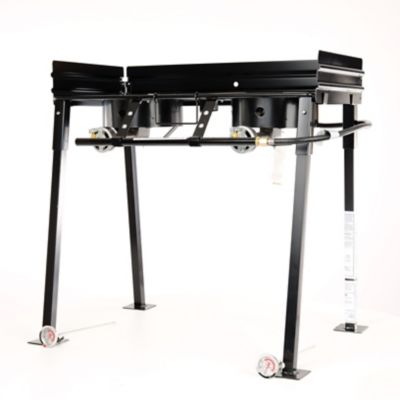
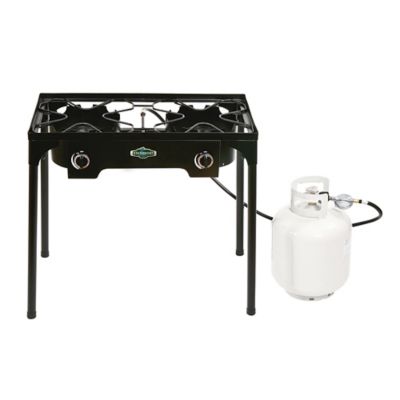
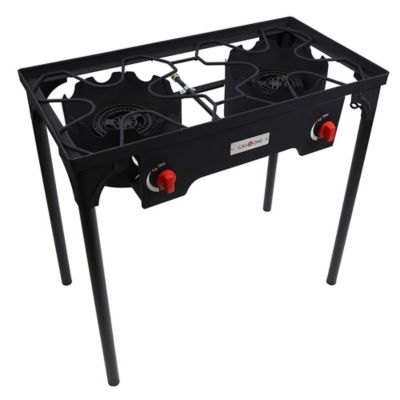
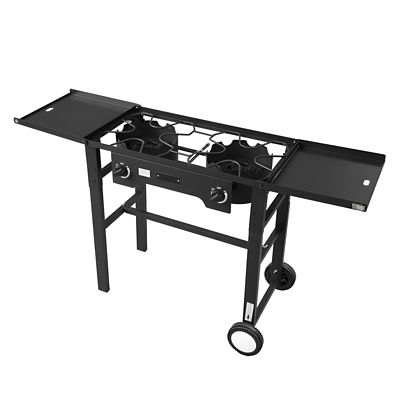
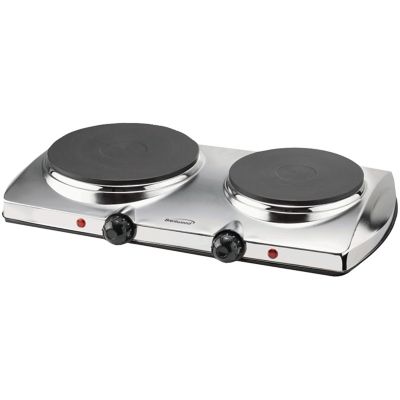
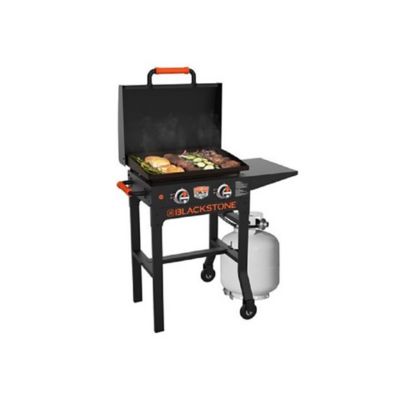
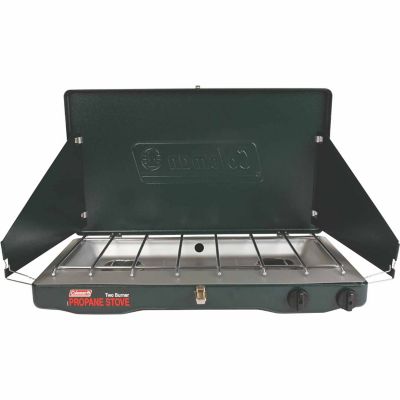
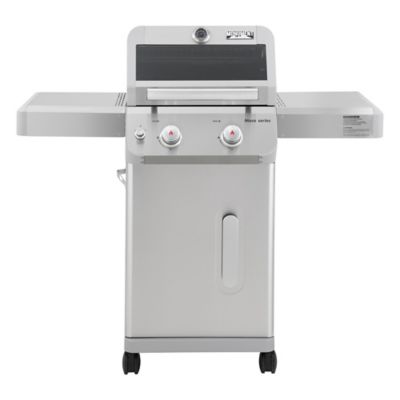
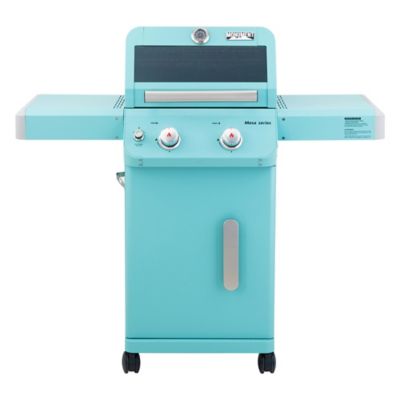
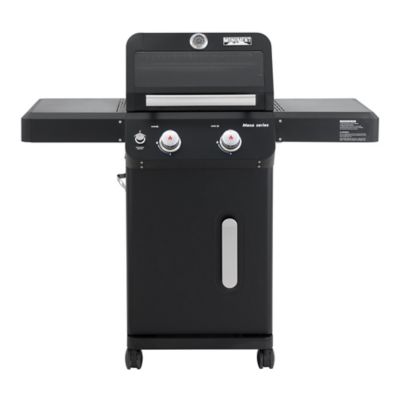
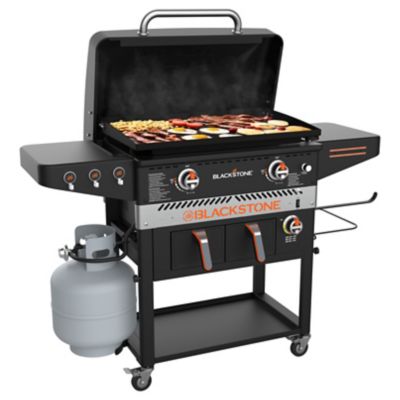
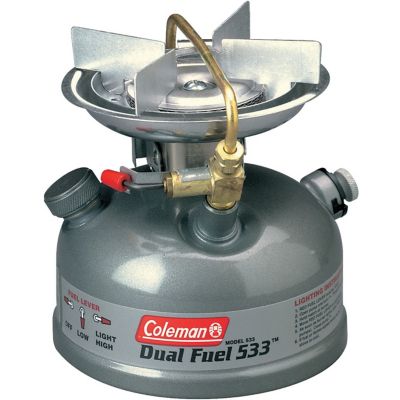
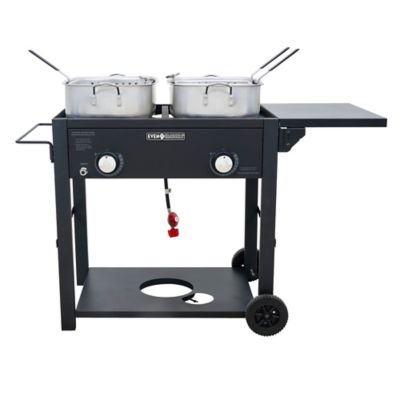
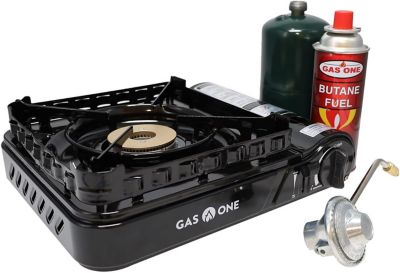
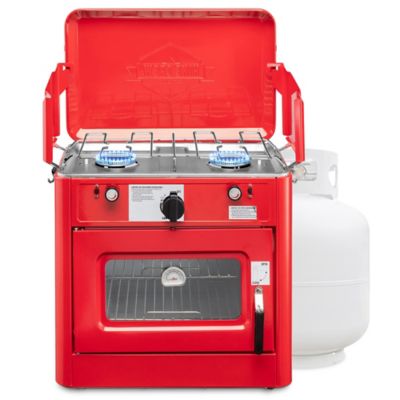
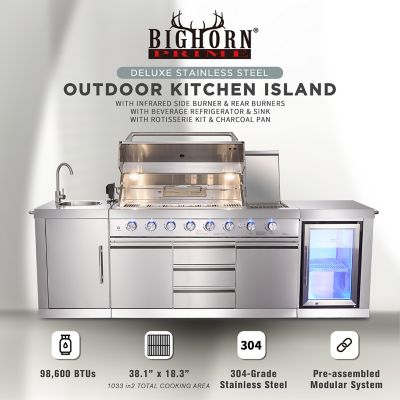
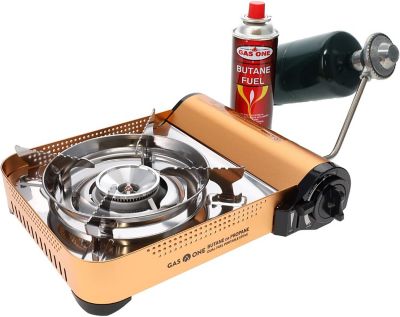
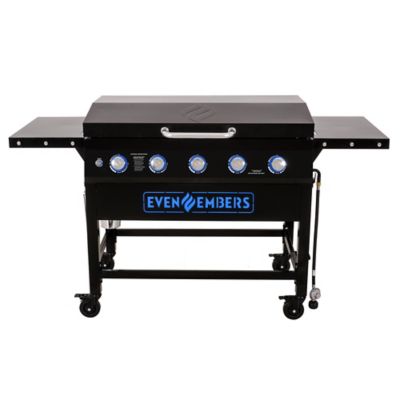
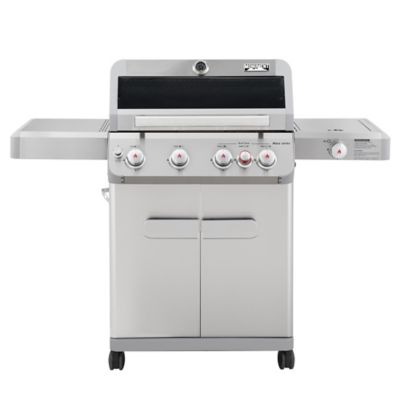
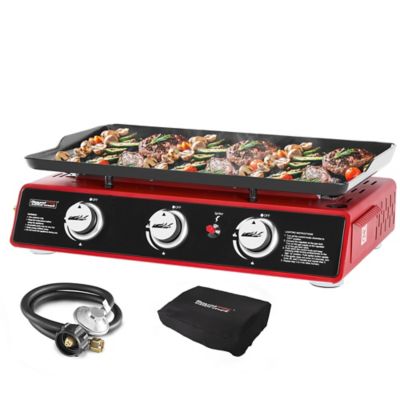
Dual burners give you two independent cooking surfaces in one compact setup, making it easier to prepare more than one part of a meal at a time. Depending on the style, they may be countertop electric burners, portable propane or butane camp stoves, or built-in outdoor side burners designed to work alongside a grill or outdoor kitchen. Each burner typically has its own control, so you can bring a pot of water to a rolling boil on one side while gently warming beans, simmering gravy, or sautéing vegetables on the other. That simple bit of flexibility comes in handy when the kitchen is crowded, the power is out, or supper is being cooked away from home. A portable dual burner can serve as an extra cooking station during family gatherings, canning days, fish fries, camping trips, tailgates, and chores that keep you outside from sunup to sundown. Electric models are often a practical choice for a countertop, workshop, dorm room, RV, hunting cabin, or other location with a dependable outlet. Gas-powered models are a natural fit for campsites, farm stands, outdoor cooking areas, and emergency backup use where a propane cylinder or fuel canister is available. For more ways to expand a cooking setup, browse
Kitchen Burners and compare the different styles that can help keep meals moving.
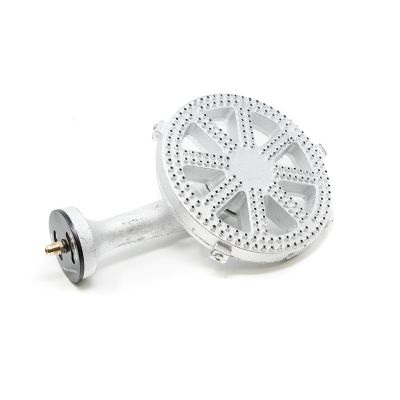
When choosing dual burners, start with where and how you plan to use them. An electric unit should match the outlet and power supply available, while a gas unit should be compatible with the fuel source you intend to carry or keep on hand. For outdoor use, look at the burner frame, feet, wind protection, and overall stability. A sturdy base matters when a stockpot is full of chili or a cast-iron skillet is holding a whole batch of sausage and peppers. Some outdoor burners are made for light travel, while heavier framed designs are better suited to a permanent spot on a porch, patio, camp kitchen, or work area. Pay attention to the cooking surface and make sure it can support the pots and pans you already use. Small cookware may work well on compact units, but larger kettles and wide skillets need enough room to sit flat without crowding the neighboring burner. Independent temperature controls are another important feature. Separate dials or valves let you run one side on high heat for boiling and keep the other side low for warming, which is especially useful when cooking several dishes with different timing. Heat output can vary between models, so consider whether you mostly need gentle warming, everyday frying, or the extra power required for large pots and outdoor cooking. For electric burners, cast-iron plates are known for steady, even heat, while infrared and induction designs may offer quicker response when used with compatible cookware. Check the manufacturer’s cookware requirements before buying, particularly with induction. For gas burners, review ignition style, hose or regulator connections, and the recommended fuel. A removable or easy-to-clean surface can save plenty of scrubbing after bacon grease, spilled sauce, or a pot that boiled over.
Dual burners are useful well beyond a second kitchen appliance. A homeowner may keep one ready for holiday meal preparation when every stove eye is occupied, or use it outdoors to cook the foods that create steam, grease, or strong aromas indoors. Someone living in an RV or cabin may rely on a compact unit for everyday meals, while a camper can use a portable stove to make coffee at daybreak, heat soup for lunch, and cook a skillet supper as the weather cools. They can also be helpful for gardeners and homesteaders during harvest season, when a separate burner keeps a large kettle going for blanching vegetables, making preserves, or heating water while the main kitchen remains free for other work. During cooler months, an outdoor side burner makes it possible to simmer a pot of sauce or warm a kettle without running back and forth through the house. Dual burners can make a thoughtful gift for campers, newly independent cooks, RV travelers, hunters, tailgaters, and anyone setting up a first outdoor cooking space. Before giving one, consider the recipient’s fuel access, storage space, cookware, and favorite way to cook. Safety deserves equal attention wherever a burner is used. Set the unit on a level, stable, heat-resistant surface with plenty of clearance from walls, dry grass, awnings, boxes, and other flammable materials. Use gas burners outdoors or only in locations specifically approved by the manufacturer; never operate a fuel-burning stove in a tent, garage, barn, shed, or enclosed porch because carbon monoxide can build up quickly. Keep fuel containers upright and away from heat, inspect hoses and connections, and follow the lighting instructions instead of improvising. For electric units, keep cords away from hot surfaces and water, use the proper outlet, and allow the burners to cool fully before moving or storing them. With the right size, heat source, controls, and placement, a dual burner becomes a dependable helper for busy kitchens, open-air meals, backup cooking, and the everyday work of keeping a household well fed.