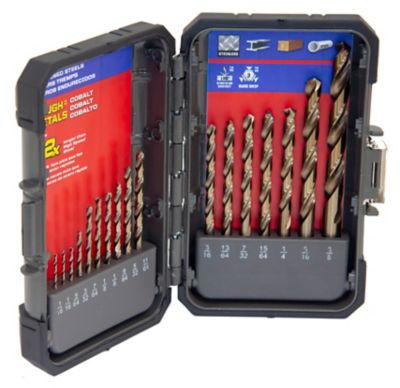
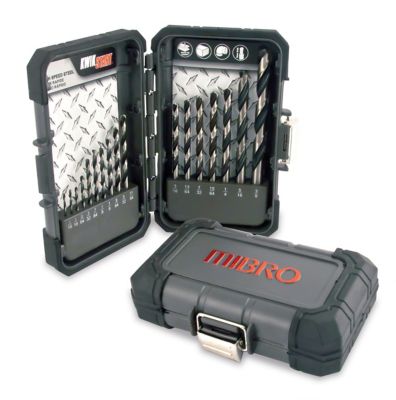
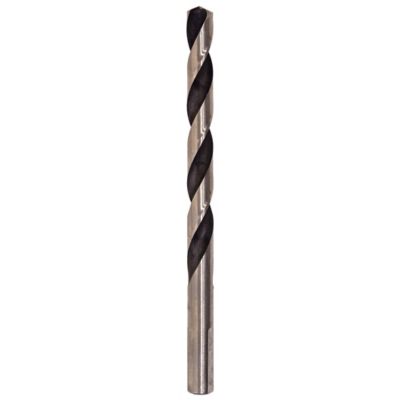
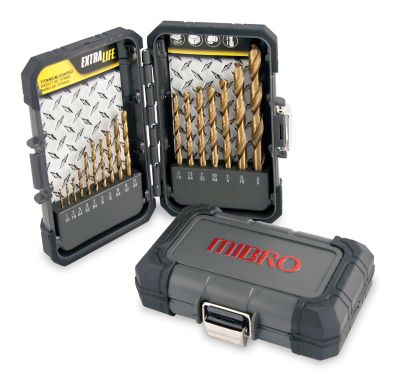
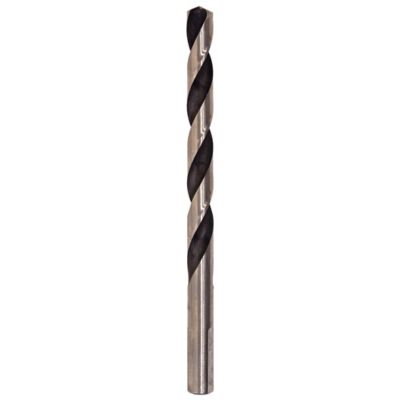
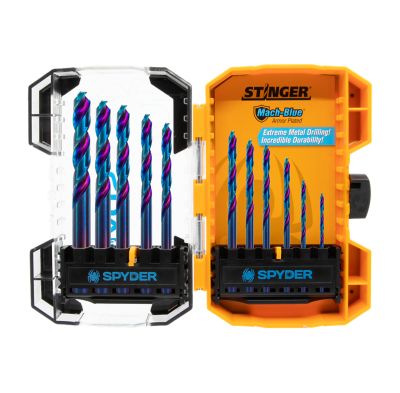
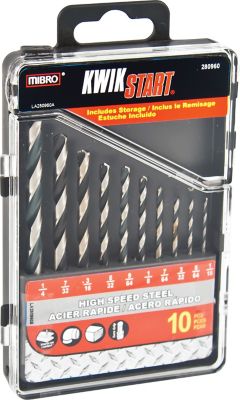
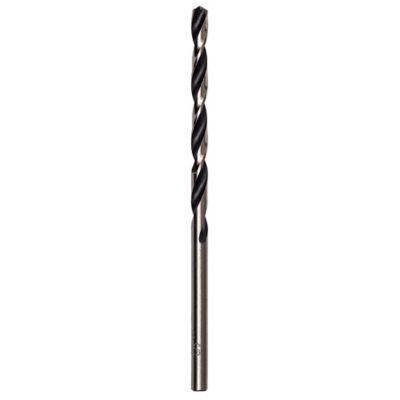
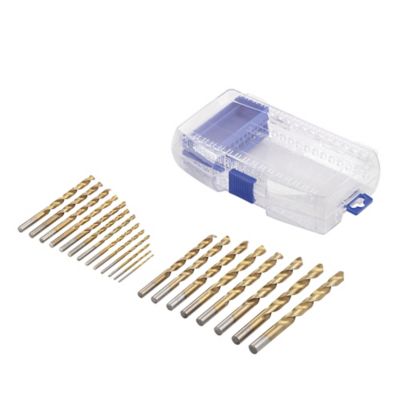
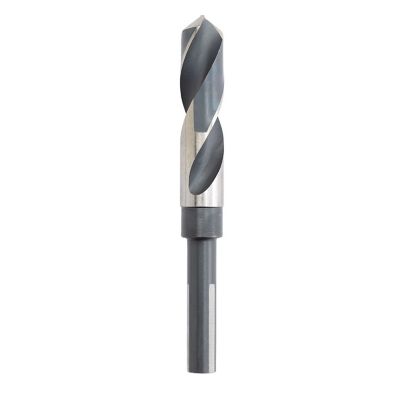
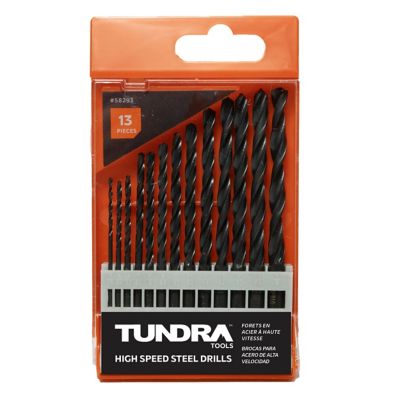
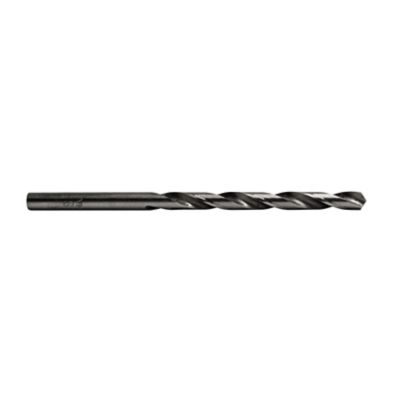
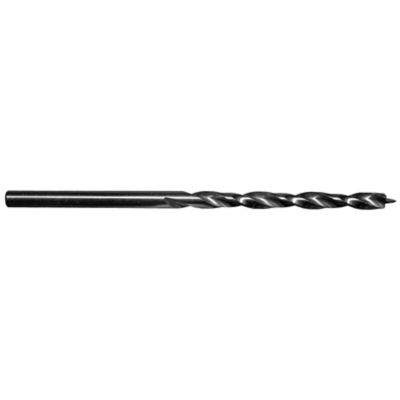
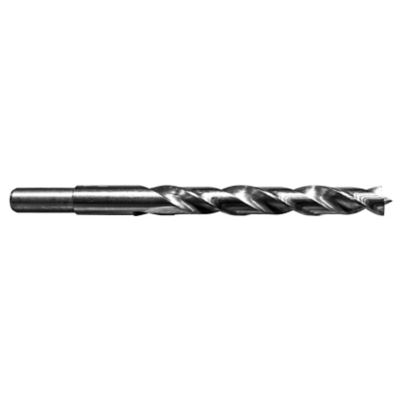
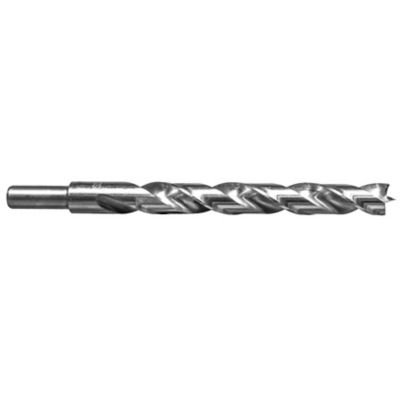
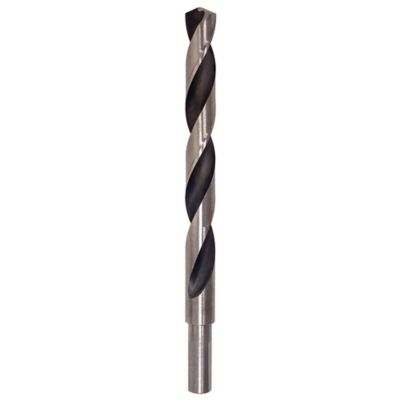
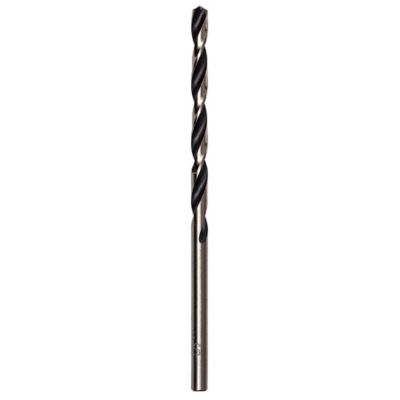
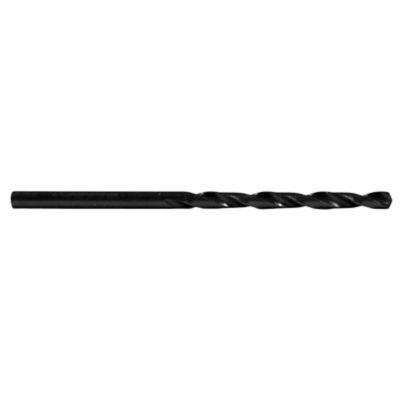
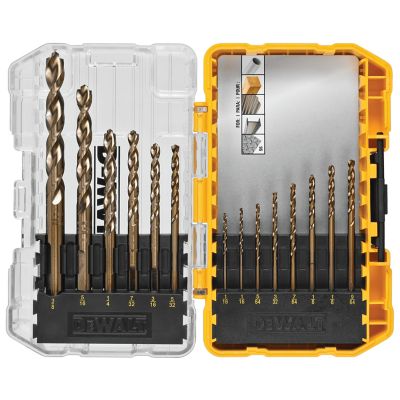
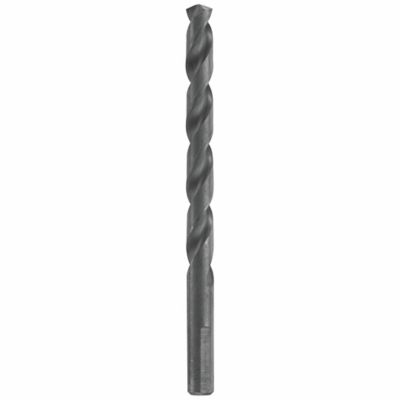
High speed steel drill bits are a handy choice for folks who need one set to cover a range of jobs around the house, shop, barn, or farm. HSS, often marked on the package as high speed steel, is made to handle the heat created by drilling and can make clean holes in many types of wood, from soft pine and cedar to harder oak and maple. These bits also work across several other common materials, including plastic, drywall, and soft metals such as aluminum, which makes them a practical addition to a general tool kit. When you are repairing a gate, fitting a latch, hanging shelves, building a workbench, or drilling pilot holes for screws, having several bit sizes close at hand saves a trip back to the hardware aisle. Look for a set with the sizes you reach for most, along with a case that keeps each bit in its marked spot. A broad range may suit someone tackling home repairs and farm maintenance, while a smaller selection can be plenty for light work and simple projects. Check the shank style as well, since round shanks fit many standard drills and quick-change shanks can make switching between bits easier when you are working through a long list of tasks. A bit that matches your drill chuck and project needs will help the job go smoother, especially when you are standing in a chilly shop with sawdust on your sleeves and a half-finished repair waiting on the bench.
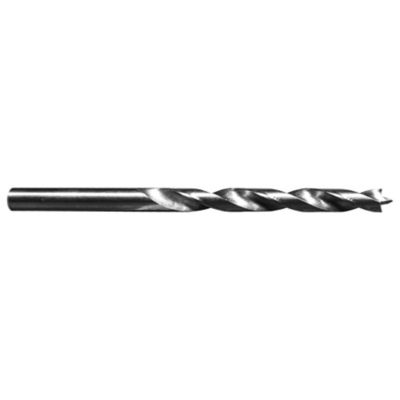
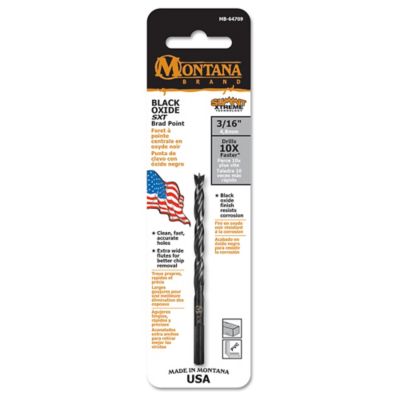
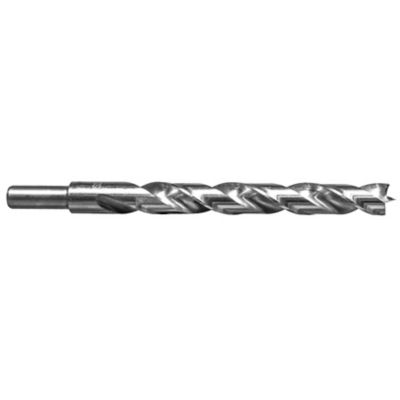
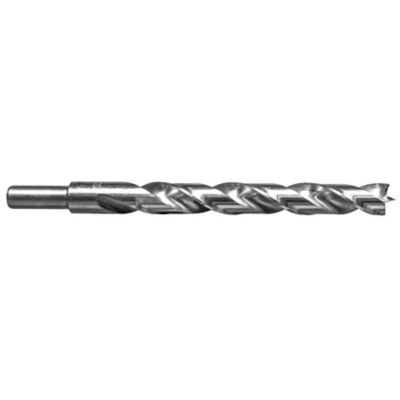
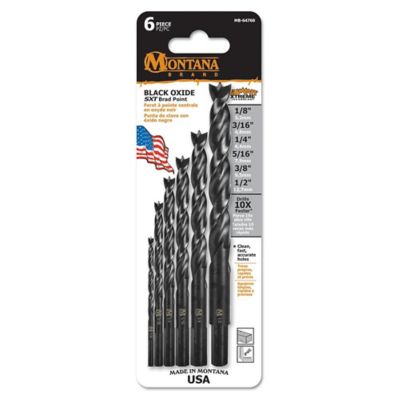
The point design deserves a close look before you choose a set. A 135-degree split-point tip helps the bit start where you place it instead of skating across the surface, a helpful feature when drilling into smooth boards, finished lumber, or a marked spot that needs to stay right on track. For a clean start, hold the drill square to the wood, let the bit reach full speed, and apply steady pressure rather than forcing it. A small pilot hole can make larger holes easier and can help keep screws from splitting the board, especially near an edge or in dry lumber. HSS bits are well suited to general carpentry, repairs, maintenance work, and projects where you may move from wood to plastic or soft metal without changing tools. They can also handle repeated holes better than many basic bit materials, though heat still builds when a bit is pushed too hard or run against a stubborn surface. Ease off the pressure if the bit begins to smoke, clear chips from a deep hole, and allow the bit to cool between demanding tasks. For softwood, a regular twist bit may move through the board quickly; hardwood calls for a slower pace and careful pressure. Fine woodworking may call for dedicated brad-point bits, which have a center spur and outer cutting edges that can leave cleaner entry and exit holes in boards where the finished appearance matters most. For rough carpentry, fence repairs, shelving, cabinet assembly, and everyday maintenance, HSS twist bits offer a flexible middle ground. Shoppers comparing sets may also check the size markings, bit count, storage case, coating, and manufacturer recommendations for drill speed. A set that includes small pilot sizes, common middle sizes, and a few larger bits can cover tasks ranging from hinge screws and hardware mounting to running wire through a board. If your projects call for a different material or a tougher cutting edge, you may also want to browse
Hard Steel Drill Bits as you compare options.
These drill bits suit homeowners, farmers, ranch hands, maintenance workers, woodworkers, and anyone who keeps a drill ready for the next fix. A new homeowner may appreciate a set for hanging cabinets, assembling furniture, and making small repairs, while an experienced do-it-yourselfer can keep one in the truck, toolbox, or shop drawer for fence hardware, stall repairs, signs, and general upkeep. They can make a useful gift for someone setting up a first workshop, moving into a new place, or spending the cooler months on indoor building projects. Before buying, think about the wood and the kind of work on your list. Pine, fir, cedar, and other softwoods generally drill easily, while dense hardwoods call for sharper bits, a measured speed, and patience. If you commonly work with reclaimed boards, inspect the lumber closely for nails, screws, staples, dirt, or grit before drilling, since hidden metal can damage a cutting edge. Keep the bits dry, wipe away chips after each job, and return them to their case instead of leaving them loose in a drawer where the tips can knock against other tools. A dull or damaged bit may wander, create excess heat, or leave a rough hole, so replace it when the cutting edges show wear. Matching the bit to the hole size, drill speed, wood type, and fastener helps prevent split boards and makes each hole easier to finish. During the cooler months, a dependable set can turn a long list of barn, garage, and household repairs into manageable work, whether you are fitting a new latch before the wind picks up, building a storage rack, or settling in at the bench for a weekend project.