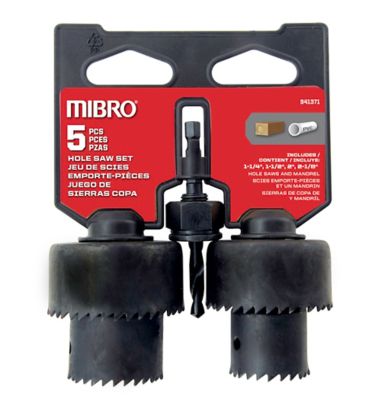
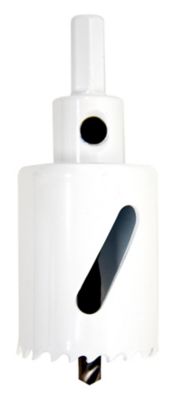
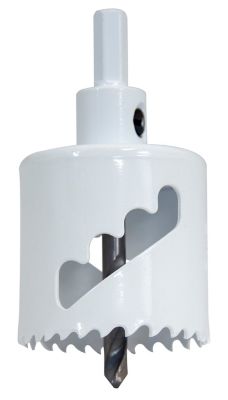
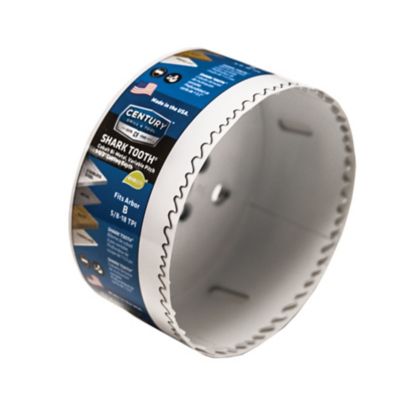
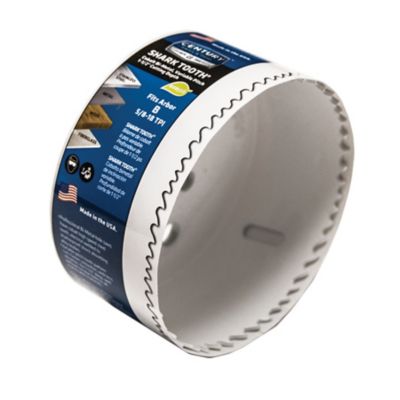
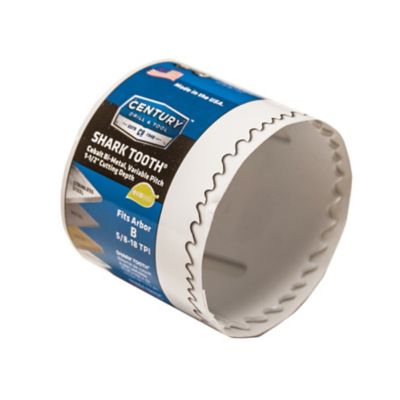
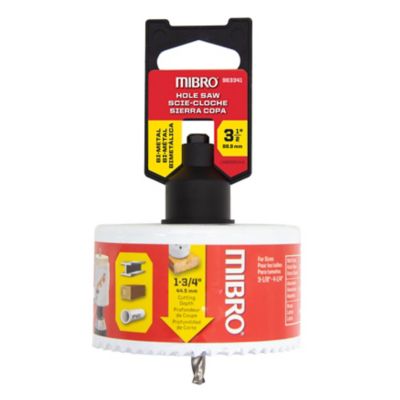
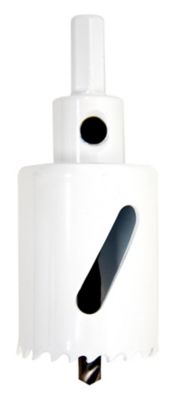
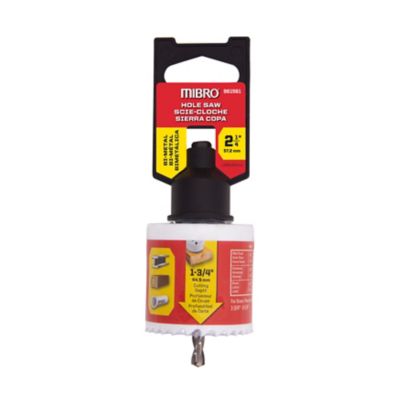
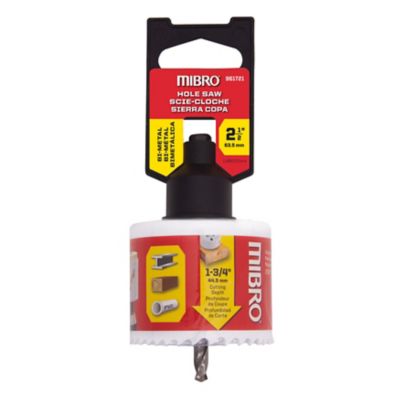
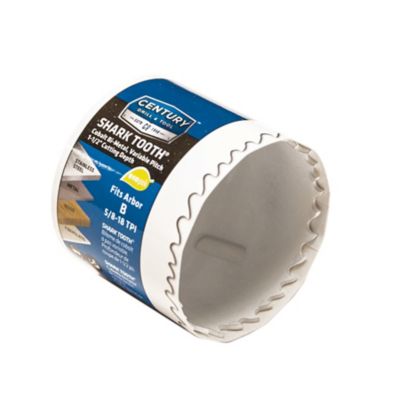
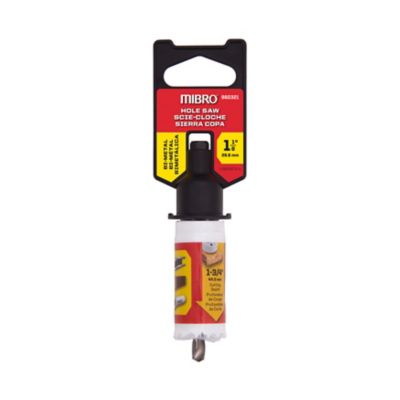
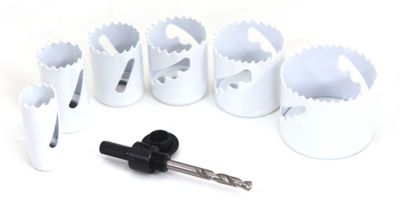
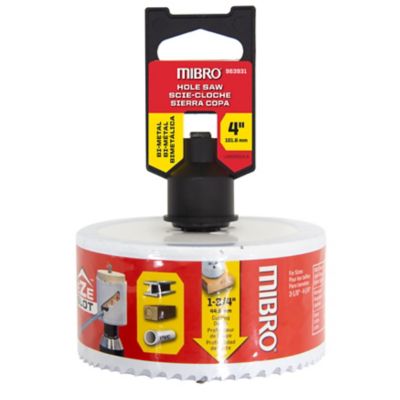
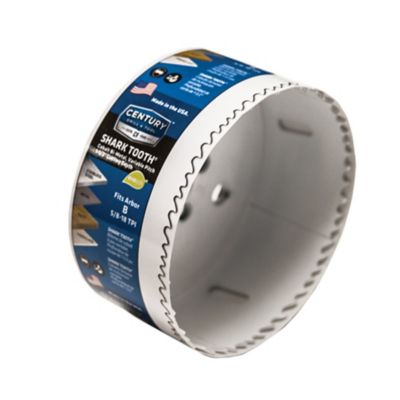
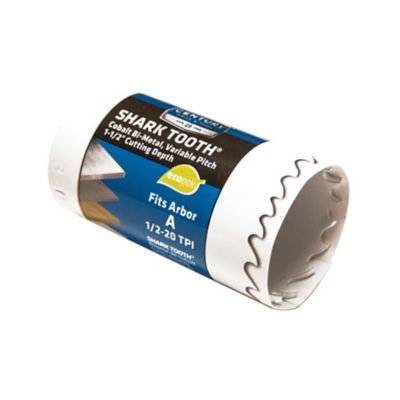
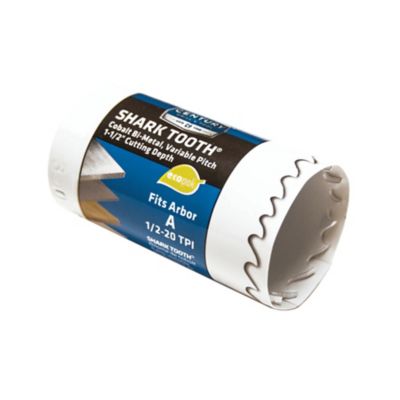
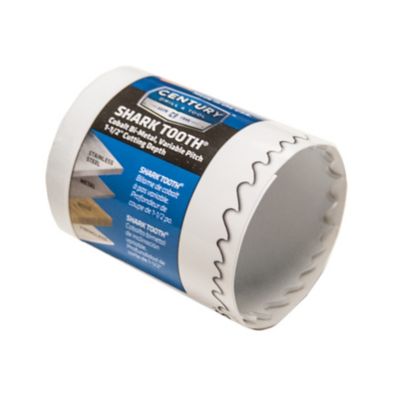
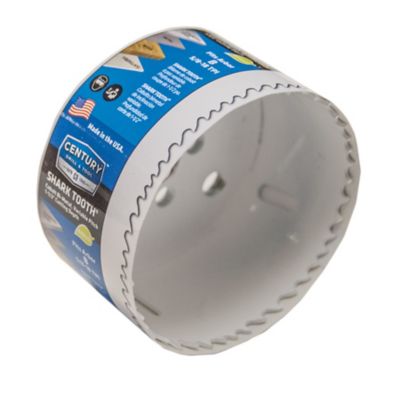
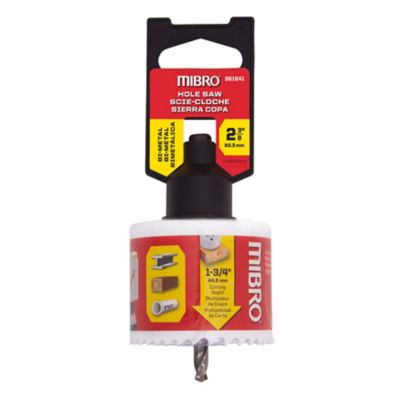
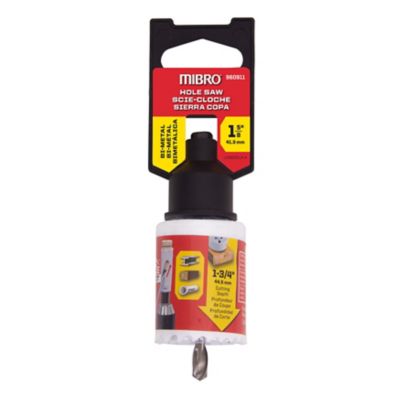
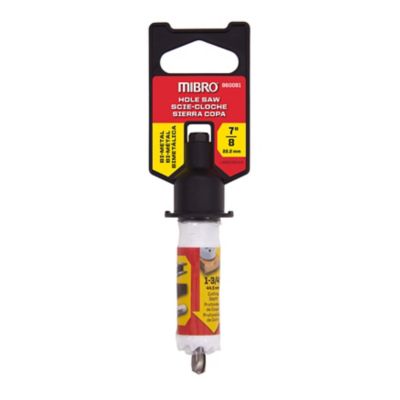
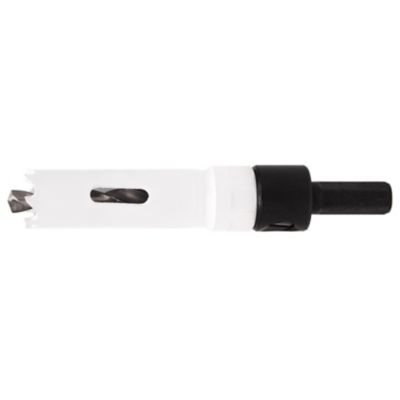
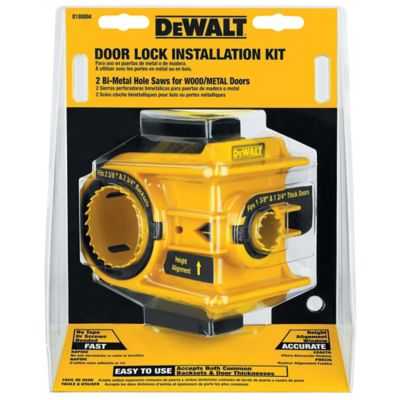
Bi-metal hole saws for wood are handy shop and jobsite tools for making clean, round openings without drilling away a large circle of material. They are commonly used with a power drill to cut holes for plumbing lines, electrical wiring, ventilation, recessed lights, door hardware, cabinet fittings, and other home, farm, and workshop projects. A bi-metal design combines a flexible alloy steel body with high-speed steel cutting teeth, giving the saw a useful balance of toughness and cutting ability. The teeth can work through common wood materials such as pine, cedar, hardwood, plywood, OSB, and laminated boards, and many are also suitable for plastics. They can be especially useful when working on older framing or reclaimed lumber where an occasional nail or fastener may be hidden inside. Bi-metal teeth are more forgiving than many basic carbon-steel options, but they are not made to chew through heavy metal or repeated fasteners all day. If the saw catches a nail, ease up on the pressure, keep the drill steady, and inspect the teeth before continuing. For a broader selection of drilling tools for mixed projects, browse
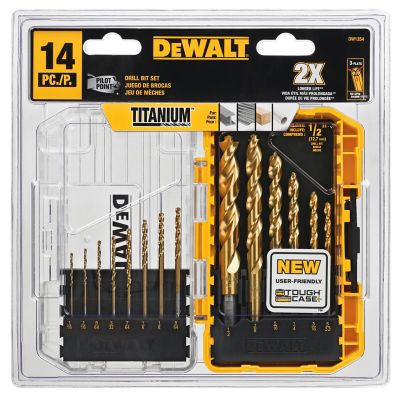
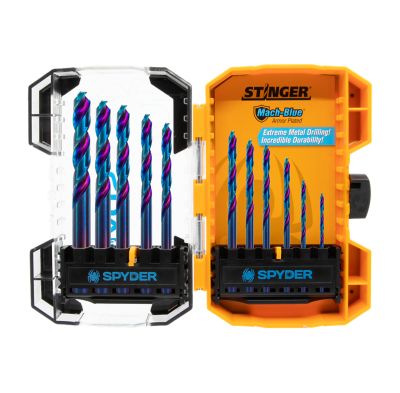
Drill Bits For Metal And Wood.
The right size is the first thing to check when choosing a bi-metal hole saw for wood. Measure the opening needed for the job, then account for the part that will pass through it, such as a pipe, cable bundle, conduit, or fitting. A smaller saw may suit wiring or a narrow water line, while larger diameters are useful for ventilation, recessed fixtures, and passage holes through wall studs. Sets are a practical choice for homeowners, maintenance crews, remodelers, electricians, plumbers, and do-it-yourselfers who handle several projects over the course of a year. Individual saws make more sense when a particular opening is all you need. Most hole saws mount to a mandrel with a pilot drill, so confirm that the mandrel is included or compatible with the saw size before starting. Some sets use a common mandrel across several diameters, while larger saws may require a sturdier setup. Cutting depth matters, too. Many standard bi-metal hole saws have a cutting depth in the range of about 1-1/2 to 1-7/8 inches, which is often enough for a standard wall stud or a single pass through typical lumber. Thicker beams, stacked boards, countertops, or layered materials may need access from both sides or a deeper specialty saw. Variable tooth patterns, including common 4/6 TPI configurations, help reduce chatter and move sawdust out of the cut. A clean, sharp pilot bit also helps the saw start square instead of skating across a smooth board.
Good technique helps a bi-metal hole saw cut faster, last longer, and leave a neater opening. Mark the center carefully, check behind the work for wiring and plumbing, and clamp loose boards so they do not twist when the saw breaks through. Start the drill at a controlled speed with the saw held straight to the surface. Once the pilot bit is established, use a slower drill setting and steady pressure rather than forcing the teeth. High speed and heavy pressure can build heat, scorch the wood, dull the cutting edge, and leave a rough hole. Every few seconds, ease the saw back slightly while keeping the pilot bit in the opening so chips can escape and fresh air can reach the teeth. This small habit is especially helpful in dry lumber, hardwood, and plywood, where packed sawdust can make the cut bind. When the cut is complete, let the tool stop before setting it down, then remove the wood plug carefully with the ejector feature, a screwdriver, or light tapping from the back. Wear eye protection, keep hands clear of the rotating saw, and use hearing protection when working in an enclosed shop. Bi-metal hole saws can make thoughtful gifts for a new homeowner, a handy family member, a farm maintenance helper, or anyone building out a workshop, especially when paired with a dependable drill and a selection of common sizes. During the cooler months, they are useful for indoor repairs, shop projects, shelving, cabinetry, and finishing work, while their tough construction also makes them a dependable addition to a truck box or farm tool cabinet for repairs whenever a clean round hole is needed.