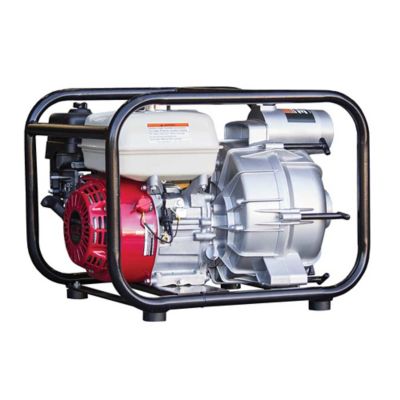
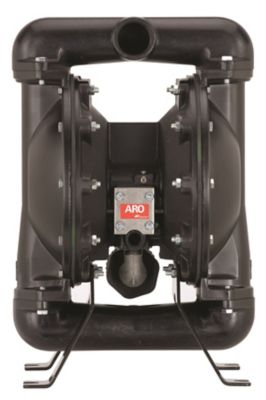
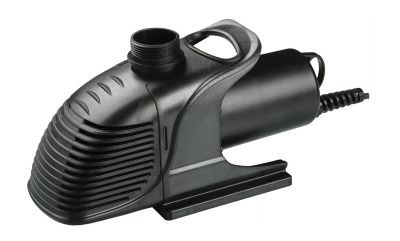
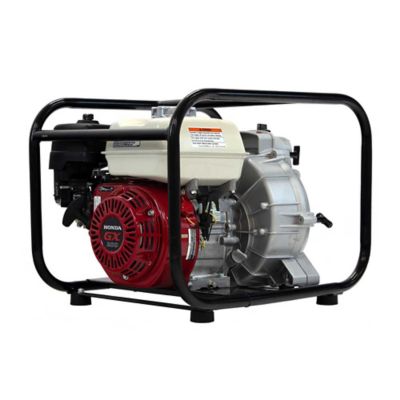
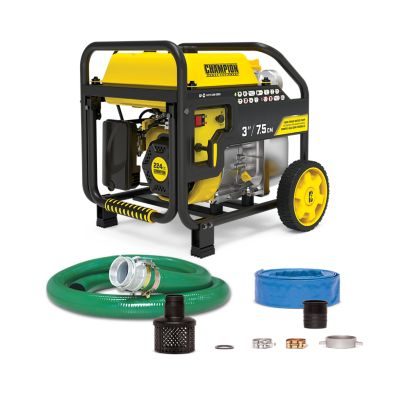
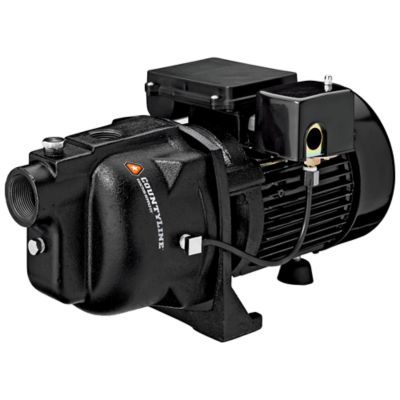
Dredging pumps move mixtures of water and settled material, including sand, silt, and loose sediment, from one place to another. Unlike pumps meant mainly for clear water, a purpose-built dredge pump has a flow path and wear components suited to abrasive slurry. That difference matters when the job involves muck along a farm pond’s edge, sand collecting in a settling basin, or sediment that needs to travel through a discharge hose to a designated collection area. The pump must move both the water and the material suspended in it without taking on solids beyond its rated limits. Many dredging systems rely on centrifugal pumps, while some feature submersible designs that place the pumping unit directly in the liquid. An agitator on certain models helps stir settled material into suspension near the intake, though packed clay, tangled roots, and large rocks may call for separate equipment. Farmers, ranchers, property managers, excavation crews, and pond maintenance contractors may all have reasons to consider this type of equipment. Small-scale mineral recovery is another application, where local rules permit it and the pump matches the dredging system. The right match depends on more than how muddy the water looks. Fine silt can stay suspended readily, while heavier sand settles faster and demands enough flow through the line to keep moving. Gravel adds another concern: each piece must fit within the pump’s stated solids passage, and the pump must also be rated for that material’s abrasive nature. A trash pump can handle certain debris-laden liquids, but that does not automatically make it suitable for continuous sand or gravel pumping. For work focused on removing standing water rather than lifting settled sediment,
Draining Pumps may be a closer fit. Keeping that distinction in mind helps separate ordinary water removal from the heavier demands of dredging, where the material, the water, and the discharge route all affect performance.
Construction is a big part of how a dredging pump stands up to gritty work. Depending on the design, wetted components may include cast iron, high-chromium alloys, stainless steel, or elastomer linings. Those materials serve different purposes: abrasion resistance matters with sand, while corrosion resistance becomes important when the liquid’s chemistry calls for it. Stainless steel alone is not a guarantee of strong performance against abrasive sediment. The impeller, casing, wear plates, shaft seals, and liners deserve attention because those are the parts that face the slurry or protect the drive components from it. Replaceable wear parts can make ongoing upkeep more practical, especially when a pump regularly handles gritty material. Hose fit matters just as much as the pump body. Suction and discharge connections need matching diameters, compatible fittings, and hose ratings suited to the job; suction hose must resist collapse under vacuum. A long stretch of hose across a pasture, a rise up a pond bank, and several tight bends all add resistance. That means the flow delivered at the far end can be well below the maximum flow shown for the pump. Maximum flow and maximum head describe different ends of a performance curve, not operating conditions that happen together. Slurry properties can change performance further, so water-based ratings alone do not tell the whole story. Solids capacity also needs a close look: maximum particle size and maximum solids concentration are separate specifications, and concentration figures may be stated by weight or by volume. There is no single percentage that fits every dredging pump. Gas and diesel engines can suit locations away from electrical service, provided they operate outdoors with exhaust kept away from people and enclosed spaces. Electric equipment needs a suitable power supply and the electrical protection specified for its setting. Hydraulic pumps depend on a compatible hydraulic power source, with flow and pressure requirements matched to the carrier or power unit. Frame design, lifting points, overall weight, and access to service parts round out the fit for a particular property or worksite.
A good equipment match also accounts for what happens before the slurry reaches the intake and after it leaves the hose. A surface-mounted pump has suction-lift limits and may require priming, while a submersible unit has its own minimum submergence and operating requirements. A loose fitting on a suction line can draw air even without an obvious water leak, reducing performance and making the pump harder to keep running smoothly. On the discharge side, the receiving area needs enough room and the proper containment for water and sediment. Moving muck out of a pond does not make it disappear; a settling area, an appropriate dewatering system, or another approved destination remains part of the job. Discharging sediment-laden water into a ditch or creek can affect neighboring land and waterways, and pond, wetland, or stream work may require permits before equipment goes in. Around livestock water sources, separating animals from the work zone helps keep hoses, electrical connections, and disturbed banks out of their path. Practical care starts with following the pump maker’s requirements for flushing, lubrication, seal maintenance, and inspection. Abrasive particles left inside the casing or hose can settle, create blockages, and make the next start harder. Flushing with suitable clean water, when the manufacturer allows it, helps clear remaining slurry after operation. Wear plates and impellers need periodic checks because increasing internal clearances can reduce pumping performance even when the engine or motor sounds normal. Hoses also need attention at couplings, bends, and spots that rub against the ground. Before clearing an obstruction or opening a housing, the equipment needs to be shut down, isolated from its power source, and relieved of trapped pressure according to its instructions. Dry running can damage pumps that depend on liquid for cooling or seal lubrication, so that capability should never be assumed. For occasional pond work or recurring sediment removal, the most useful dredging pump is one whose solids ratings, materials, power needs, and service requirements line up with the actual task—not simply the largest outlet or the highest advertised flow.