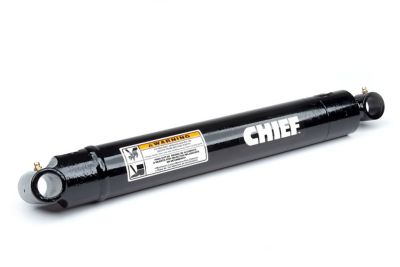
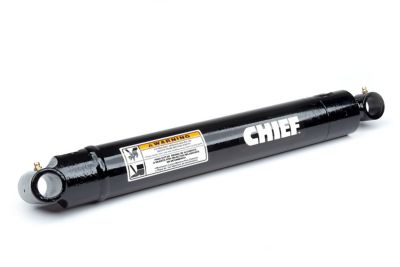
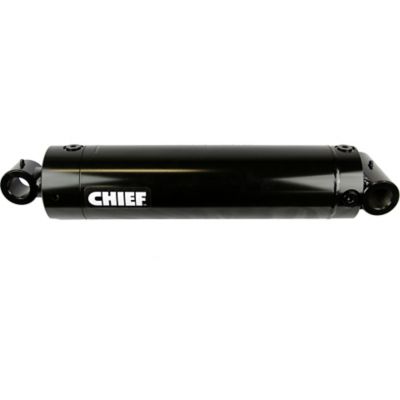
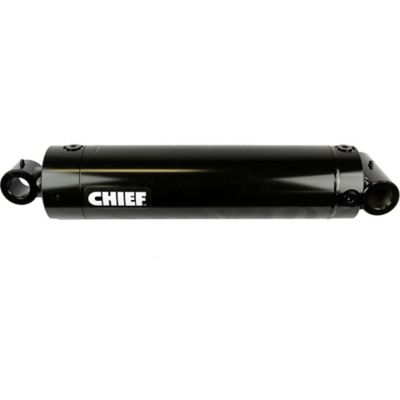
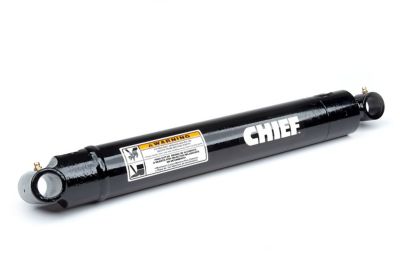
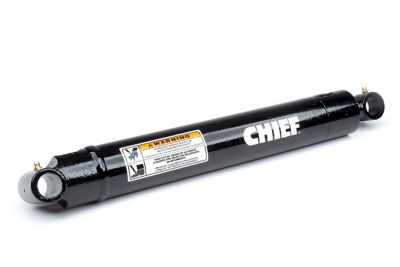
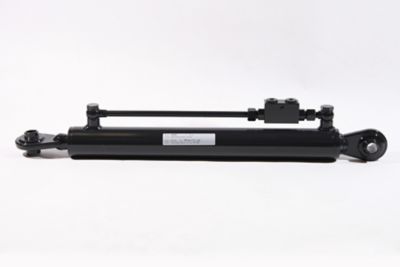
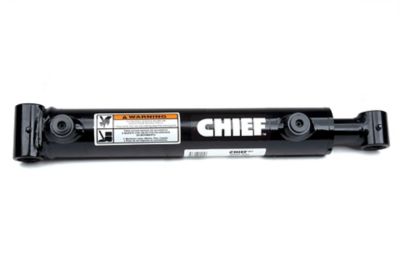
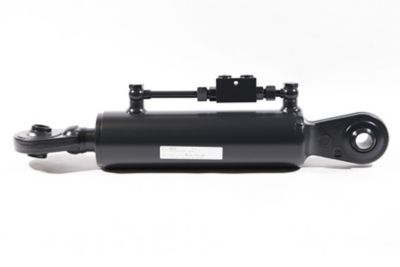
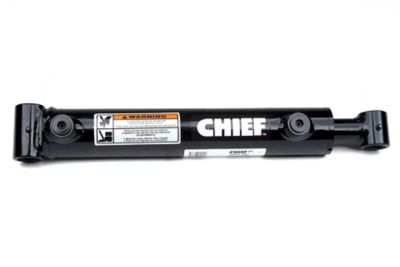
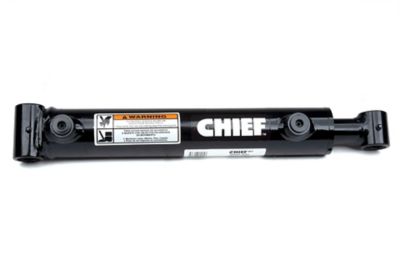
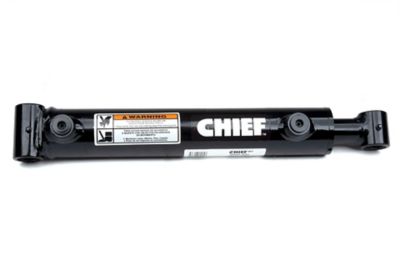
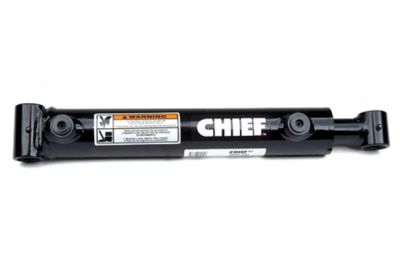
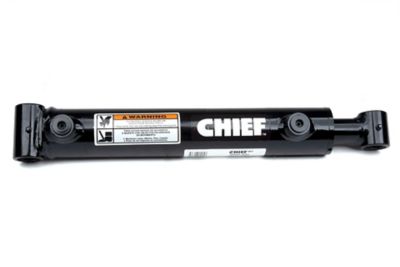
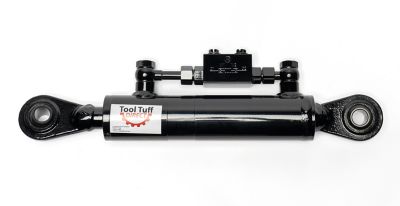
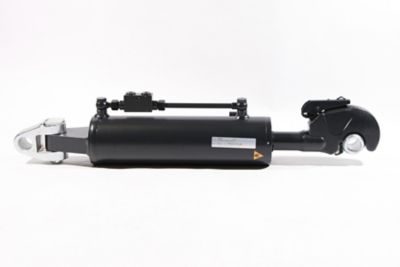
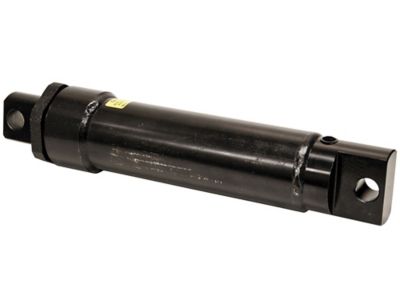
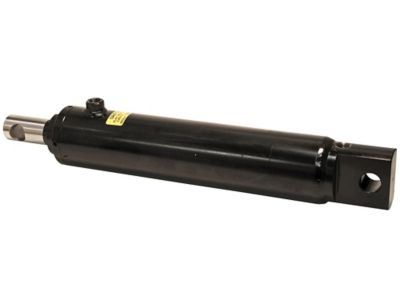
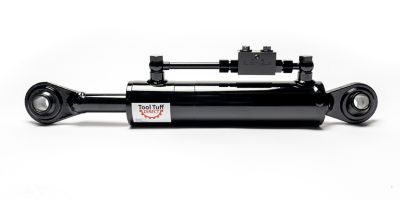
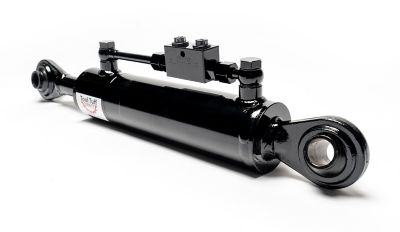
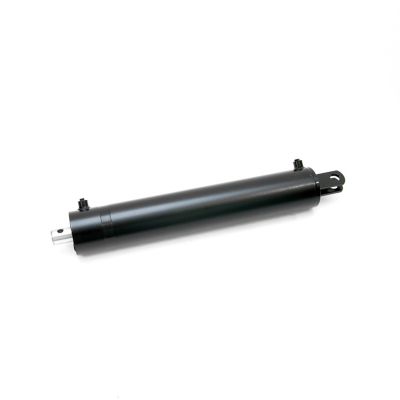
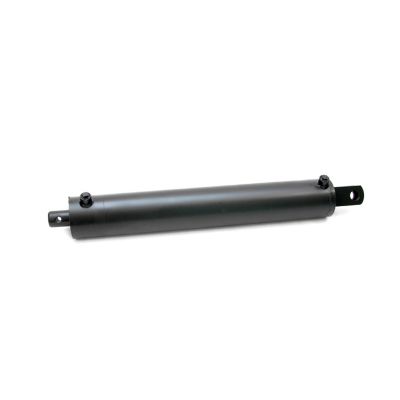
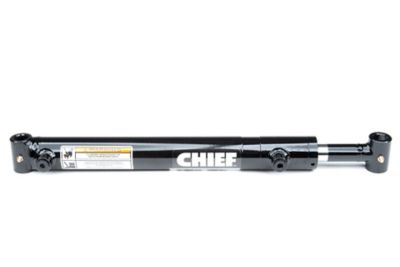
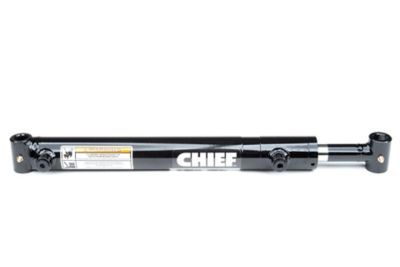
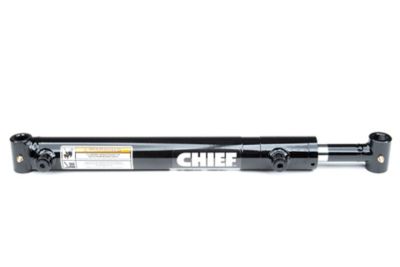
Double acting hydraulic cylinders are built to deliver powered movement in both directions, making them a dependable choice when equipment needs more than a gravity-assisted return. Hydraulic fluid enters one side of the cylinder to push the piston and extend the rod, then moves to the opposite side to retract it under pressure. This two-way action gives operators controlled pushing and pulling force without relying on a spring, outside weight, or a machine being positioned at just the right angle. You’ll commonly find this style of cylinder on tractors, front-end loaders, dump trailers, log splitters, excavating equipment, hydraulic presses, tillage tools, snow and material-handling equipment, and other machinery that works hard around the farm, jobsite, or shop. They can help raise an attachment, angle a blade, open a gate, tip a bed, steer a mechanism, or hold a load in a more controlled position. Because the cylinder is powered in both strokes, movement can be managed when the attachment is working uphill, downhill, against a stubborn load, or in a tight space where gravity cannot do the job. A double acting cylinder has two hydraulic ports—one at the base, sometimes called the blind end, and one at the rod end. Fluid routed to the base end generally extends the rod, while fluid sent to the rod end retracts it. A compatible three-way or four-way directional control valve is needed to change the flow path, and the unused fluid is directed back through the hydraulic system toward the reservoir. That control arrangement lets an operator adjust movement with the machine’s controls rather than simply releasing pressure and waiting for a load to settle.
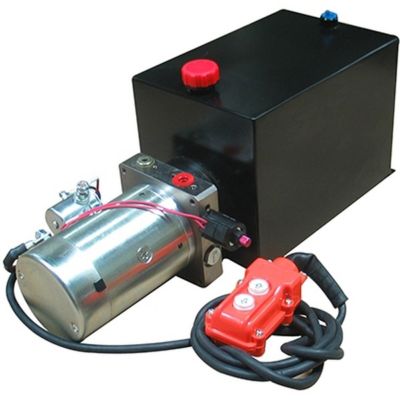
Choosing the right double acting hydraulic cylinder starts with matching its working measurements and force requirements to the equipment it will serve. Pay close attention to bore diameter, rod diameter, stroke length, retracted length, extended length, mounting style, port size, and maximum operating pressure. Bore size affects the available pushing force, while rod size influences pulling force and strength. In a standard single-rod design, extension force is usually greater than retraction force because the rod takes up part of the piston area on the rod side. That difference matters when a cylinder is lifting, pushing, or pulling a heavy implement, especially when the load is close to the equipment’s limits. Stroke length determines how far the rod travels, so measure the full range of motion on the machine rather than guessing from the old cylinder’s appearance. Mounting ends also need to line up correctly; common arrangements may include clevis ends, cross tubes, trunnions, or other attachment points. The cylinder should move through its complete arc without binding, side-loading, or contacting nearby frame members. Hydraulic hoses, fittings, valves, pumps, and fluid capacity all need to work together as well. A cylinder that fits the mount but exceeds the system’s pressure rating is not a suitable replacement, and a unit with the wrong port or fitting size can lead to leaks, delays, and a frustrating trip back to the parts counter. If you are building or updating a complete hydraulic setup, review available
Hydraulic Power Units to help match the power source, reservoir, pump, and controls to the cylinder’s demands. For older equipment, take time to inspect the existing hose routing and mounting pins before ordering. A quick measurement with a tape and caliper can prevent the common mistake of choosing a cylinder with the right stroke but the wrong closed length or rod-end connection.
Double acting hydraulic cylinders are a practical fit for farmers, ranchers, landscapers, contractors, mechanics, and handy property owners who maintain their own equipment. They may be used during busy fieldwork, when a loader attachment needs steady control over a pile of gravel, feed, or firewood, or during the cooler months when snow and ice make dependable blade movement especially important. Around a rural property, a properly matched cylinder can make chores feel less like wrestling with a machine and more like operating a tool that responds when it should. A cylinder may also be part of a repair project for someone restoring an older tractor, rebuilding a trailer, or keeping a family farm’s dependable equipment working for another season. Before installation, relieve hydraulic pressure, support raised equipment securely, and keep hands clear of potential pinch points. Never use your hands to search for a leak, since pressurized hydraulic fluid can penetrate skin even through a tiny opening. Inspect the rod for pitting, bends, or scoring, and check seals, hoses, fittings, and mounting hardware as part of the job. Keep the rod clean and protected when the cylinder is stored, use the correct hydraulic fluid recommended for the system, and avoid side loads that can damage seals or bend the rod. After installation, cycle the cylinder slowly with the equipment unloaded when possible, checking for leaks, unusual noise, jerky movement, and proper clearance at both ends of the stroke. Bleeding trapped air and tightening fittings according to the equipment manufacturer’s instructions can help restore smooth operation. With the right dimensions, pressure rating, mounting setup, and control valve, a double acting hydraulic cylinder can provide repeatable bi-directional movement and hardworking service across farm equipment, construction machinery, shop projects, and property-maintenance tools.