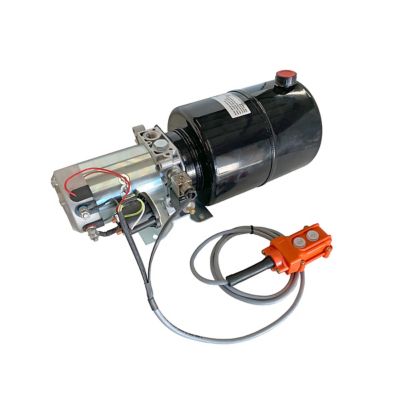
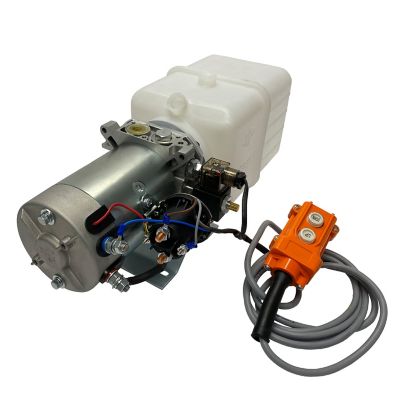
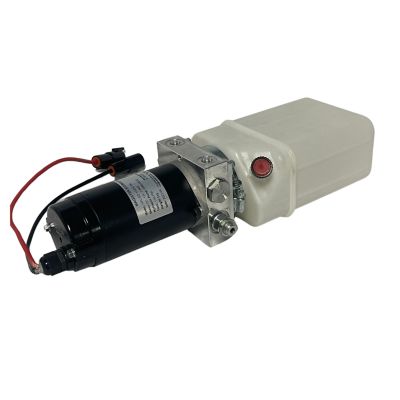
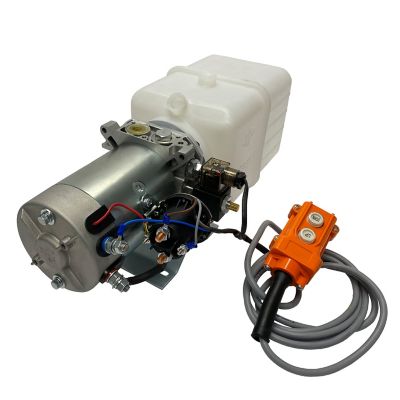
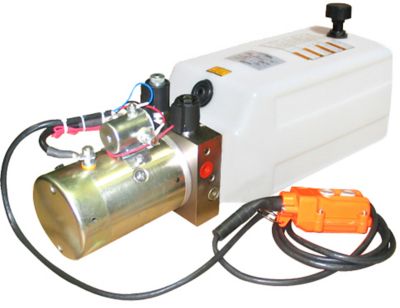
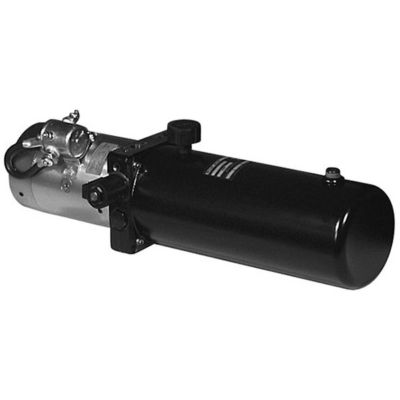
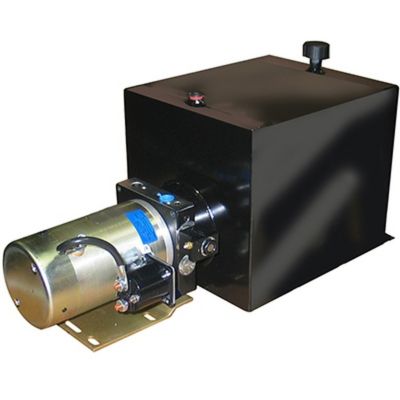
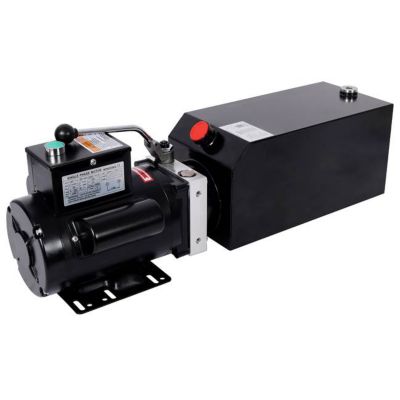
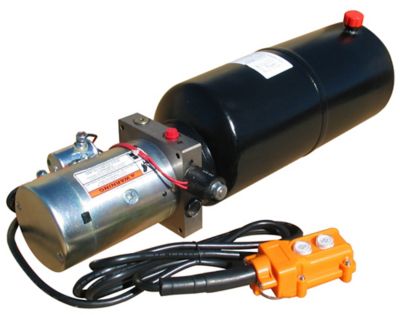
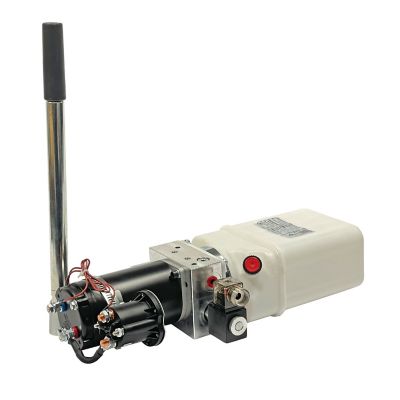
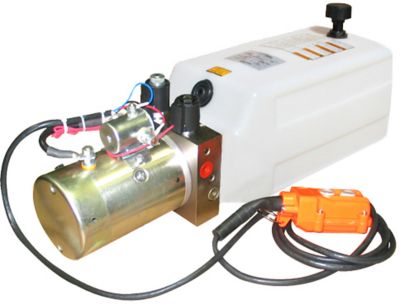
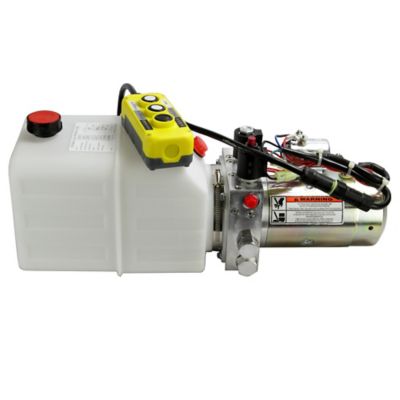
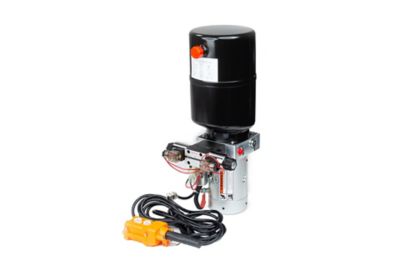
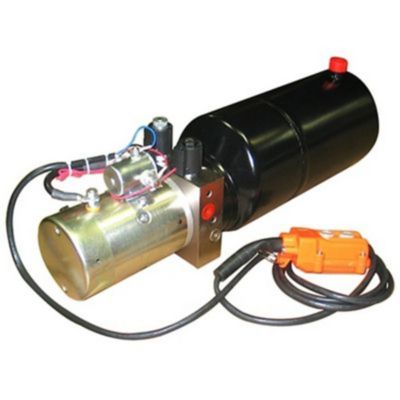
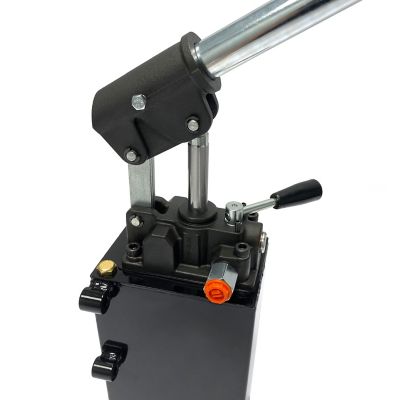
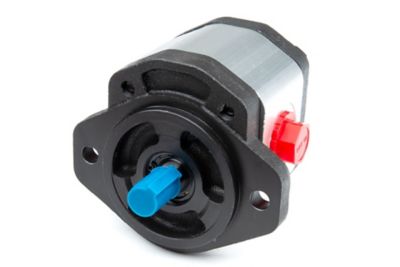
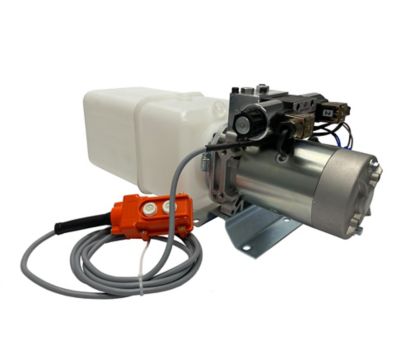
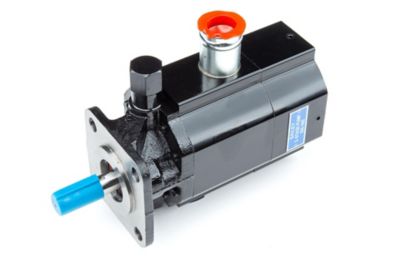
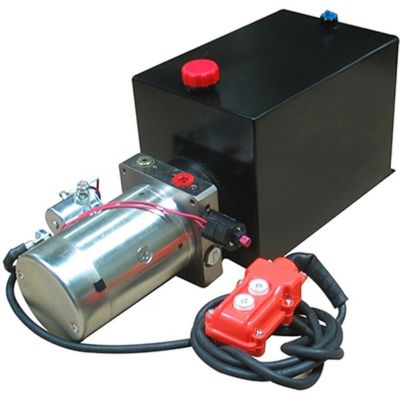
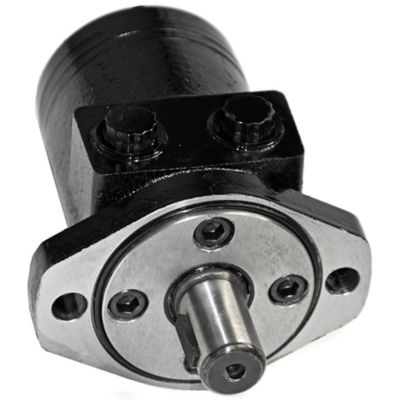
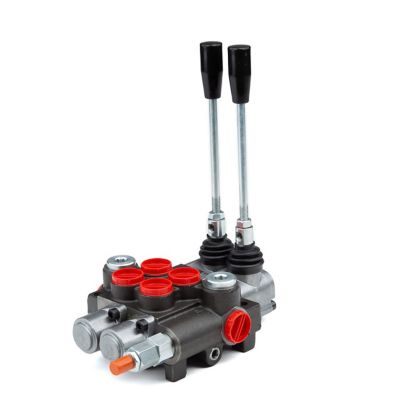
A hydraulic power unit, also called a hydraulic power pack, is a self-contained assembly that supplies hydraulic fluid flow to operate cylinders, hydraulic motors, and other equipment. A typical unit brings together a motor or engine, pump, fluid reservoir, and controls, with a relief valve to limit system pressure. The pump moves fluid, while resistance from the load creates the pressure that makes hydraulic work possible. That combination turns electrical or mechanical input into the force needed to raise a trailer bed, run a shop press, or move a machine attachment. For farmers, equipment operators, and folks keeping a working shop running, the right hydraulic power unit starts with the job it needs to handle. A dump trailer tipping gravel needs a different operating pattern than a hydraulic motor running steadily on a piece of equipment. Flow rate, measured in gallons per minute, largely determines how quickly a cylinder moves or a hydraulic motor turns. Pressure, measured in pounds per square inch, works with cylinder size to determine available force. Both ratings matter, and the unit’s output at working pressure tells more than a no-load flow figure alone. Cylinder dimensions also affect the match: a larger bore needs more fluid for the same stroke length, and a longer stroke changes how much fluid moves between the cylinder and reservoir. Single-acting cylinders typically receive powered movement in one direction and return through gravity, a spring, or another external force. Double-acting cylinders need controlled fluid flow to both sides of the piston for powered movement in both directions. Power-up, gravity-down arrangements are common on lifting applications, while powered extension and retraction suit jobs that need force both ways. Valve configuration, return-flow capacity, and load-control provisions need to fit that movement. A power pack that looks right on paper still needs to match the equipment’s full hydraulic circuit, not just its lifting requirement.
Power source and installation space help narrow the field further. DC hydraulic power units often fit mobile equipment with an onboard battery, while AC units suit installations with a compatible electrical supply. Voltage is only part of the picture. Motor current, cable size, circuit protection, battery capacity, and the charging system all affect a DC installation; AC equipment also needs the correct phase, frequency, and circuit capacity. When comparing
Electric Hydraulic Pumps with complete hydraulic power packs, the included components deserve a close look, since a pump assembly may require a separate tank, controls, or other supporting parts. Physical fit matters just as much as electrical fit. A trailer tongue box or equipment frame needs enough room for the reservoir, motor, hoses, wiring, and access to the fill point. Mounting orientation must follow the unit’s specifications so the pickup stays supplied with fluid and the reservoir vents as intended. There should also be room to remove a filter, inspect connections, and service the assembly without tearing apart the surrounding equipment. Steel reservoirs can suit applications where the tank needs protection from bumps and contact, while aluminum components can help limit weight. Protective finishes, sound mounting brackets, and seals compatible with the specified fluid all contribute to service life. Port size and thread type need a proper match, too; fittings that appear close are not necessarily interchangeable, and an adapter cannot make an undersized flow path suitable. Hoses, fittings, valves, and cylinders must carry pressure ratings appropriate for the system. Reservoir capacity should account for the cylinder’s fluid demand, the operating cycle, and the space needed for fluid expansion and air separation. The tank’s stated capacity is not always its recommended fill amount. A reservoir that is too small for the application can leave little margin as cylinders extend, while extra tank volume alone cannot solve a mismatch in pump output, motor capacity, or operating cycle.
Everyday care has a direct bearing on how a hydraulic power unit performs over time. Hydraulic fluid carries power through small passages and close-fitting parts, so keeping dirt and water out matters from the first connection onward. Clean fill equipment, protected hose ends, and the specified filtration help protect pumps, valves, and seals from contamination. Fluid selection belongs with the equipment manufacturer’s requirements rather than a guess based on color or whatever container happens to be in the shop. Different systems can call for different viscosities and additive packages, and mixing incompatible fluids can create trouble. Fluid level checks also need the specified cylinder position; checking a tank with a cylinder extended can give a misleading impression of how much fluid belongs in the system. Around a working farm or shop, sensible access makes these routine checks easier to keep up with. Secure mounts, supported hoses, and wiring kept clear of moving parts help prevent vibration and rubbing from turning into downtime. Operating duty deserves the same attention. A compact unit intended for short lifting cycles is not automatically suited to running a hydraulic motor continuously. Motor duty ratings, allowable run time, and heat management determine whether a power pack fits repeated or extended operation. Changes such as foamy fluid, unusual pump noise, sluggish movement, or repeated relief-valve operation can point to conditions that need attention rather than more run time. Any inspection or service should follow the equipment’s shutdown and pressure-release procedure, with raised equipment secured by approved mechanical supports. Hydraulic pressure alone is not a safe support for a raised bed or attachment, and a hand should never be the tool for finding a pressurized leak. Fluid-injection injuries require immediate emergency medical care. Matching the power unit to the machine, leaving room for service, and keeping the fluid circuit clean help make hydraulic power a practical part of getting the next load moved or the next shop job finished.