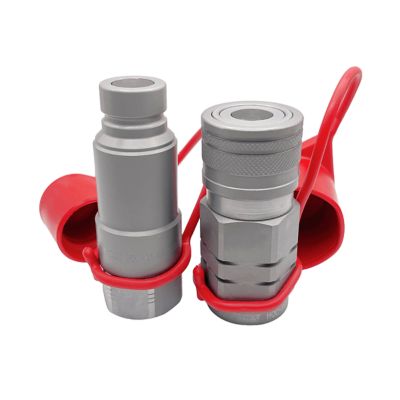
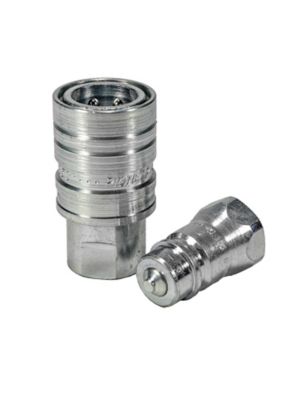
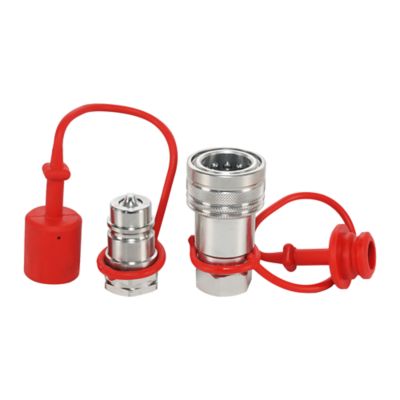
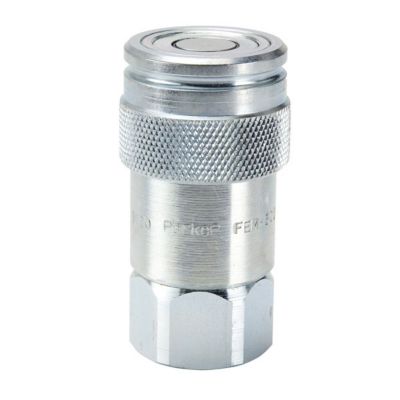
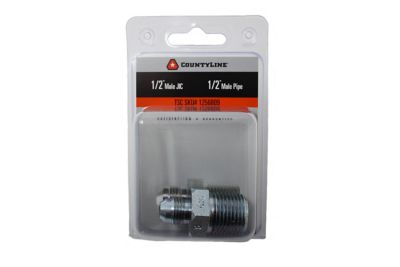
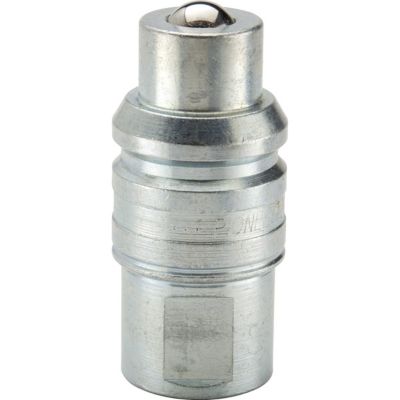
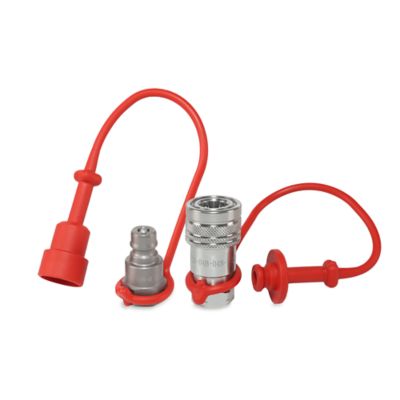
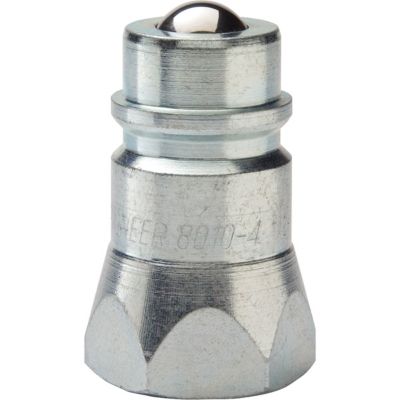
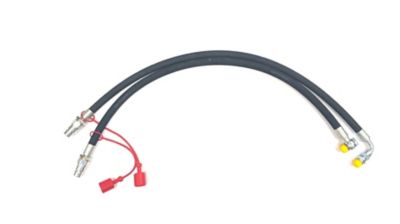
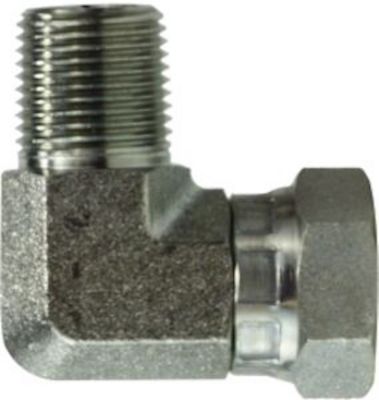
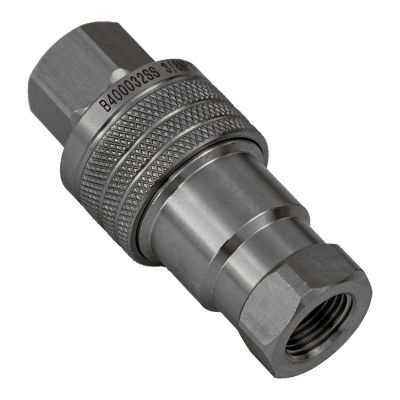
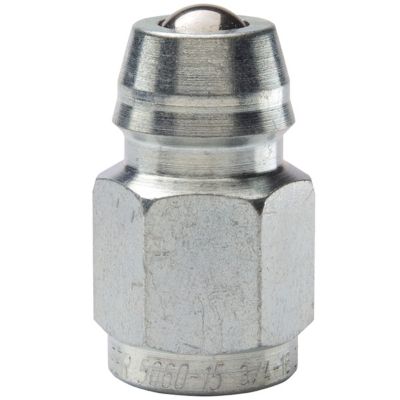
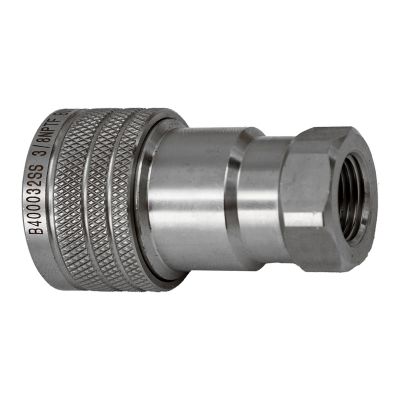
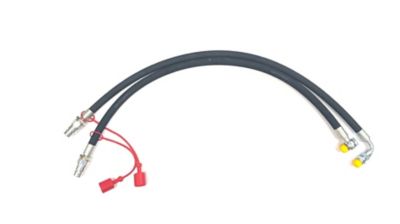
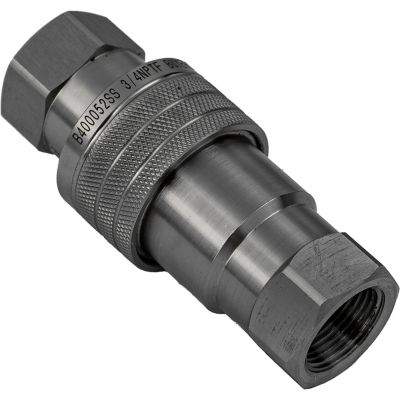
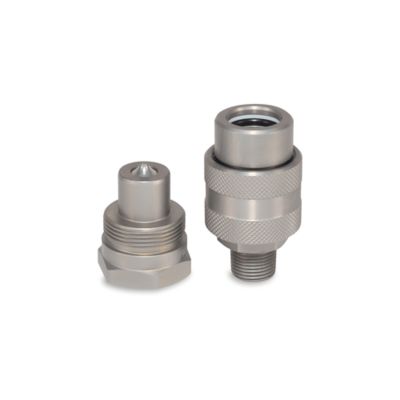
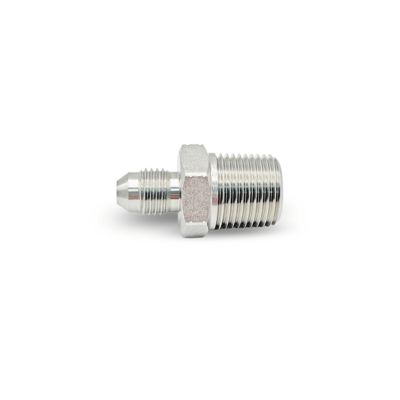
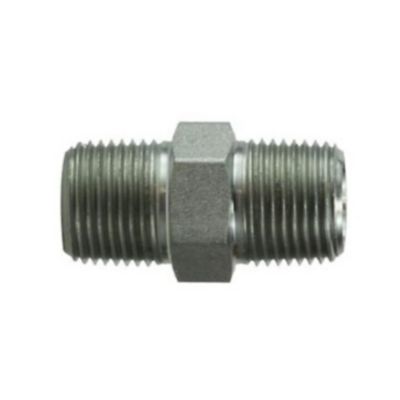
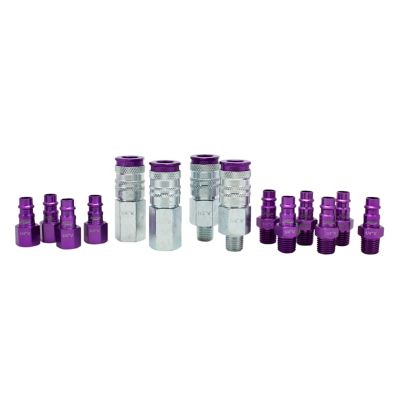
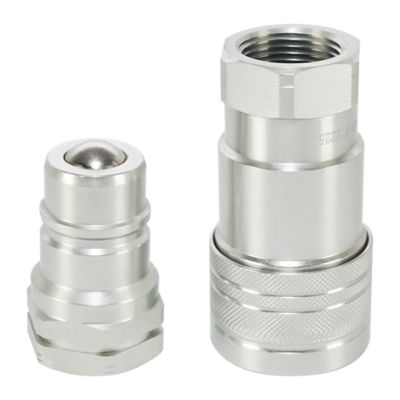
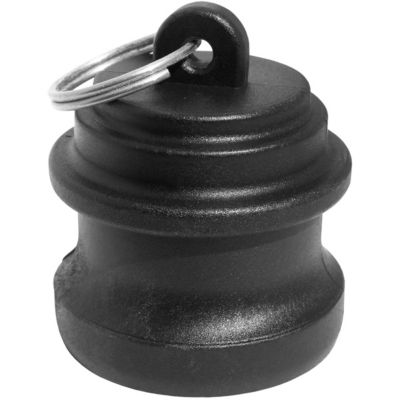
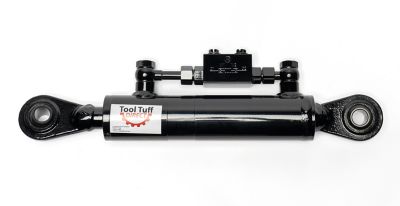
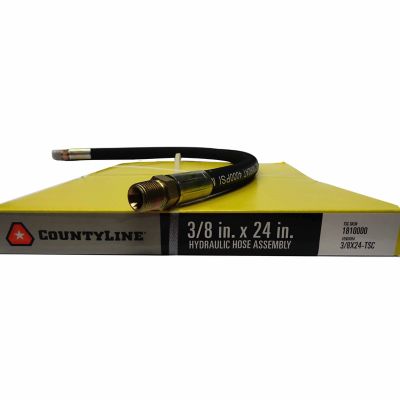
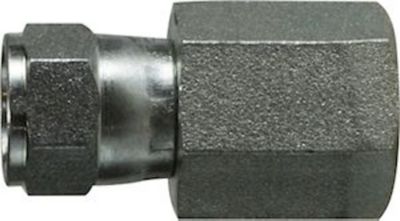
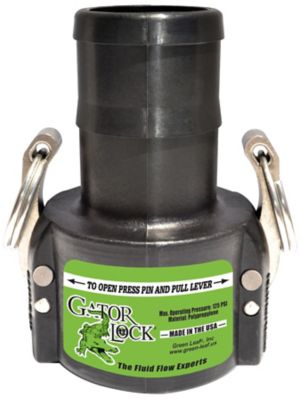
Hydraulic couplers make it easier to connect and disconnect hydraulic lines on tractors, skid steers, loaders, backhoes, dump trailers and other equipment without reaching for a wrench every time an attachment needs to be changed. A properly matched coupler helps direct hydraulic fluid where it needs to go while keeping the connection secure during demanding work. You may see hydraulic couplers described as quick-connect couplers, hydraulic quick couplers, hose couplers or hydraulic connectors, and they come in several styles for different machines and pressure requirements. Flat-face couplers, often associated with skid steers and compact equipment, have a smooth face that is easier to wipe clean and helps limit fluid loss when lines are disconnected. Agricultural couplers are commonly found on tractor rear remotes and other farm implements, while threaded or wing-nut styles are often chosen for high-pressure wet-line applications such as dump trailers. Poppet and ball-style valves are also used in hydraulic connections, so matching the valve design matters just as much as matching the size. Before selecting a replacement, check the equipment manual, the old coupler and the fitting arrangement on both sides of the connection. A coupler that looks close may still have the wrong thread, valve style, pressure rating or connection profile. The right hydraulic coupler should fit your machine’s hose, operate within the system’s working pressure and connect with firm, even engagement rather than force or excessive twisting. For help comparing related connection pieces, explore our
Coupler Fittings selection.
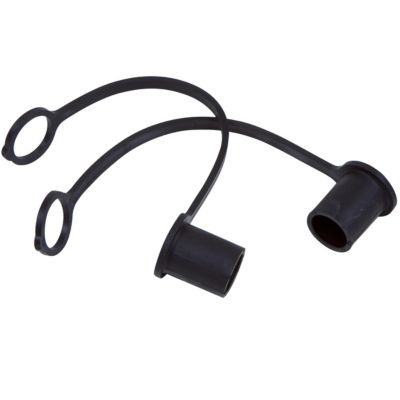
Measuring carefully can save a trip back to the parts counter and prevent a frustrating afternoon beside the machine. When replacing a female coupler, measure the inside diameter of the opening; when checking a male nipple, measure across its widest point. Common hydraulic coupler sizes include 1/4 inch, 1/2 inch and 3/4 inch, though equipment may use other sizes as well. Do not rely on hose outside diameter alone, since hose construction and wall thickness can vary. It is also important to identify the thread type, because similar-looking threads may not seal correctly when paired together. Take note of whether the connection uses a male or female end, whether it is flat-face or agricultural style, and whether the coupler is intended for standard hydraulic service or a high-pressure application. Some couplers are sold as matching pairs, while others are selected as individual replacement ends to repair a damaged hose or machine connection. Compare the pressure rating of the replacement with the equipment’s hydraulic system, including any pressure spikes that may occur when an attachment is lifted, tilted or stopped under load. Couplers used on a loader bucket, bale spear, mower, snow blade or other attachment should be rated for the work that attachment performs. A clean connection is just as important as a correct measurement. Wipe dirt, chaff and grit from the coupler faces before connecting, and use protective caps or plugs when lines are disconnected. Even a small amount of contamination can travel through the hydraulic system and affect valves, cylinders or motors. Relieve hydraulic pressure before attempting to disconnect a line, lower raised equipment to the ground when possible, shut down the engine and follow the machine manufacturer’s service instructions. Never use your hands to check for a hydraulic leak; pressurized fluid can cause serious injury even through a tiny opening. A piece of cardboard or wood can help locate a suspected leak from a safe distance, but damaged hose and leaking couplers should be repaired before the equipment goes back to work.
Hydraulic couplers are useful for anyone who regularly changes attachments, maintains a working farm, cares for acreage or keeps construction and landscaping equipment ready for the job. They can reduce downtime when a tractor moves from a front blade to a grapple, when a skid steer changes from a bucket to a powered attachment, or when a dump trailer needs dependable hydraulic connections at the worksite. They are also a practical maintenance purchase for a farm shop, equipment shed or service truck, especially when an older coupler has become difficult to connect, shows visible wear or begins leaking around the seal. During the cooler months, inspect couplers before putting equipment through heavy chores, since cold temperatures can make seals less flexible and hydraulic fluid slower to move. Keep connection points capped, store replacement couplers in a clean, dry place and avoid leaving open hose ends in the dirt, snow, dust or feedlot bedding. If a coupler will not connect, do not hammer it together or force the sleeve; trapped pressure, a mismatched profile or contamination may be the cause. A small amount of compatible hydraulic fluid on a clean seal may help during installation, but sealants and thread compounds should only be used where the manufacturer calls for them. Replace worn O-rings and damaged dust caps with the correct parts, and inspect for bent nipples, cracked bodies, flattened seals and scoring on the mating surfaces. A reliable hydraulic coupler is a small part that can make a noticeable difference in everyday equipment work, helping keep attachment changes cleaner, quicker and less disruptive when the day is already full of chores.