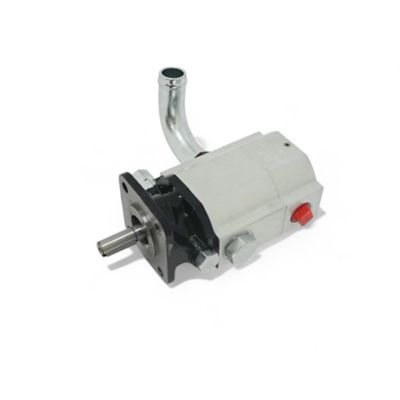
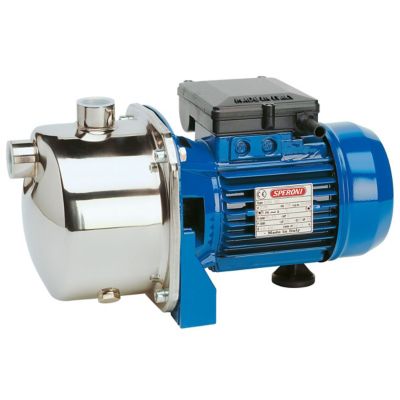
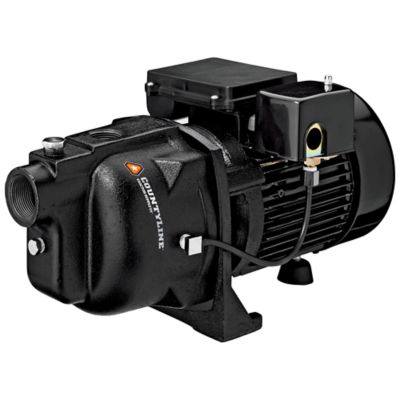
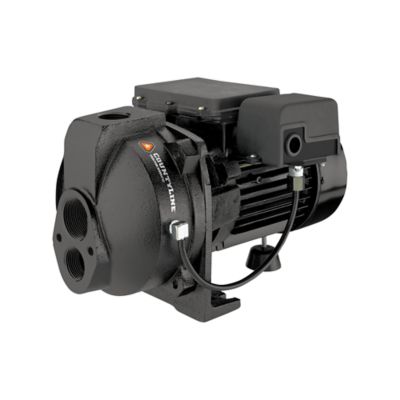
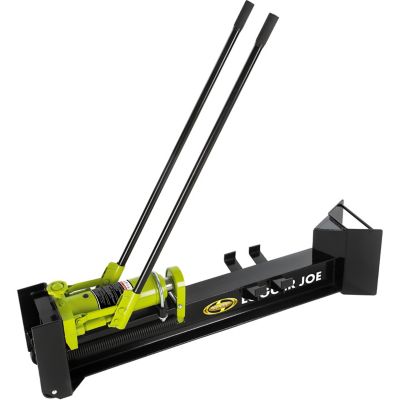
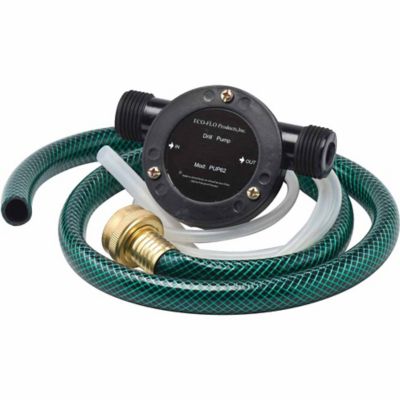
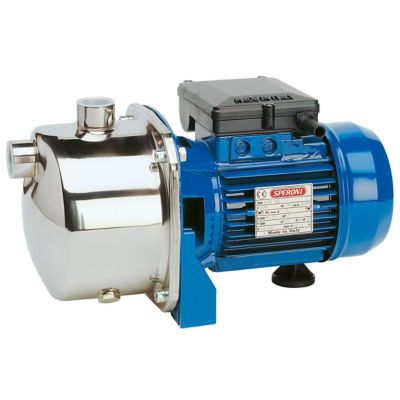
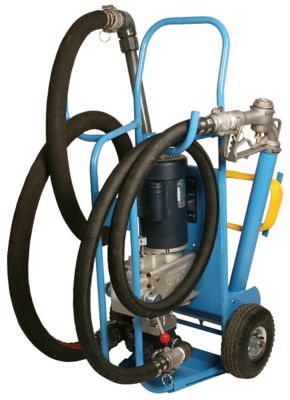
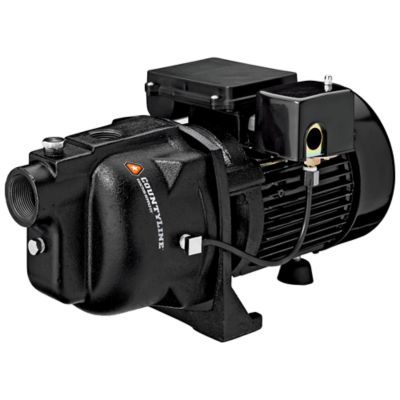
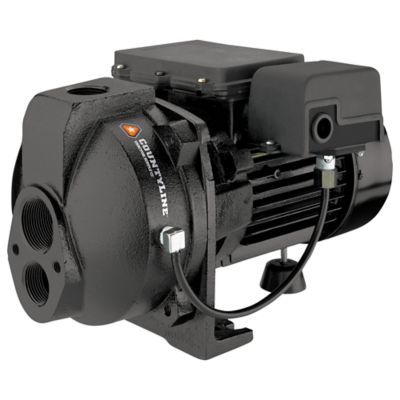
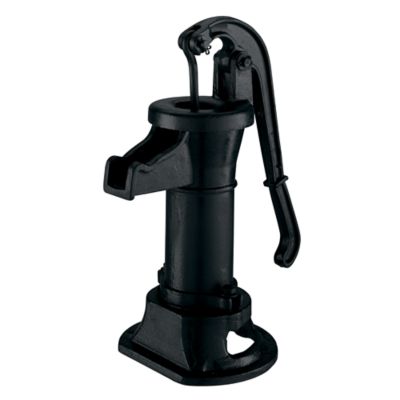
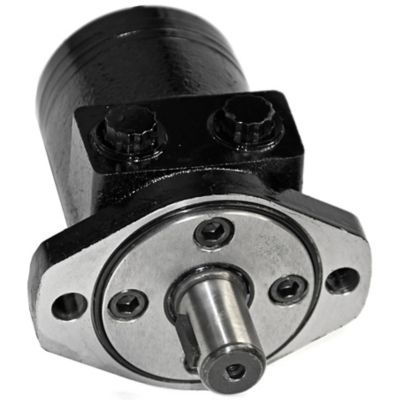
Hydraulic pumps are the working heart of many machines around the farm, shop, jobsite, and homestead. A pump converts mechanical power from an engine, electric motor, or hand lever into hydraulic energy by moving fluid through a system. It creates flow rather than pressure on its own; pressure develops when that moving fluid meets resistance from a cylinder, hydraulic motor, valve, or load. That steady flow is what lets a dump trailer raise its bed, a log splitter drive a wedge through a round of oak, a tractor operate an attachment, or a shop press bring controlled force to a tough repair. When a hydraulic pump starts wearing out, the signs may show up in everyday work: a lift moves slowly, a ram hesitates under load, the system grows unusually noisy, or the machine struggles to reach its normal working pressure. Replacing the pump with the right match can help restore dependable performance, but a pump should be selected as part of the entire hydraulic system rather than as a one-size-fits-all component. Gear pumps are a common choice for straightforward applications because their rotating gears provide a simple, durable way to move fluid and can handle many general-purpose jobs. Vane pumps use sliding vanes on a rotor and are valued for smooth, steady flow and quieter operation in suitable systems. Piston pumps use reciprocating pistons inside cylinders and are often selected for demanding, high-pressure work where efficiency and precise performance matter. Hand pumps use manual lever action to move fluid and can serve portable tools, shop presses, small equipment, or emergency backup needs when engine or electrical power is not available. Each design has a place, and the best option depends on the machine, required flow, operating pressure, duty cycle, and available power source.
Before choosing a hydraulic pump, start with the equipment information and the pump being replaced. Check the original specifications, owner’s manual, equipment tag, or service documentation for rated gallons per minute, maximum pressure, displacement, shaft speed, rotation direction, mounting pattern, shaft style, and inlet and outlet port sizes. Flow rate affects how quickly a cylinder or motor moves, while pressure rating indicates how much resistance the pump and system can safely handle; a higher maximum rating does not mean a system should be operated above its other component limits. Displacement and operating speed work together to determine flow, so a pump that looks similar but is designed for a different engine or motor speed may perform poorly or suffer premature wear. Pay close attention to clockwise or counterclockwise rotation, since installing a pump for the wrong direction can damage it quickly. Shaft length, diameter, keyway, flange, and mounting dimensions also need to line up with the drive connection. Fluid compatibility matters just as much. Use the hydraulic oil recommended for the equipment, keep the reservoir filled to the proper level, and protect the system with clean filters and properly sealed connections. Dirt, water, metal particles, and air are hard on precision components; even a little contamination can cause scoring, erratic movement, heat, and loss of efficiency. A pump that growls or whines may be dealing with restricted inlet flow, a clogged filter, low fluid, a loose connection, or aeration rather than a failed pump alone. Before installation, inspect hoses, fittings, valves, reservoir screens, and the relief valve so a new pump is not asked to work around the same problem. Relieve stored hydraulic pressure before servicing, support raised equipment securely, and never use hands to search for a fluid leak. A fine hydraulic leak can pierce skin, and heavy components can drop without warning, so proper blocking, eye protection, gloves, and the equipment service instructions are part of the job.
Hydraulic pumps are useful anywhere controlled force and dependable movement make hard work easier. Farmers and ranchers use them in tractors, loaders, balers, hay equipment, post drivers, and other implements that need cylinders or hydraulic motors to respond smoothly in the field. Contractors may rely on them for compact equipment, lifts, concrete tools, and attachments, while woodworkers and landowners put hydraulic power to work in log splitters and shop presses. In a home garage, a properly matched pump can help keep a vehicle lift, engine hoist, or other hydraulic equipment ready for repairs during the cooler months, when a dependable setup is especially welcome after a long day outdoors. Dump trailers, utility equipment, and material-handling machines also depend on pumps to move heavy loads safely and efficiently. For a broader look at equipment that combines a pump, reservoir, valves, and related controls in one coordinated setup, explore
Hydraulic Power Units. When planning a repair or upgrade, think about how the machine is actually used: occasional chores call for dependable, practical components, while daily commercial work may justify a design built for higher duty cycles, better efficiency, or more precise control. It also helps to consider access for maintenance, replacement filter availability, hose routing, operating temperatures, and whether the power source will be an engine, electric motor, or manual lever. A good pump should fit the machine, the work, and the person responsible for keeping it running. Whether you are getting equipment ready as the weather warms, handling heavy chores through the busy season, or keeping the shop prepared for winter repairs, the right hydraulic pump helps turn engine power or manual effort into useful, controlled motion. Examine the specifications carefully, match every connection, keep the fluid clean, and follow safe service practices so your hydraulic system can keep lifting, splitting, pressing, and hauling with the steady dependability expected from hard-working equipment.