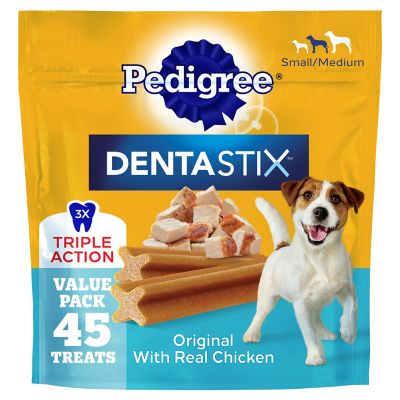
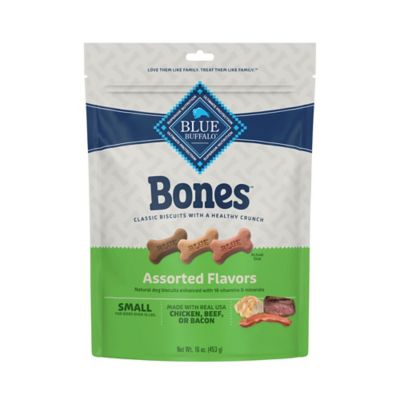
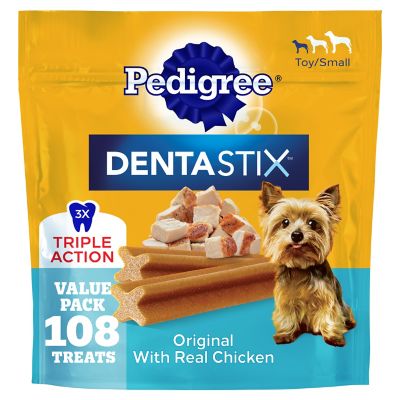
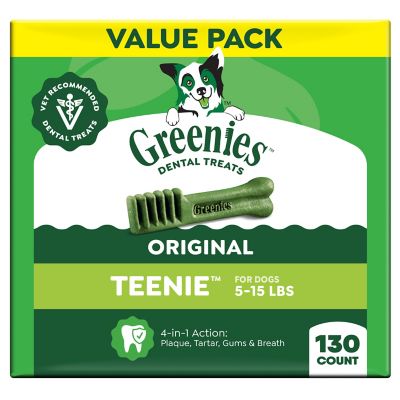
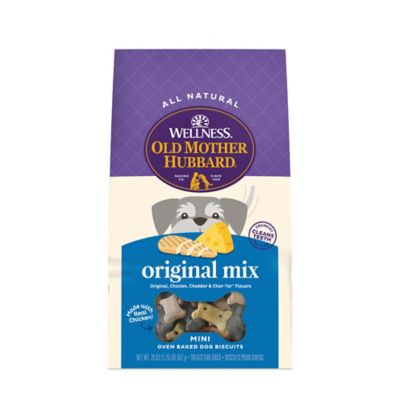
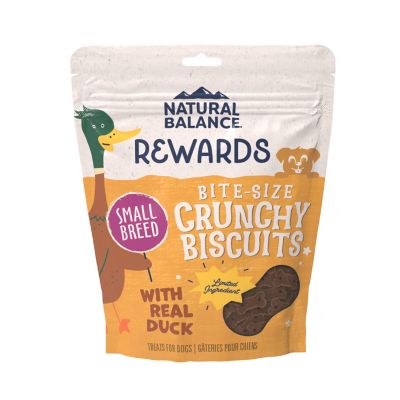
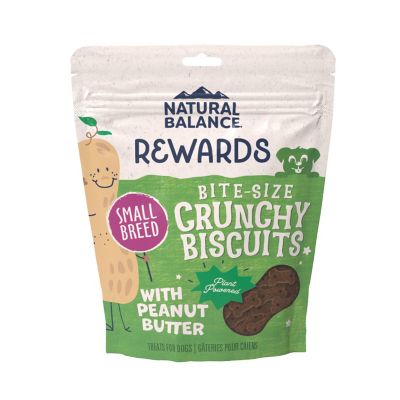
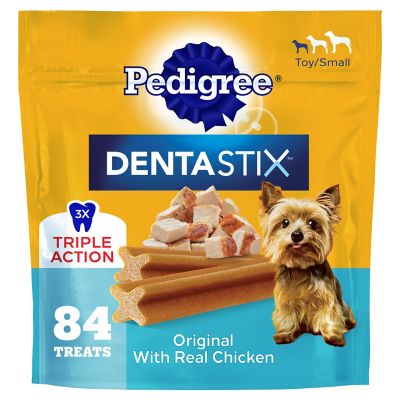
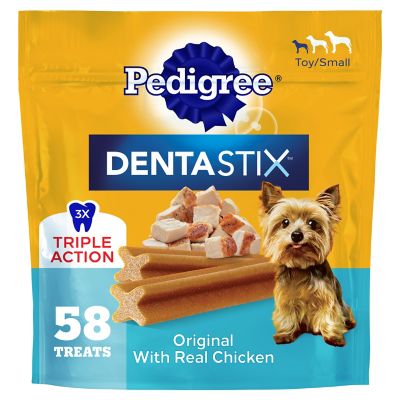
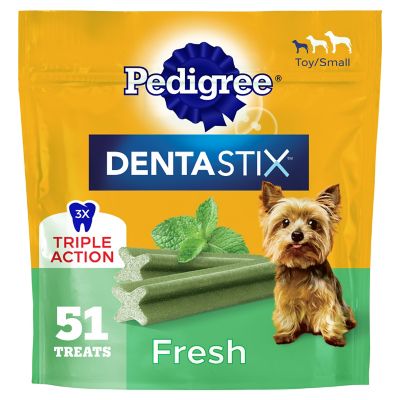
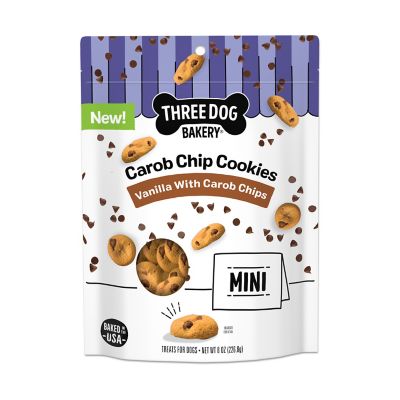
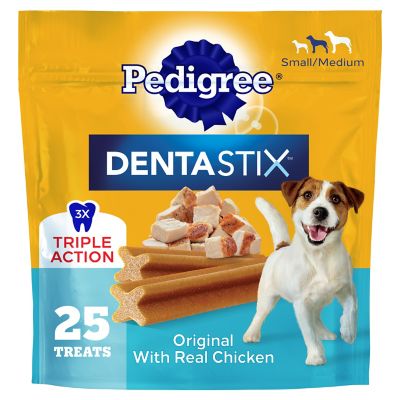
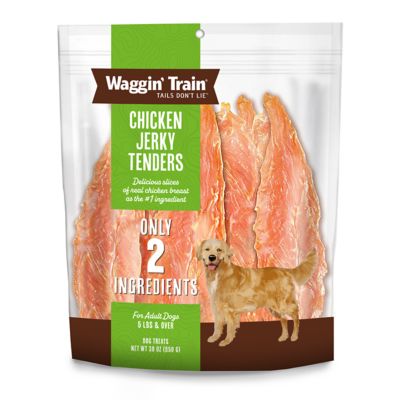
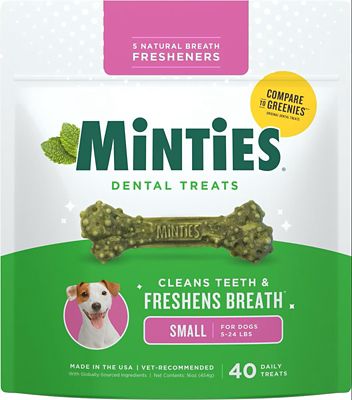
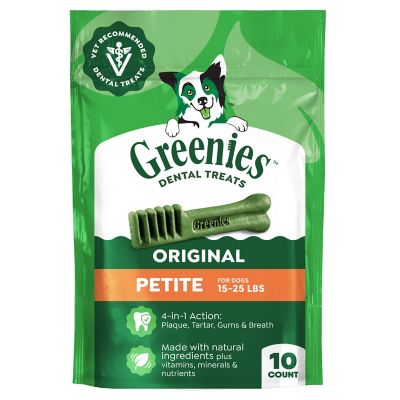
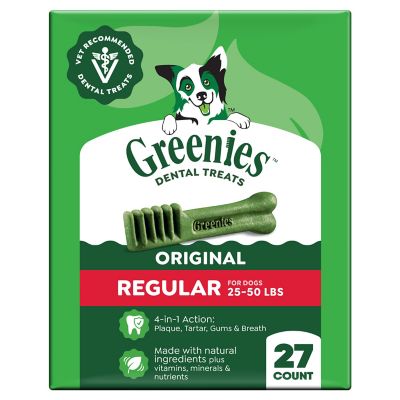
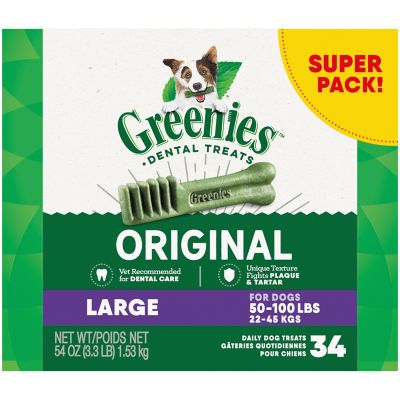
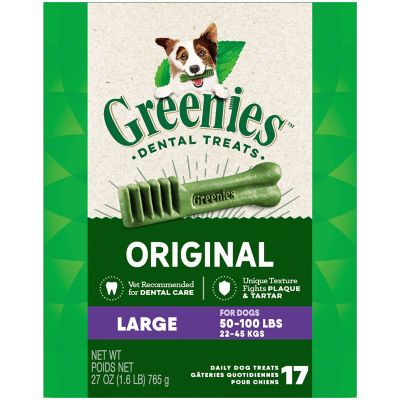
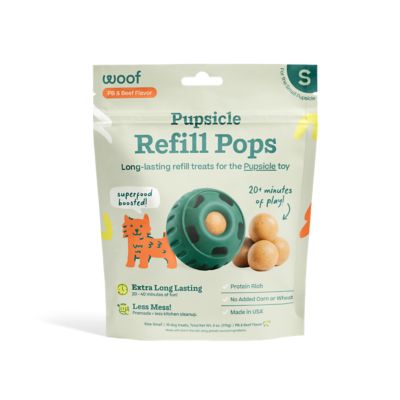
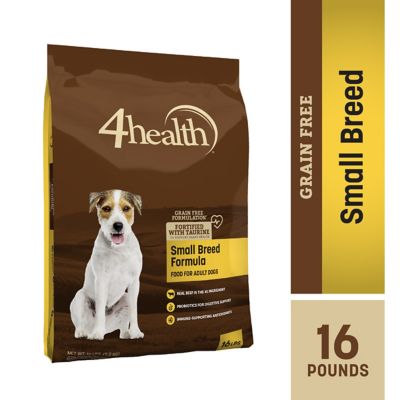
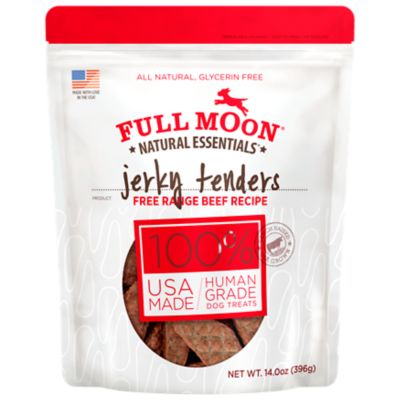
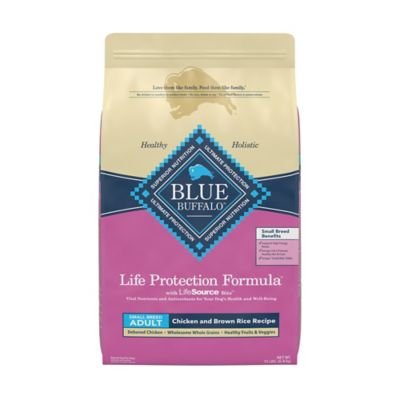
Dog treats for small breeds put big rewards into portions that fit smaller mouths and smaller daily calorie needs. The best fit is usually a bite-sized treat with a texture the dog can comfortably chew and a calorie count that leaves plenty of room for regular meals. A little terrier coming in from the yard, a Chihuahua practicing a quiet greeting, and a small senior dog settling beside the couch may all enjoy a reward, but they won’t necessarily need the same kind. Soft training treats, miniature crunchy biscuits, and tender strips that pull apart offer different ways to match a treat to the dog and the occasion. For training, small pieces that go down quickly help keep attention on the next cue rather than on a long chewing break. A crunchy biscuit can suit an occasional reward after a walk, while a properly sized chew calls for a slower, supervised moment. Size matters beyond the package description: the treat’s width, thickness, and firmness should suit the dog’s mouth, teeth, and chewing habits. A dense piece can be tough for a little jaw even when it looks small, and a dog that gulps rewards needs particular care with shape and portion size. Treat calories matter just as much. Treats generally should account for no more than 10% of a dog’s daily calories, with the rest coming from complete and balanced food appropriate for that dog’s life stage. For a dog whose veterinarian recommends 250 calories a day, that means no more than 25 calories from treats and other extras combined. Daily needs vary with age, activity, body condition, and health, so a single calorie target won’t fit every small breed. Pairing thoughtful rewards with
Dog Food For Small Dogs keeps the focus on everyday nutrition, with treats filling their proper role as a small extra rather than a meal replacement.
Ingredients and texture help distinguish small-breed dog treats just as clearly as portion size. Meat-based treats may feature chicken, beef, turkey, or fish, while biscuit-style options can include grains, vegetables, and other ingredients that contribute flavor and structure. Freeze-dried treats often have a light, dry texture; soft and chewy treats tend to bend or break apart more readily. Neither description alone tells the whole story, though, and some dried pieces are firmer than they appear. The ingredient list, feeding directions, calorie information, and age or weight recommendations provide a better picture of whether a treat fits a particular dog. Single-ingredient treats can make it easier to keep track of what a dog eats, but they aren’t automatically suitable for every sensitive stomach or food allergy. A dog with a known chicken allergy still needs to avoid chicken in a short ingredient list, and rich treats can cause digestive upset even in small portions. For dogs on a veterinary diet or an elimination diet, treat choices should follow the veterinarian’s recommendations. Puppies need treats appropriate for their age and developing teeth, along with pieces small enough for comfortable eating. Older dogs or dogs with missing teeth may do better with soft textures, although new chewing trouble deserves a veterinary check rather than just a change in snacks. For little dogs that enjoy gnawing, chew size works differently from training-treat size: a chew should be large enough that the dog cannot swallow it whole, while still matching the weight range and directions on the package. Very hard chews can damage teeth, and any chew that splinters or sheds troublesome chunks needs to come away. Dental treats may support an oral-care routine when they carry suitable evidence for that purpose, but an ordinary crunchy biscuit isn’t a substitute for brushing or veterinary dental care. Supervision matters with every texture, especially for dogs that try to finish a treat in one eager gulp.
Everyday routines give small dog treats plenty of purpose without calling for large portions. A few tiny, low-calorie rewards can mark a successful recall from a fenced yard, four paws staying on the floor when company arrives, or a calm pause before the leash clips on. Soft pieces are handy during these quick repetitions because the dog can finish one and get back to paying attention. For a small companion learning to settle while muddy boots come off at the door, a treat delivered at the right moment can help reinforce that calm behavior. During the cooler months, short indoor practice sessions can keep familiar skills sharp when outdoor time gets shorter. Setting aside the day’s treat allowance before those sessions makes it easier to account for every reward, especially when several people in the household enjoy handing out snacks. Breakable treats offer flexibility, but the pieces should stay manageable rather than turn into hard shards or a scattering of crumbs. Treat-dispensing toys bring another consideration: pieces need to fit the toy’s openings and release as intended, and both toy and treat must suit the dog’s size and chewing style. Storage also affects how well a treat holds its intended texture. Packages should close tightly and stay in a cool, dry place unless the label calls for refrigeration or other handling. Heat in a parked truck, moisture near a water bowl, and an open bag on the porch can all work against proper storage. Keeping the original packaging preserves feeding directions, expiration details, and lot information, even when the bag sits inside a separate container. Wash treat containers and dispensing toys regularly, dry them thoroughly, and discard treats that develop mold, an unusual smell, or other signs of spoilage. Wash hands after handling treats, too, particularly raw animal-based varieties. Whether the reward follows a good sit at the gate or a patient nail-trimming session, the right dog treats for small breeds fit the dog’s mouth, daily diet, and habits. Small portions, suitable textures, and sensible handling make room for those everyday moments of encouragement without letting extras crowd out the nutrition a little dog needs.