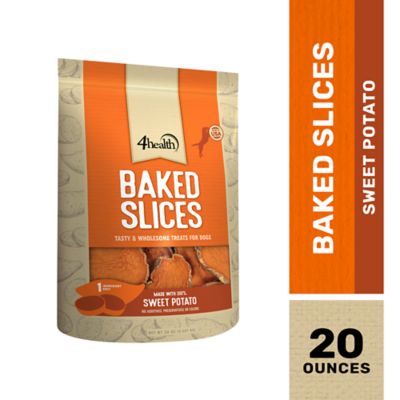
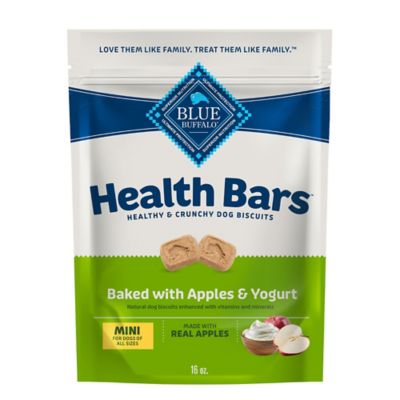
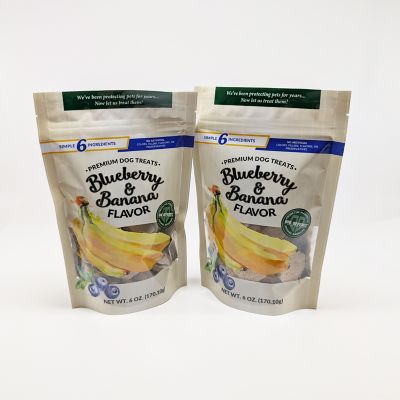
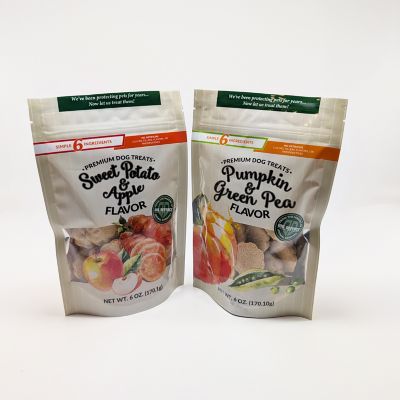
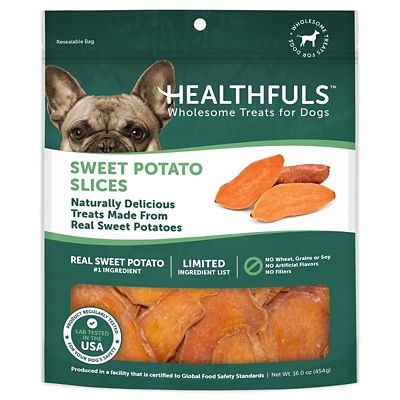
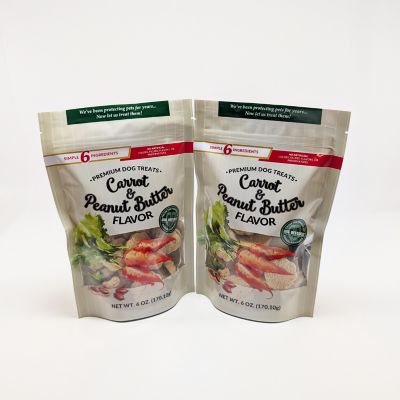
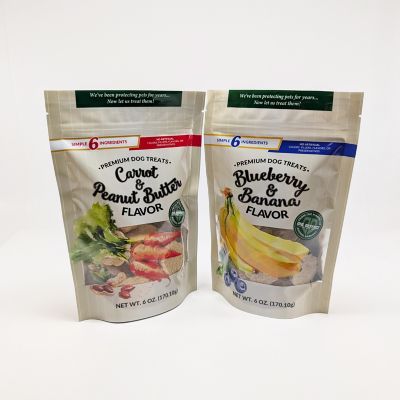
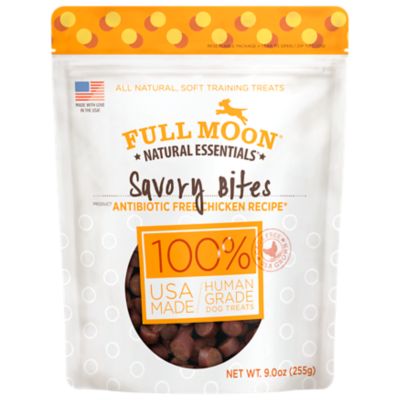
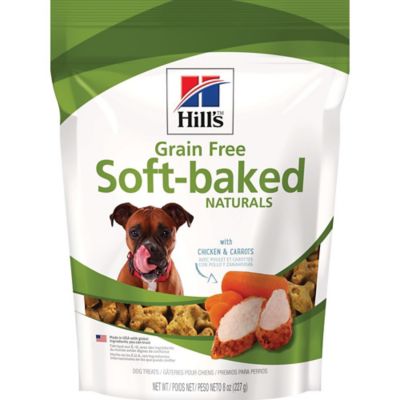
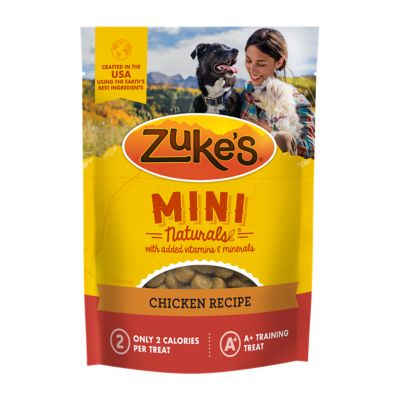
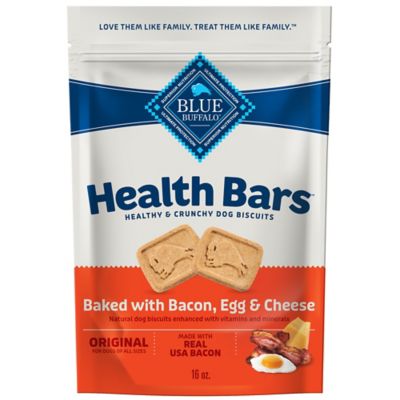
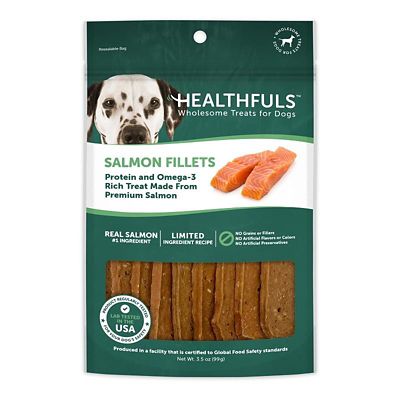
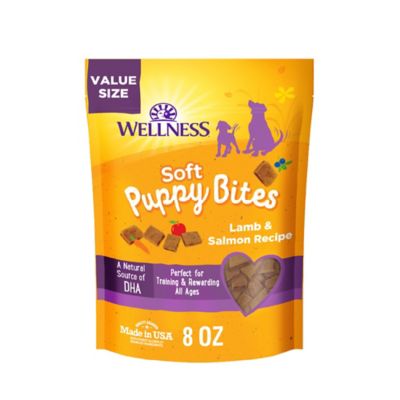
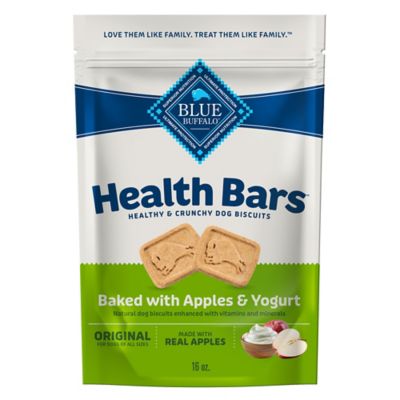
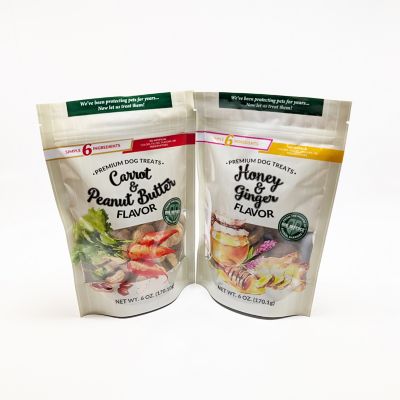
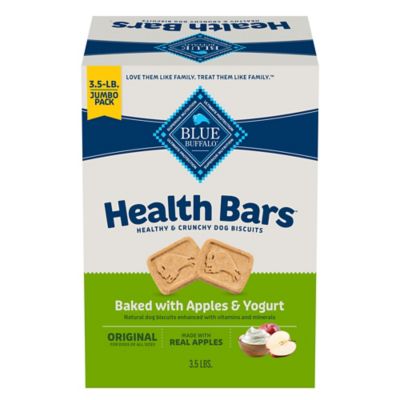
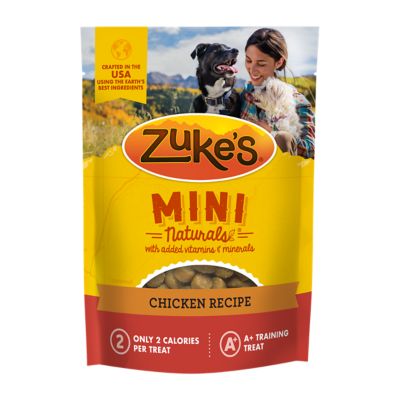
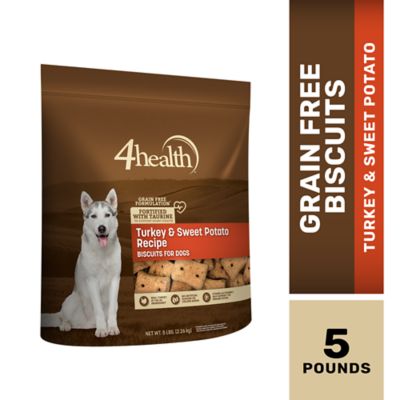
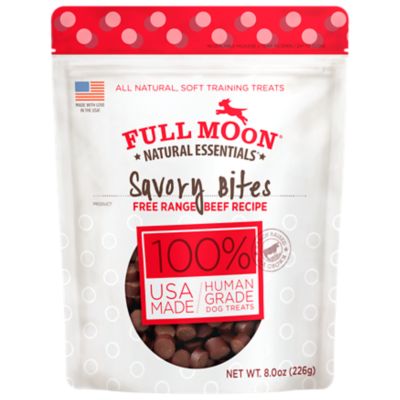
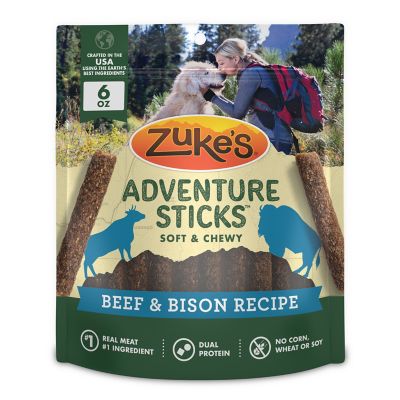
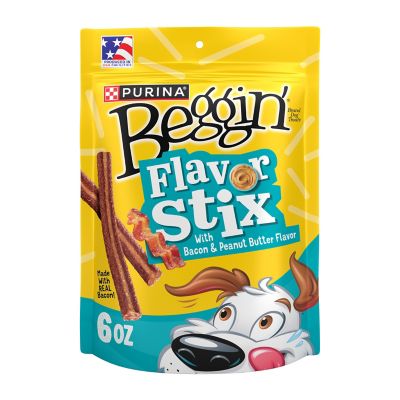
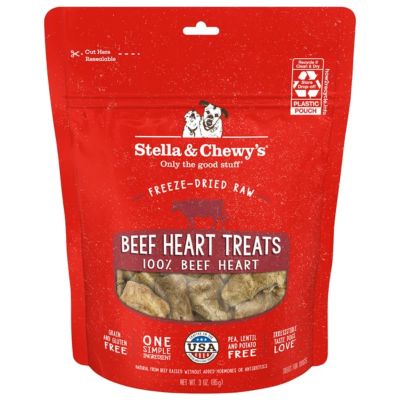
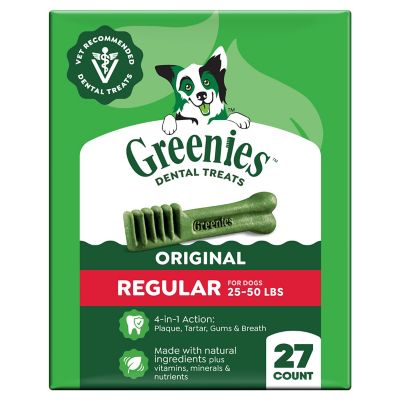
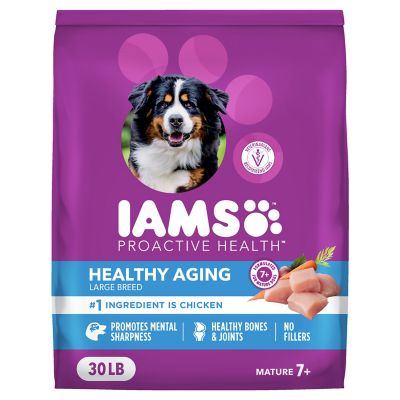
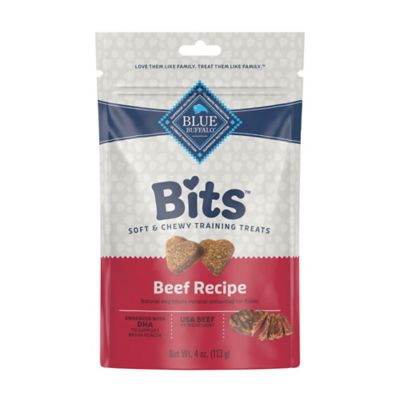
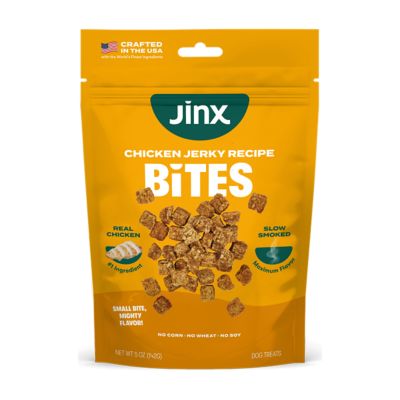
Healthy dog treats give dogs a little something to look forward to while keeping their everyday nutrition in mind. The best fit depends on the dog eating them: age, body size, activity level, food sensitivities, and the calories already coming from meals all matter. Treats are extras, not a replacement for complete and balanced dog food, and they should generally account for no more than 10% of a dog’s daily calories. That leaves plenty of room for the nutrients supplied by regular meals. Calorie information is especially helpful when comparing a small training bite with a larger biscuit or chew, since pieces that look similar can contribute very different amounts of energy. Ingredient lists offer another useful point of comparison. Meat, fish, oats, pumpkin, carrots, and other familiar ingredients can all have a place in dog treats, depending on the recipe and the dog’s needs. A short ingredient list can make it easier to avoid a known dietary trigger, but fewer ingredients do not automatically make a treat a better choice. Likewise, labels such as natural or grain-free do not tell the whole nutritional story. Grains are not a problem for every dog, and a grain-free treat can still contain an ingredient that disagrees with a particular pet. For dogs with diagnosed food allergies or a prescribed diet, treats need to match the veterinarian’s feeding plan, including any restrictions on proteins or other ingredients. Recipes without added colors or flavors may appeal to households looking for a simpler formula, though those claims alone do not establish nutritional value. Clear ingredient labeling, an appropriate calorie count, and a texture the dog can handle provide more useful information. Whether the reward follows a good recall in the fenced yard or a patient wait by the back door, a well-chosen treat fits the dog’s routine without crowding out dinner.
Texture and portion size make a big difference in how healthy dog treats fit into daily life. Small, soft training treats work well when rewards come frequently, such as practicing a loose leash, learning to settle on a mat, or standing calmly for a harness. A bite that is easy to chew lets the dog finish quickly and pay attention to the next cue. Breakable treats offer flexibility when a full piece would be more than a small dog needs, although the calories still count even after a treat is divided. Crunchy biscuits suit dogs that enjoy a little snap between meals, while softer textures may be easier for dogs that struggle with firm food. A change in chewing comfort, dropped food, or reluctance to eat hard treats deserves a veterinary check rather than simply switching textures and overlooking the cause. Puppies need treats suited to their age and developing teeth, and older dogs may need different portions as their activity levels change. Larger dogs still benefit from small training rewards; a big mouth does not mean every successful sit needs a big biscuit. Chews serve a different purpose from quick training bites, giving dogs something to work on during supervised downtime. Their size and firmness should match the dog’s chewing style, and any piece that becomes small enough to swallow whole needs to come away. Extremely hard chews can damage teeth, so harder is not necessarily better. Dental treats may support oral care when their benefits are backed by testing, but they do not replace toothbrushing or veterinary dental care. The right format also depends on the setting. A tidy, easy-to-handle bite makes sense in a treat pouch during a walk, while a crumbly biscuit may be better enjoyed at home. For dogs that gulp food, careful supervision matters more than a label suggesting a long chewing time.
Good treat habits extend from the ingredient panel to the cupboard, the feed scoop, and every person handing out rewards. In a household where one person handles morning chores and another takes the evening walk, a shared daily treat allowance helps keep little extras from adding up unnoticed. Setting aside the day’s portions makes room for training, a calm greeting, and an occasional reward without relying on guesswork. Dogs working toward a healthier weight may need smaller pieces or lower-calorie options, with a veterinarian helping set the total daily calorie target. Treats fit alongside
healthy dog food, not in place of it, and even a treat with appealing ingredients can upset that balance when portions run too large. Freshness matters, too. Resealable packaging helps protect treats between servings, while storage directions explain whether a particular formula needs refrigeration after opening. Keep the original label handy for feeding amounts, ingredient details, lot information, and the best-by date, even when the package sits inside another container. A clean, dry storage spot away from direct sunlight helps protect the contents; a damp pouch or an open bag beside a sink does not. Treat containers also need to stay out of reach of determined noses, especially in homes where dogs have figured out cabinet doors or can reach the counter. Dog treats should never contain xylitol, a sweetener that is toxic to dogs and may also appear on labels as birch sugar. When introducing a different treat, a small portion makes it easier to notice whether it agrees with the dog before offering more. Appetite, stool changes, and chewing behavior all provide useful feedback. From a pocket-sized reward for learning good manners to a carefully portioned snack after a walk, the goal is simple: something the dog enjoys that also fits comfortably into everyday feeding and care.