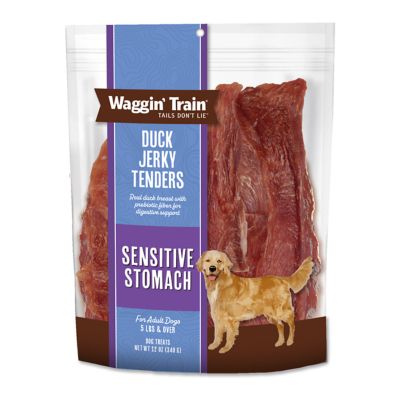
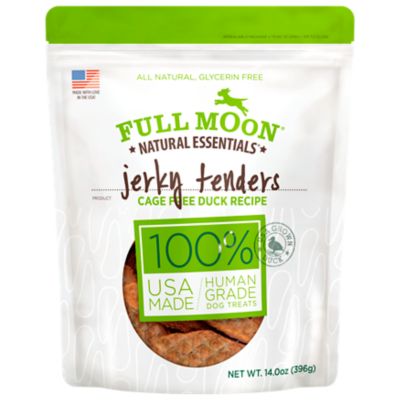
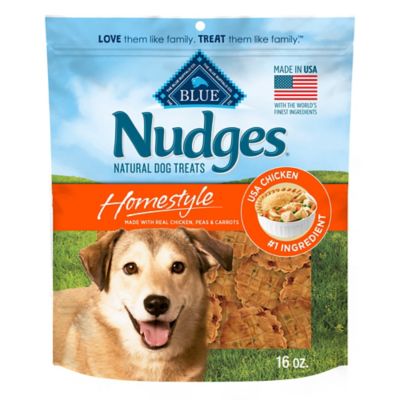
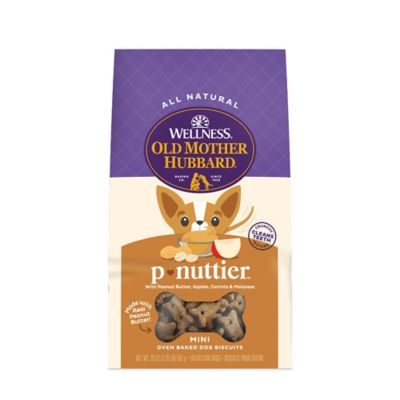
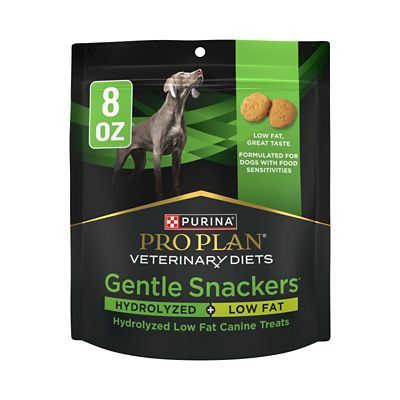
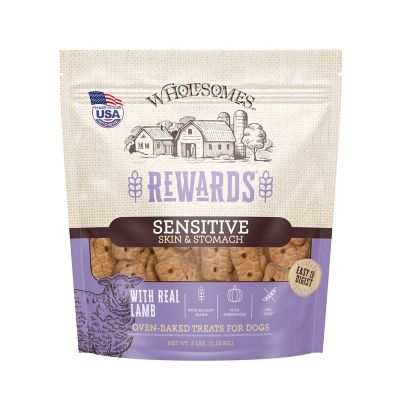
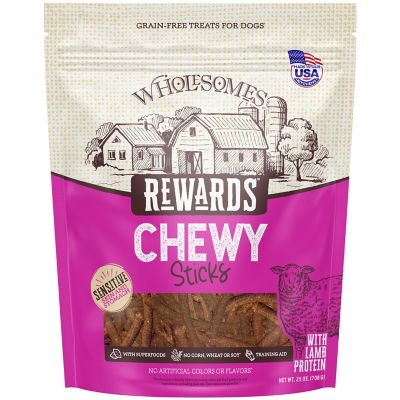
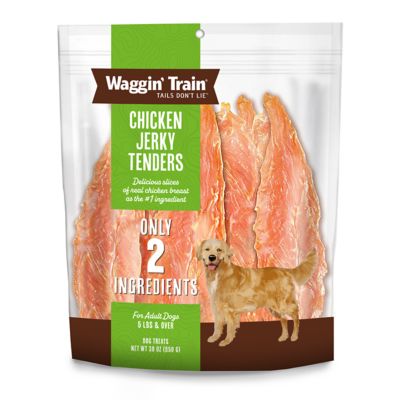
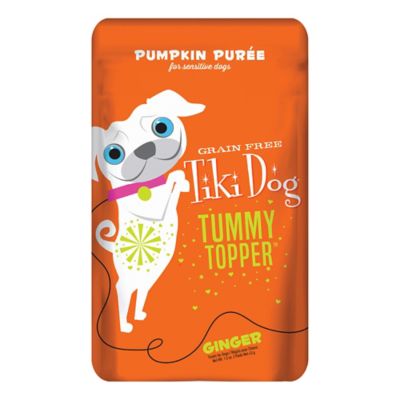
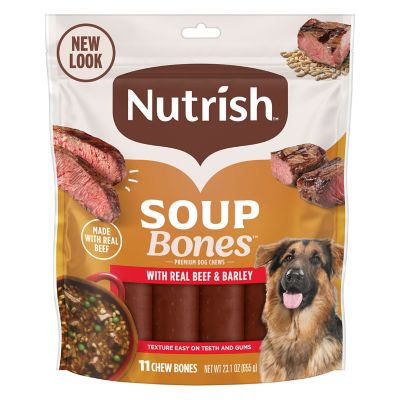
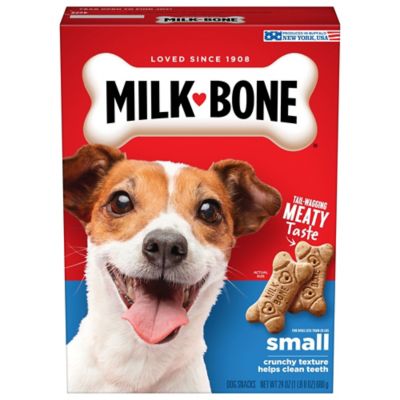
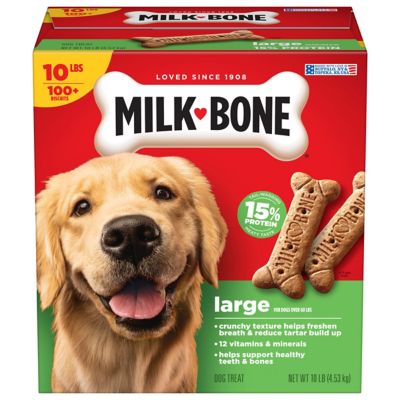
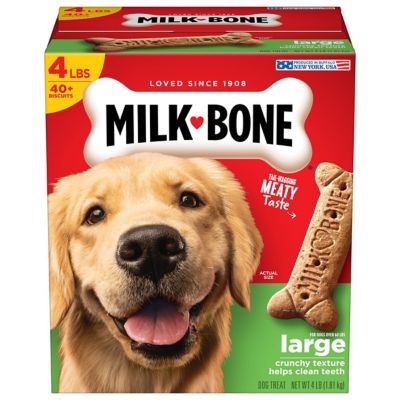
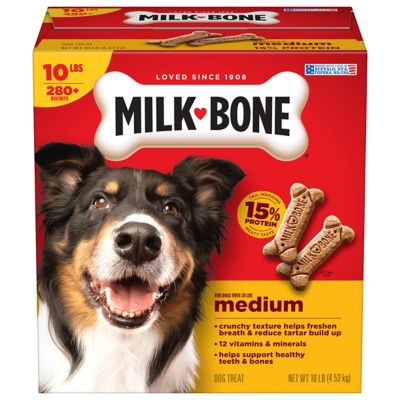
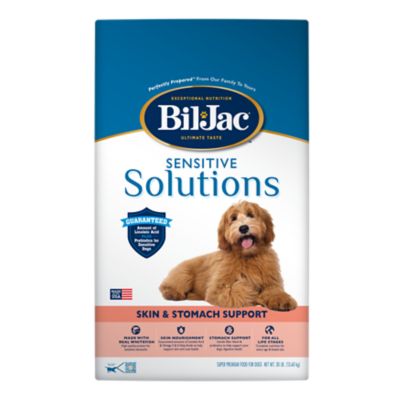
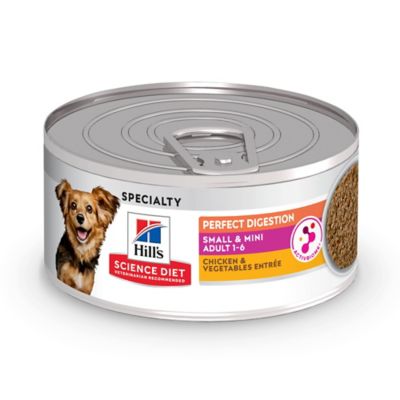
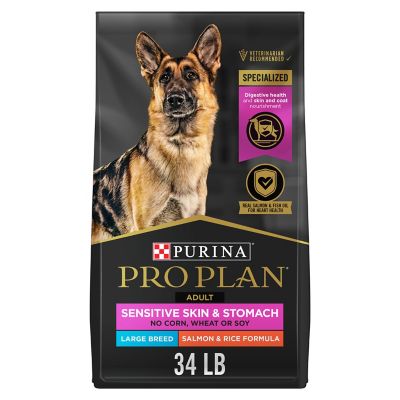
Dog treats for sensitive stomachs make room for the little rewards that matter, from a bite after coming when called to a welcome-home treat at the kitchen door. For dogs that don’t handle every snack well, the best fit depends on familiar ingredients, a suitable fat level, and portions that agree with their regular diet. Limited-ingredient treats can make it easier to keep track of what a dog eats, especially when the ingredient list clearly identifies each animal protein. A shorter list does not guarantee easier digestion, but it can simplify the search when certain foods have caused trouble before. Single-protein treats offer another way to keep feeding consistent, provided the rest of the recipe also fits the dog’s needs. Fish, rabbit, or venison may be options for some dogs, though a protein is only novel if that particular dog has not eaten it before. Chicken and beef are not automatically off-limits; a dog’s own history matters more than a broad list of ingredients to avoid. Pumpkin, sweet potato, rice, and oats may also appear in sensitive-stomach treat recipes, bringing different textures and sources of carbohydrate or fiber. No single ingredient makes a treat suitable for every sensitive dog, and extra fiber can cause trouble when the portion is too generous. Lower-fat treats may suit dogs that struggle with rich snacks, while dogs with pancreatitis or other diagnosed conditions need a veterinarian’s direction on fat limits and appropriate rewards. Grain-free wording alone does not establish that a treat will be gentler on the stomach, either. Clear ingredient information, calorie content, and feeding directions offer a more useful starting point than broad claims on the front of a bag. Whether the reward follows a quiet walk down the lane or a few minutes of leash practice beside the barn, the goal is a small, enjoyable bite that fits the dog’s everyday feeding routine without adding unnecessary richness.
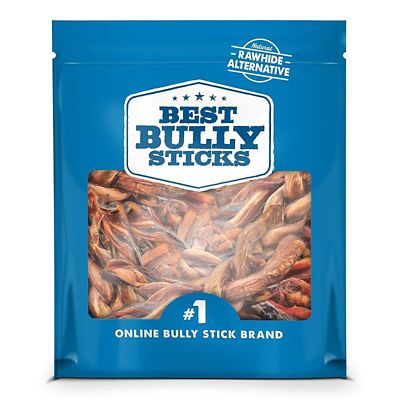
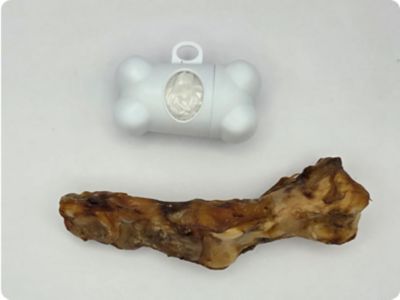
Texture, size, and intended use help separate a good training reward from a snack better suited to a quiet break. Soft dog treats for sensitive stomachs can be convenient for puppies learning household manners, older dogs that prefer less crunch, and any dog earning several rewards during a short practice session. A soft bite that breaks cleanly into smaller pieces lets the reward stay frequent without making each success a full snack. Puppies still need age-appropriate treats, and ongoing trouble chewing deserves a veterinary check rather than simply a switch in texture. Crunchy biscuits offer a different eating experience, but hardness alone says little about how a recipe will sit in the stomach. The ingredient profile and serving size still count. For a small dog waiting politely at the gate, a tiny morsel may be plenty; a larger dog does not necessarily need a large treat every time. Calories from treats should generally stay below 10 percent of daily calorie intake, with the main diet supplying complete and balanced nutrition. Some dogs need a tighter limit, particularly when weight management or a medical diet is part of their care. Chews call for a separate look at size, toughness, and swallowing habits. A chew should be large enough that the dog cannot gulp it whole, and every chewing session needs supervision. Very hard chews can damage teeth, while large swallowed pieces can create choking or intestinal blockage risks. A single-ingredient chew may have a straightforward label without necessarily being low in fat or easy for a particular dog to digest. That distinction matters for the dog that settles on the porch with a chew just as much as it does for the eager youngster that finishes every reward in a hurry. Smaller, portionable treats often offer better control when stomach tolerance is the main concern. Texture should match the mouth, portion size should match the feeding plan, and ingredients should match what the dog can comfortably eat.
A consistent treat routine works best alongside a consistent daily diet. Pairing suitable rewards with
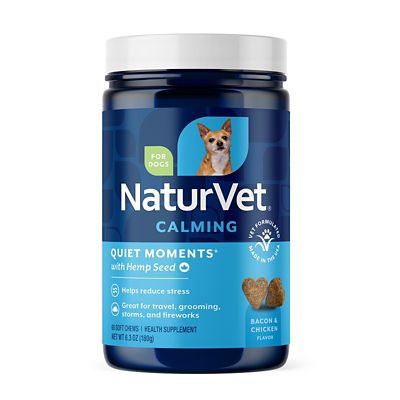
Sensitive Stomach Dog Food can help keep ingredient choices aligned, although the treat still needs its own label check. A fish-based meal, for example, does not mean every fish-flavored snack contains fish as its only animal protein. Recipes can include other proteins, fats, or flavorings, so the full ingredient list matters when a known sensitivity is involved. Treats labeled for digestive support may contain prebiotic fiber or probiotics, but those additions are not a promise that a dog will tolerate the whole recipe. For a dog on a veterinary elimination diet, even a small unapproved reward can interfere with evaluating food reactions; treats should follow the veterinarian’s plan. Otherwise, introducing one new treat at a time in a very small portion makes changes easier to follow. Watch appetite, stool consistency, gas, and comfort over the next several days rather than assuming a treat agrees with the dog after the first bite. Repeated vomiting, ongoing diarrhea, blood in the stool, pain, or unusual tiredness calls for veterinary attention, not another round of snack changes. Everyday handling matters, too. Follow package storage directions, close bags tightly, and keep treats away from moisture and heat. Some soft or minimally processed treats have refrigeration requirements after opening, while other recipes belong in a cool, dry cupboard. A small day's portion in a clean treat pouch is more practical for chores or walks than leaving the whole bag in a damp coat pocket or a vehicle. During the cooler months, when muddy boots gather by the door and dogs may spend longer stretches indoors, rewards can support calm settling, paw wiping, and short indoor training sessions. Keeping everyone in the household on the same portion plan helps prevent a handful from one person becoming several handfuls by supper. Thoughtfully chosen sensitive-stomach dog treats bring a little variety to those familiar moments while keeping comfort, sensible portions, and the dog’s established diet at the center of the routine.