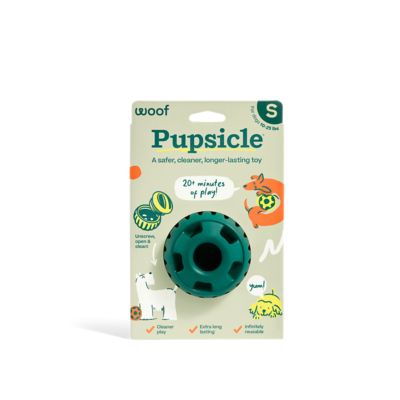
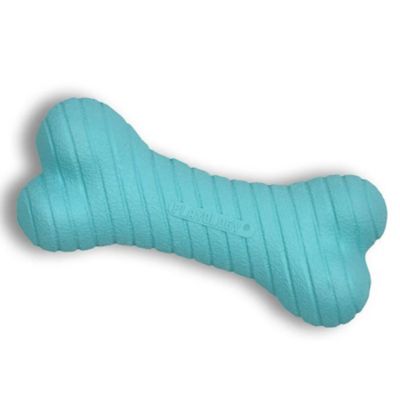
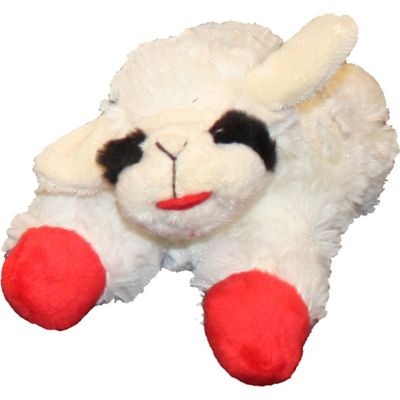
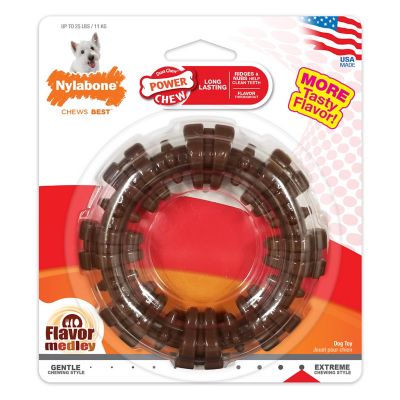
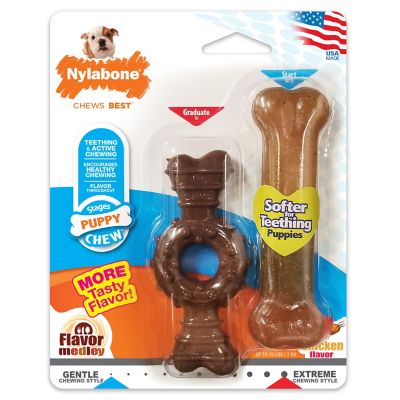
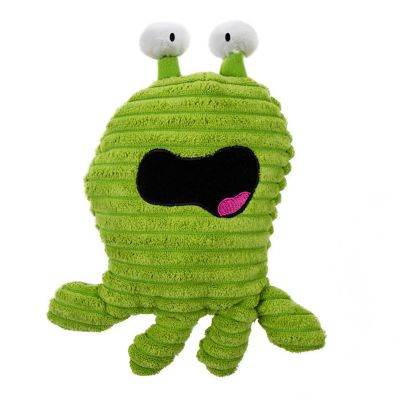
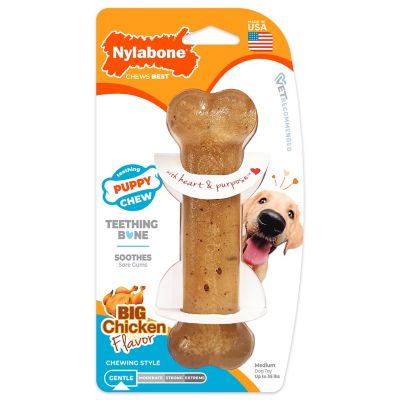
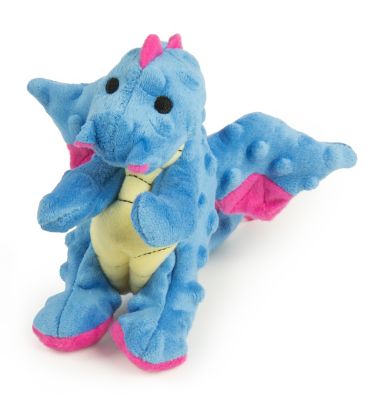
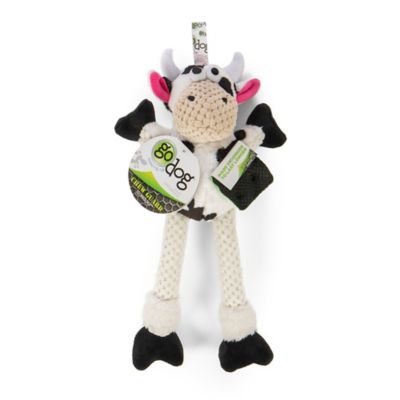
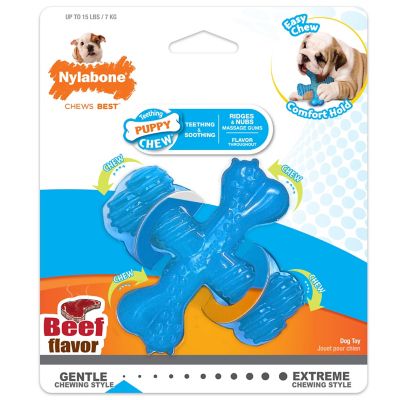
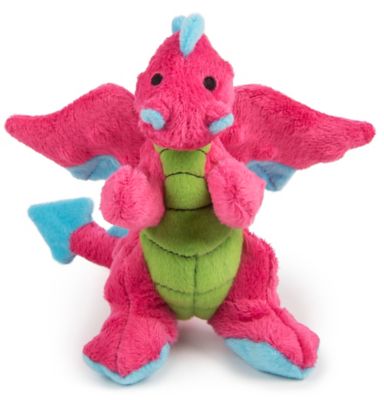
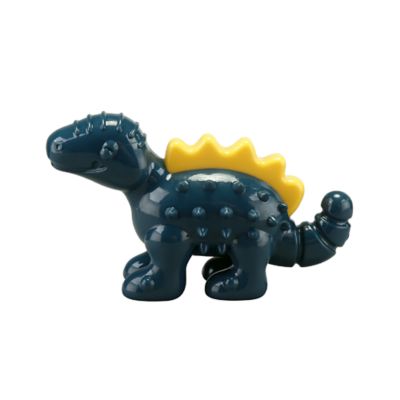
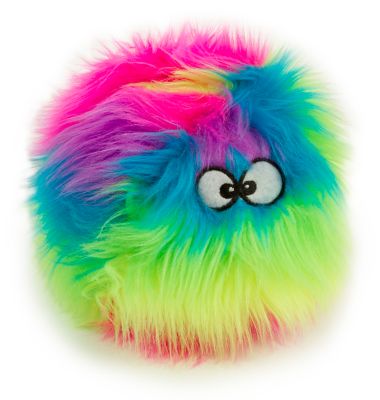
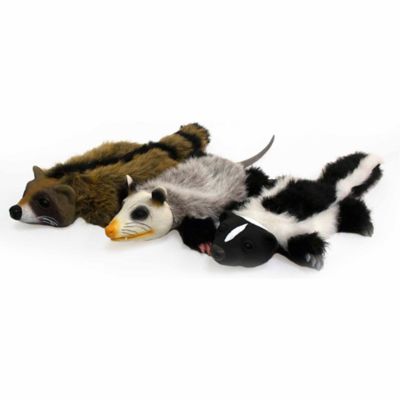
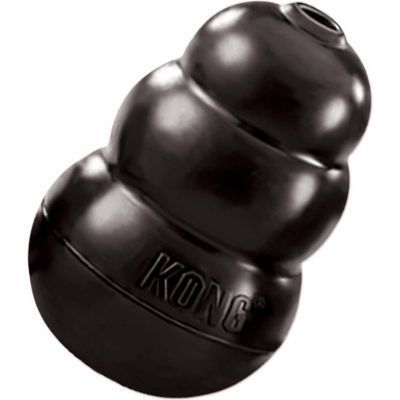
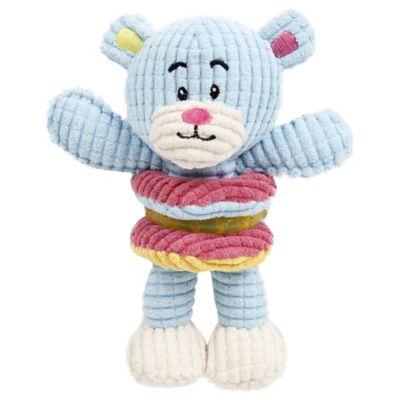
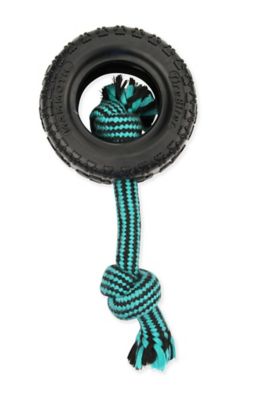
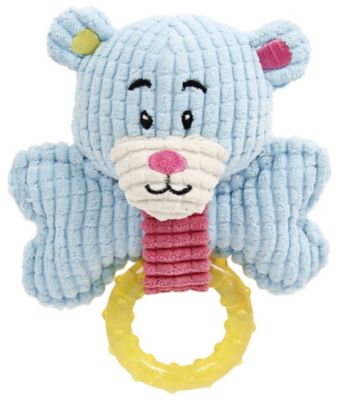
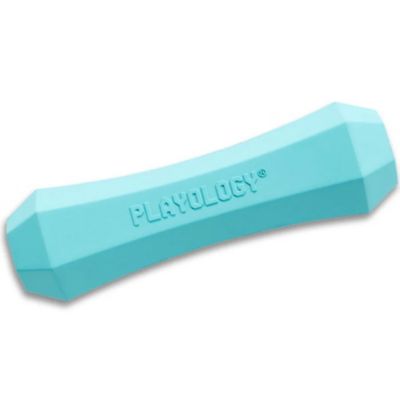
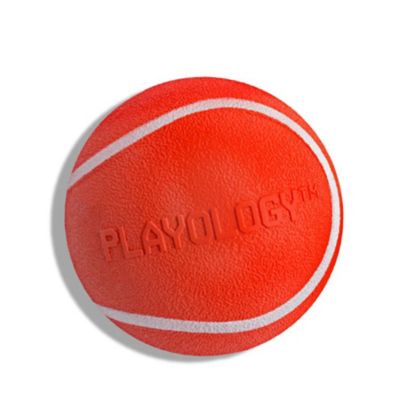
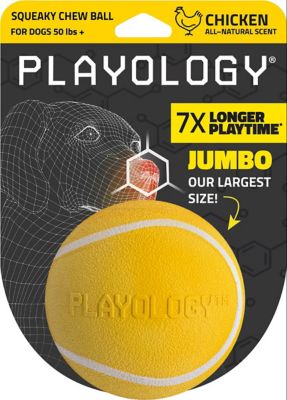
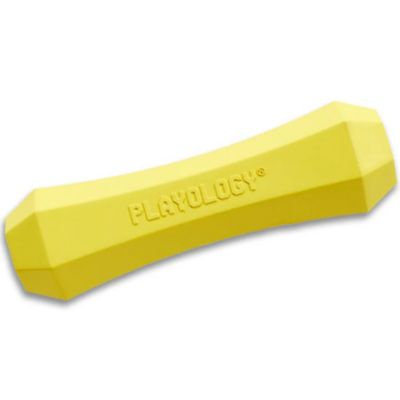
Dog toys for small puppies should be lightweight, easy for little mouths to grip, and large enough that they cannot be swallowed or become lodged in the throat. A good fit lets a puppy pick up, carry, and mouth a toy without struggling to lift it or stretch its jaws too far. Small puppies include both young small-breed dogs and youngsters that will eventually grow much larger, so body weight alone does not tell the whole story. Mouth size, age, chewing habits, and the toy maker’s recommendations all matter. Puppy teeth and gums call for some give rather than a rock-hard chewing surface. Flexible rubber, soft fabric, and other materials labeled for puppy play can offer different textures without the weight of toys intended for adult dogs. Rubber shapes give curious mouths something to explore, while lightweight plush toys can become familiar companions during supervised play beside the kitchen table. Fabric toys deserve a close look at seams, stuffing, and any attached parts. Sewn-on eyes, ribbons, and loose trim can become tempting targets for a determined little chewer. Squeakers add sound and interest, but the sound-making piece belongs inside an intact toy, not loose on the floor. No toy is chew-proof, and soft does not automatically mean suitable for every puppy. A pup that gently carries a plush toy has different needs from one that pulls at every seam. Very hard chews, brittle materials, and toys that break into sharp pieces can put developing teeth at risk. For a puppy with mouth soreness, damaged teeth, or persistent chewing discomfort, a veterinarian can help sort out appropriate options. The best match supports ordinary puppy behavior—mouthing, carrying, chasing, and exploring—while giving the person on the other end of playtime a clear view of how the toy holds up. A toy that looked just right when a puppy came home may need replacing as that little mouth grows, even if the material still looks sound.
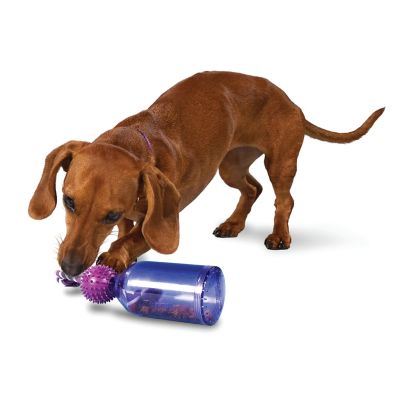
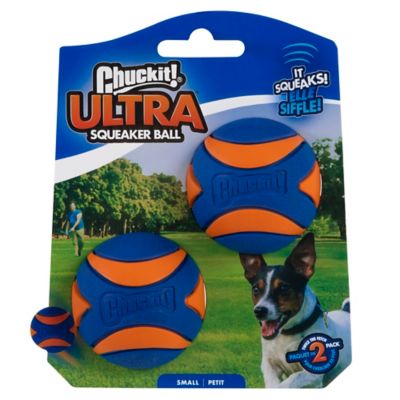
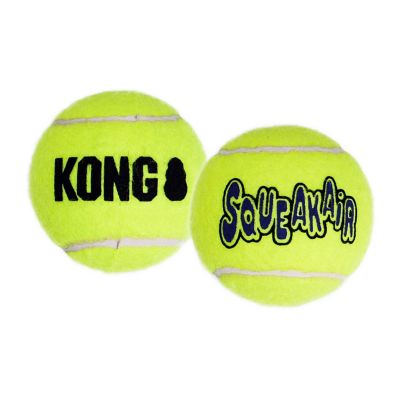
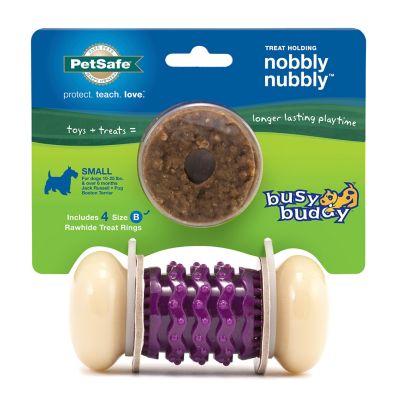
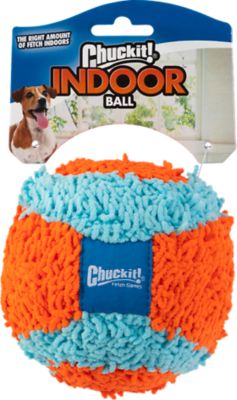
Different toy styles make room for different kinds of play, and a small puppy does not need every game to involve a full-speed dash across the house. A lightweight ball can encourage a short roll-and-return game on a clear, nonslip floor, provided its size keeps it from slipping entirely into the mouth. Soft toys with easy-to-grab sections suit pups that enjoy carrying a prize from the rug to their bed. Gentle tug play can build engagement when the toy suits the puppy’s mouth and the person keeps movements low and smooth, without lifting the pup or jerking its head. Food-dispensing toys and simple puzzles bring another kind of activity to the mix, inviting a puppy to sniff, nudge, and investigate. The selection of
Interactive Dog Toys For Small Dogs offers another place to explore play that involves more than chewing or fetching. For a young beginner, an easy opening or a simple action often makes more sense than a complicated challenge that leaves the puppy pawing in frustration. Any food placed inside should suit the puppy’s age, diet, and chewing ability, with treats counted toward the day’s food intake. Openings and moving sections also need attention so a jaw, paw, or tongue cannot become trapped. Interactive play works best in short stretches, before a tired puppy starts grabbing at hands or losing interest. A few calm minutes with a person can be more useful than a long session that winds the pup up. Toy variety also gives families practical ways to redirect chewing from chair legs, bootlaces, and the corner of a blanket. Offering an appropriate toy and praising interest in it helps make the preferred choice clear. Children can take part with adult supervision, learning to roll a toy gently and give the puppy room instead of reaching into its mouth. In homes with larger dogs, separate play sessions help keep adult-size enthusiasm from overwhelming the smallest member of the bunch.
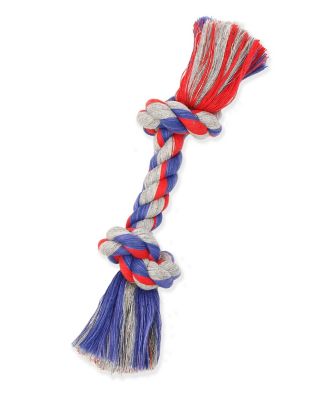
Care and regular checks are part of choosing dog toys for small puppies, especially when the same favorite travels from the living room rug to the entryway and back again. Washable materials make everyday cleanup simpler, but cleaning methods depend on the toy. Some fabric toys allow machine washing, while others need spot cleaning; some rubber toys can be rinsed or washed according to their labels. Following those directions helps protect seams, surfaces, and any enclosed components. Food-filled toys need particular attention around grooves and openings where residue can collect. Thorough rinsing and complete drying help keep the next play session from starting with leftover soap or trapped moisture. Before handing a toy back, check for split rubber, loose threads, exposed stuffing, missing pieces, and edges that feel rough or sharp. Rope fibers and fabric strips can cause trouble if swallowed, so fraying is a reason to take a toy out of the rotation rather than let the puppy finish pulling it apart. Missing pieces or signs that a puppy has swallowed part of a toy call for prompt veterinary advice. Toys that require supervision should be put away when nobody can watch, even if the puppy has played gently with them before. Keeping a few suitable options in rotation can renew interest without leaving every toy scattered underfoot. Separate storage also makes it easier to keep small puppy toys away from bigger dogs that might swallow them. For a household welcoming a new puppy, a small assortment chosen around the pup’s size and play style can make a thoughtful gift, particularly when the recipient knows the cleaning directions and supervision needs. Easy carrying, manageable textures, sound construction, and straightforward care matter more than a toy’s appearance. Whether a puppy prefers a quiet cuddle toy, a gentle chase, or a bit of nose work, the right assortment leaves room for growing confidence and everyday fun without asking a little mouth to handle more than it should.