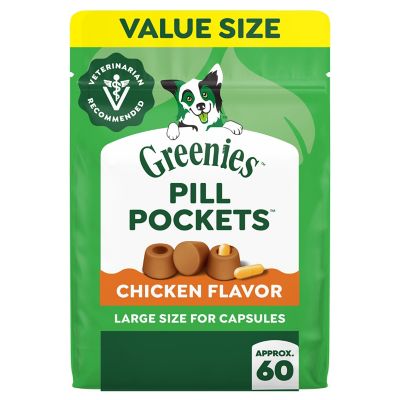
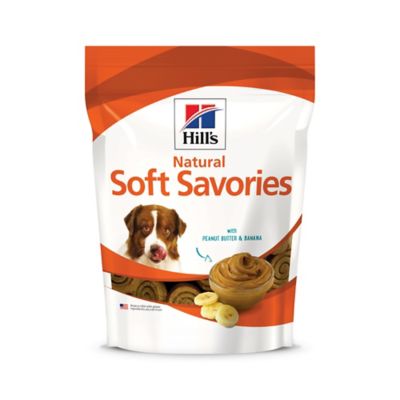
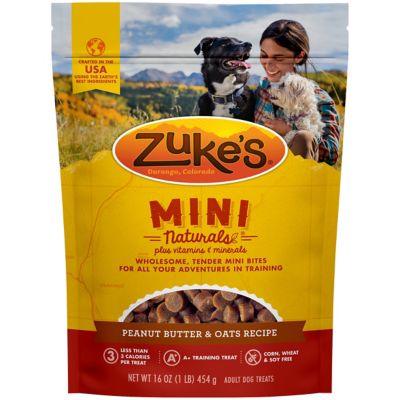
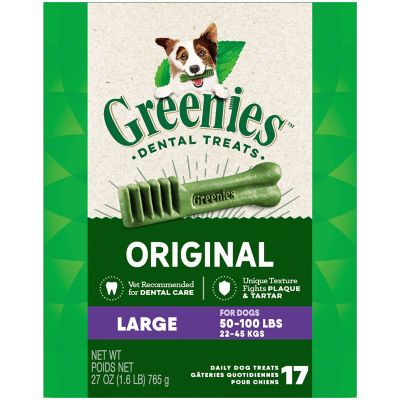
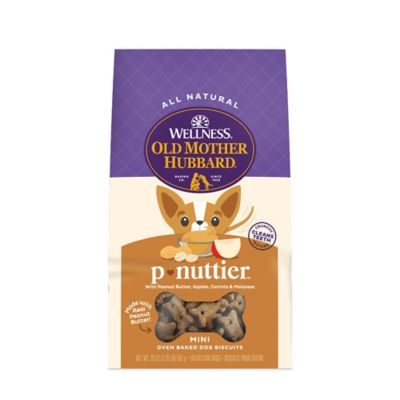
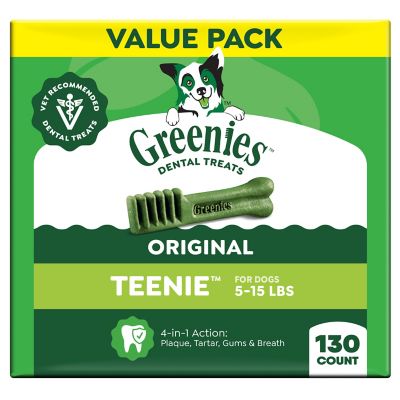
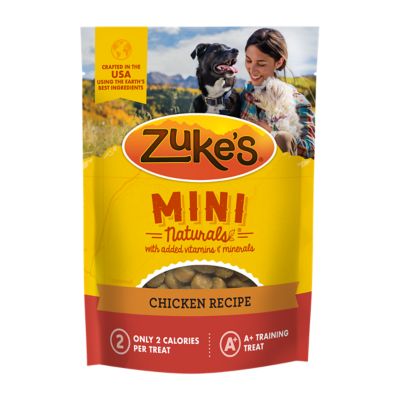
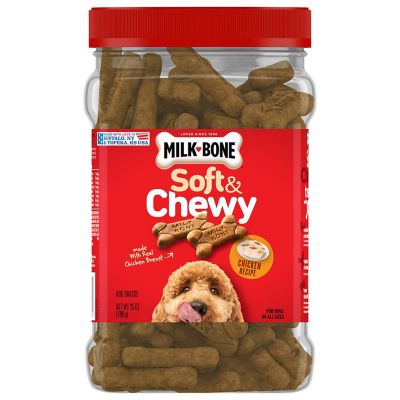
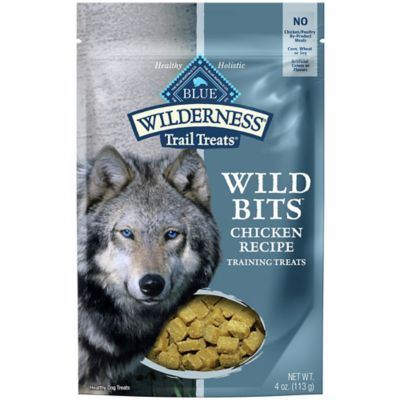
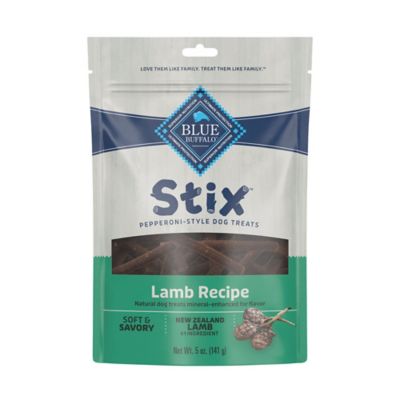
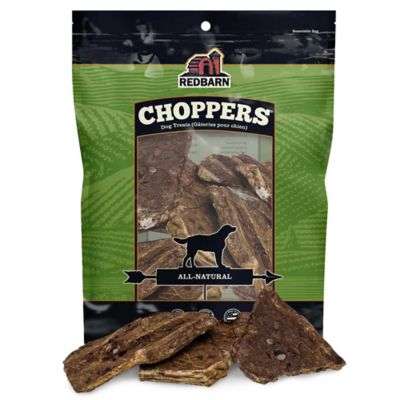
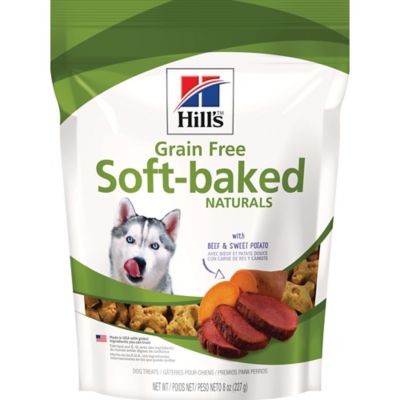
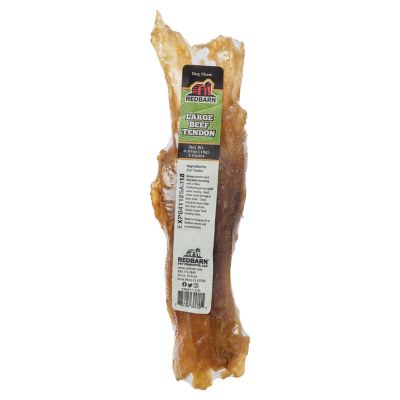
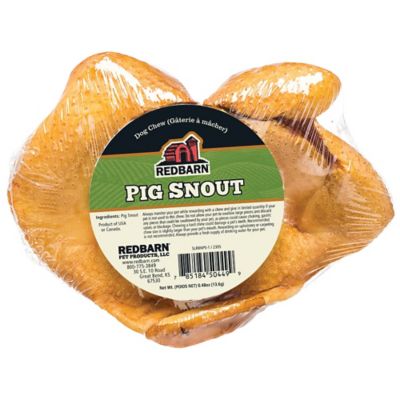
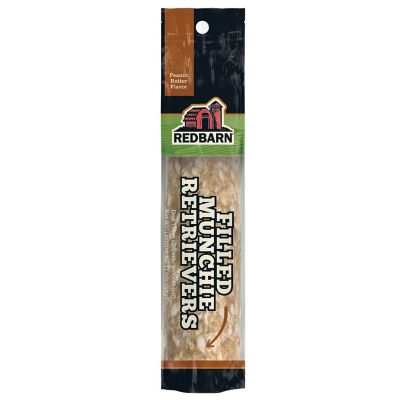
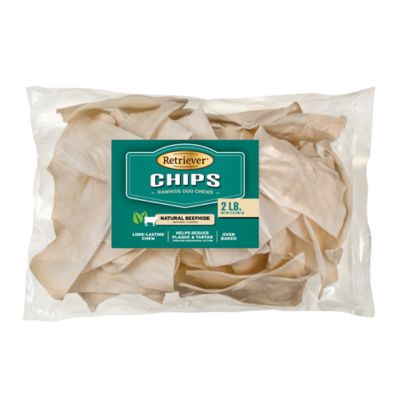
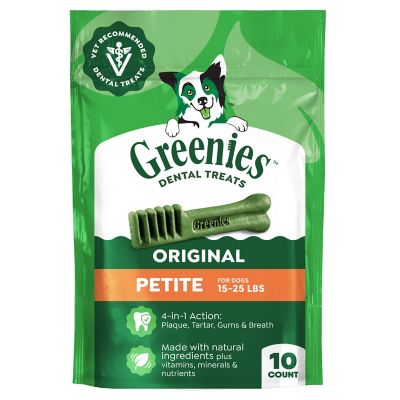
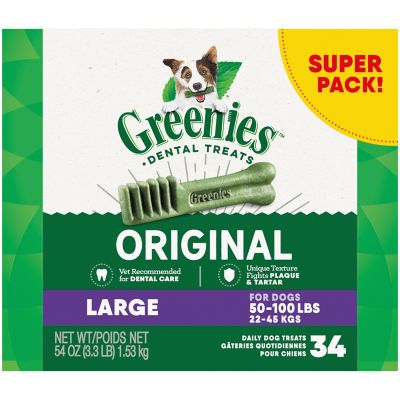
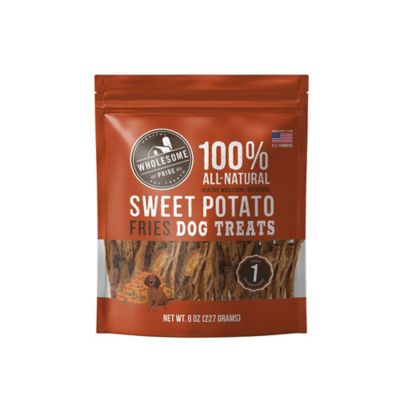
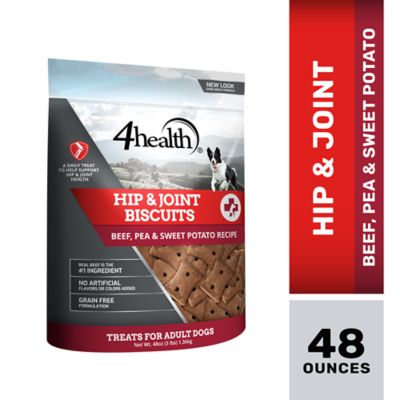
Natural dog treats are a simple way to add a little enjoyment to your dog’s day, whether you use them for training, reward good manners, keep a busy dog occupied, or share a small snack during a quiet moment at home. In general, natural dog treats are made with recognizable ingredients such as single-source meats, poultry, fish, vegetables, fruits, grains, or other wholesome food ingredients. Many shoppers look for recipes without artificial colors, artificial flavors, fillers, or chemical preservatives, while others prefer treats with a short ingredient list they can easily read and understand. Single-ingredient treats, such as dried meat, liver, duck, chicken, or other animal-based chews, can be especially helpful for pet parents who want to keep things straightforward. Crunchy biscuits made with ingredients like pumpkin or oatmeal may suit dogs that enjoy a satisfying snap, while soft bites are handy for carrying in a pocket or pouch during obedience practice, walks, and visits to the farm. Long-lasting chews can give a dog something engaging to work on when cooler weather keeps everyone indoors. Even with natural ingredients, treats should be offered in moderation and counted as part of your dog’s daily food intake. A treat that seems small in your hand can add up quickly for a little dog, while a larger dog may need a more substantial reward. Breaking soft treats into smaller pieces can make one bag last longer, and many crunchy treats can be divided without losing their appeal.
Choosing the right natural dog treats starts with knowing your dog’s age, size, chewing habits, and individual sensitivities. Puppies may do best with smaller, easier-to-chew rewards that match their developing mouths, while adult dogs often enjoy a wider range of crunchy snacks, soft training treats, and hearty chews. Senior dogs may appreciate softer textures or smaller pieces that are easier to manage, especially if chewing has become less comfortable. Read the ingredient panel carefully if your dog has a known allergy or a sensitive stomach. A limited-ingredient recipe can make it easier to identify what your dog is eating, and a single-protein treat may be a practical choice when you are avoiding certain ingredients. Common proteins include beef, chicken, turkey, pork, lamb, duck, and fish, but the best option depends on your dog’s history and tolerance. For a focused selection, browse
Beef Dog Treats. Texture matters, too. Soft, chewy pieces work well for quick rewards because they can be eaten in just a few bites, helping training stay on track. Crunchy biscuits can provide a different kind of enjoyment and may be useful when your dog likes to take time with a snack. Dried meats and durable chews can keep an enthusiastic chewer occupied, but dogs should always be supervised with chews, and the treat should be removed if it becomes small enough to swallow whole. Fresh water should be available whenever treats are offered. Store treats according to the package directions, sealing them well between uses and keeping them in a cool, dry place. During the cooler months, it is easy to leave a treat bag near a back door, mudroom, truck cab, or coat pocket, but a secure container helps protect the treats from moisture and keeps curious pets from helping themselves.
Natural dog treats also make thoughtful gifts for dog owners, new puppy families, working dogs, and the neighbor whose dog is always waiting by the gate. A small assortment of crunchy, soft, and single-ingredient options can give a pet parent a chance to see which texture and flavor their dog enjoys most. Treats are useful for more than spoiling a companion. They can help reinforce a calm sit before opening the door, reward a dog for coming in from the yard, make grooming and nail trims more manageable, or add a little motivation to daily training. For dogs that spend time outdoors, a few sturdy treats tucked into a walking bag can make a long trail, farm chore, or trip to the feed store feel special. At home, a treat can be placed inside a puzzle toy or used in a simple hide-and-seek game that encourages a dog to sniff and explore. Keep portions small when treats are used often, and introduce unfamiliar ingredients gradually so you can watch for signs of digestive trouble or an allergic reaction. Dogs with diagnosed food allergies, medical conditions, weight concerns, or special diets may need treats approved by a veterinarian. The best natural dog treats fit comfortably into the whole routine: they have ingredients you feel good about, a texture your dog can safely enjoy, and a size that works with daily feeding needs. From a young pup learning the basics to an older companion curled up near the heater, the right treat offers a practical reward and a familiar bit of joy.