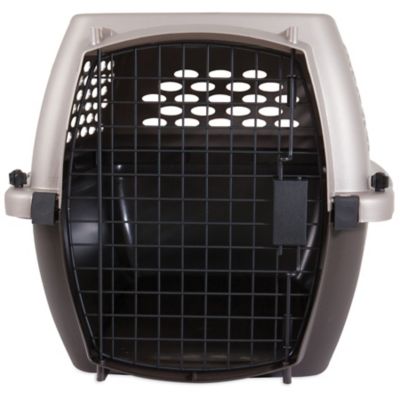
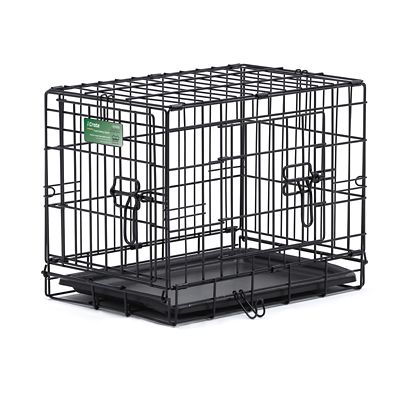
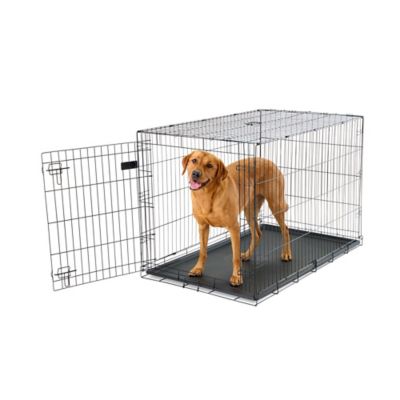
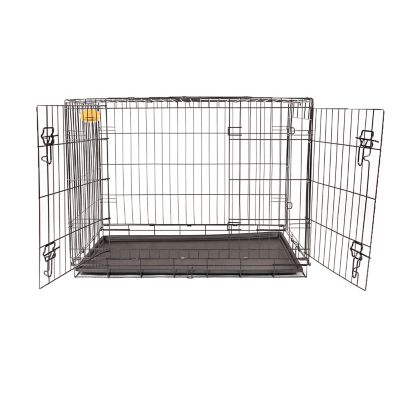
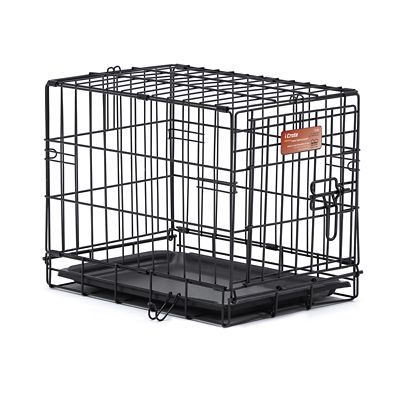
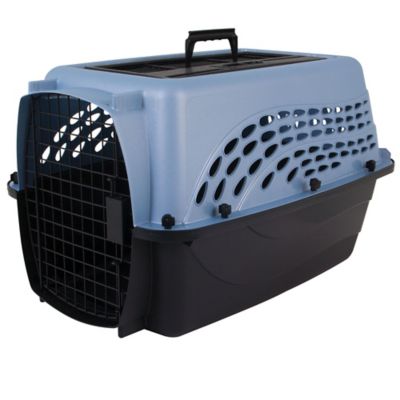
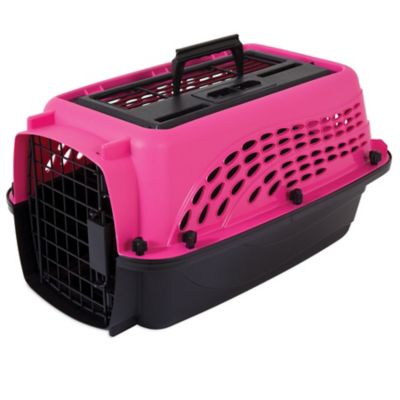
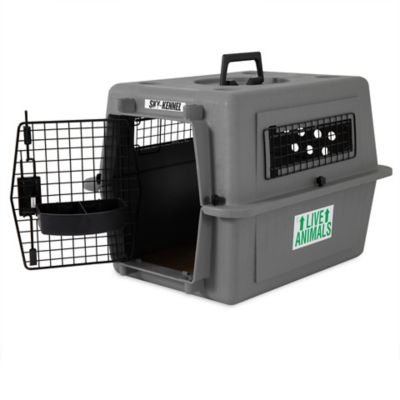
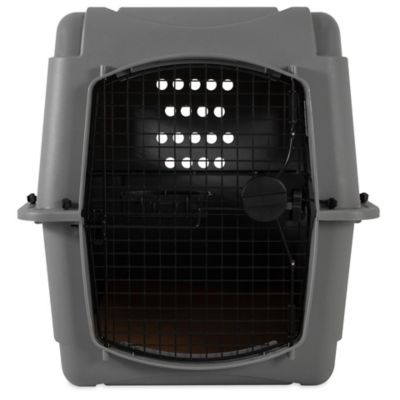
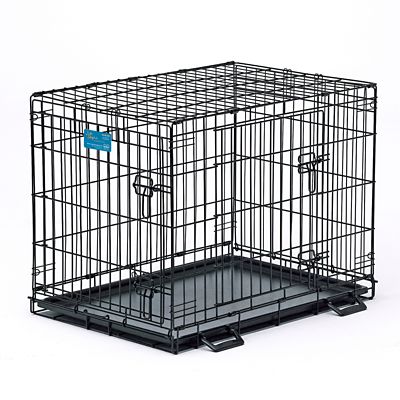
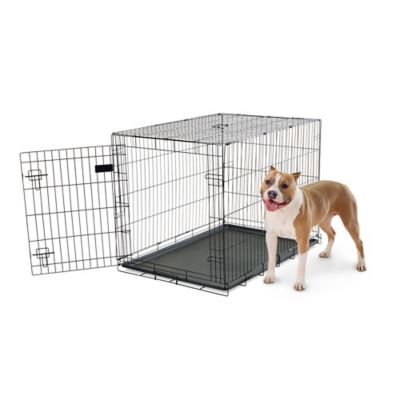
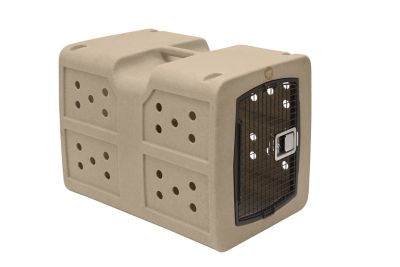
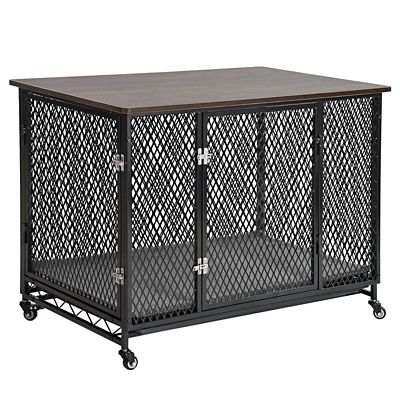
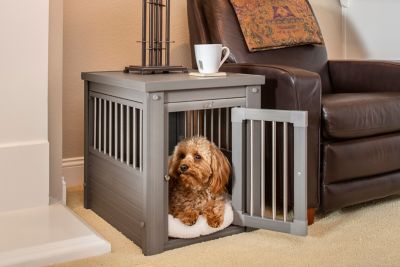
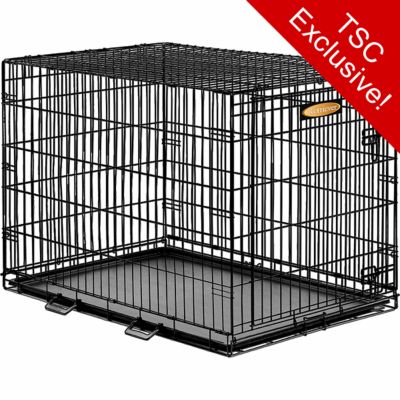
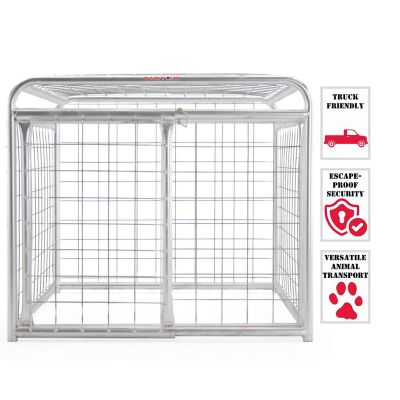
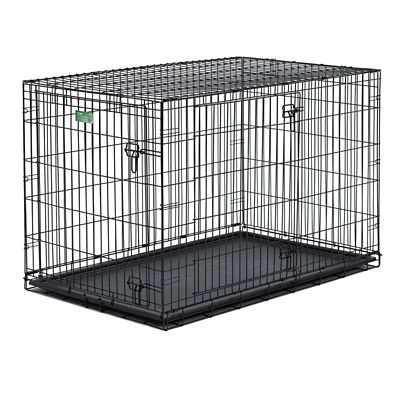
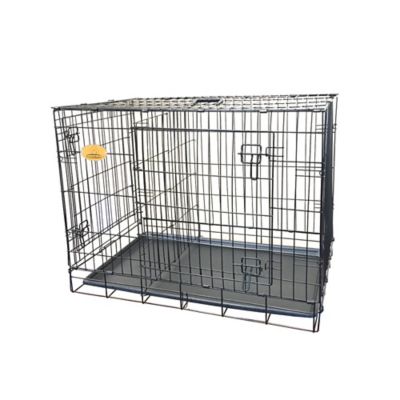
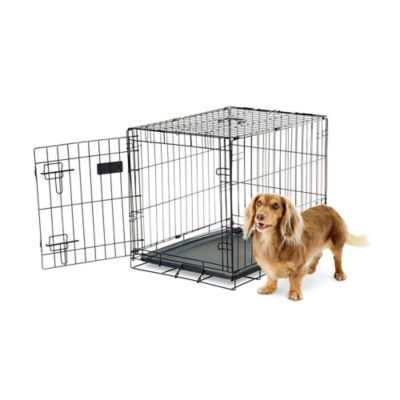
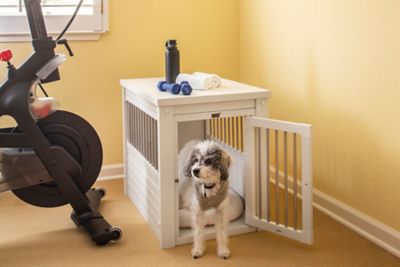
Dog crate training supplies help make a crate a familiar place to settle down, whether a puppy is learning the household routine or an adult dog is getting comfortable in a new home. The basic setup centers on a properly sized crate, a compatible divider when needed, bedding suited to the dog’s chewing habits, and treats or enrichment toys that support calm, positive experiences. A crate should give a dog enough room to stand naturally without crouching, turn around easily, and lie down comfortably. Measuring the dog’s height and length matters more than choosing by breed name alone, especially for mixed breeds and growing pups. Interior measurements also matter: a thick pad can reduce headroom, and a sloped crate wall may leave less floor space than the outside dimensions suggest. For a puppy, a divider panel can reduce the usable space inside a larger crate and move as the pup grows. That helps keep the sleeping area appropriately sized rather than leaving a separate corner for bathroom accidents, though it does not replace regular potty breaks. Wire crates offer open sightlines and airflow, while molded plastic crates have more enclosed sides that may suit dogs who settle better with fewer distractions. Fabric crates are generally a better match for dogs already comfortable with confinement and unlikely to scratch or chew their way out. Material choice should reflect the dog’s behavior as much as the household setup. An energetic youngster, a settled older companion, and a dog who paws at latches have different needs. Smooth edges, secure door closures, sound connections, and a base that sits steady all deserve attention. For a crate beside the kitchen or near the spot where boots come off after chores, door placement and clearance can make everyday access easier without putting the dog in the middle of foot traffic. A crate offers a resting space, not a substitute for exercise, companionship, or room to move throughout the day.
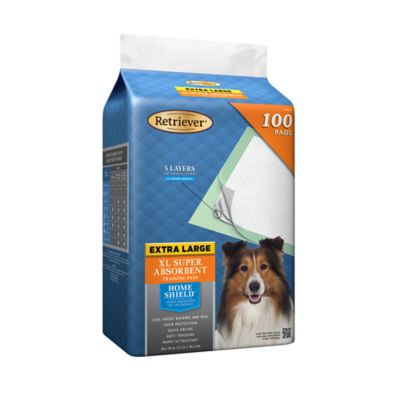
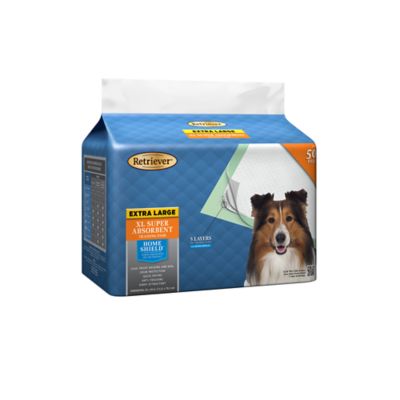
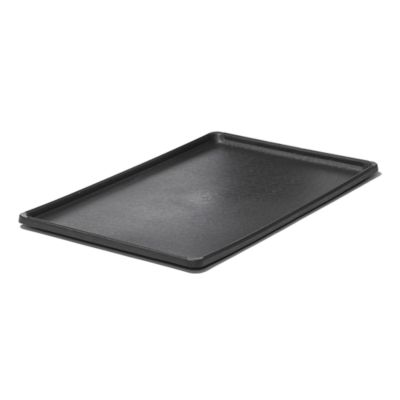
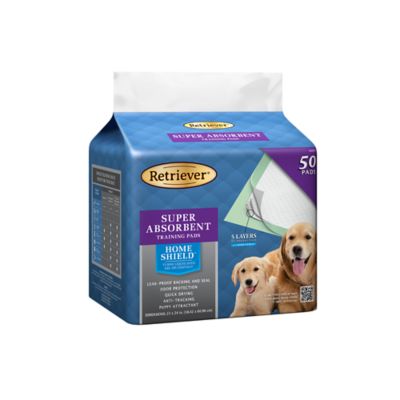
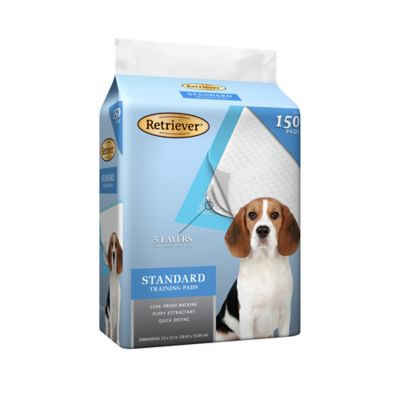
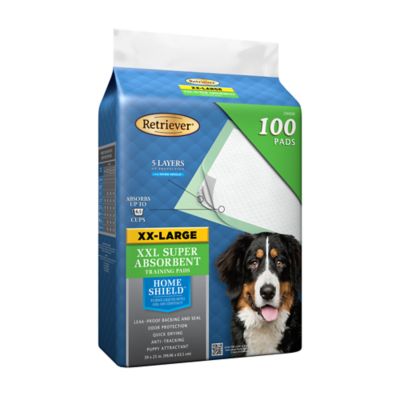
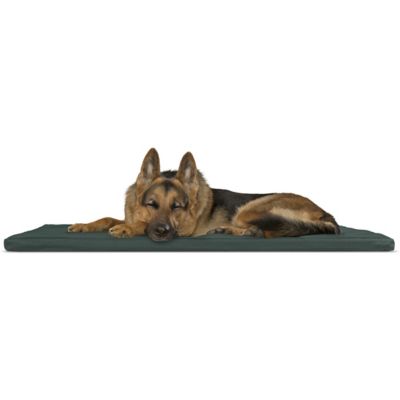
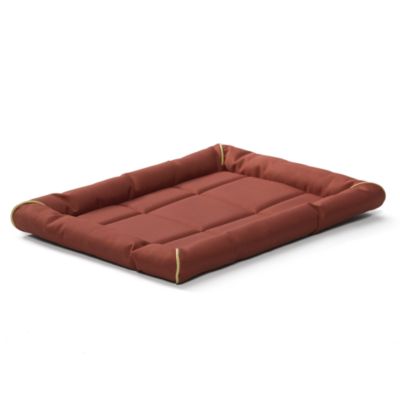
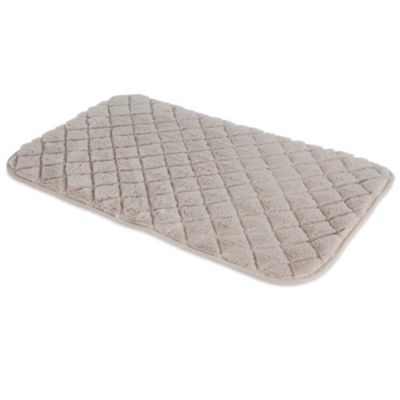
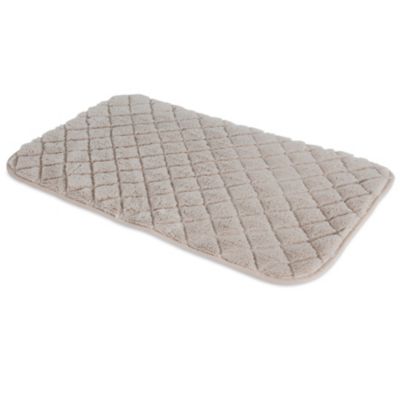
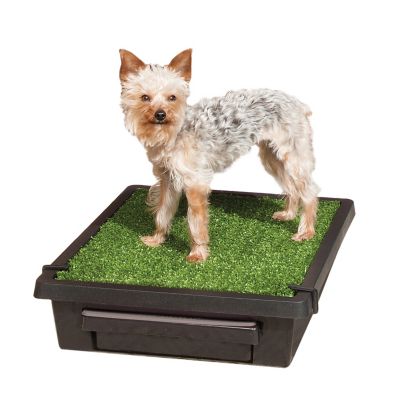
Crate pads, mats, and cleanup supplies round out that resting space, with fit and care making a real difference over repeated wash days. A flat pad that matches the crate floor provides cushioning without bunching into a heap or interfering with the door. Too much loose fabric can be tempting for a puppy who likes to tug and shred, while an oversized bed may curl up along the sides and reduce usable room. Washable covers, clear laundering directions, and materials that dry thoroughly help keep the sleeping area fresh after muddy paws, shedding, or an occasional accident. Foam inserts and fabric covers do not always share the same care requirements, so checking both prevents a simple cleanup from damaging the bed. Older dogs or those with joint discomfort may benefit from more supportive cushioning, provided they still have enough space to enter, stand, and stretch out. For persistent chewers, bedding needs closer consideration; no fabric should be treated as chew-proof, and torn material or exposed filling means it is time to remove the pad. Removable crate trays make routine cleaning easier, and a tray with a smooth, intact surface is simpler to wipe down than one with cracks that collect moisture. Pet mess cleaners labeled for the surface can help address lingering odors, including smells that may draw a puppy back to the same spot. Follow the cleaner’s directions and let the area dry before the dog returns. Absorbent cleanup materials are handy nearby, but a sleeping crate generally should not double as a lined indoor bathroom. Pads intended for a separate potty area serve a different purpose from bedding. Covers can reduce visual distractions for some dogs, but they should never block airflow or hang within reach of a dog who pulls fabric through the bars. Simple upkeep matters, too: inspect seams, zippers, tray corners, hinges, and latches regularly. Supplies that are easy to inspect and clean fit more smoothly into a busy household than a setup with hard-to-reach crevices and bedding that takes complicated care.
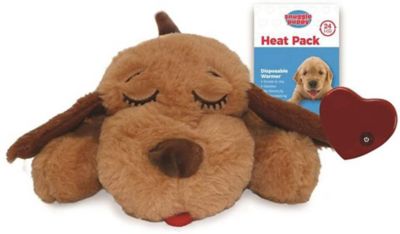
Treats and enrichment accessories add another part of the picture, giving dogs a pleasant reason to enter the crate and something suitable to focus on while settling. Small training treats allow frequent rewards without turning every practice session into a full snack break. Their size, texture, and ingredients should suit the dog’s age, chewing ability, dietary needs, and total daily food intake. A portion of the dog’s regular food may also work for rewards when it holds their attention. Food-stuffable rubber toys and licking accessories offer different ways to engage with food, and the right choice depends on mouth size, chewing strength, and how the dog handles the material. For a closer look at this part of the setup,
Crate Training Toys covers options for food-based enrichment and quiet activity. A toy should be large enough that it cannot be swallowed, without being so oversized or firm that the dog struggles to handle it. Any attachment must match the crate and follow the maker’s directions, with no loose pieces, loops, or projecting parts that could catch a paw or jaw. No toy is safe for every dog, and a supervised introduction is important before deciding whether an accessory belongs in the crate when the dog is alone. Remove anything that cracks, sheds chunks, or develops damage that puts pieces within reach. Collars, harnesses, and dangling tags also present snagging concerns inside a crate. For households that take dogs along on errands or visits, home-training equipment and travel equipment may overlap, but a folding crate is not automatically suitable for vehicle restraint. Travel calls for equipment intended for that setting and secured according to its instructions. Across these situations, the most useful supplies match the dog rather than simply filling the crate. A clear floor, correctly fitted bedding, and one suitable enrichment option may serve a dog better than a crowded space. Paired with patient introductions, bathroom breaks, and time with their people, dog crate training supplies can support a comfortable routine without making the crate a place for punishment.