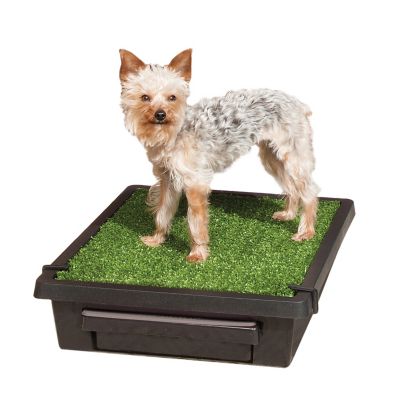
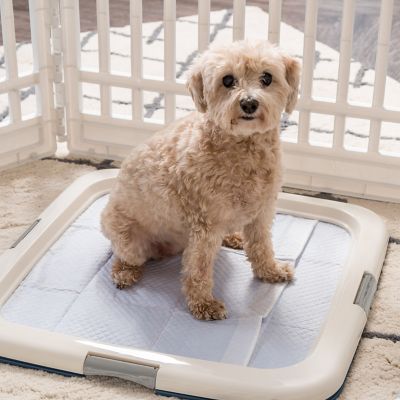
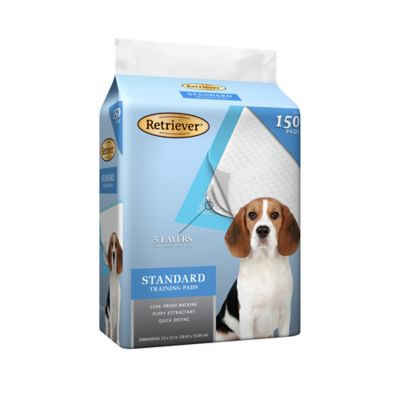
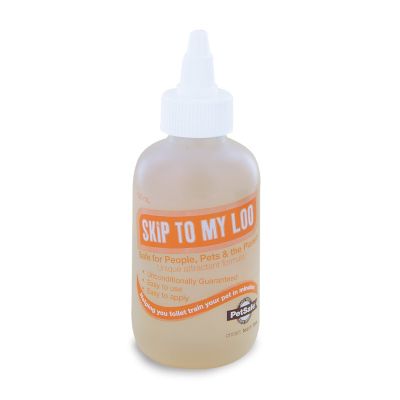
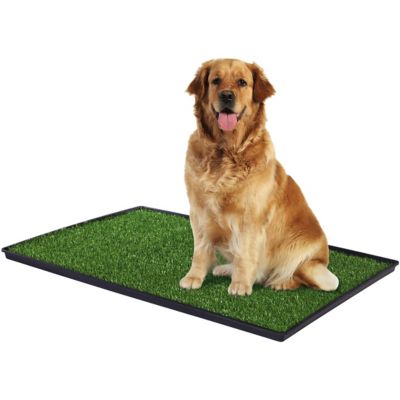
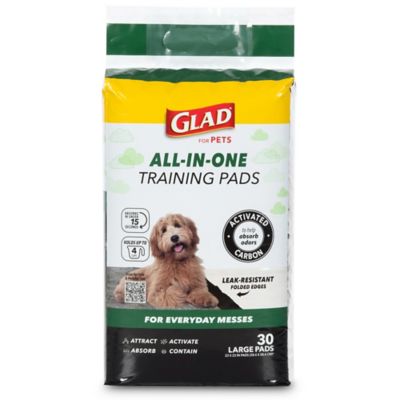
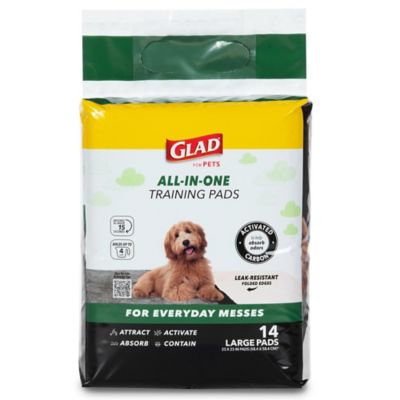
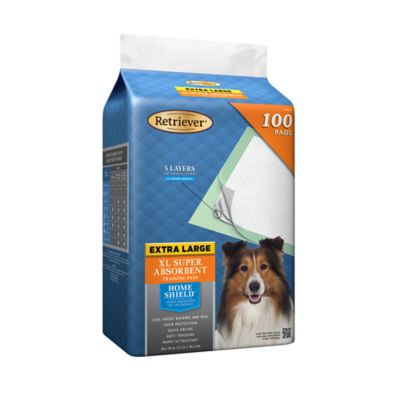
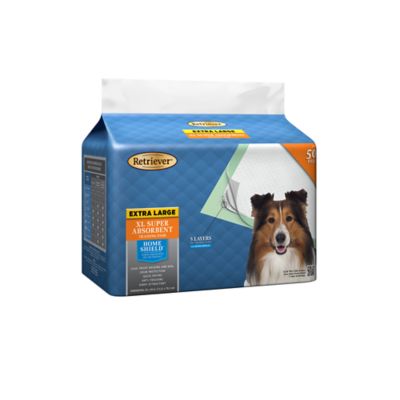
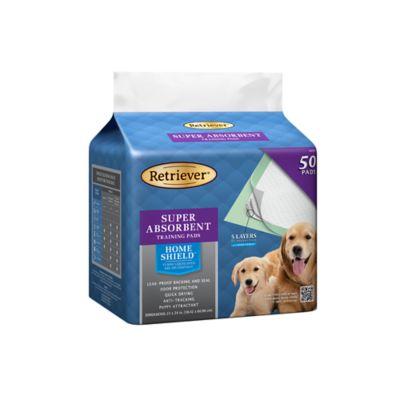
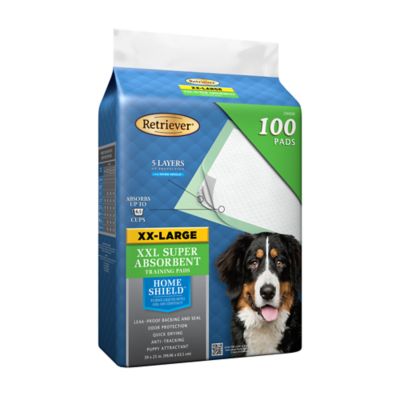
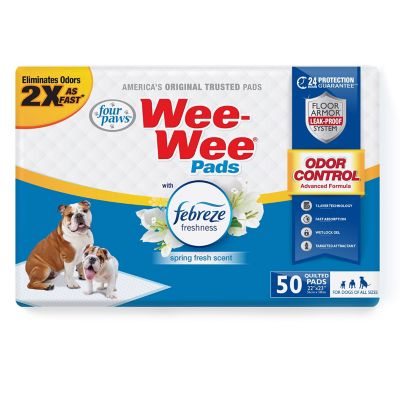
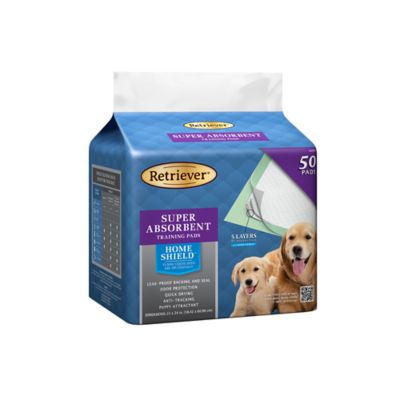
Dog housebreaking supplies help establish a designated potty spot, manage a dog’s space between breaks, and clean up accidents without leaving lingering odors behind. Common options include absorbent training pads, pad holders, indoor grass systems, crates, exercise pens, potty bells, training attractants, and enzymatic cleaners. Each serves a different purpose, whether a young puppy is learning the household routine or an adult dog is settling into a new home. For a pup who hasn’t yet connected the back door with bathroom breaks, a consistent setup makes that new routine easier to recognize. Disposable pads typically pair an absorbent center with a leak-resistant backing, while washable pads offer a fabric surface that can go through repeated laundry cycles according to their care instructions. Pad dimensions matter as much as absorbency: a dog needs enough room to step onto the surface and turn around without hanging over the edge. A holder can help keep a pad flat and contain its edges, although an eager chewer still needs supervision. Indoor potty trays and grass-style systems provide another defined bathroom area, especially for households where reaching an outdoor spot takes extra time. Artificial turf, drainage layers, and collection trays each have their own cleaning needs, so removable parts and easy-to-reach corners are worth a close look. Real-grass options have a different upkeep routine and generally need replacement rather than repeated washing. These setups can serve puppies, smaller adult dogs, or dogs whose mobility makes a trip across the yard difficult. Their usefulness depends on the dog’s size, habits, and eventual bathroom arrangement. A permanent indoor station has a different job from a pad that supports the transition to outdoor breaks. Training attractant sprays may help draw attention to the intended spot, but responses vary from dog to dog. The most practical setup is one that fits the available floor space, keeps moisture away from surrounding surfaces, and is straightforward enough to maintain day after day.
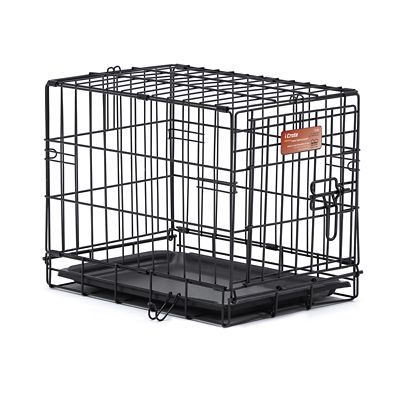
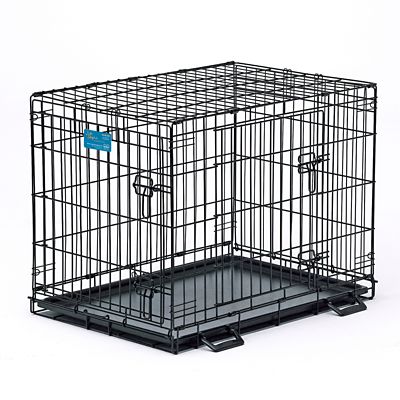
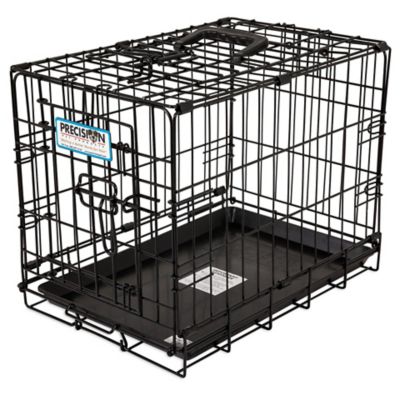
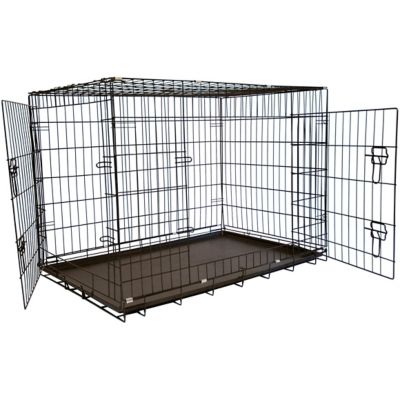
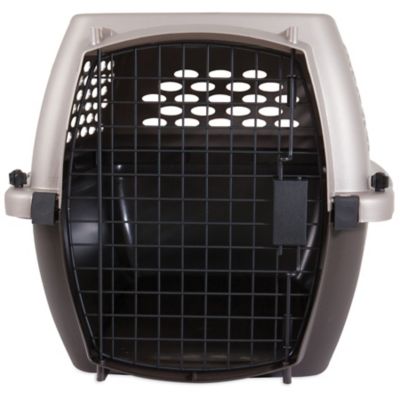
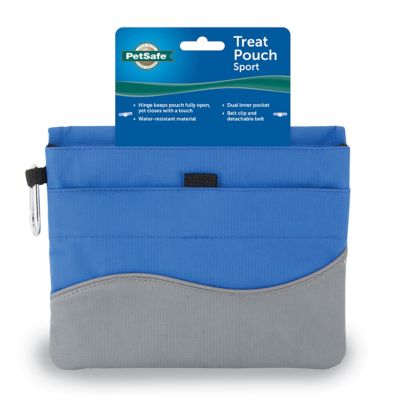
Crates, gates, and exercise pens support housebreaking by giving dogs a manageable area rather than the run of every room. Many dogs prefer to keep their resting space separate from their bathroom area, but confinement alone doesn’t teach a routine or replace regular potty breaks. Crate fit should allow a dog to stand naturally, turn around, and lie down comfortably. For a growing puppy, an adjustable divider can help maintain suitable sleeping space as the dog gets bigger. Wire construction offers visibility and airflow, while molded plastic creates a more enclosed resting area; either style needs secure latches, smooth edges, and a base that is easy to clean. Removable trays can make small messes easier to handle, and bedding should match the dog’s chewing habits as well as the washing routine. Exercise pens offer room for supervised play and can separate a resting area from an indoor potty station when that arrangement suits the household. Height, panel spacing, and overall stability deserve attention, particularly with a lanky puppy who climbs or a small dog who can squeeze through narrow openings. Gates help keep a dog near the people watching for early signals, instead of slipping down the hall to a spare bedroom. Around a busy farmhouse kitchen or a small mudroom, the placement of a gate or pen matters: people still need a clear path, and the dog needs a calm spot away from constant foot traffic. Potty bells and other door signals add a way for dogs to ask for an outdoor trip once they learn the connection. Hanging bells should sit within comfortable reach of a nose or paw without creating a loose loop that could catch on the dog. Stable floor buttons offer a different format. Neither option is an instant fix, but both can support communication. Small training treats and a convenient treat pouch also make it easier to reward a successful outdoor break promptly, rather than waiting until the dog has wandered back toward the porch.
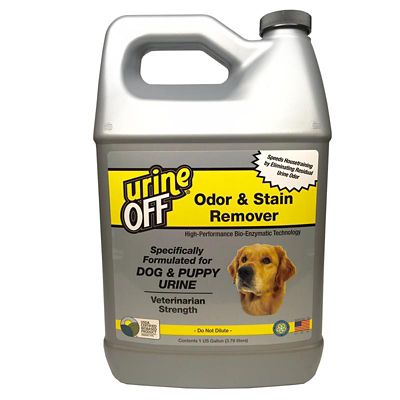
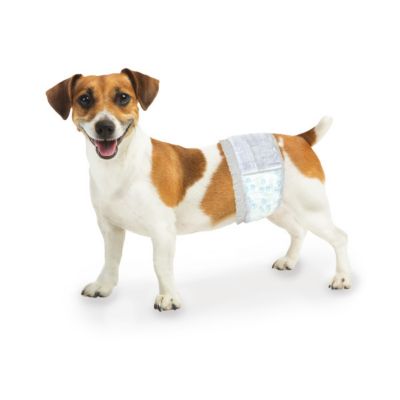
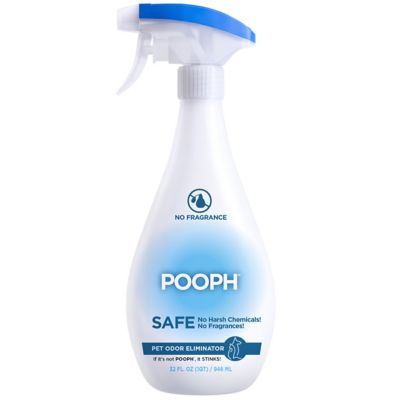
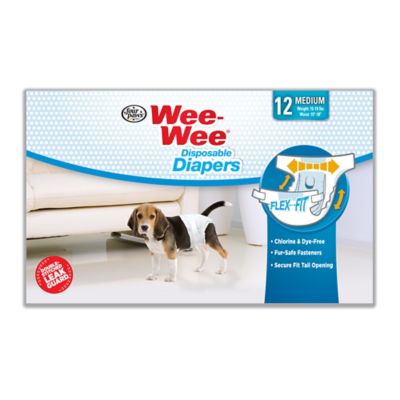
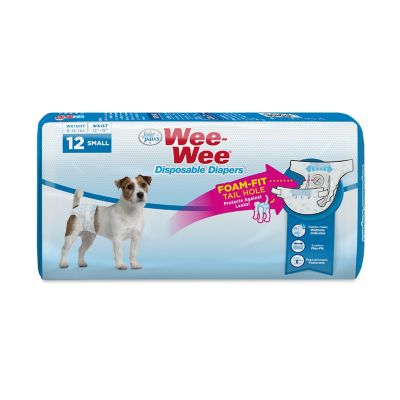
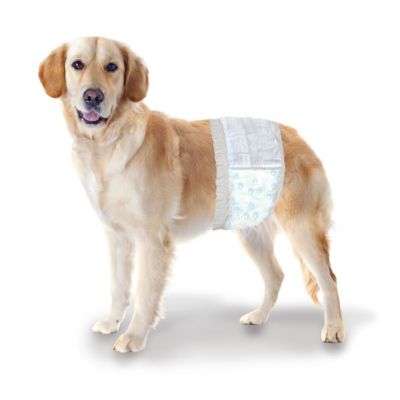
Accident cleanup is another big part of choosing dog potty training supplies, especially on rugs, along baseboards, and around the edges of a crate tray. Enzymatic cleaners are formulated to break down organic residues associated with urine and other pet messes rather than simply cover the smell with fragrance. That distinction matters because lingering scent can draw a dog back to the same spot. Surface compatibility, application directions, and contact time vary, so a cleaner meant for carpet may not suit unfinished wood or every type of sealed flooring. A small test in an out-of-the-way area helps check for changes in color or finish. For washable pads, bedding, and removable turf, care directions also help determine which cleaning agents and laundry settings are appropriate. Easy-clean surfaces and accessible tray seams make a difference when a mess happens just before chores or after everyone has settled down for the evening. Waste bags and scoops round out the routine outdoors, keeping the designated bathroom area easier to maintain and more pleasant to walk through. For indoor supplies, storage matters, too: fresh pads, cleanup towels, and sealed cleaning bottles belong somewhere handy for people but out of reach of curious mouths. Washable dog diapers and belly bands may help contain certain messes, though they aren’t a substitute for housebreaking or veterinary attention when accidents start unexpectedly. Their fit should be snug without rubbing, with frequent changes and clean, dry skin underneath. Housebreaking equipment also has a place beyond the first weeks with a puppy. An adopted adult dog may need help learning a different layout, while travel can interrupt familiar bathroom cues. For dogs heading to competitions,
Dog Show Supplies can complement a travel setup that already includes familiar potty and cleanup essentials. Whether the routine centers on a yard beside the house or a designated indoor station, well-matched supplies help keep sleeping spaces comfortable, cleanup manageable, and bathroom expectations consistent.