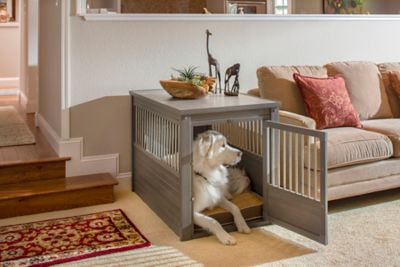
Travel dog crates give dogs a familiar, contained place to ride, rest, and settle down when the road leads away from home. They can be useful for everything from a short trip to the feed store or a weekend at the lake to longer drives for camping, visiting family, moving, or veterinary appointments. A good crate helps keep a dog from climbing across the seats, distracting the driver, or slipping out when a door opens at a fuel stop. It also gives your dog a little piece of home in an unfamiliar place. Many dogs relax more easily when they can curl up on bedding that smells like their own house, especially after a busy day of new sights and sounds. Travel crates can also be a thoughtful gift for a new puppy owner, an outdoorsy friend who takes a dog along on every trip, or a family preparing for a move. If you are comparing crate styles for everyday use as well as travel, an
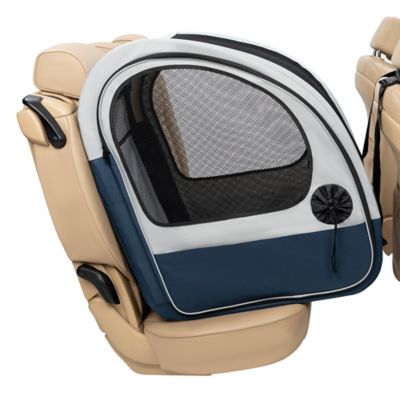
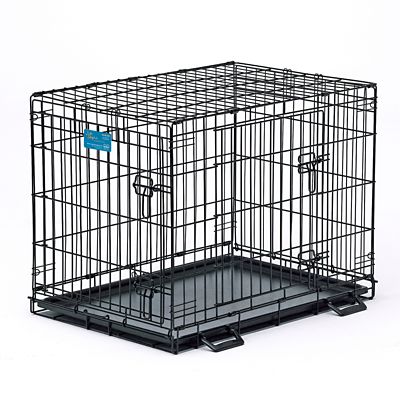
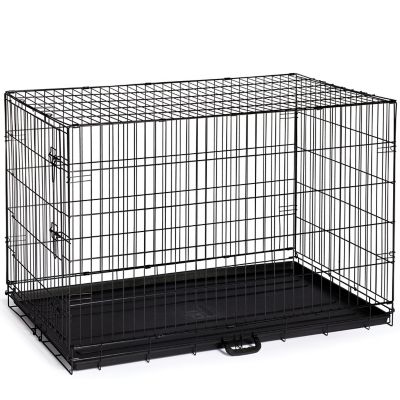
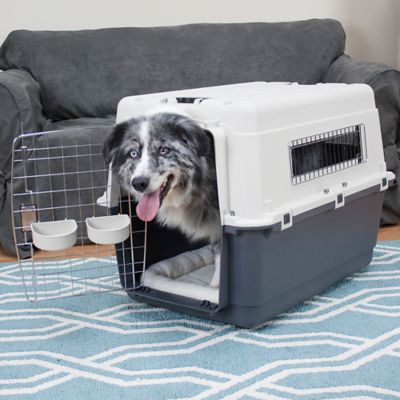
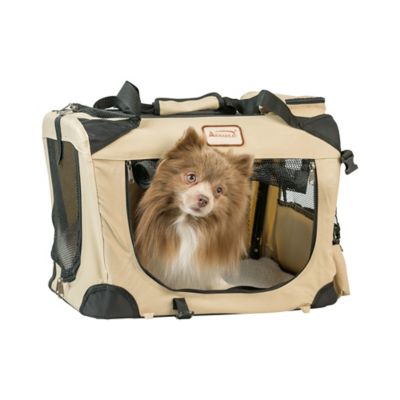
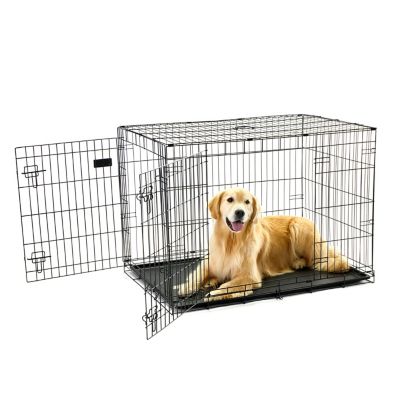
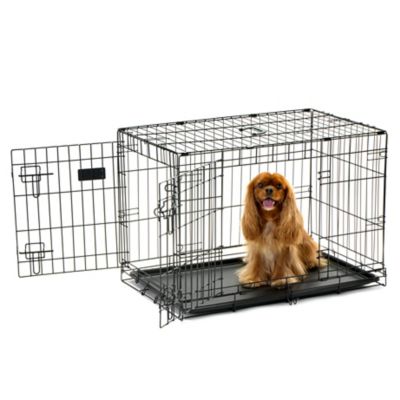
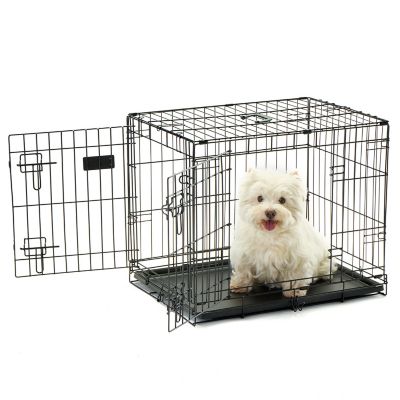
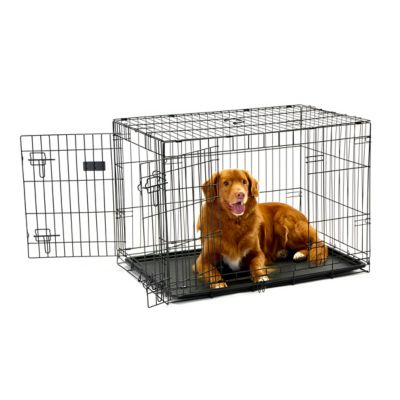
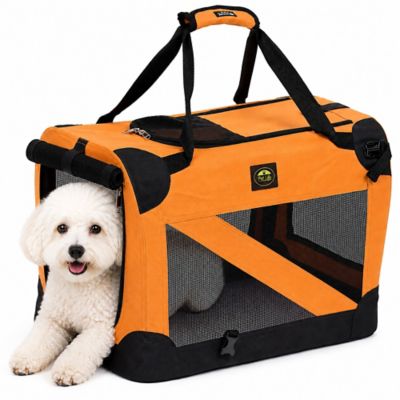
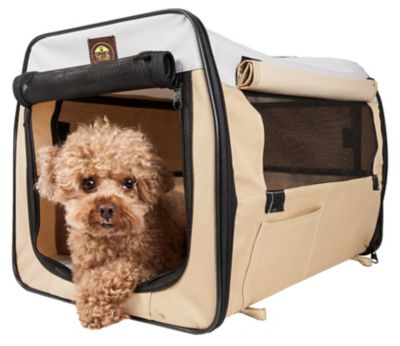
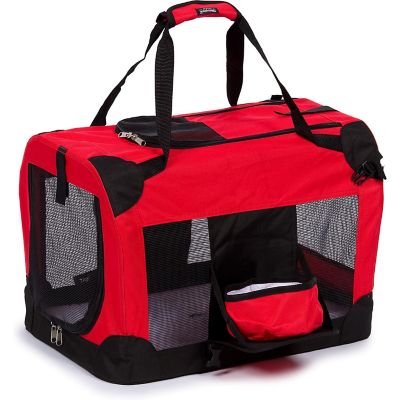
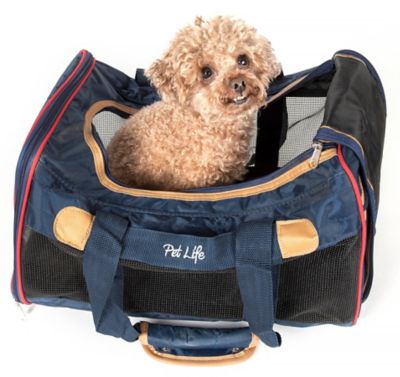
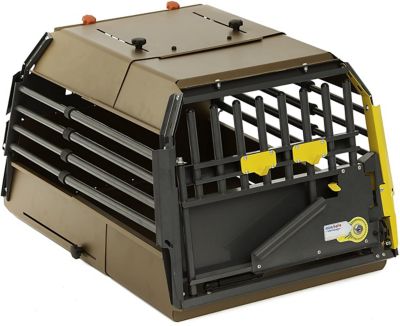
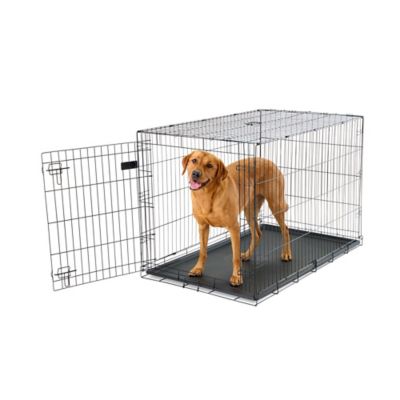
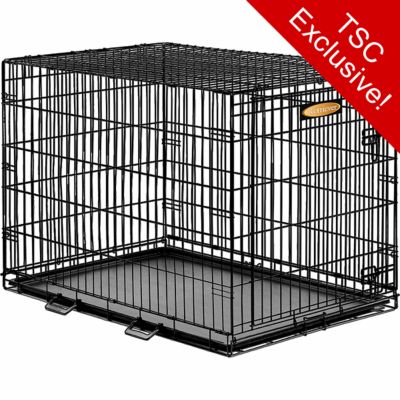
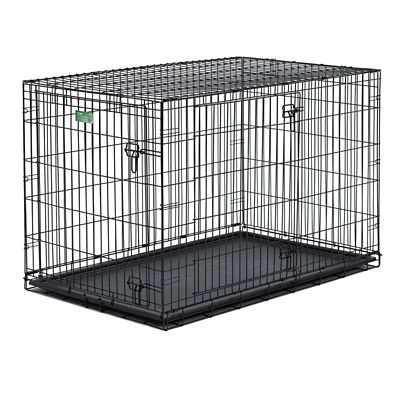
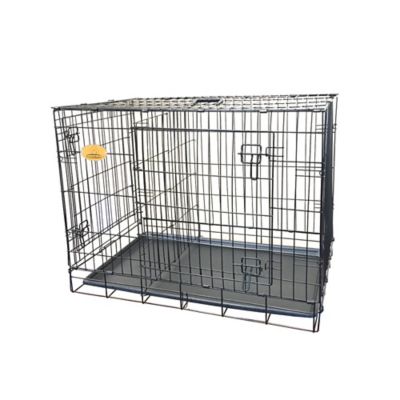
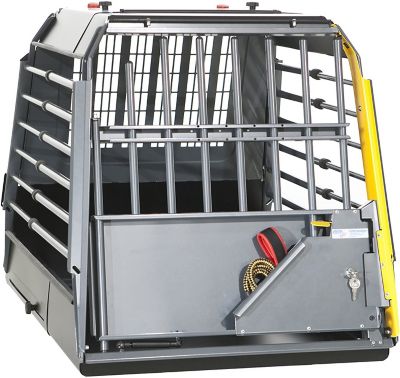
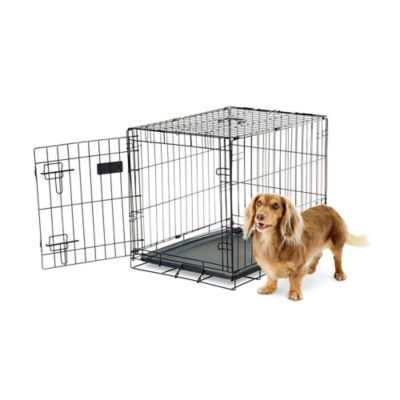
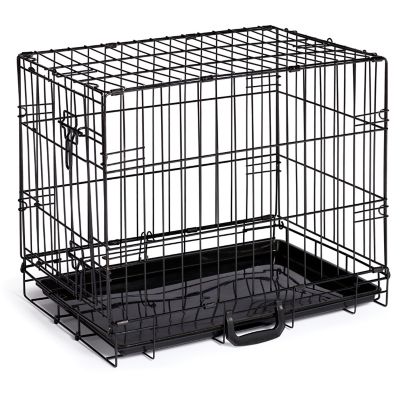
Best Adjustable Dog Crate may also be worth considering. For travel, start with the type of trip and your dog’s habits. Hard-sided plastic crates are a dependable choice for car rides, are generally simple to wipe clean, and provide a solid barrier around the dog. Wire crates allow plenty of airflow and visibility, while soft-sided fabric crates are lightweight and convenient for calm dogs who do not chew, scratch, or push at the mesh. Some travel crates fold down for storage, pop open with minimal setup, or include carrying handles that make them handy when moving between the house, vehicle, campsite, and lodging. A crate that works well for a quiet senior dog may not be the right fit for a young dog who treats every zipper and corner like a chew toy, so choose construction with your individual dog in mind.
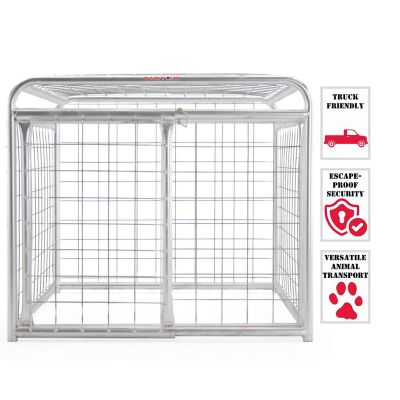
Getting the size right matters just as much as choosing the material. Before shopping, measure your dog from the tip of the nose to the base of the tail, then measure from the floor to the top of the head or ears while standing. The crate should give your dog room to stand naturally, turn around, and lie down comfortably without leaving so much extra space that the dog is tossed around during a sudden stop. Puppies need special attention because they grow quickly; a crate with a divider or an adjustable interior can provide useful room as they mature. Avoid using a crate that is too small for a full-grown dog, and do not rely on breed labels alone since dogs of the same breed can vary a great deal in height and build. For vehicle travel, place the crate where it can stay level and secure it according to the crate and vehicle manufacturer’s directions. It should not slide across the cargo area or shift into the back of a seat during hard braking. Hard-sided crates are often preferred for vehicle use because they hold their shape, but every setup depends on proper placement and secure fastening. Keep the crate away from loose tools, feed bags, coolers, and other items that could tumble into it. Never leave a dog unattended in a parked vehicle, since temperatures inside can become dangerous even when the weather outside feels mild. During cooler months, a washable pad or familiar blanket can add comfort, but leave enough ventilation around the crate and avoid bulky bedding that could restrict airflow. A light cover over part of the crate may help some dogs settle, while others prefer a clear view of the road and their people. Watch your dog’s behavior and adjust the setup based on panting, restlessness, drooling, or signs of stress.
Air travel calls for extra planning and stricter requirements than a trip by car. If a dog will fly, check the airline’s current rules before buying a crate, because requirements can vary by airline, route, aircraft, and whether the dog travels in the cabin or as cargo. The crate may need to meet International Air Transport Association, or IATA, standards and specific rules for size, ventilation, door construction, fasteners, food and water dishes, and identification. Airline approval should never be assumed from a general product description; confirm the exact requirements with the carrier before travel. The crate must still allow the dog to stand, turn around, and lie down in a natural position, and an airline may reject a crate that is too small even if it fits the dog at home. Let your dog practice well before departure by leaving the crate open in the house, placing treats or meals nearby, and gradually building up time inside. Short practice rides can help a dog get used to engine noise, turns, and the motion of the vehicle. Add identification with your name and phone number, and carry vaccination records, medications, waste bags, a leash, water, and a small portion of familiar food. After muddy trail walks, rainy drives, or an unexpected bout of carsickness, easy-clean surfaces can save a lot of hassle; removable trays and washable liners are especially useful. Look for sturdy latches, secure doors, smooth edges, dependable ventilation, and handles that feel comfortable in your hands. With the right fit and a little practice, a travel dog crate becomes more than a piece of gear—it becomes a steady, familiar spot that helps your dog ride safely and settle in wherever the next road takes you.