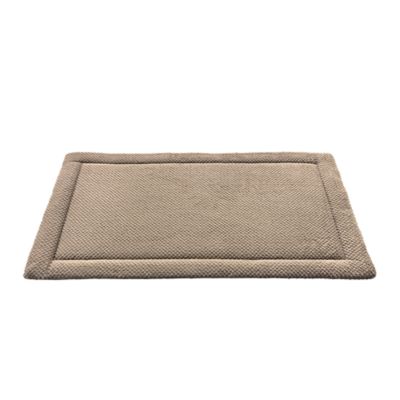
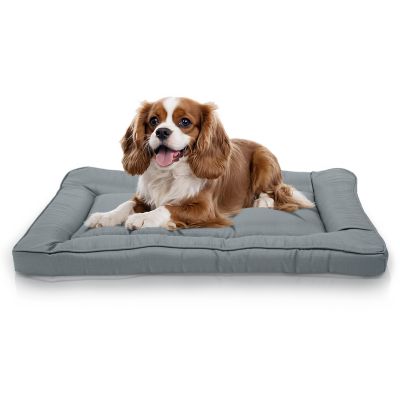
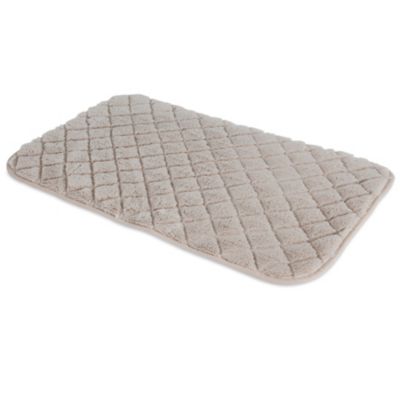
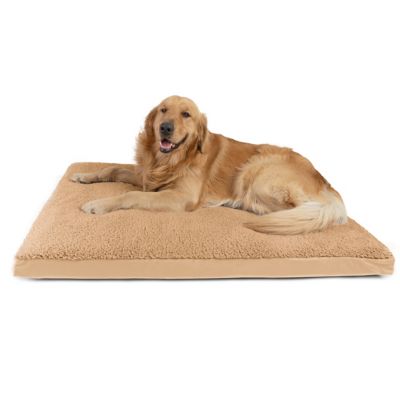
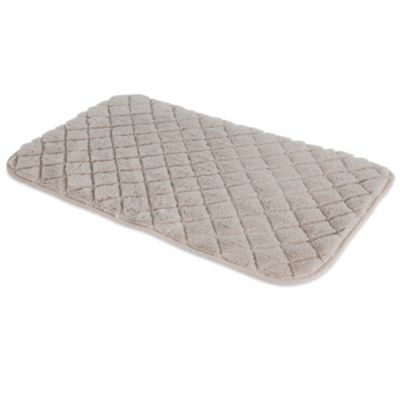
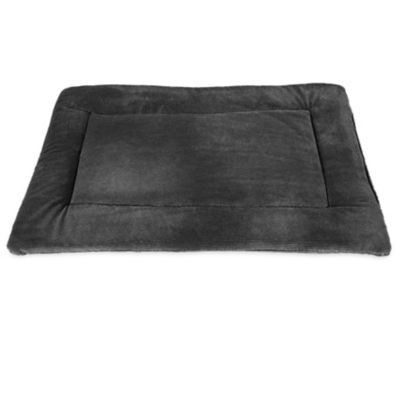
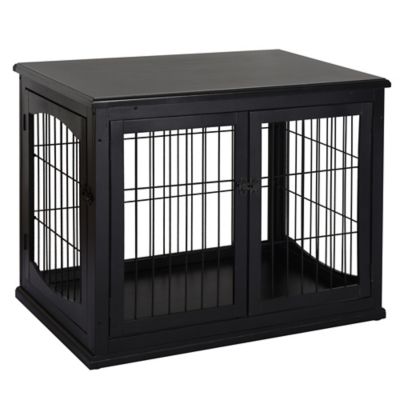
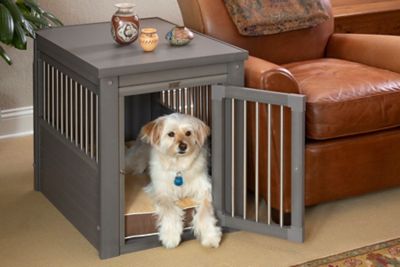
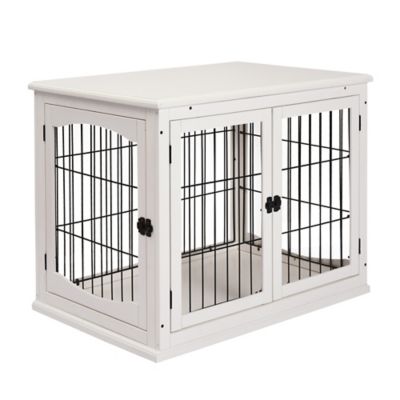
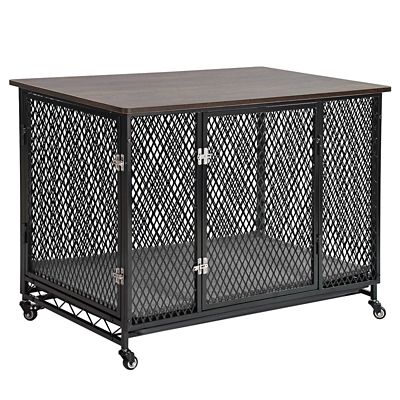
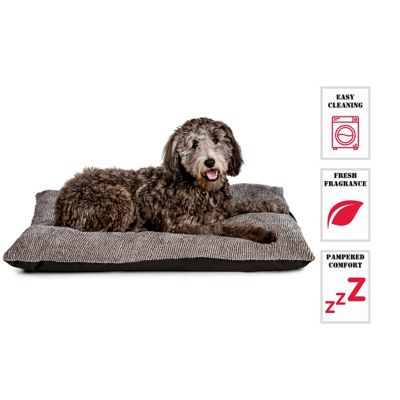
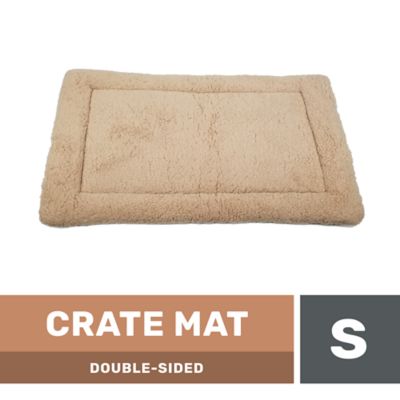
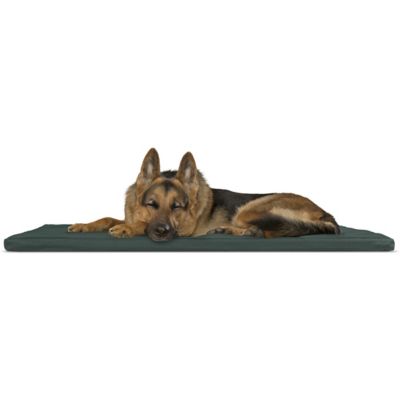
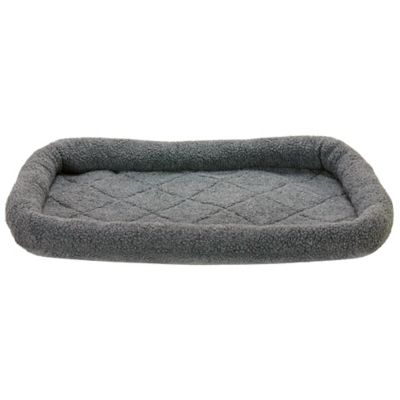
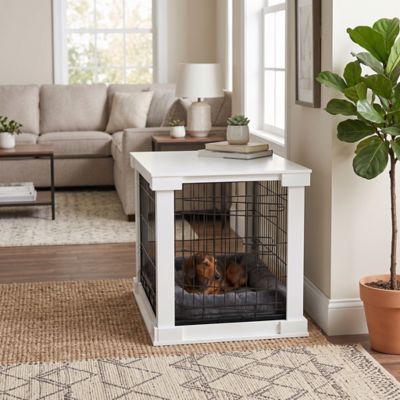
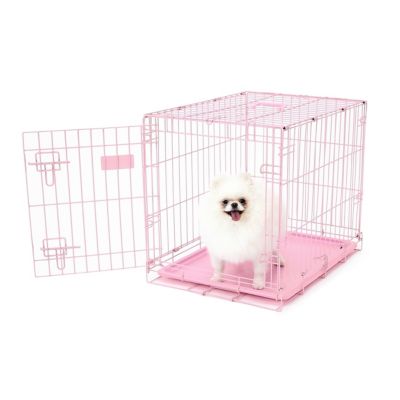
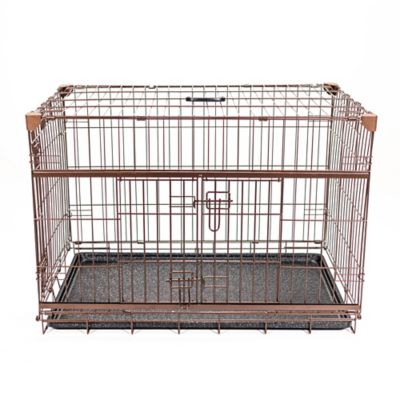
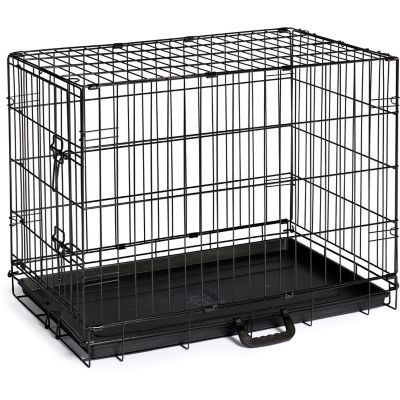
Pet crate accessories help make a pet’s resting space more comfortable, protect nearby floors and make everyday cleanup less of a chore. Crate mats, bedding, covers, liners, replacement pans and compatible attachments serve different purposes, from adding cushioning to keeping a water spill contained. The right setup depends on the crate’s construction, the pet’s size and habits, and where the crate sits in the home. A puppy learning the household routine has different needs from an older dog that likes a little extra padding after a walk around the property. Washable bedding can make sense for a pet prone to accidents, while a low-profile mat may suit a dog that prefers a firmer sleeping surface. Foam provides cushioning, polyester fill adds loft, and fleece or woven fabric changes how the surface feels against a pet’s coat. No fabric is a good match for every chewer, though, and loose stuffing or torn edges can become a swallowing hazard. Fit matters just as much as feel. Interior floor measurements are more helpful than a crate’s general size label, since frames, tray edges and door openings can reduce usable space. A mat should lie flat without bunching against the walls or interfering with the latch, and bedding should leave enough room for the animal to stand, turn around and stretch out naturally. Thick padding takes up more space than a thin liner, which matters in a crate that already fits closely. Removable covers, securely finished seams and care instructions that match the household laundry routine are practical details worth considering. For a dog that tracks in dirt from the yard, an easy-to-remove cover can keep a small mess from turning into a full bedding wash. For a cat resting in a suitable crate or carrier, a familiar, well-fitting pad may provide a comfortable surface without crowding the enclosure.
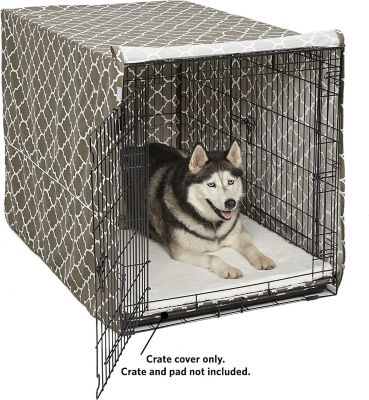
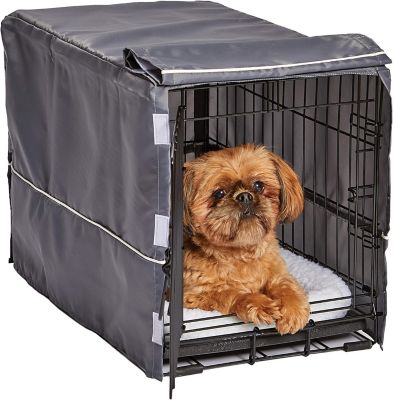
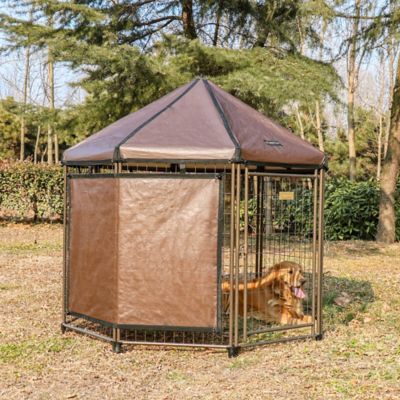
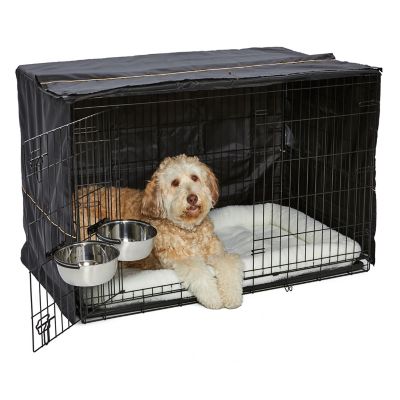
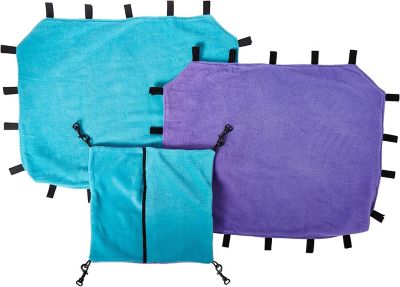
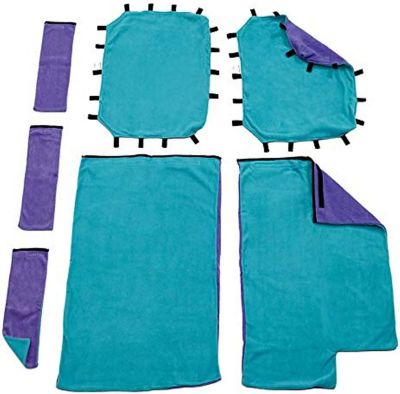
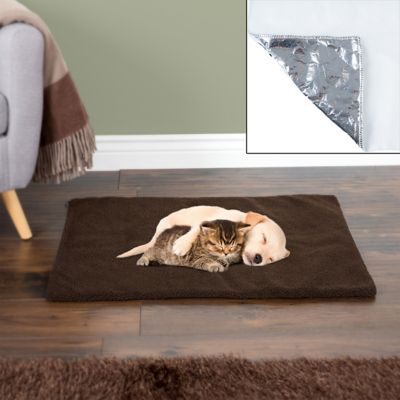
Crate covers and floor protection handle another side of the daily routine. A cover can soften light and limit visual distractions for a pet that settles better with less activity in view, but it should never block airflow or keep someone from checking on the animal. Some covers have panels that roll or fold back, allowing access to doors while leaving other sides covered. Door placement matters here: a cover intended for a single front opening may not work well with a crate that also opens from the side. Fabric weight, panel construction and fastening placement all affect how a cover hangs, and loose material should stay beyond the reach of a pet likely to pull it through the bars. A cover is not a substitute for helping a pet become comfortable with the crate, and an animal that paws at fabric or seems unsettled may do better without one. Underfoot, absorbent liners, moisture-resistant layers and replacement pans serve different jobs. An absorbent surface takes in moisture, while a waterproof backing is intended to keep it from passing through; those features are not interchangeable. Seams, edges and care requirements also matter when containing spills. A floor mat beneath the crate can help guard against scuffs and drips, but it should lie flat and suit the flooring underneath. Replacement pans need a closer fit than a general-purpose mat. The crate model, tray length and width, edge height and retaining mechanism all affect whether a pan slides into place properly. Plastic and metal pans have different weights and cleaning needs, and either should be checked for cracks, sharp edges or damage before a pet steps inside. Regular washing keeps hair, crumbs and lingering messes from building up. Fabric pieces need care according to their labels, while hard surfaces should be cleaned with a pet-appropriate product and dried before bedding goes back in. Keeping a second washable layer ready can make the laundry routine simpler without leaving a pet’s resting spot damp.
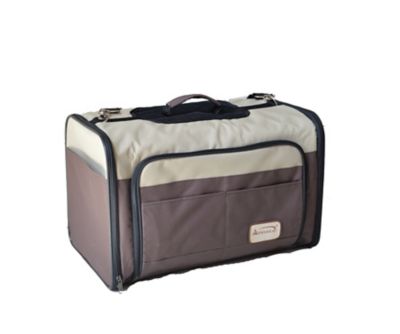
Everyday convenience often comes down to the smaller details of a crate setup. Compatible bowl attachments can help keep food or water off the floor, though the mounting point, bowl height and door clearance need to suit both the enclosure and the animal. A bowl should sit where a pet can reach it comfortably without catching a paw on the bracket, and all fastening parts should remain secure and out of chewing reach. Loose hardware, exposed edges and attachments that obstruct an exit have no place in a resting space. Replacement clips, latches and other crate hardware also need to match the original frame and mechanism rather than merely look close. An accessory cannot make an undersized crate roomy or fix a bent frame, so the enclosure itself remains the starting point. For households that take pets along on road trips or visits with family, accessories for
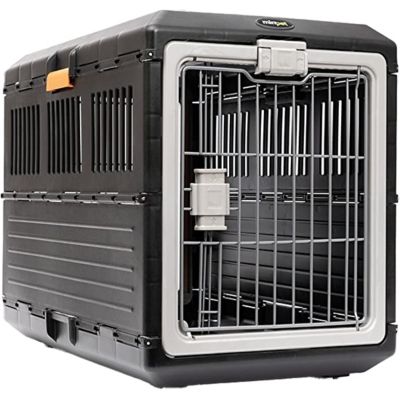
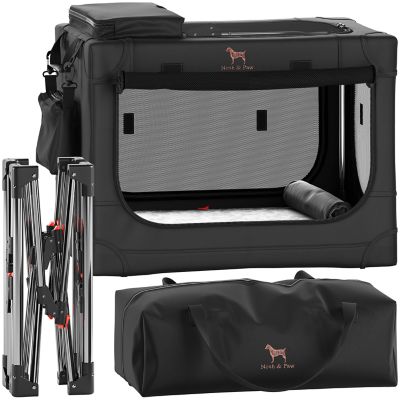
Travel Dog Crates bring a few more fit considerations into play. Bedding should stay flat during loading, attachments should not interfere with carrying handles or closures, and any cover must preserve ventilation and access. A familiar washable pad may help carry a little of the home routine along, but padding and covers do not replace the restraint or installation measures specified for the crate and vehicle. At home, a thoughtful arrangement also leaves room to sweep around the enclosure, remove the pan and open each door fully. That matters when the crate sits beside a mudroom bench, near the kitchen or in another busy spot where chores and pet care overlap. Accessories work best as part of a routine that includes exercise, bathroom breaks, fresh water and time with the household, rather than as a reason to leave a pet confined longer. With suitable materials, a proper fit and straightforward care, crate accessories can make a familiar resting place easier to maintain for both pets and the folks looking after them.