Diecast Farm Tractors for Collectors

Bring a little farm history to the shelf with diecast tractors from Tractor Supply. From Kubota replicas to John Deere tractors and ERTL pullers, find a model that reminds you of the machines you know and love. Compare scales, materials and details to pick your first tractor, add to a growing collection or find a gift for a farm machinery fan.
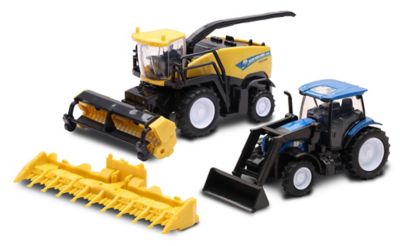
New Holland Die-Cast Harvester Toy Set, Ages 5+
New Holland New Holland Die-Cast Harvester Toy Set, Ages 5+
A multi-colored die cast farm vehicle set featuring movable loader, harvester, and tractor for imaginative play.
(2)
$15.99 $12.79
SALE
$15.99 $12.79
SALE
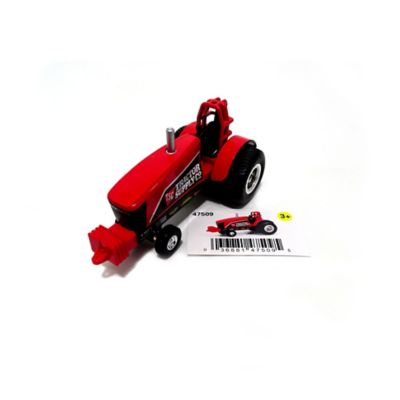
ERTL Collect N Play 1/64 Scale TSC Puller Tractor Toy
ERTL ERTL Collect N Play 1/64 Scale TSC Puller Tractor Toy
A red diecast and plastic 1:64 tractor perfect for collectors and farm enthusiasts.
(2)
$5.99 $5.99
SALE
$5.99 $5.99
SALE
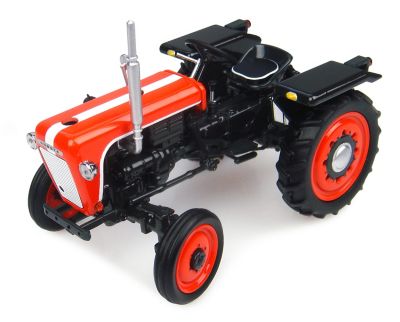
UNIVERSAL HOBBIES Kubota T15 (1960) Tractor, Diecast Replica, 1:32 Scale
UNIVERSAL HOBBIES UNIVERSAL HOBBIES Kubota T15 (1960) Tractor, Diecast Replica, 1:32 Scale
A 1:32 scale diecast replica of the Kubota T15 (1960) tractor, featuring 81 parts and Tampo Printing operations.
(2)
$32.99 $32.99
SALE
$32.99 $32.99
SALE
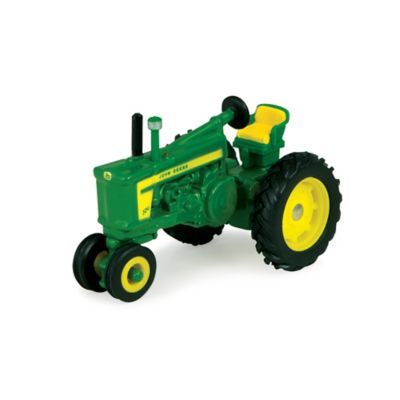
John Deere Vintage 820 Tractor Toy, Ages 3+, 1:64 Scale
John Deere John Deere Vintage 820 Tractor Toy, Ages 3+, 1:64 Scale
A durable plastic John Deere Vintage Tractor Toy with authentic details, perfect for ages 3+.
(11)
$5.99 $5.99
SALE
$5.99 $5.99
SALE
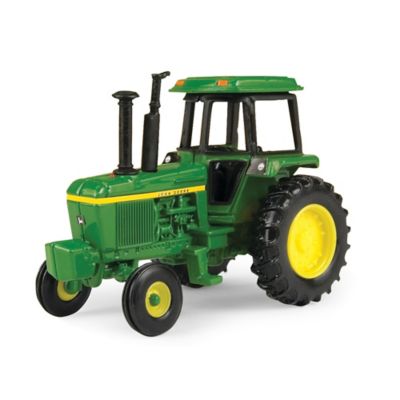
John Deere Sound-Gard Tractor Toy, Ages 3+, 1/64 Scale
John Deere John Deere Sound-Gard Tractor Toy, Ages 3+, 1/64 Scale
A durable John Deere tractor toy with authentic details, perfect for toy collectors or children ages 3 and up.
(7)
$5.99 $5.99
SALE
$5.99 $5.99
SALE
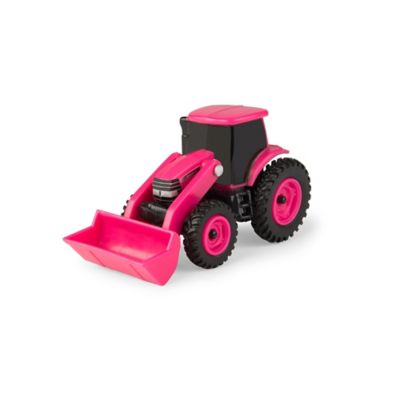
TOMY Case IH Pink Tractor with Loader Toy, Ages 3+, 1:64 Scale
TOMY TOMY Case IH Pink Tractor with Loader Toy, Ages 3+, 1:64 Scale
A bright pink toy tractor with a working loader, made of durable plastic and die-cast chassis.
(2)
$5.99 $5.99
SALE
$5.99 $5.99
SALE
Diecast farm tractors for collectors bring the working history of agriculture down to shelf size, with familiar shapes that can call to mind a family farm, a first job running equipment, or a tractor that stayed in the shed for generations. Common scales include 1:16, 1:32, and 1:64, giving collectors several ways to balance detail with display space. In a 1:16 scale model, each measurement represents one-sixteenth of the corresponding measurement on the full-size tractor. These larger replicas generally leave more room to appreciate engine housings, operator platforms, wheel weights, and the shape of a familiar hood. A 1:64 scale tractor takes up much less space, making that size a practical fit for collections with several machines, miniature farmyards, or rows of equipment arranged beside a small barn. The 1:32 scale falls between those sizes and can suit collectors who want a substantial model without giving over an entire shelf. Scale describes proportion rather than a fixed length, so two tractors in the same scale can have noticeably different footprints when their full-size counterparts differ in size. Overall dimensions still matter, especially with wide dual wheels, tall exhaust stacks, or long front weights. Keeping tractors and accompanying equipment in the same scale helps a farm scene look natural, though the proportions of buildings and fences matter, too. The appeal goes beyond size. Narrow-front row-crop tractors, broad-shouldered utility machines, open operator stations, enclosed cabs, articulated frames, and tracked designs each reflect a different chapter of farm work. Some collectors follow the machines they remember cultivating with; others enjoy seeing how tractor design changed as farms and implements grew. A small lineup can tell that story clearly, from a simple exposed seat and steering wheel to a cab filled with molded controls. For a collector with a particular farming connection, the right stance, wheel arrangement, and body shape may carry more meaning than an elaborate display.

The construction of diecast tractor models combines a cast-metal body or chassis with other materials suited to smaller parts. Zinc alloy is common in diecast construction, while plastic may appear in cabs, fenders, interior pieces, or finely shaped components. Tires may be rubber, another flexible material, or molded plastic, depending on the model. A metal body gives a replica a satisfying heft, but weight alone does not tell the whole story about its detail or suitability for handling. Crisp castings, even paint coverage, neatly applied markings, and well-fitted parts all contribute to the finished appearance. Small touches such as axle housings, hydraulic lines, textured steps, grille openings, and seat shapes can make a familiar machine recognizable from across a room. Features vary: some collector tractors have steerable front wheels, rotating tires, opening panels, or a movable hitch, while others keep delicate components fixed for display. Working features add interest when handled gently, but tiny steering linkages and hitch pins are not built for the strain a full-size tractor takes in the field. Scale also does not guarantee that a miniature tractor will connect to every implement marked with the same ratio. Hitch style, pin size, drawbar height, and clearance around the rear tires can all affect how a pairing sits together. That matters when the plan is to display a tractor with a wagon or field implement rather than standing alone. Collector replicas and play-oriented farm toys can look similar in photographs, yet their intended uses may be quite different. Fine mirrors, slender exhaust pipes, removable weights, and small attachments can be vulnerable to rough handling and may present choking hazards. Manufacturer age recommendations and safety information are especially important when a tractor is headed to a child rather than an adult’s display case. For a family that enjoys farm toys together, separating hands-on play pieces from shelf models helps preserve those small details without taking the fun out of either.

A collection does not need to fill a room to feel connected to farm life. Three tractors arranged by era, several machines with the same wheel configuration, or a lineup reflecting the equipment from a family operation can make a satisfying display. Smaller scales work well where space is tight, while a larger tractor can stand on its own beside a framed farm photograph. Shelf depth deserves as much attention as shelf length: rear duals, loaders, and protruding hitches need clearance, and a stable surface keeps wheels from hanging near an edge. Enclosed cases help limit dust around cab interiors and intricate chassis parts. For routine care, a soft brush can lift dust from tire tread and recessed areas, while a clean, soft cloth works for accessible body panels. Strong cleaners, abrasive pads, and soaking can harm finishes, markings, or components. Handling a model by its solid chassis or body, rather than its exhaust stack, mirrors, or cab roof, puts less pressure on fragile parts. Original packaging can also help protect a tractor between displays, provided loose accessories stay secured and painted surfaces do not rub against rough packing material. Keeping the box, model information, and any included documentation together makes the collection easier to organize. Diecast farm tractors can be thoughtful gifts for farmers, equipment enthusiasts, agricultural students, or someone marking a retirement after years around machinery. A connection to the recipient’s farming experience often matters more than the size of the replica. Collectors who enjoy building a wider farmyard scene can also explore Die Cast Toy Vehicles as their interests extend beyond tractors. Whether the collection follows farming history or memories from one stretch of ground, these small machines keep familiar details close at hand.

FAQ

Back to top