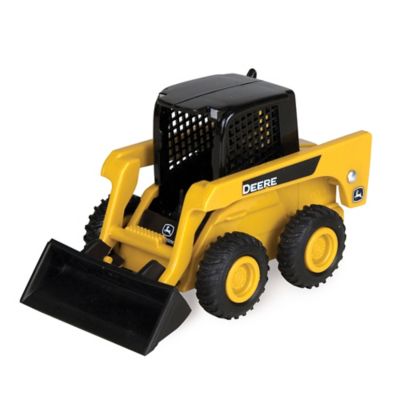
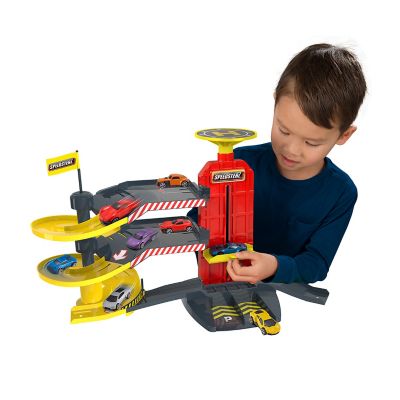
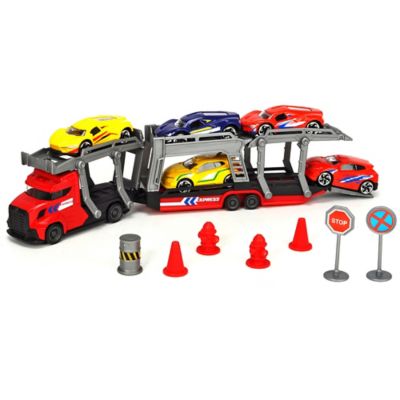
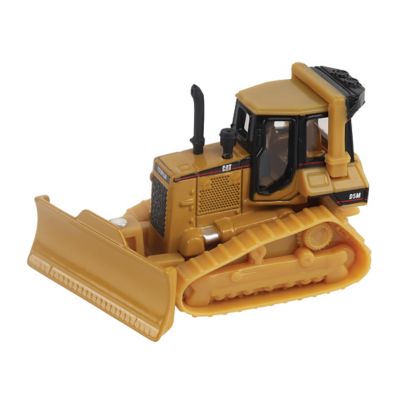
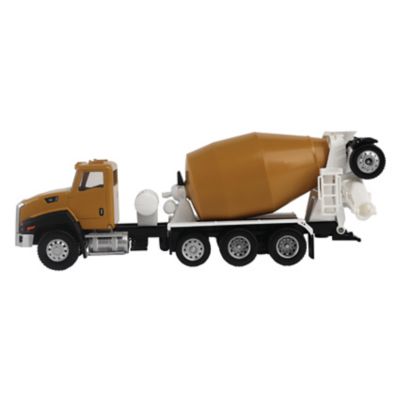
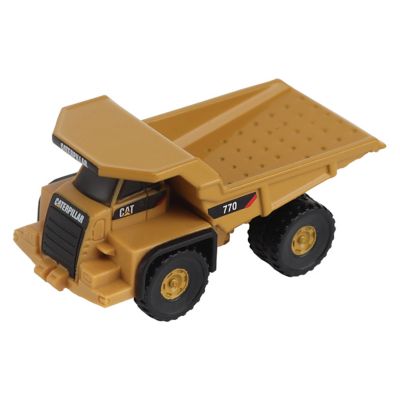
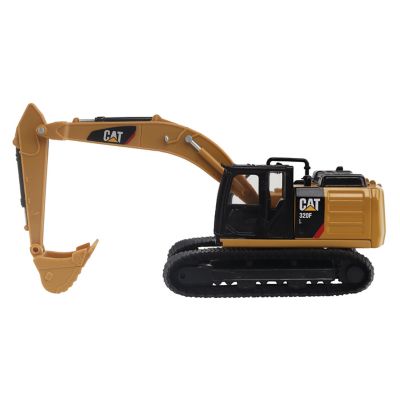
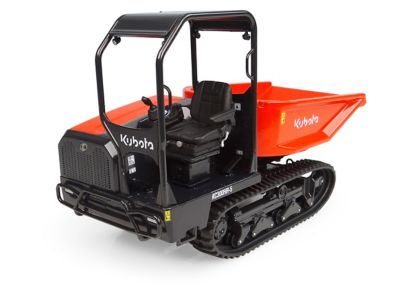
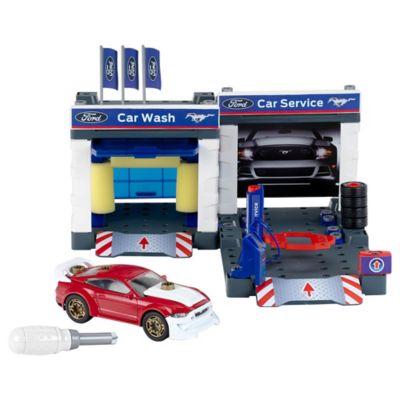
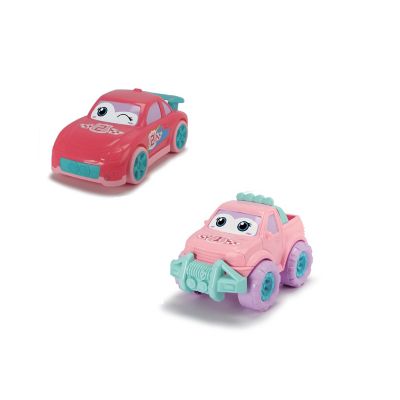
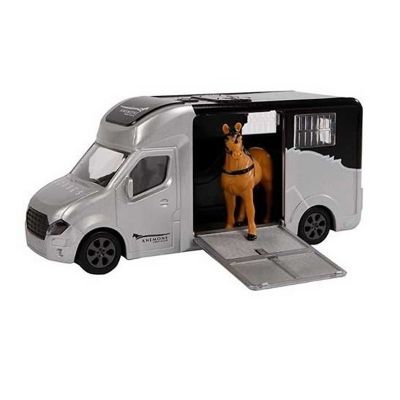
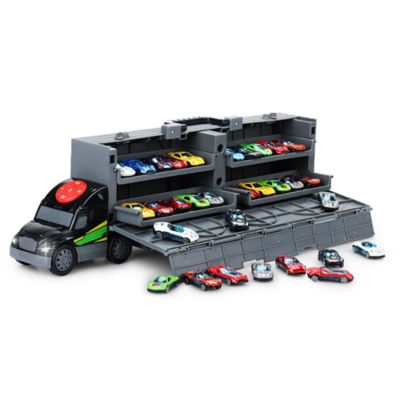
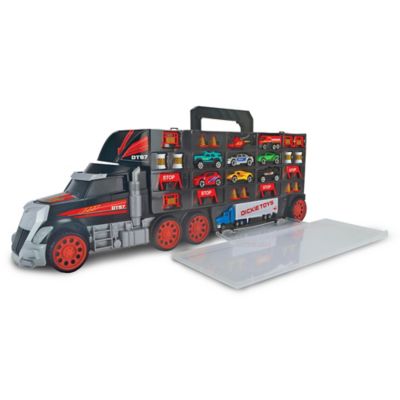
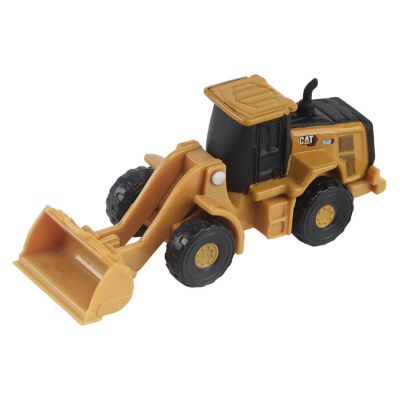
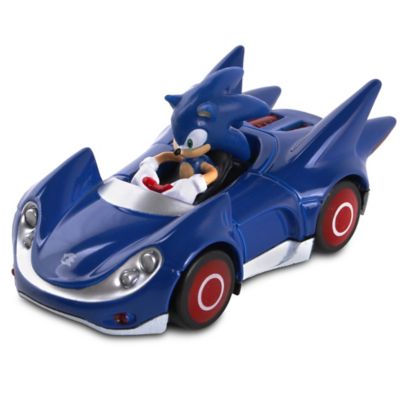
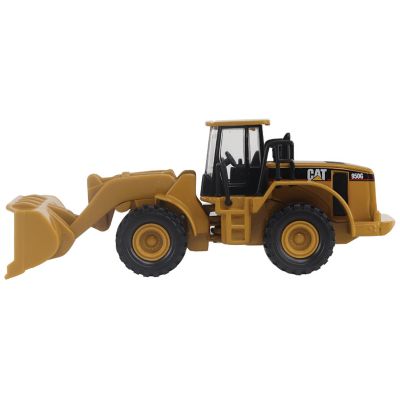
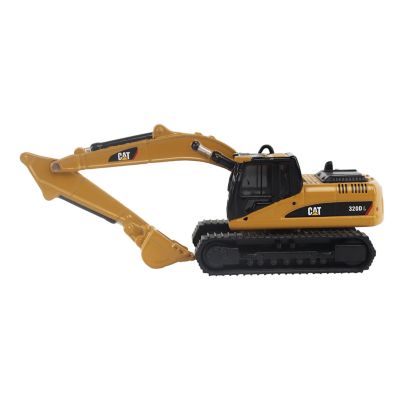
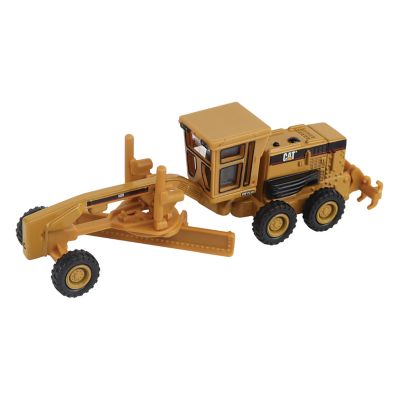
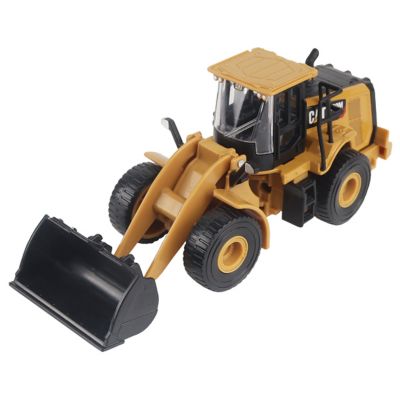
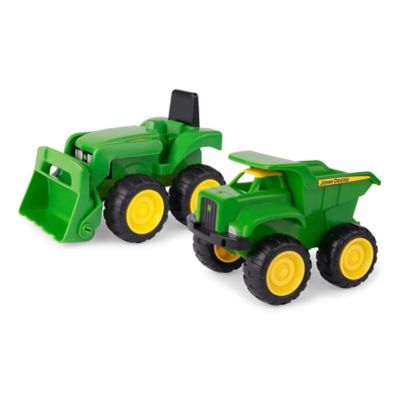
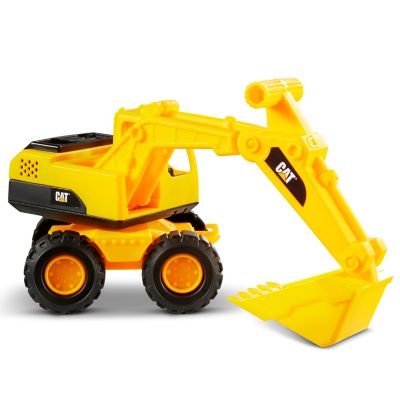
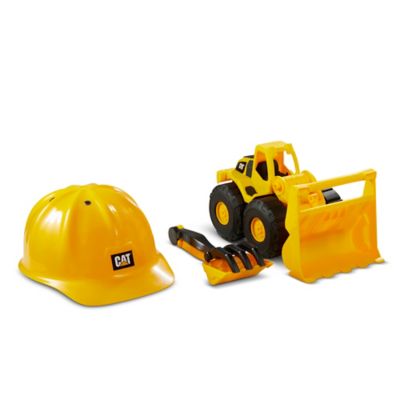
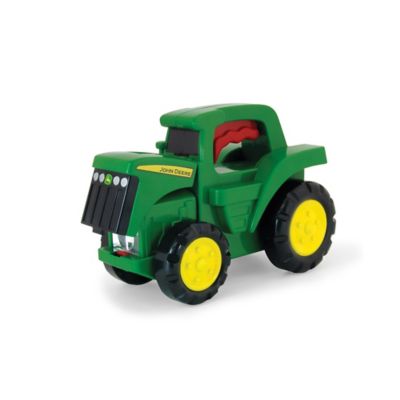
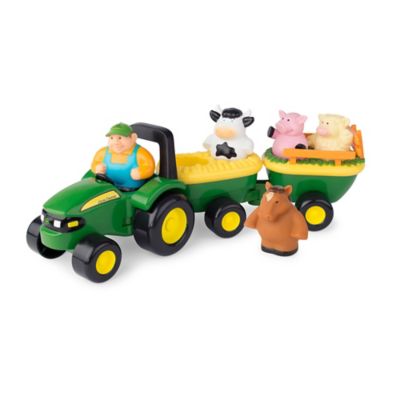
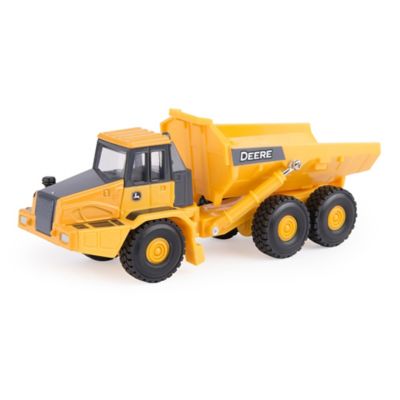
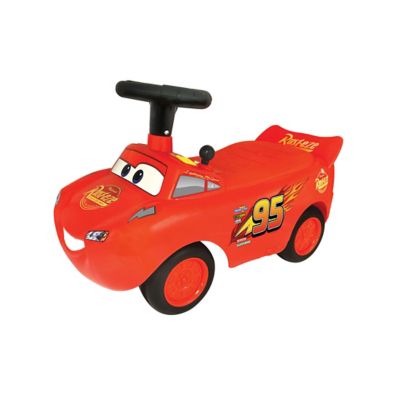
Die cast toy vehicles bring a little bit of the farm, garage, road and racetrack into a child’s hands. Made with metal bodies and sturdy details, these small vehicles can stand up to plenty of everyday play while still offering the realistic look that makes them fun to collect. A child may line them up along the edge of a sandbox, send them down a cardboard ramp in the living room, or park them beside a toy barn after a busy afternoon hauling pretend supplies. Older kids often enjoy studying the details, comparing shapes and colors, and building a collection around the kinds of vehicles they see around home. When choosing from a selection of die cast toy vehicles, start with the child’s age and play style. Look for age guidance on the package, especially when small parts, removable pieces or moving accessories are included. Younger children generally do best with larger, easy-to-hold vehicles and simple designs, while older kids may appreciate opening doors, rolling wheels, working hitches, detailed interiors or accessories that add more ways to play. Smooth-rolling wheels matter for floor and tabletop play, and a solid feel can make a toy more satisfying to carry from one adventure to the next. It also helps to consider where the vehicle will be used. A detailed model may be just right for a shelf or collection, while a sturdier toy with fewer delicate parts can be a better fit for outdoor play, a busy playroom or a child who likes to put toys through their paces.
These toys make thoughtful gifts for children who are drawn to trucks, cars, construction equipment, farm work, emergency vehicles or anything with wheels. They can be tucked into a birthday gift, added to a holiday surprise, or given as a small reward after a special outing. A die cast vehicle also makes a handy choice when relatives want to give something familiar and easy to enjoy without adding a large toy to the playroom. For a child who already has a few vehicles, adding a different style can open up a whole new story. A farm-minded youngster might use a small vehicle to check fence lines, deliver pretend feed and bring the harvest in from the garden. Another child might set up a road through couch cushions, create a parking area from blocks, or build a busy worksite with cardboard boxes and craft sticks. Grandparents and parents can join in without needing a complicated setup; a few books for ramps, a blanket for a roadway and some household containers for loading areas can turn an ordinary afternoon into hours of imaginative play. During the warmer part of the year, vehicles can travel across a porch, patio or clean patch of ground, while cooler months are a good time to create indoor routes that wind beneath tables and around furniture. If the toy will be shared with siblings, look for a mix of vehicle types and consider how easily each one can be identified and stored. A small bin, divided drawer or open shelf keeps the collection ready for play and helps prevent wheels and accessories from getting lost under a bed or in the back of a pickup.
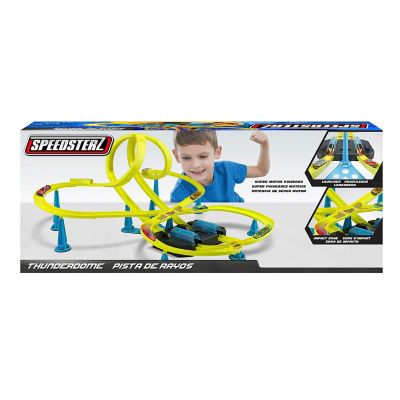
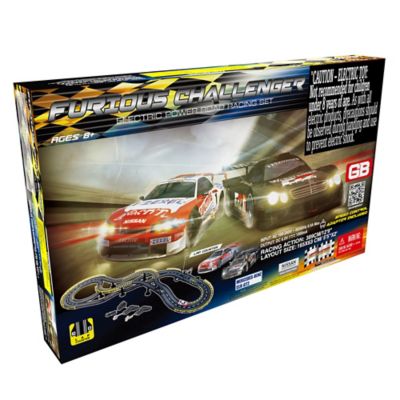
For children who love speed, a collection of die cast vehicles can also lead naturally into races, obstacle courses and friendly challenges. Pair a few vehicles with homemade ramps or marked lanes, then let kids decide whether the winner is the fastest, the best at carrying a load or the one that makes it through the toughest course. Those who enjoy that kind of play may also like exploring
Toy Racing Cars for more racing-inspired fun. Keep play surfaces reasonably clean and free of sharp debris, particularly when vehicles are taken outside, and check toys from time to time for loose wheels, cracked pieces or worn edges. Die cast toys are often valued for their weight and durability, but they still deserve a little care when they are used on concrete, gravel or rough ground. Children can learn plenty through this simple kind of play: how wheels move, how size affects a ramp, how to plan a route and how to share a set of vehicles with a friend. They also get room to make up stories that reflect the world around them, whether that means hauling hay, delivering groceries, fixing a pretend road or heading out on a long trip across the den. A well-chosen die cast toy vehicle can be a pocket-sized piece of everyday life, ready for a child’s next project, collection or make-believe adventure.